N7201A617E00_0317.pdf - 第557页
NPM-W2 EJM7DE-MB-15M-00 16-2 -4 Stability Stable at a room temperat ure and a regular pressure. Reactivity May react if making cont act with strong oxidizing agent . Conditions to avoid Avoid conta ct with strong oxidizi…
NPM-W2 EJM7DE-MB-15M-00
Maintenance
16-2
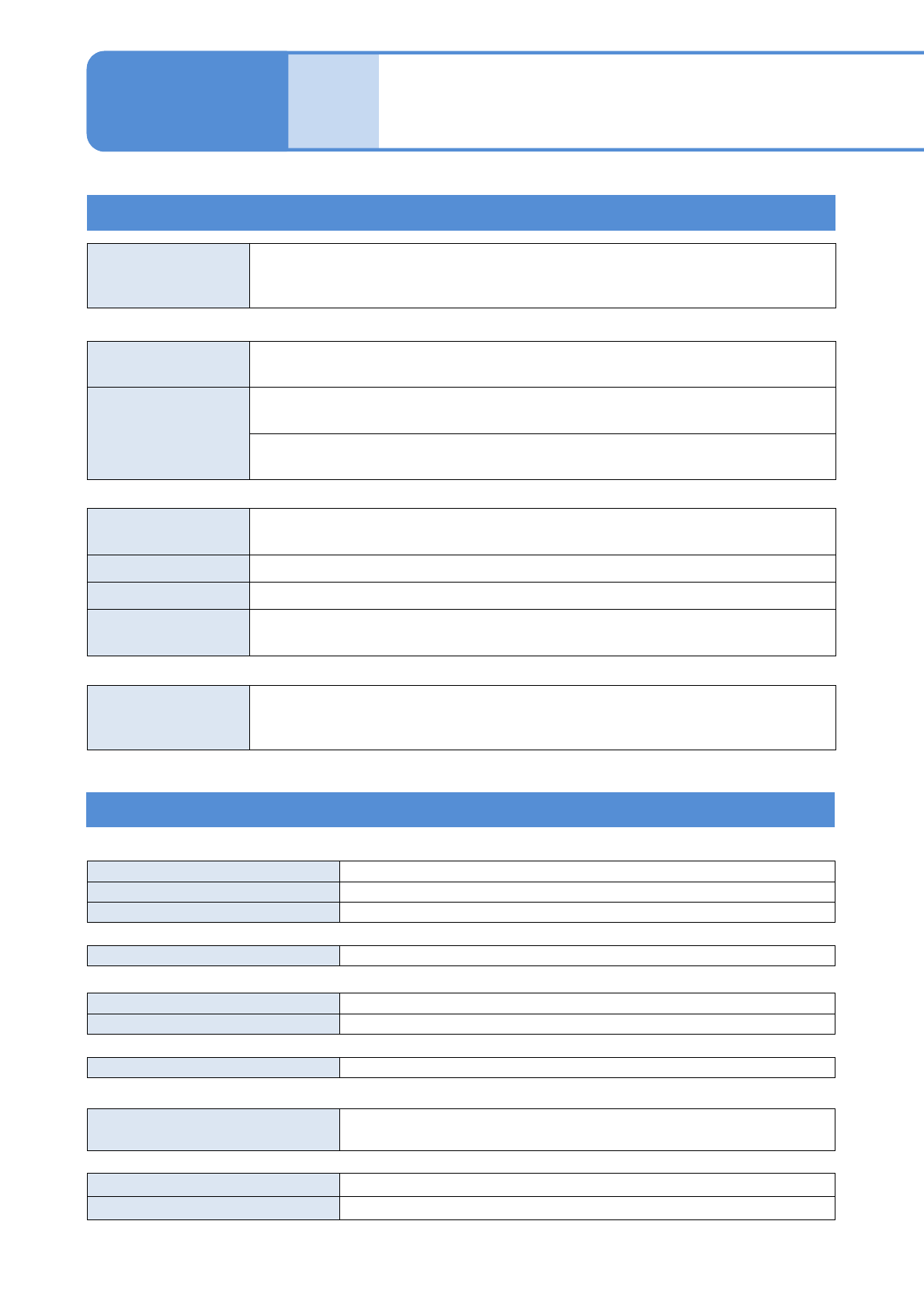
Safety data sheet (SDS) 2
(LCG100)
16-2-3
Exposure controls/Personal protection
Machine
measurements
If mist or vapor is generated, shut the source out, or provide exhaust ventilation.
Ensure that eyewash stations and safety showers are proximal to the work-station
location.
■Tolerated concentration
Controlled
concentration
No regulations (Working environment evaluation standards: Ministry of Health,
Labor and Welfare Notice No. 26 March 27, 1995)
Tolerated
concentration
Japan Society for Occupational Health (2004 version)
Time load average TWA 3 mg/m
3
(for mineral mist oil)
ACGIH (2004 version)
Time load average TWA 5 mg/m
3
(for mineral mist oil)
■Personal protection equipment
Respiratory protection If mist or vapor is generated, wear a gas (organic gas) mask as necessary. Wear an
air mask in a closed space.
Hand protection Wear oil-proof (impervious) protective gloves.
Eye protection If there are droplets, wear regular protective glasses.
Skin and body
protection
Wear oil-proof long-sleeve coat and safety shoes. Remove grease-contaminated
clothes and wash them thoroughly before wearing.
Appropriate hygiene
measures
Do not eat, drink or smoke while working. Use hand-and eye-wash stations and
wash hands and face with plenty of water after handling this product. Do not take
contaminated gear such as gloves with you into a break room.
■Appearance
Physical state Solid
Color Brown
Order Characteristic
PH Not applicable
■Certain temperature/temperature range at which physical condition is changed
Boling point 200ºC or more (Initial boiling point)
Melting point No effective data currently available
Flash point 200ºC or more (Setaflash)
■Explosive properties
Explosion limit
Lower limit : 1 capacity %
Upper limit : 7 capacity % (Estimation)
Density No effective data currently available
Solubility Insoluble in cold water
Physical and chemical properties
NPM-W2 EJM7DE-MB-15M-00
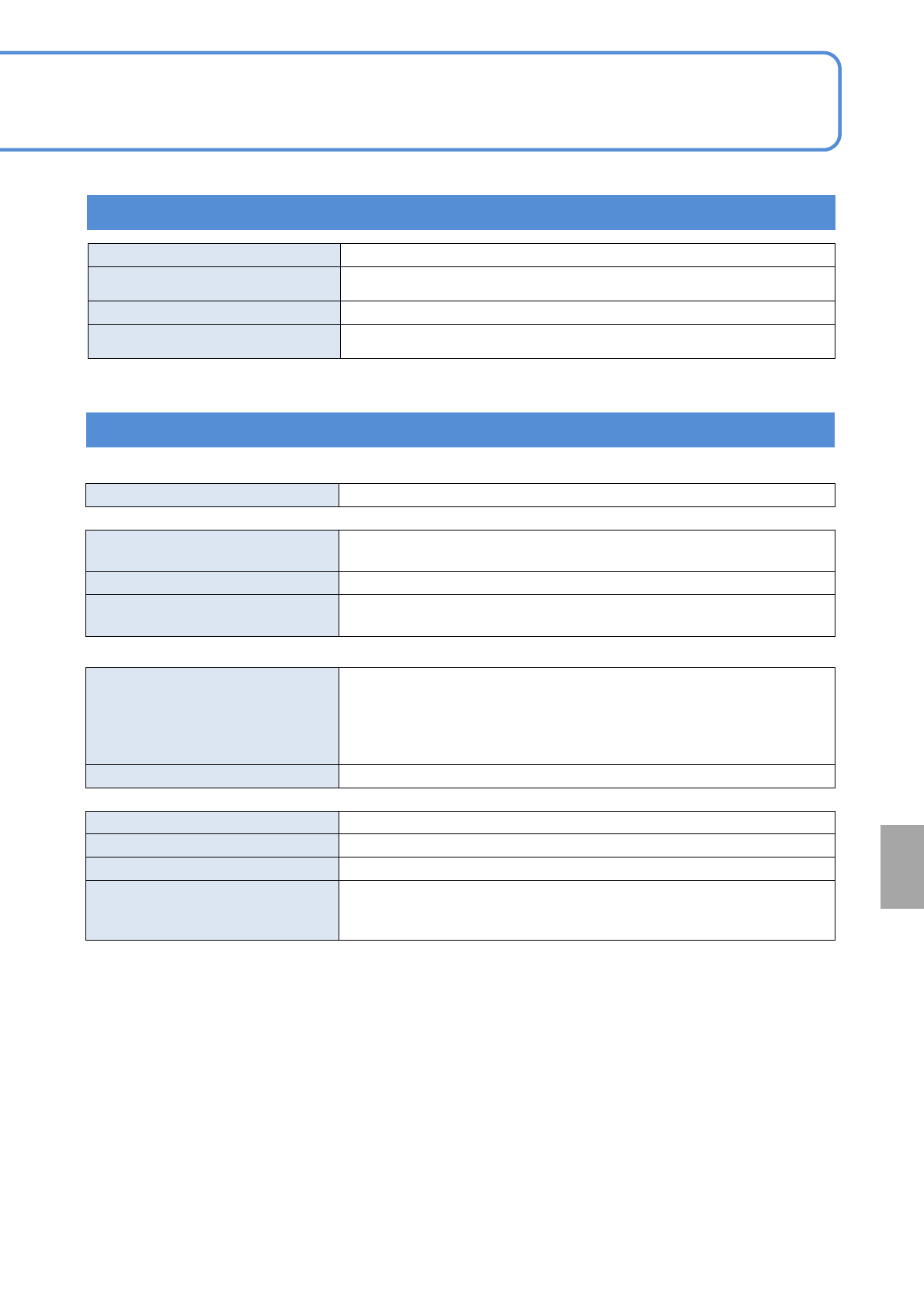
16-2-4
Stability Stable at a room temperature and a regular pressure.
Reactivity May react if making contact with strong oxidizing agent.
Conditions to avoid Avoid contact with strong oxidizing agent.
Hazardous decomposition products Monoxide or other gas may be generated by combustion, etc.
Stability and reactivity
Toxicological information
■Acute toxicity
Mineral oil
Oral Rat LD50 5g/kg or more (Estimation)
Local effects Repeated or prolonged exposure of skin, eyes or mucous membrane
may cause damage.
Sensitization No effective data currently available
Carcinogenicity
Mineral oil
No effective currently available
■Carcinogenicity
Mineral oil The OSHA evaluation says 'the mineral oil used for this product is
highly refined mineral oil and is classified into IARC Group 3 (Cannot
be classified as human carcinogen). The UE evaluation says 'it is not
necessary to apply the carcinogen category to the mineral oil used for
this product.'
Synthetic oil, additive and others No effective data currently available
Mutagenicity No effective data currently available
Teratogenicity No effective data currently available
Generative toxicity No effective data currently available
Others If ingested, symptoms such as diarrhea and vomiting may appear. In
case of skin contact, inflammation may appear. In case of eye contact,
inflammation may appear. If inhaling mist or vapor, you may feel sick.
Reference
NPM-W2 EJM7DE-MB-15M-00
Maintenance
16-2
Safety data sheet (SDS) 3
(LCG100)
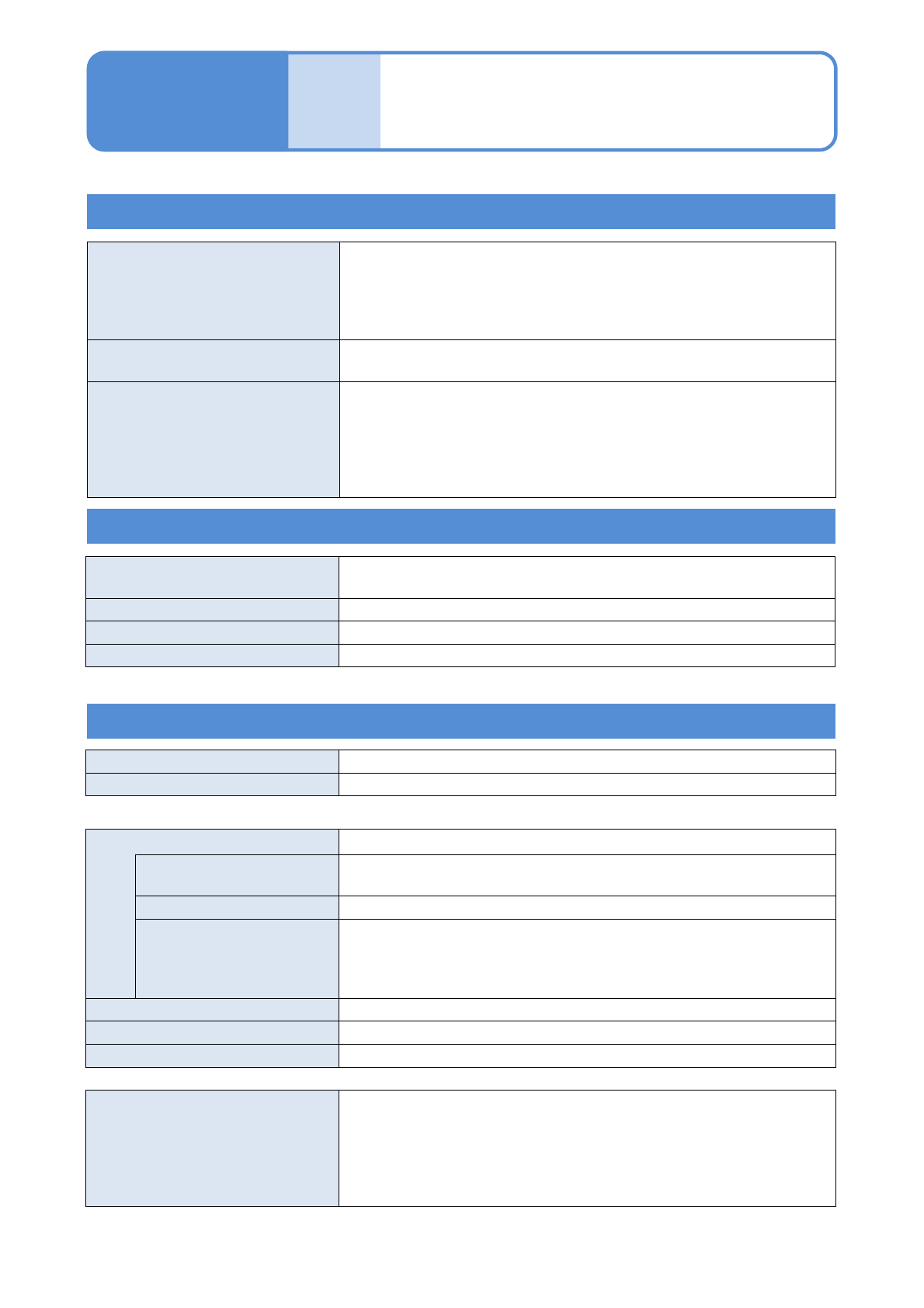
16-2-5
Mobility From the viewpoint of physical and chemical characteristics, this
product can move into air, water and soil.
Residual/Biodegradability No effective data currently available
Bioaccumulation No effective data currently available
Biotoxicity No effective data currently available
Waste of residues The residual waste is disposed of by business entities, industrial waste
disposal corporations authorized by the prefecture or the local
municipal entities that dispose of industrial waste. Since residual waste
is regulated as industrial waste by the 'legislation for waste disposal
and cleaning', they must not be buried or disposed of illegally.
Contaminated containers and
packaging
After emptying the case of its contents thoroughly, dispose of it as
industrial waste in the same way as residual waste.
Incineration Waste must be incinerated at a safety place, using a method free from
possibility of combustion or explosion that may pose a danger to others.
In addition, it must be confirmed by a person directly that incineration
has finished safety. It must be confirmed that burnt residue is lower
than the standards stipulated by 'the enforcement ordinance of the
legislation for waste disposal and cleaning.'
Disposal consideration
Ecological information
Transport information
United Nations category Not hazardous according to United Nations designations
United Nations code Not hazardous according to United Nations designations
■Domestic regulation
Surface transportation Not hazardous according to the fire defense legislation.
Container Use a container complying with 'Article 3-2 of the separate volume of
rules and regulation of hazardous product'.
Container label No regulation
Load method There must be little friction or movement of containers while being
transported. The height of the containers piled up must be 4m or less
while being transported. They must not be loaded together with
Category-1 hazardous products or Category-6 high-pressure gas.
Road legislation Not hazardous according to the road legislation
Sea legislation Not hazardous according to the sea safe legislation
Air transportation Not hazardous according to the air legislation
Transportation safety measures
and conditions
Confirm that the containers are not damaged, corroded or leaking
before transporting them. Load them so that they will not fall down,
drop, or be damaged and so that the load will not collapse. There must
be little friction or movement of containers while being transported.
Comply with the applicable laws when packaging, containing, labeling
and transporting.