00193368-02.pdf - 第85页
SIPLACE GEM for S25HM, S27HM, HS50, HS60 SW Version GEM 503.02 HOST Inter fac e Manual ©Siemens AG, all rights reser ved page 85 of 243 4.4.5 S2F17 - Date and Time Request S2F17 W . * H<->E The Host may send this m…
SIPLACE GEM for S25HM, S27HM, HS50 , HS60 SW Version GEM 503.02
HOST Interface Manual
Page 84 of 243 ©Siemens AG, all rights reserved
4.4.3 S2F15 - New Equipment Constant Send
S2F15 W * H->E
<L
<L [2]
<U4 VID> * Equipment Constant ID
<V>
>
...
> .
The Host sends new values for desired Equipment Constants. Several Equipment
Constants can be specified if desired.
Only VIDs of class EC can be used in this message.
4.4.4 S2F16 - Equipment Constant Send Acknowledge
S2F16 * H<-E
<B [1] EAC> . * Equipment Acknowledge Code
Normal completion returns a zero (0) in EAC. If any ECID or ECV in S2F15 is invalid,
then EAC contains a non-zero value, and the Equipment rejects the entire S2F15.
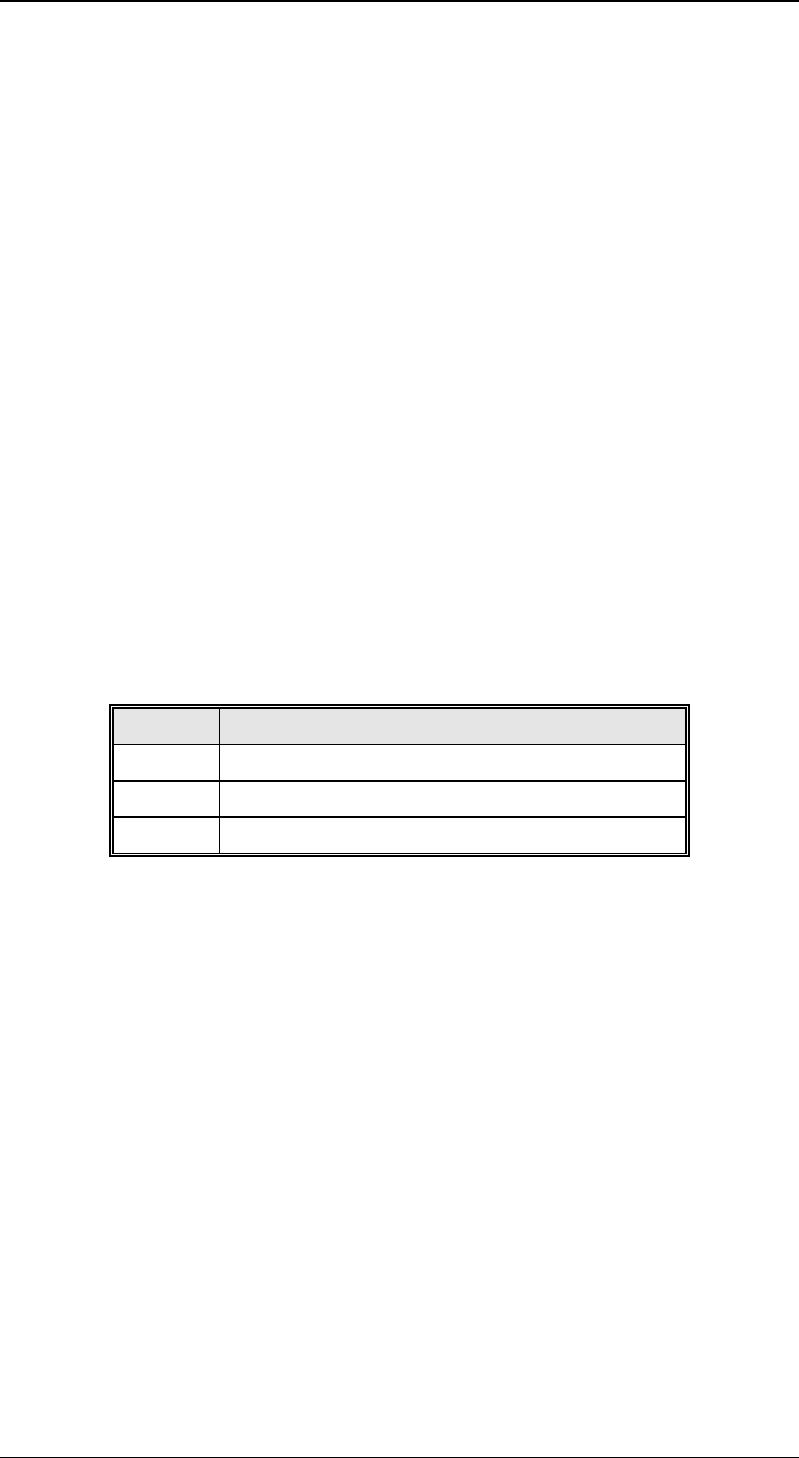
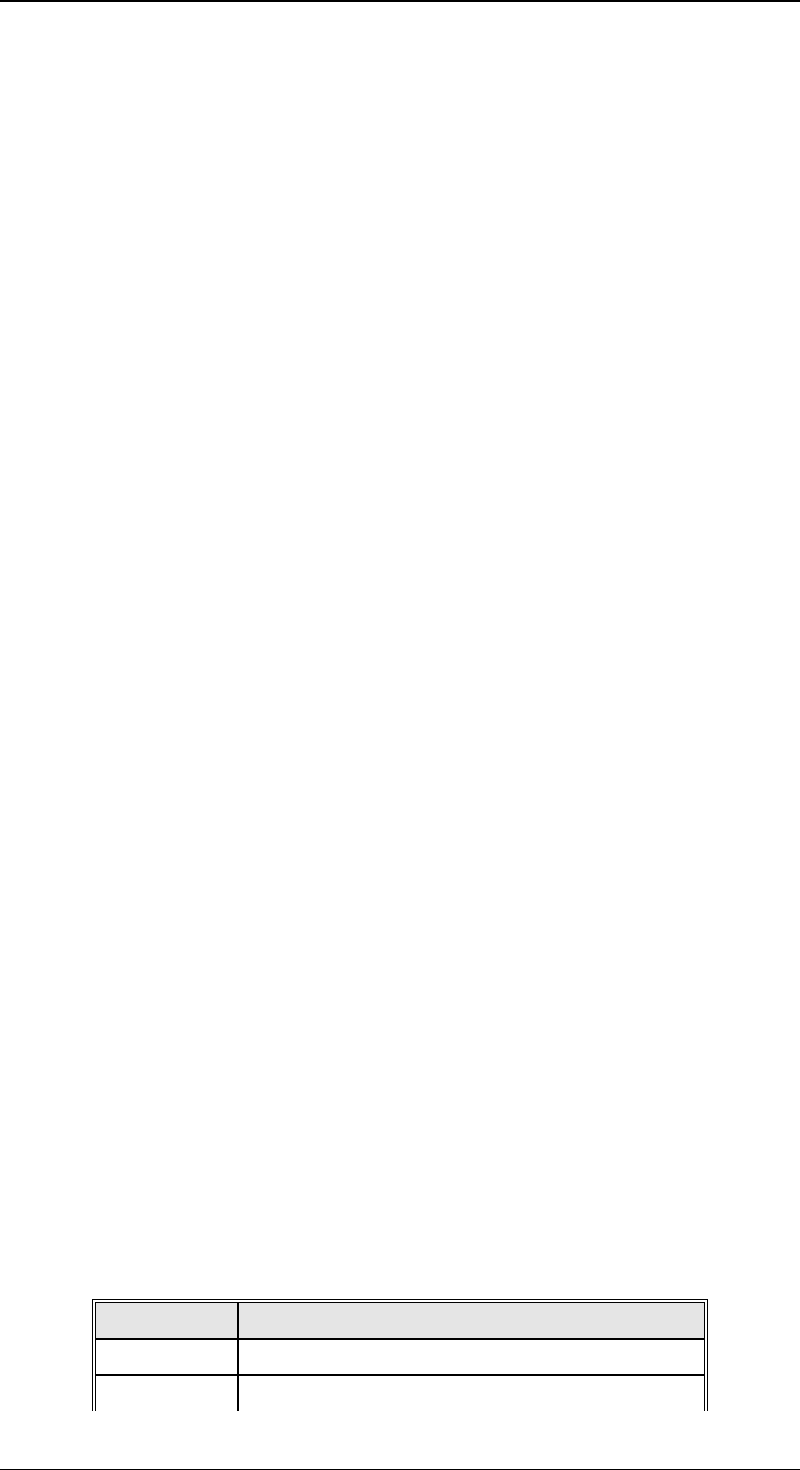
Possible EAC values are:
EAC Description
0x00 OK
0x01 At least one ECID invalid
0x03 At least one ECV out of range
SIPLACE GEM for S25HM, S27HM, HS50, HS60 SW Version GEM 503.02
HOST Interface Manual
©Siemens AG, all rights reserved page 85 of 243
4.4.5 S2F17 - Date and Time Request
S2F17 W . * H<->E
The Host may send this message at any time to determine the Date and Time base which
the SIPLACE is currently using.
The SIPLACE sends this message at the request of the operator.
4.4.6 S2F18 - Date and Time Data
S2F18 * H<->E
<A 'YYMMDDhhmmss'> . * TIME - Date and Time
This message contains the current Date and Time.
YY Year (last two digits), 00 to 99
MM Month, 01 to 12
DD Day, 01 to 31
hh Hours, 00 to 23
mm Minutes, 00 to 59
ss Seconds, 00 to 59
When the Equipment receives a good S2F18, it sets its internal clock/calendar. When
receiving S2F18, the Equipment will discard an invalid date or time. For example, if the
date is good but the time is bad, the Equipment sets its date but not its time.
4.4.7 S2F21 - Remote Command
S2F21 [W] * H->E
<A RCMD> . * Remote command string
Note: This message is only provided for compatibility with non-GEM Hosts.
The Host sends a Remote Command to the Equipment.
The SIPLACE ignores case when performing validity checks on the RCMD strings.
The Host may optionally set the W-Bit to "1" in S2F21. If so, the Equipment replies with
S2F22.
4.4.8 S2F22 - Remote Command Acknowledge
S2F22 * H<-E
<B [1] CMDA> . * Command Ack. Code
Normal completion returns a zero (0) in CMDA.
A non-zero value for CMDA indicates that the Equipment has rejected the Remote
Command.
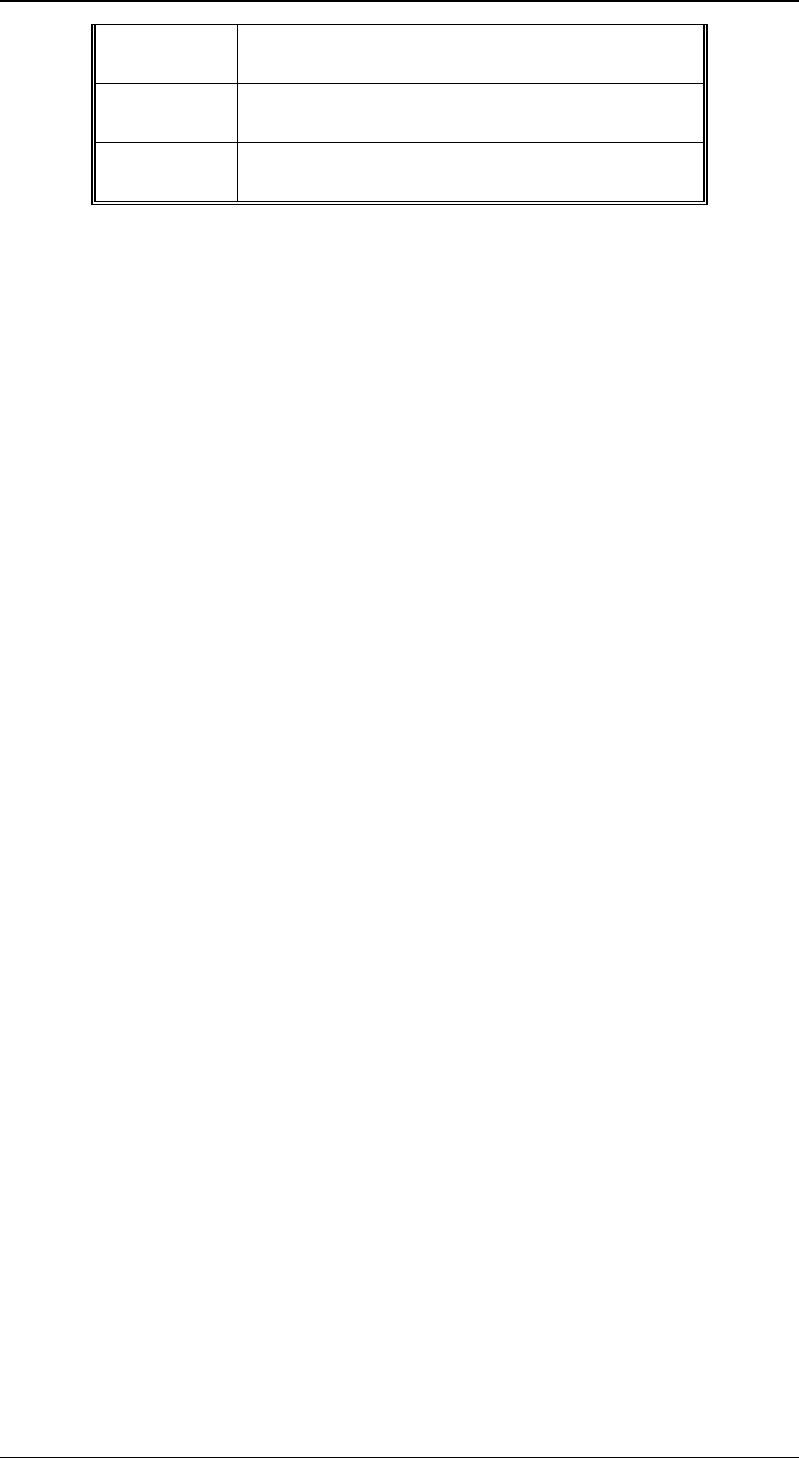
CMDA Description
0x00 OK. All normal.
0x01 Invalid command. Equipment rejects command
SIPLACE GEM for S25HM, S27HM, HS50 , HS60 SW Version GEM 503.02
HOST Interface Manual
Page 86 of 243 ©Siemens AG, all rights reserved
0x02 Cannot perform now. Equipment rejects
command.
0x40 Control State is Local. Equipment rejects
command.
0x41 Incorrect Process State for this command.
Equipment rejects command.
4.4.9 S2F23 - Trace initialize send
S2F23 W * H->E
<L [5]
<U4 TRID> * Trace ID
<A 'hhmmss'> * DSPER - Data Sample Period
<U4 TOTSMP> * Total Number of Samples
<U4 REPGSZ> * Reporting Group Size
<L
<U4 SVID> * Status Variable ID
...
>
> .
The Host requests the Equipment to initiate a time driven trace operation.
The Equipment will send trace data using S6F1.
If TRID in S2F23 matches TRID of an existing trace, the existing trace operation is
canceled, and replaced by the new one.
Up to four (4) separate TRIDs can be in operation simultaneously.
Within DSPER, must be a valid hour/minute/second format ( hh 0-23, mm 0-59, ss 0-59),
and cannot be 000000. The practical minimum value of DSPER is application dependent.
The Equipment will send the first S6F1 at one time period (DSPER * REPGSZ) after
receiving S2F23.
If TOTSMP is zero, then S2F23 is a request to cancel an existing trace. Any trace with
the specified TRID is canceled.
REPGSZ minimum value is 1. REPGSZ may not be so large that S6F1 would be a multi-
block message. Typical value is 1.
Several SVIDs can be specified if desired. You must not specify so many SVIDs that
S6F1 becomes a multi-block message.
Normally, only Variables of class SV are used in this message. However, any VID of
class DV, EC, or SV can be used.
For compatibility with older Host implementations, the Equipment allows the following
alternative form for this message, using an array format: