00197787-02_SI_SIPLACE_HeadVerification_EN.pdf - 第39页
6 Description of the test results 6.2 Air & vacuum with head sensor Software Manual SIPLACE Head Verification 03/2018 39 14 Result view indicating if the values are within (green tick) or outside (red cross) the limi…
6 Description of the test results
6.2 Air & vacuum with head sensor
38 Software Manual SIPLACE Head Verification 03/2018
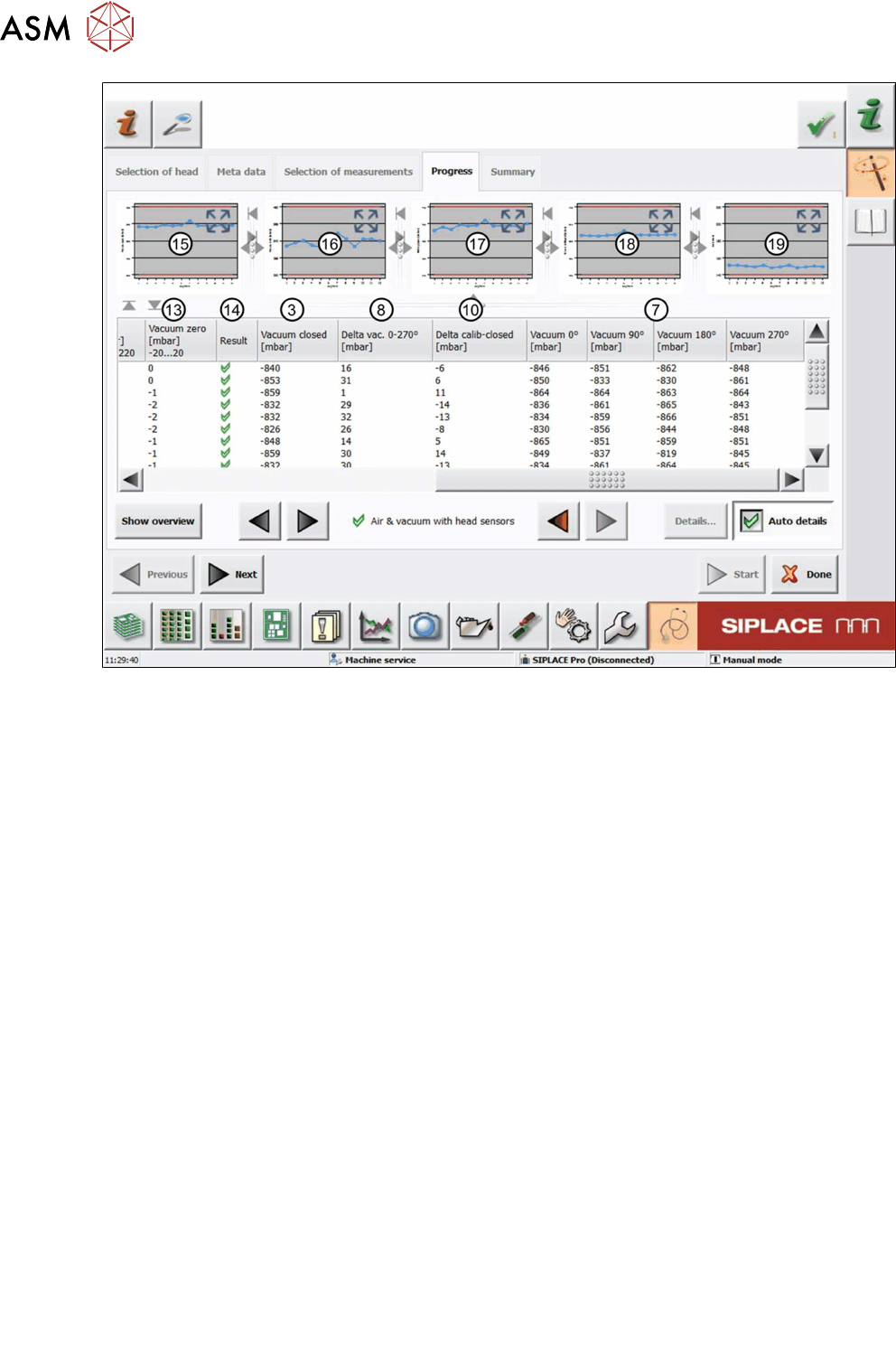
Fig.34: Result view – Air & vacuum with head sensors 2/2
See the legend below for details of both images:
1 Measured Segment
2 Values of the Vacuumopen measurement with open calibration nozzle.
3 Values of the Vacuumclosed measurement with the calibration nozzle touching the con-
veyor rail (endurance run unit).
4 Vacuum delta shows the difference between Vacuumopen and Vacuumclosed:
Vacuumdelta = Vacuumopen – Vacuumclosed
5 Open dev. shows the difference between Vacuum open of each segment and the Mean
Vacuum open:
Opendev. = Vacuumopen
n
– Vacuumopen
Median
6 Values of the Holdingcircuit measurement with open calibration nozzle.
7 Values of the Vacuum measurement at an angle of 0°, 90°, 180° and 270° with the cali-
bration tool picked up.
8 Delta vac. shows the difference between the smallest and the largest value of the Va-
cuum 0°, 90°, 180° and 270° measurements:
Deltavac. = Vacuum(0°, 90°, 180° 270°)
max
– Vacuum(0°, 90°, 180° 270°)
min
9 Values of the Vacuumcalibpart measurement with the calibration tool picked up.
10 Delta vac. shows the difference between Vacuumcalibpart and Vacuumclosed:
Deltacalib-closed = Vacuumcalibpart – Vacuumclosed
11 Calib part dev shows the difference Vacuum calib part of each segment and Mean Va-
cuum calib part.
Calib part dev = Vacuum calib part
n
– Vacuum calib part
Mean
.
12 Value of the Air blast measurement with an air blast of 200mbar applied to the segment.
13 Value of the Vacuumzero measurement with the air blast switched off.
6 Description of the test results
6.2 Air & vacuum with head sensor
Software Manual SIPLACE Head Verification 03/2018 39
14 Result view indicating if the values are within (green tick) or outside (red cross) the limits.
15 Graph showing the Vacuumopen values for each segment.
16 Graph showing the Vacuumdelta values for each segment.
17 Graph showing the Holdingopen values for each segment.
18 Graph showing the Vacuumcalibpart values for each segment.
19 Graph showing the Air values for each segment.
6.2.3 Interpretation of the results obtained
‘Vacuum open’ / ‘Vacuum delta’ error for all segments
Cause Solution
Vacuum pump defective ► Maintain the vacuum pump or replace it.
Seal (four-hole rubber disk) for holding circuit
not fitted correctly or damaged
► Check the seal position or replace it.
Holding circuit polluted ► Maintain or clean the holding circuit in an
ultrasound bath.
‘Vacuum open’ / ‘Vacuum delta’ error for individual segments
Cause Solution
Filter disks sealing damaged / poor air-tightness
at the nozzle seating
► Replace the filter disks.
Nozzle worn or damaged ► Replace the nozzle.
Vacuum hose to the affected segment polluted
or damaged
► Replace the vacuum hose.
Holding circuit polluted ► Maintain or clean the holding circuit in an
ultrasound bath.
‘Delta vac. 0-270°’ error for individual segments
Cause Solution
Segment (DP) defective or without planarity to
the nozzle contact surface
► Replace the segment (DP).
Internal segment (DP) vacuum cycle defective ► Replace the segment (DP).
6 Description of the test results
6.3 Air & vacuum with external sensor
40 Software Manual SIPLACE Head Verification 03/2018
6.3 Air & vacuum with external sensor
6.3.1 Measurement principle
This measurement is used to determine the vacuum and air blast quality of the placement head
and its segments by an external sensor. Several tests are performed to verify the different aspects
of the vacuum system, and also to compare the achieved results with the results that are achieved
from the test with the internal sensor.
1. The vacuum is measured with the internal sensor and the segment closed, and then with the
segment open at the external sensor.
2. Finally, the air blast is activated and measured with the internal sensor, and then with the seg-
ment at the external sensor.
6.3.2 Measurement result
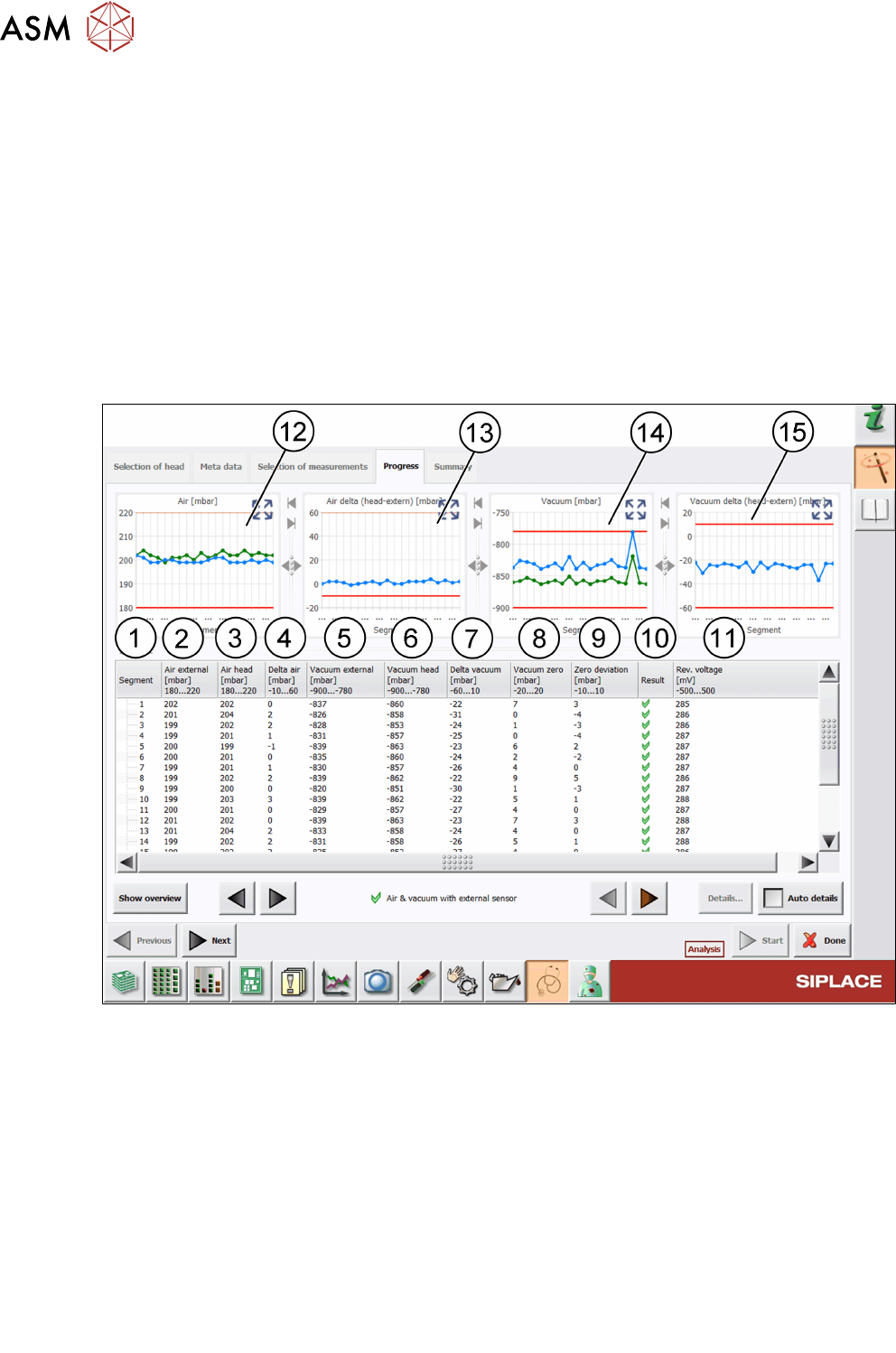
Fig.35: Result view – Air & vacuum with external sensor
1 Measured Segment
2 Values of the Air external measurement using the external sensor.
3 Values of the Air head measurement using the internal sensor.
4 Delta air shows the difference between Air external and Air head:
Delta air = Air head - Air external
5 Values of the Vacuum external measurement using the external sensor.
6 Values of the Vacuum head measurement using the internal sensor.
7 Delta vacuum shows the difference between Vacuum external and Vacuum head:
Delta vacuum = Vacuum head - Vacuum external
8 Vacuum zero shows the difference between Median
Vacuum external
and Vacuum external:
Vacuum zero = Median
Vacuum external
- Vacuum external