Oxford-100-Manual.pdf - 第47页
System Manual Oxford Instruments Plasma Technology Plasma lab System 100 COMPR SSED AIR CYliNDER (ONE EAcH SIDE OFCL~PING PLATE) ~ :::::::::=';;;;;;;;;;;;;;;;;;;;;:;::=="3-pin wafer I ~---Hrt-:.".....~_ - …
Plasma
lab
System
100
Oxford
Instruments
Plasma
Technology
System Manual
to
the
periphery
of
the
wafer.
Helium
is
the
preferred
gas, because
it
has a very
good
heat
transfer
ability. The use
of
other
gases
is
possible,
preferably
inert
gases.
The supply
of
helium
is
fed
by
a pressure
control
device,
which
receives an analogue
setpoint
from
the
machine's
control
system. The pressure
control
device adjusts
the
gas
flow
through
itself
to
control
the
pressure
at
its
output
side. The pressure
is
controlled
within
the
range 0
to
50 Torr. A pressure
of
greater
than
20
Torr
could damage very
thin
substrates.
If
the
wafer
is
clamped
down
successfully
the
chamber pressure
will
show
a
slight
rise
of
a
few
miliiTorr
when
the
helium
is
producing
a pressure
of
10
Torr
on
the
wafer.
If
there
is
a massive pressure rise and
the
Turbo
Controller
display shows a
high
load,
then
the
wafer
is
insufficiently
clamped
and
in
order
to
achieve
the
set pressure
the
controller
is
using
an excessive gas
flow.
The
helium
pressure
is
released
into
the
process chamber
at
the
end
of
a process (using a
normally-open
valve). This prevents
the
wafer
moving
when
it
is
undamped.
Tip:
Finish
a
process
with
a
ten-second
pumping
step
without
helium.
This
will
reduce
wafer
mishandling.
A
flow
meter
in
the
helium
supply also reads
the
gas
flow
necessary
to
maintain
the
pressure.
A typical process
uses
5 - 20
sccm
to
maintain
10 -15
Torr
behind
the
wafer.
Tip:
Some
wafers
mate
very
well
with
the
electrode
top
surface
and
use
less
than
2
sccm
to
maintain
10
Torr. This
can
give
a
control
problem,
with
the
helium
feeding
in
pulses.
Roughening
the
aluminium
electrode
with
an
abrasive
pad
can
increase
the
helium
flow
by
a
few
sccm
and
allow
proper
control.
Do
not
turn
on
the
helium
unless
the
wafer
is
clamped.
UC
Davis 94-721001
Issue
1:
March 06
Description
Page 3-10
of
22
Printed: 22-Mar-06, 7:29
System
Manual
Oxford
Instruments
Plasma
Technology
Plasma
lab
System
100
COMPR SSED
AIR
CYliNDER
(ONE
EAcH
SIDE
OFCL~PING
PLATE)
~
:::::::::=';;;;;;;;;;;;;;;;;;;;;:;::=="3-pin
wafer
I
~---Hrt-:.".....~_
- - _S!!0lQ!t -
~
TABLE WAFER
CLAMP
DARK SPACE
6~zr'"""
WAFER
LIFT
ASSEMBLY
(FITS INSIDE
TABLE SUPPORT
TUBE)
TABLE SUPPORT
TUBE
o RING
PUMPDOWN
PIPE FLANGE
SAFETY RELIEF
VALVE
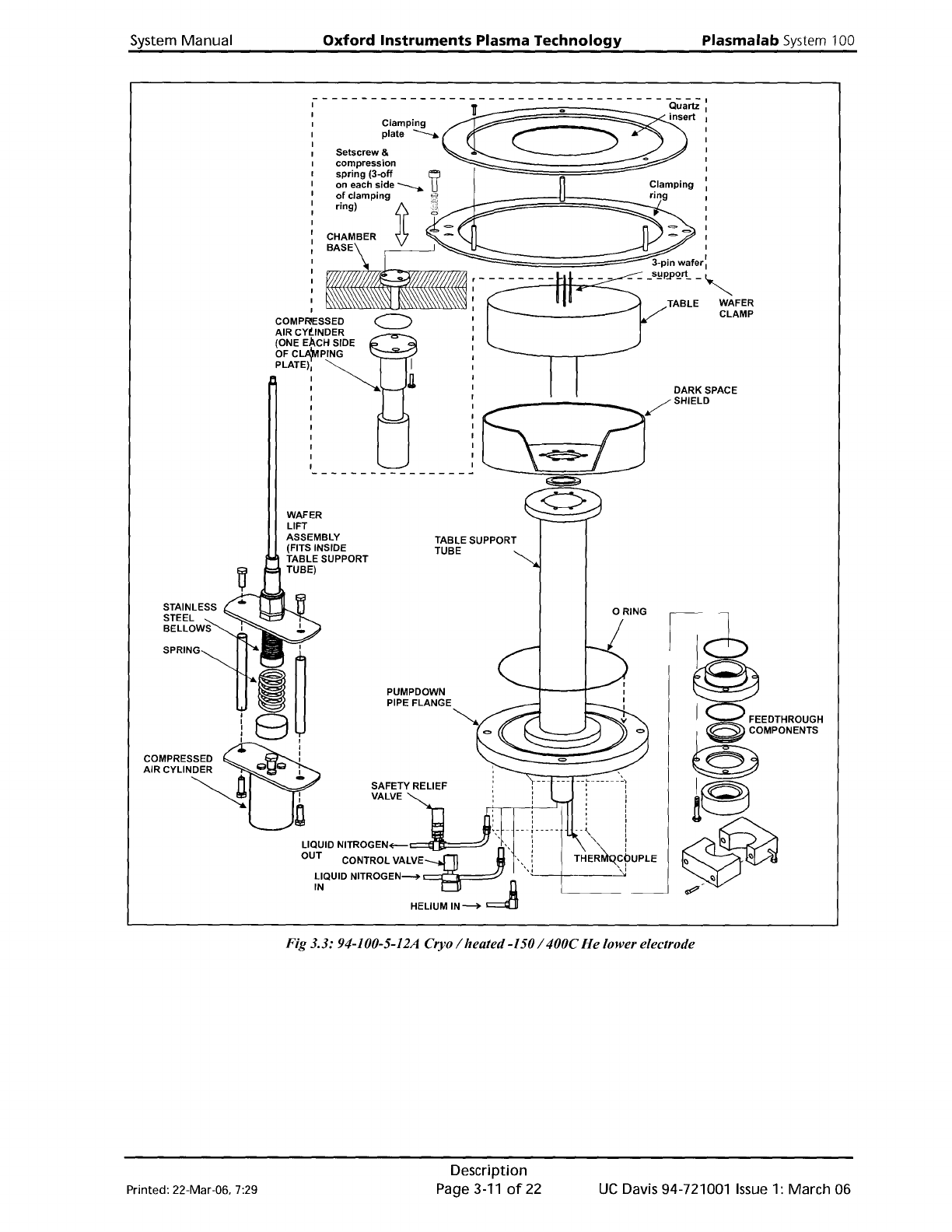
Fig 3.3: 94-100-5-12A Cryo / heated-150/ 400C
He
lower electrode
Printed: 22-Mar-06. 7:29
Description
Page3-11of22
UC
Davis 94-721001
Issue
1: March 06
Plasma
lab
System
100
Oxford
Instruments
Plasma Technology System Manual
3.6
94-100-6-500/200
500W
RF
generator
/ OIPT
AMU
kit
This
kit
comprises a 500W
RF
Generator
and an
OIPT
Automatch
Unit.
The
RF
generator
produces a 13.56MHz
output.
which
is
fed
via
the
automatch
unit
to
the
lower
electrode
to
produce
the
plasma. The
automatch
unit
adjusts
the
impedance
of
its
output
to
match
the
impedance
of
the
lower
electrode
to
ensure
maximum
power
transfer.
For details
of
these units,
refer
to
the
manufacturer's
literature
in
Volume
3
of
this manual.
The
automatch
unit
can be
manually
adjusted
if
necessary,
see
Operator
Adjustments in
Section 5
of
this manual.
3.7
94-100-6-56
ICP
180
Inductively
Coupled
Plasma Source
The
inductively
coupled plasma source
is
180mm in diameter,
which
gives
uniformity
suitable
for
use
with
wafers
up
to
four
inches in diameter.
An
RF
generator
(3kW 13.56MHz) and
automatch
unit
are included. A
quartz
or
alumina discharge chamber
is
supplied, according
to
the
process specification. For
full
details
of
this source,
refer
to
the
ICP
180 manual (provided
as
a
supplement
to
this manual -
refer
to
the
contents list).
3.8
Vacuum
system
The vacuum system
is
shown
in Fig 3.4.
The process chamber
is
pumped
by an Alcatel ATP900
turbomolecular
pump
via an
Automatic
Pressure
Controller
(APC). The
turbomolecular
pump
is
backed via an isolation valve by an
Alcatel 2063
C2
rotary
vane
pump.
The process chamber process pressure
is
measured
by
a
temperature
compensated 100-mTorr
Capacitance
Manometer
gauge.
Note
that
the
CM
gauge
output
does
not
stabilise
until
it
has
been switched
on
and
under
vacuum
for
15 minutes.
Base
pressure
is
measured
by
an active Penning gauge,
which
is
disabled
at
pressures above
10 mTorr.
A Vacuum Switch
monitors
the
chamber pressure.
When
the
pressure falls
below
600 mbar, its
contacts close
to
enable
the
24V process line and
allow
the
process gases and
the
RF
to
operate.
The
automatic
load lock
is
pumped
by
an Alcatel 2015
C2
rotary
vane pump. A Pirani
gauge
measures pressure.
For details
of
the
vacuum pumps and gauges,
refer
to
the
manufacturer's
literature
in
Volume
3
of
this manual.
UC
Davis 94-721001
Issue
1:
March 06
Description
Page 3-12
of
22
Printed: 22-Mar-06, 7:29