DEK高级培训资料.pdf - 第84页
CAN Fe atures • Uses Line topology partcipants are connected parallel via bus(DEK) • Data transmission speed of 500 Kbit/sec (DEK) • Data ex change:Each device (Node) may send data if bus Issue 2: July 2007 • Data ex cha…

Why CAN ?
•
Reduced wiring
•
Future proof – ease of adding options
•
CAN Open specification allows multiple
Issue 2: July 2007
•
CAN Open specification allows multiple
manufactures to be sourced
•
Short reaction times for priority commands
•
Fault analysis built into architecture –
ability to recover
•
Simplicity of interface (mechanical and
electrical)

CAN Features
• Uses Line topology partcipants are connected parallel via
bus(DEK)
•
Data transmission speed of 500 Kbit/sec (DEK)
•
Data exchange:Each device (Node) may send data if bus
Issue 2: July 2007
•
Data exchange:Each device (Node) may send data if bus
is not occupied
• COB’s are read by all Nodes but any action is only
performed by the addressed Node(s)
•
A COB-ID (COB identifier) determines the receiving
Nodes address and the priority of the message
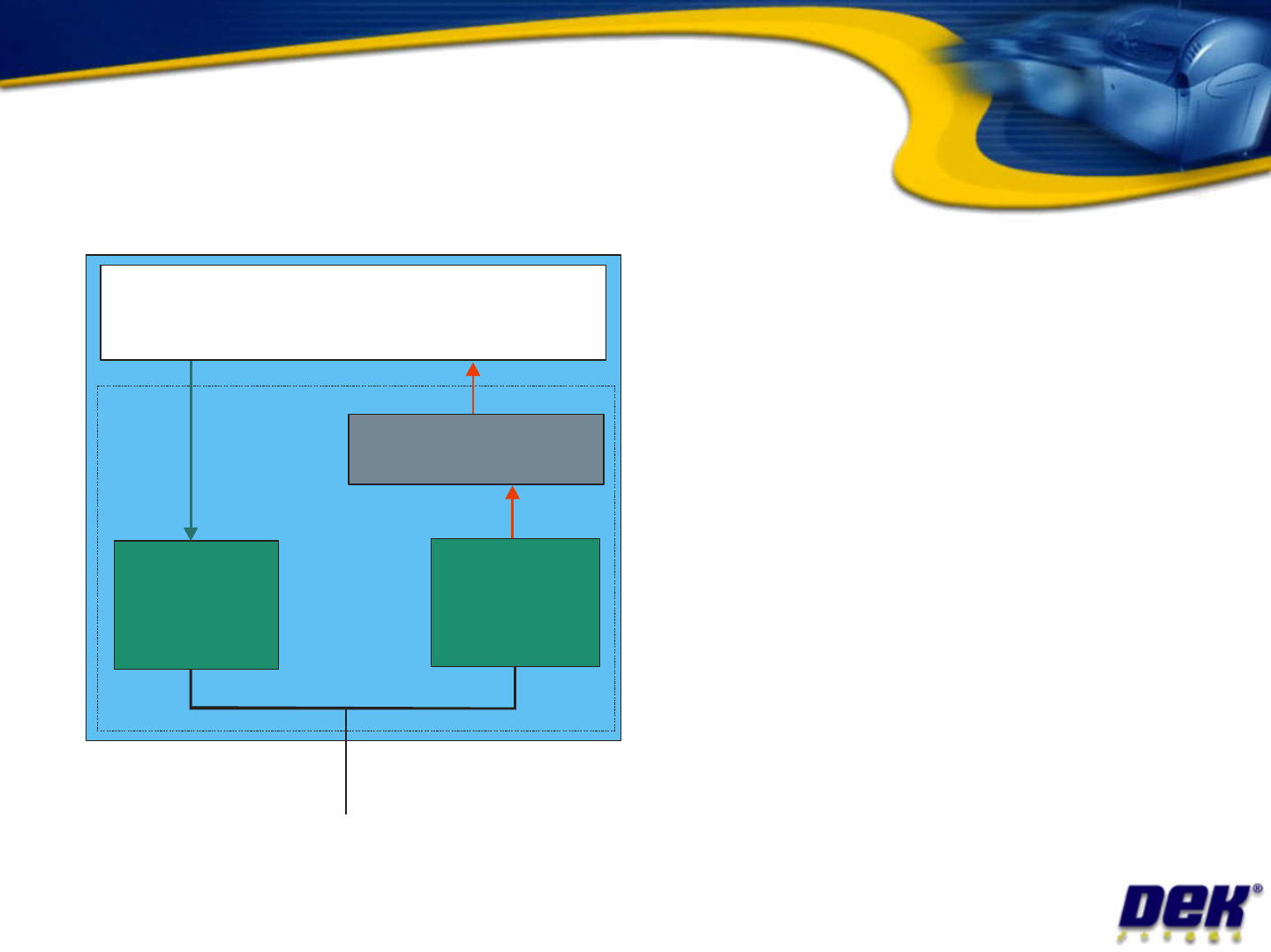
CAN Devices
Application (I/O - drive - sensor)
Message Filter
•
CAN bus
components
:
– I/O Nodes
– Servo Nodes
Issue 2: July 2007
Transmitter
Receiver
CAN Bus
– Servo Nodes
– CAN Transceiver
(on board
Nextmove ES)