PS288_PS388_PS588_981-0424-002D - 第13页
PS Series Owner’s Manual 1—1 Chapter 1 1 Intr oduction This chapter covers PS Machine desc ription and components, software, safety and room considerations. The PS288, PS388 and PS588 Automated Programming Sys- tems (PS …

Preface • Repair Service
xii Data I/O • 981-0424-002
back

PS Series Owner’s Manual 1—1
Chapter
1
1Introduction
This chapter covers PS Machine description and components,
software, safety and room considerations.
The PS288, PS388 and PS588 Automated Programming Sys-
tems (PS System) are versatile production programmers that
handle and program devices in traditional and fine-pitched
packages. These include
BGA, FPGA, µBGA, QFP, TQFP, CSP,
TSOP, SSOP, SON, WSON, S OIC, and other tech-
nologies supporting memory and microcontroller devices.
Note: This manual applies to the PS288, PS388 and the PS588,
unless otherwise noted, and will be referred to as the PS System or
PS Machine.
The PS System refers to the machine, accessories, the software and,
more generally, the interactions of all these parts. The PS Machine is
used to mean the physical machine, not the software. For example,
you might connect an air supply hose to the PS Machine, but adjust
the actuation air pressure of the PS System.
The modular design of the PS Machine creates flexibility, allowing
you to optimize to the level of production required by your facility.
definition of terms:
Introduction ■ Snapshot of the PS Machine
1—2 Data I/O • 981-0424-002
back
Snapshot of the PS Machine
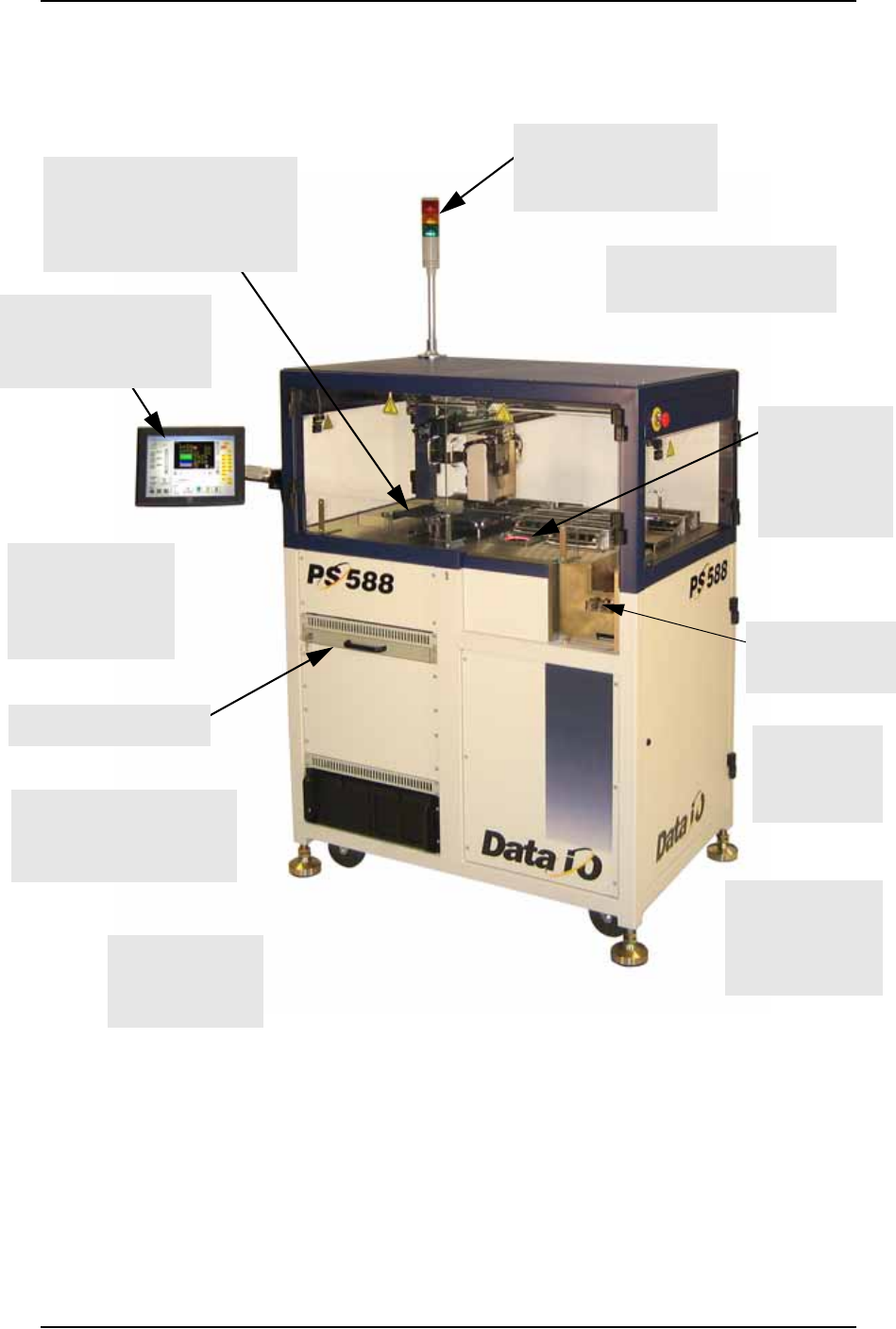
Figure 1-1: Features of the PS Machine. (PS588 shown.)
Many software
options such as the
Automotive
Performance Pak
Support for
label or laser
marking
Modular design
for a wide range
of applications
Adjustable feet for
leveling and
wheels for relocat-
ing ease
Touch screen monitor
displays real-time pro-
cesses and online Help
Light tower makes
machine status avail-
able from a distance
Good visibility of the work-
space and easy access.
Flexible options for input &
output: • static tray (shown),
• automatic tray feeder,
•tube, •tape
Uses FlashCORE program-
mer modules offering the
latest industry technology
Keyboard in a drawer
Supports Tape
Feeder tape input
Optical Vision
System for
precise device
placement