PS288_PS388_PS588_981-0424-002D - 第26页
Introduct ion ■ Machine Components 1—14 Data I/O • 981-0424-002 back Figure 1-5: A FlashCORE Programmer with a Sock et Adapter and Actuator Plat e installed on it. V ision System The camera and associated compone nts of …
■ Machine Components ◘ Component Descriptions
PS Series Owner’s Manual 1—13
back
The PNP head picks up the device and moves it to the Vision System
camera where it compares the device position on the probe to a dig-
ital image. It corrects for misalignments before the device is placed
into the programming socket. To place a device at a target location,
the probe lowers, vacuum is turned off and blow-off air is momen-
tarily turned on.
The PNP head carries the Socket Opener. The exception to this is the
PS588 with FlashCORE Programmers (no Optima Program-
mers)—actuators on the programmers open sockets versus openers.
WARNING: Collision hazard. The gantry system and associated
components move with great speed and force, and have the
potential to cause great bodily harm. Do not bypass the safety
interlocks or operate the PS Machine with the safety shields open
or removed.
Programmers
Optima Programmers (also called Universal Programmers) are an
earlier design and support the most Flash devices including logic
devices and many microcontrollers. Optima programmers can be
mounted only on PS588, even alongside FlashCORE programmers.
An Optima Support Kit is available for PS588 customers needing to
replace their Optima programmer. PS588 customers without an
Optima programmer who wish to install one should contact Data I/O.
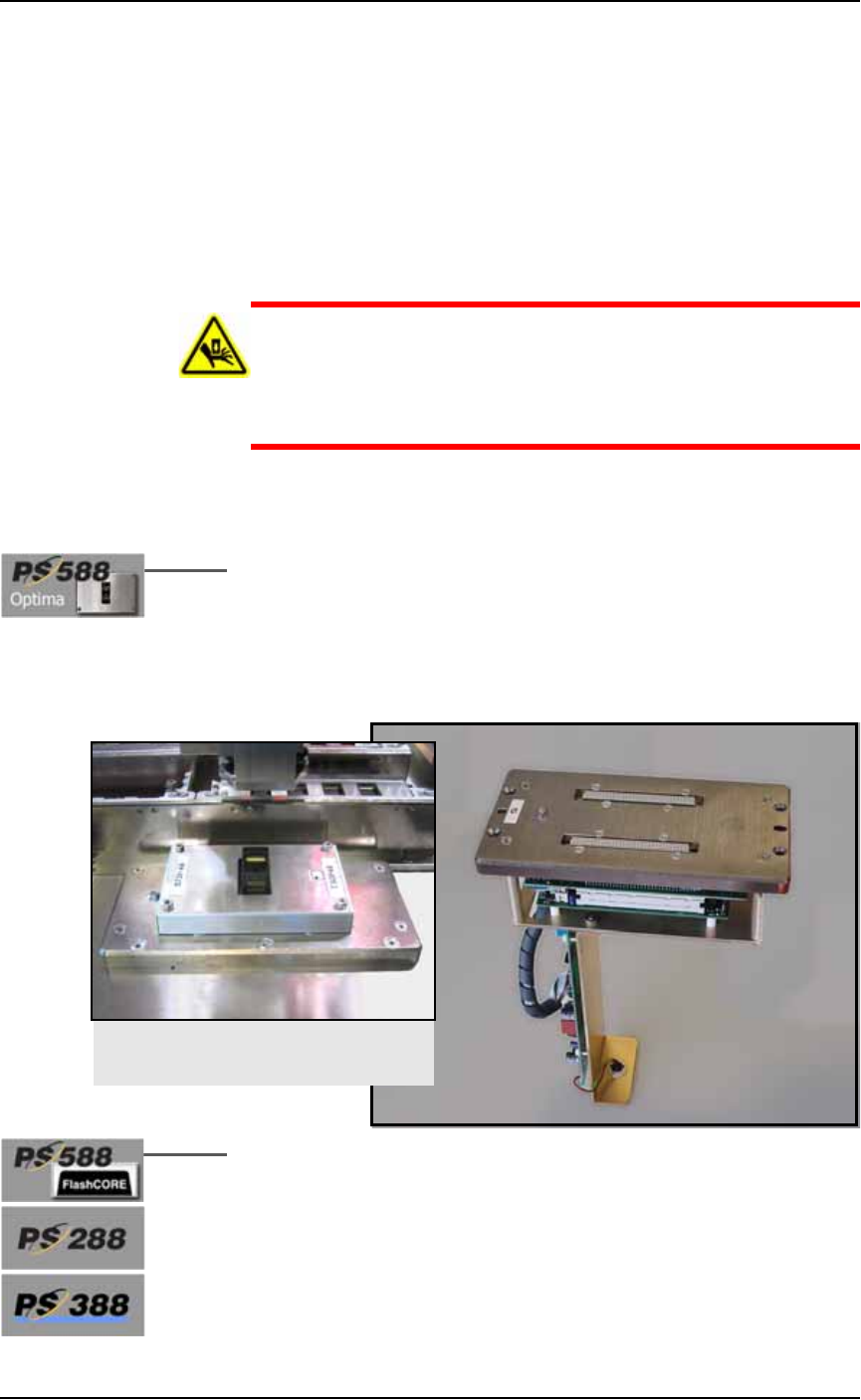
Figure 1-4: An Optima Programmer for PS588 only. This programmer
requires an Optima adapter.
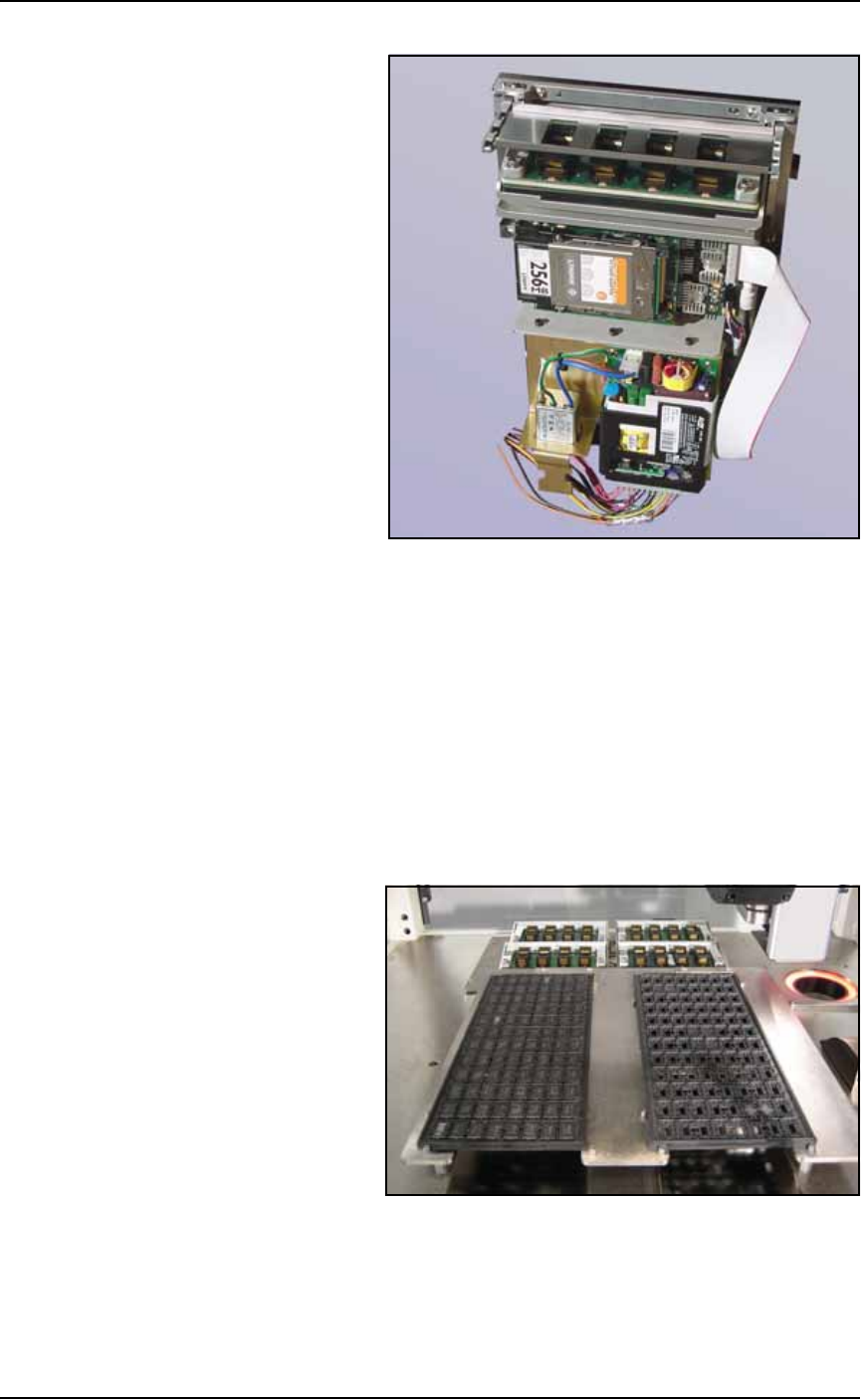
Data I/O’s FlashCORE programming modules are the fastest pro-
grammer architecture available. Modules come in single, dual, or
quad units. PS588 FlashCORE programmers have socket actuation
built in.
An Optima Programmer installed, with
a Socket Adapter on it.
Introduction ■ Machine Components
1—14 Data I/O • 981-0424-002
back
Figure 1-5: A FlashCORE Programmer with a Socket Adapter and
Actuator Plate installed on it.
Vision System
The camera and associated components of the Vision System provide
fine alignment of devices removed from the input media before
inserting them into the programming sockets or marking pedestal.
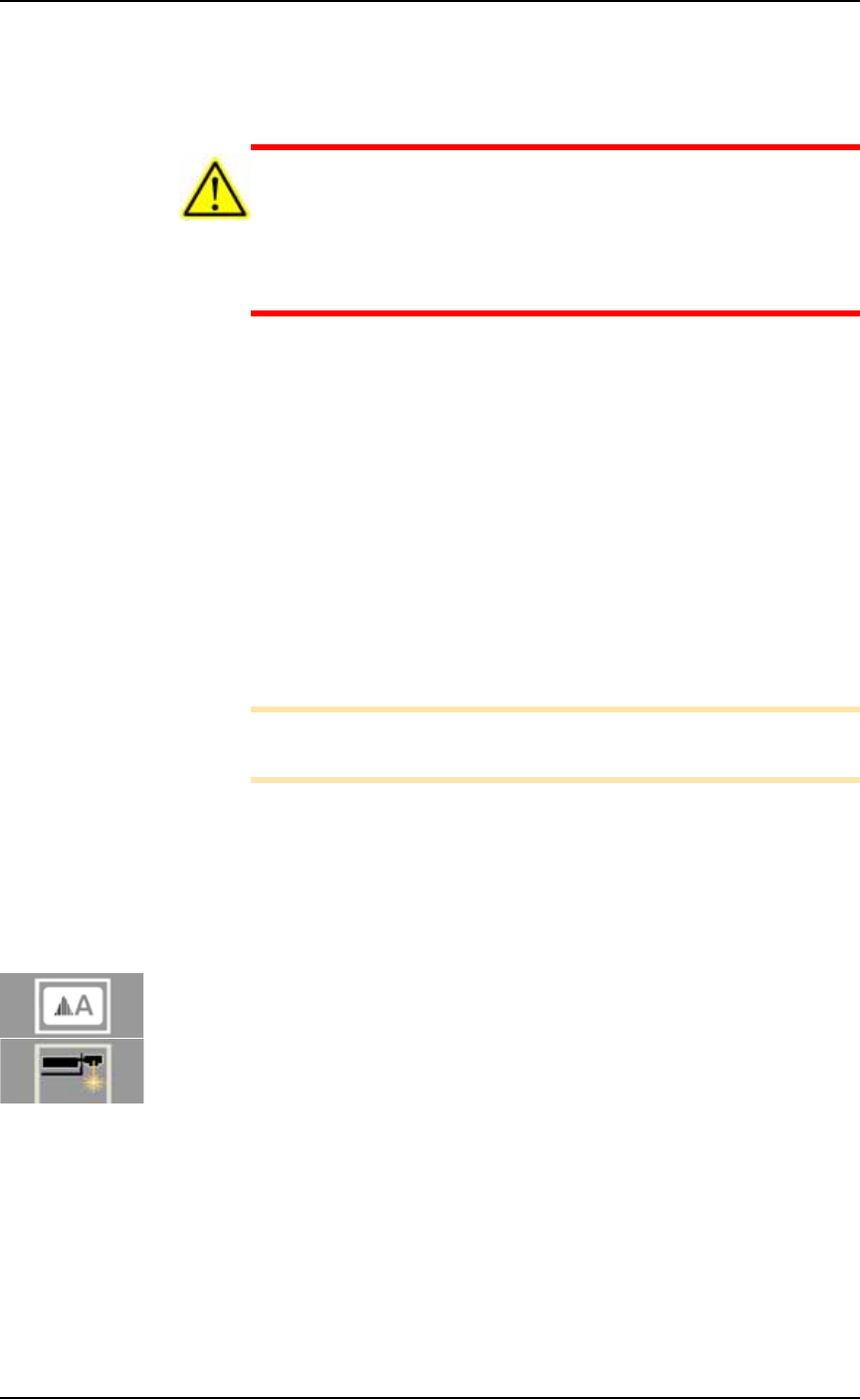
Static Tray Mount
Using positioning pins and magnetic L-shaped brackets (or thumb
screws on some models), JEDEC and non-JEDEC standard trays are
held firm for the PNP head to pick devices and return them after pro-
cessing.
Figure 1-6: Static tray mount on PS288.
Handler Computer
The computer that hosts TaskLink software and the AH500 software,
monitors all sensors. It also hosts the Vision System and in some
■ Machine Components ◘ Component Descriptions
PS Series Owner’s Manual 1—15
back
models hosts the Laser Software if applicable. The computer contains
a CPU that runs Microsoft Windows XP Operating System (at time of
release).
CAUTION: Possible machine damage. The PS System should
never have software added unless instructed to do so by Data I/O
Customer Support. Adding software to the PS System can cause
damage and/or cause the system to operate improperly. Adding
software without specific instruction from Data I/O Customer Sup-
port will void the warranty and may incur service charges.
Keyboard and Track Pad
Used for operation. Can be used instead of the touch screen monitor.
ESD Strap Connection
When operators plug an antistatic wrist strap into the ESD strap con-
nection, it reduces the risk of damage to devices and Socket Adapters
from electrostatic discharge (ESD).
Touch Screen Monitor
The display screen (user interface) on the PS System, accepts input
when touched or tapped with a finger. The touch screen may be used
instead of the keyboard and track pad.
Note: Throughout this Owner’s Manual, the term click is also
used to mean tap when using the touch screen monitor.
Safety Shields
Designed to protect against injury and damage from the PNP head
movement, the safety shields are an important safety feature, stop-
ping the gantry when they are opened. For more information see
Safety Shields with Interlocks on page 1-5.
(Optional) Marking System
A Label Marking or Laser Marking System is used to mark devices
for identifying at a later time. Either marking system is installed in
the Option Bay at the back of the PS System.
The marking systems use the Shuttle Transfer Assembly to move
devices to and from the marking stage. The shuttle transfer is a
belt-driven shuttle system that has two pedestals for holding devices.
If the Tape Output System is selected in addition to a marking
system, then only one of the pedestals is used since both marking and
the tape output systems are in the Option Bay.
Label Marking
The Label Printing System only uses one pedestal.