Autosite_Users_Manual.pdf - 第122页
Trans lati on Form ats B-24 AutoSite User Manual Motorola EXORciser Format, C ode 82 Motorola EXO Rciser data files may beg in with an optiona l sign-on record, which is initiated by the sta rt characters S0. Vali d data…
Translation Formats
AutoSite User Manual B-23
MOS Technology Format, Code 81
The data in each record are sandwiched between a 7-character prefix and
a 4-character suffix. The number of data bytes in each record must be
indicated by the byte count in the prefix. The input file can be divided
into records of various lengths.
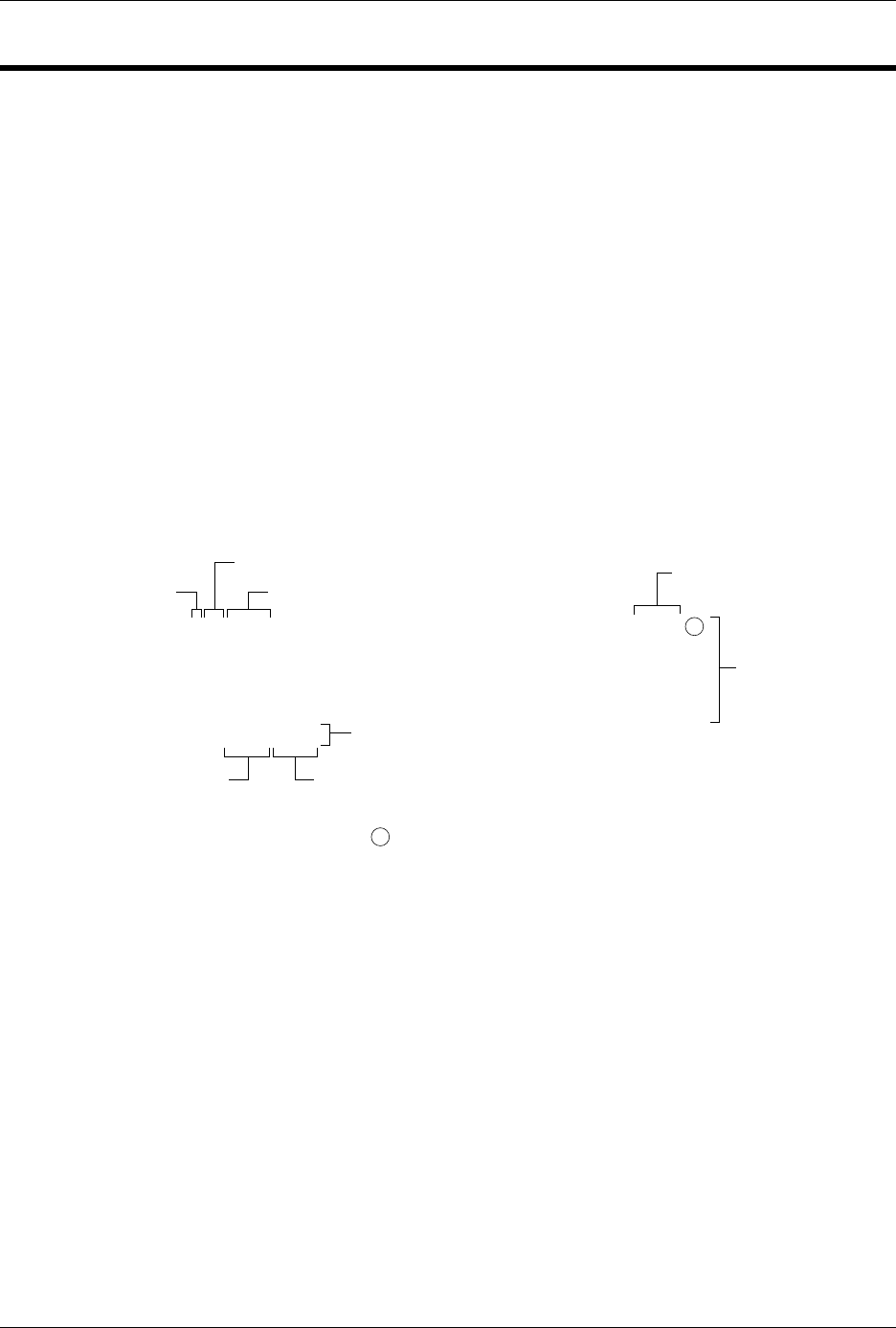
Figure B-9 shows a series of valid data records. Each data record begins
with a semicolon. The programmer will ignore all characters received
prior to the first semicolon. All other characters in a valid record must be
valid hexadecimal digits (0-9 and A-F). A 2-digit byte count follows the
start character. The byte count, expressed in hexadecimal digits, must
equal the number of data bytes in the record. The byte count is greater
than zero in the data records, and equals zero (00) in the end-of-file
record. The next 4 digits make up the address of the first data byte in the
record. Data bytes follow, each represented by 2 hexadecimal digits. The
end-of-file record consists of the semicolon start character, followed by a
00 byte count, the record count, and a checksum.
The checksum, which follows each data record, is a 2-byte binary
summation of the preceding bytes in the record (including the address
and byte count), in hexadecimal notation.
Figure B-9
An Example of MOS Technology Format
;100000FFFFFFFFFFFFFFFFFFFFFFFFFFFFFFFF1000
;100010FFFFFFFFFFFFFFFFFFFFFFFFFFFFFFFF1010
;100020FFFFFFFFFFFFFFFFFFFFFFFFFFFFFFFF1020
;100030FFFFFFFFFFFFFFFFFFFFFFFFFFFFFFFF1030
;100040FFFFFFFFFFFFFFFFFFFFFFFFFFFFFFFF1040
;0000050005
Sumcheck of record including
data, address and byte count
Data Records
End-of-File Record
Record Count Sumcheck
Start Character
Byte Count
Address Field
LEGEND
Nonprinting Carriage Return, line feed,
and nulls determined by null count
0081-2
Translation Formats
B-24 AutoSite User Manual
Motorola EXORciser Format, Code 82
Motorola EXORciser data files may begin with an optional sign-on
record, which is initiated by the start characters S0. Valid data records
start with an 8-character prefix and end with a 2-character suffix.
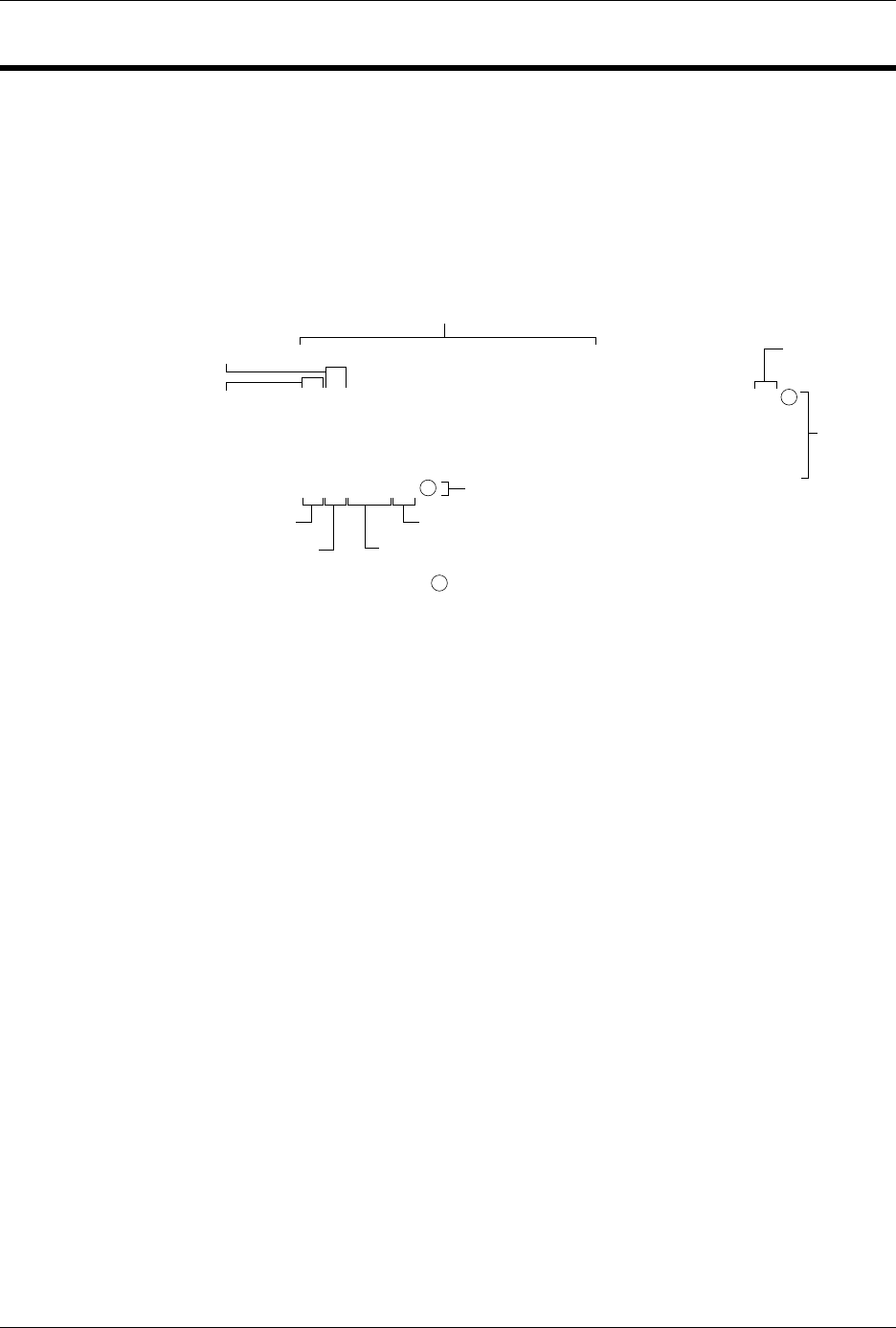
Figure B-10 shows a series of valid Motorola data records.
Each data record begins with the start characters S1. The third and fourth
characters represent the byte count, which expresses the number of data,
address, and checksum bytes in the record. The address of the first data
byte in the record is expressed by the last 4 characters of the prefix. Data
bytes follow, each represented by 2 hexadecimal characters. The number
of data bytes occurring must be three less than the byte count. The suffix
is a 2-character checksum, which equals the one's complement of the
binary summation of the byte count, address, and data bytes.
The end-of-file record consists of the start characters S9, the byte count,
the address (in hex), and a checksum. The maximum record length is 250
data bytes.
Figure B-10
An Example of Motorola EXORciser Format
S1130000FFFFFFFFFFFFFFFFFFFFFFFFFFFFFFFFFC
S00B00004441544120492F4FF3
S1130010FFFFFFFFFFFFFFFFFFFFFFFFFFFFFFFFEC
S1130020FFFFFFFFFFFFFFFFFFFFFFFFFFFFFFFFDC
S1130030FFFFFFFFFFFFFFFFFFFFFFFFFFFFFFFFCC
S1130040FFFFFFFFFFFFFFFFFFFFFFFFFFFFFFFFBC
S9030000FC
End-of-File Record
Start Character
Byte Count
Sumcheck
Address
End-of-File Record
Optional Sign-On Record
(S0 = Sign-On Characters)
Byte Count + 3
Start Character
Data
Records
Sumcheck
of record
LEGEND
Nonprinting Carriage Return, line feed,
and nulls determined by null count
0082-2
Translation Formats
AutoSite User Manual B-25
Intel Intellec 8/MDS Format, Code 83
Intel data records begin with a 9-character prefix and end with a
2-character suffix. The byte count must equal the number of data bytes in
the record.
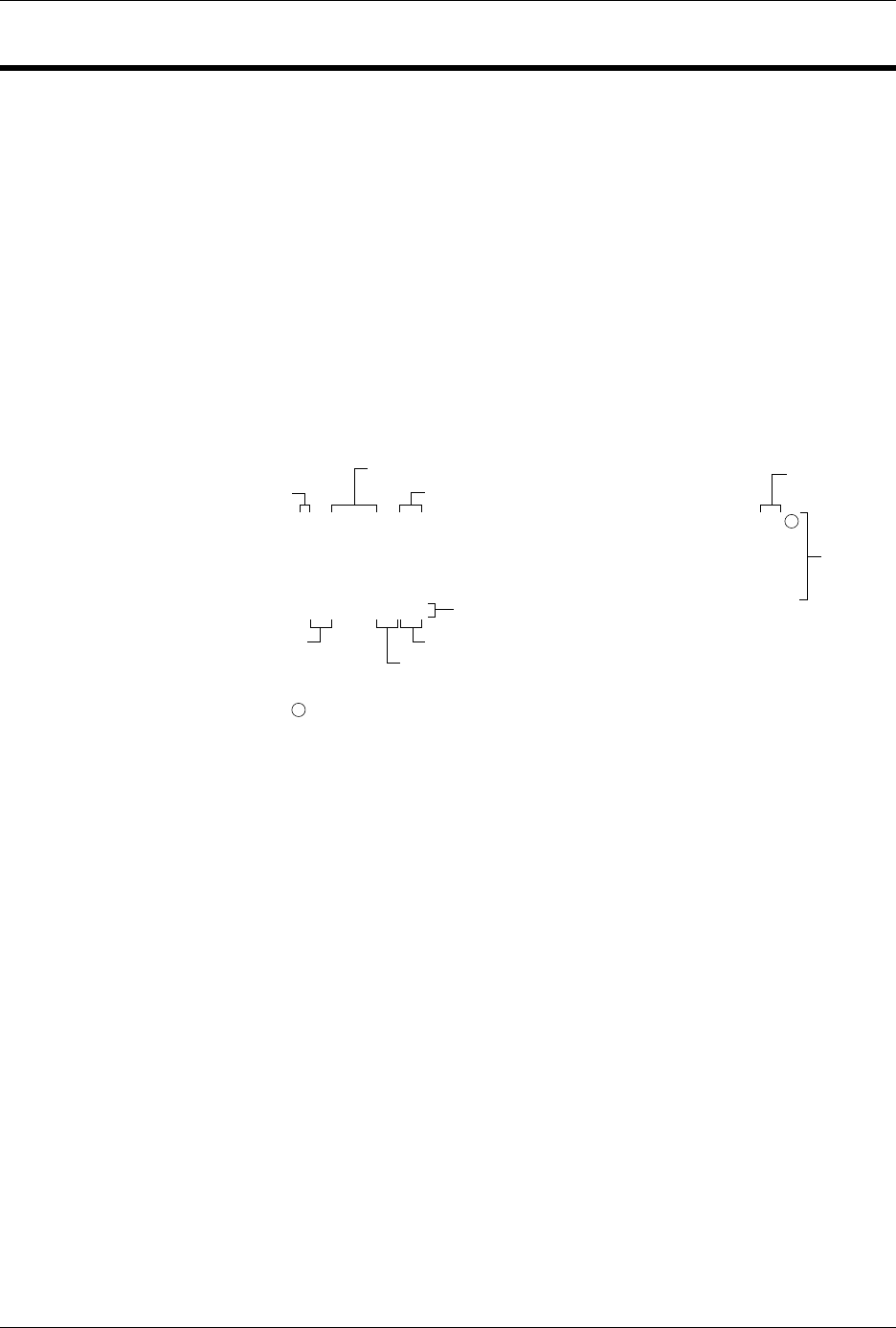
Figure B-11 simulates a series of valid data records. Each record begins
with a colon, which is followed by a 2-character byte count. The 4 digits
following the byte count give the address of the first data byte. Each data
byte is represented by 2 hexadecimal digits; the number of data bytes in
each record must equal the byte count. Following the data bytes of each
record is the checksum, the two's complement (in binary) of the
preceding bytes (including the byte count, address, record type, and data
bytes), expressed in hex.
The end-of-file record consists of the colon start character, the byte count
(equal to 00), the address, the record type (equal to 01), and the checksum
of the record.
Figure B-11
An Example of Intel Intellec 8/MDS Format
:10000000FFFFFFFFFFFFFFFFFFFFFFFFFFFFFFFF00
:10001000FFFFFFFFFFFFFFFFFFFFFFFFFFFFFFFFF0
:10002000FFFFFFFFFFFFFFFFFFFFFFFFFFFFFFFFE0
:10003000FFFFFFFFFFFFFFFFFFFFFFFFFFFFFFFFD0
:10004000FFFFFFFFFFFFFFFFFFFFFFFFFFFFFFFFC0
:00000001FF
Checksum
of record
Data
Records
Byte Count Transmission Sumcheck
Record Type
End-of-File Record
2 Hex Characters (1 Byte)
Address
Start Character
0083-3
LEGEND
Nonprinting Carriage Return, line feed, and nulls determined by null count