semi合集-English.pdf - 第2932页
SEMI E109-0305 © SEMI 2001, 2005 42 18.2.3 The “Requirement” level colu mn in the following ta ble is used to indicate whether the se rvice is a fundamental requirement, “F”, or an additional capability “A” for RPMS. Tab…
SEMI E109-0305 © SEMI 2001, 2005 41
17.3 Reticle Location State Definitions
17.3.1 RETICLE LOCATION — the superstate of UNOCCUPIED and OCCUPIED.
17.3.2 UNOCCUPIED — the state in which the reticle location does not hold or have a reticle.
17.3.3 OCCUPIED — the state in which the reticle location holds a reticle.
17.4 Substrate Location State Transition
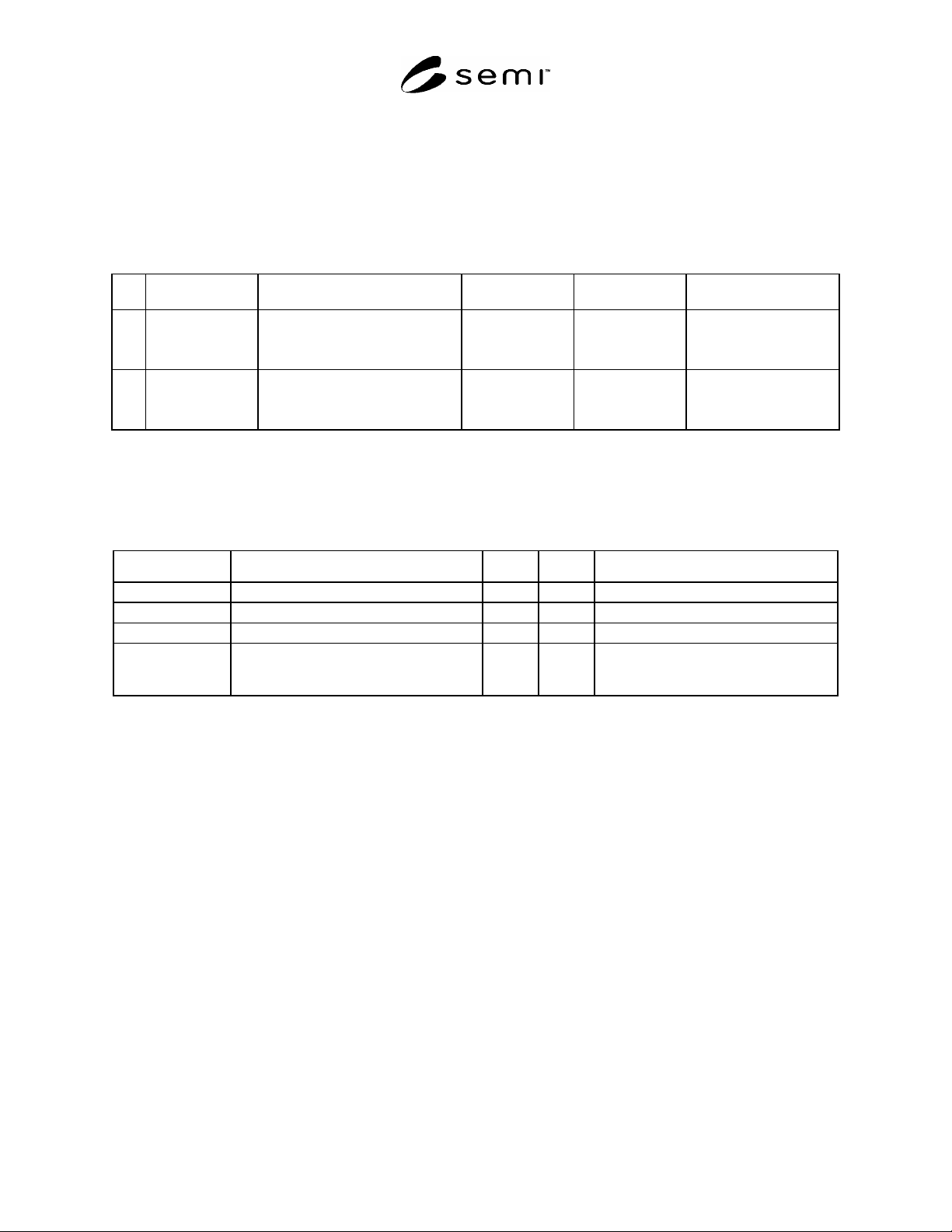
Table 19 Reticle Location State Model Transition Table
# Current State Trigger New State Action Comment
1 UNOCCUPIED Reticle moves onto the substrate
location.
OCCUPIED None. Data required to be
available for this event:
ReticleID
2 OCCUPIED Reticle moves off the location. UNOCCUPIED Update reticle
tracking history.
Data required to be
available for this event:
ReticleID
17.5 Reticle Location Object Attributes
17.5.1 Table 20 defines attributes for Reticle location objects. These attributes can be accessed by using GetAttr
and SetAttr messages as defined in SEMI E39 (OSS).
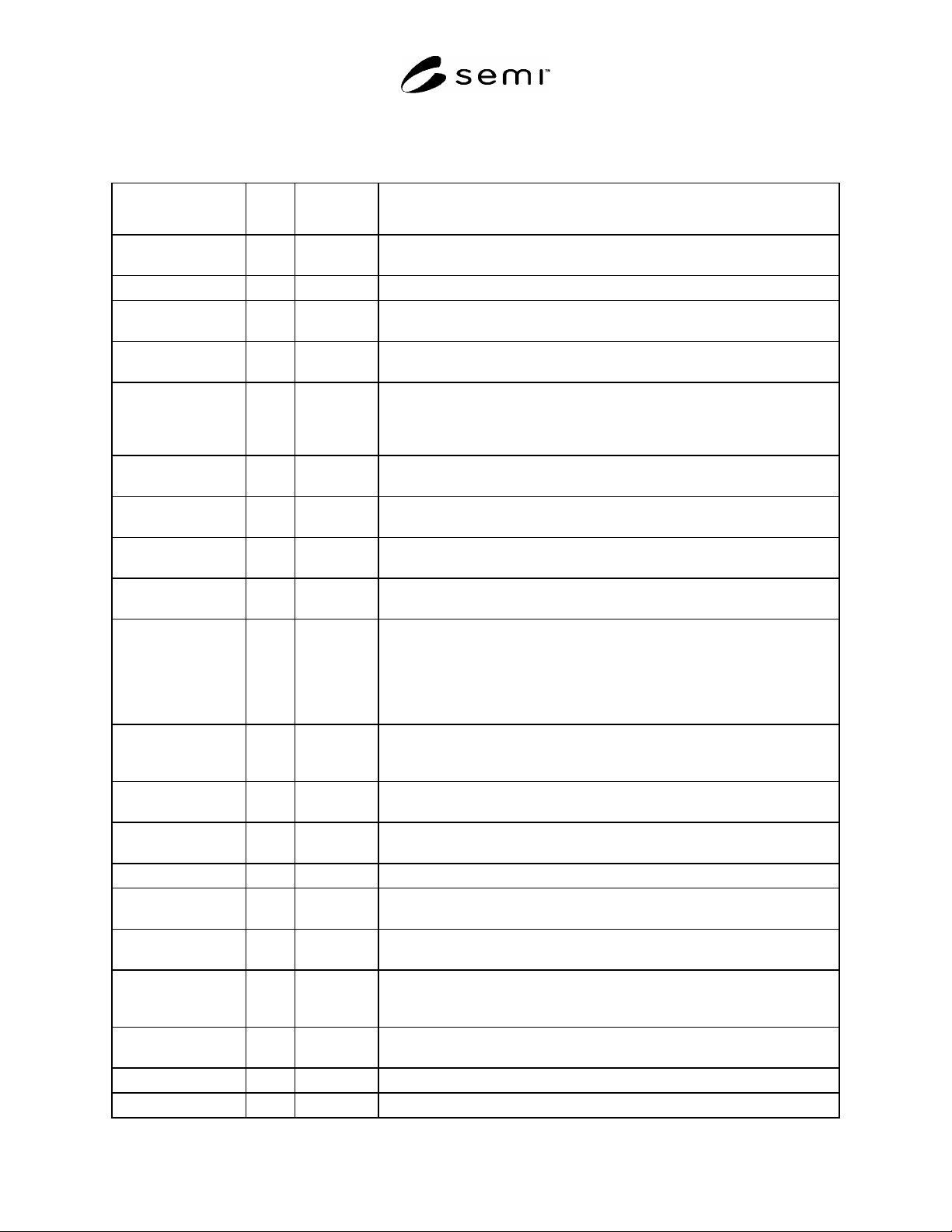
Table 20 Reticle Location Object Attribute Table
Attribute Name Definition Access Reqmt Format
ObjID Object Identifier RO Y Text equal to the Reticle Location ID
ObjType Object type RO Y Text = “ReticleLoc”
ReticleID Reticle IDentifier relevant to the location RO Y Text
ReticleLocation-
State
Reticle Location state RO Y Enumerated:
UNOCCUPIED
OCCUPIED
18 Services
18.1 The purpose of this section is to define the message services required to support Reticle Management
functionality.
18.1.1 This message service definition has four parts:
A service description table.
A service parameter table.
A service parameter value table that specifies the type and range of the parameters.
A service state mapping table that defines the states in which each service is valid.
18.2 Service Message Description
18.2.1 There are two types of services:
An initial message and response between the service user and the service provider.
A notification message from the service provider to the service user that does not require a response.
18.2.2 The “TYPE” column in the following table is used to indicate whether the service consists of a
request/response message pair, “R”, or a single notification message, “N”.
SEMI E109-0305 © SEMI 2001, 2005 42
18.2.3 The “Requirement” level column in the following table is used to indicate whether the service is a
fundamental requirement, “F”, or an additional capability “A” for RPMS.
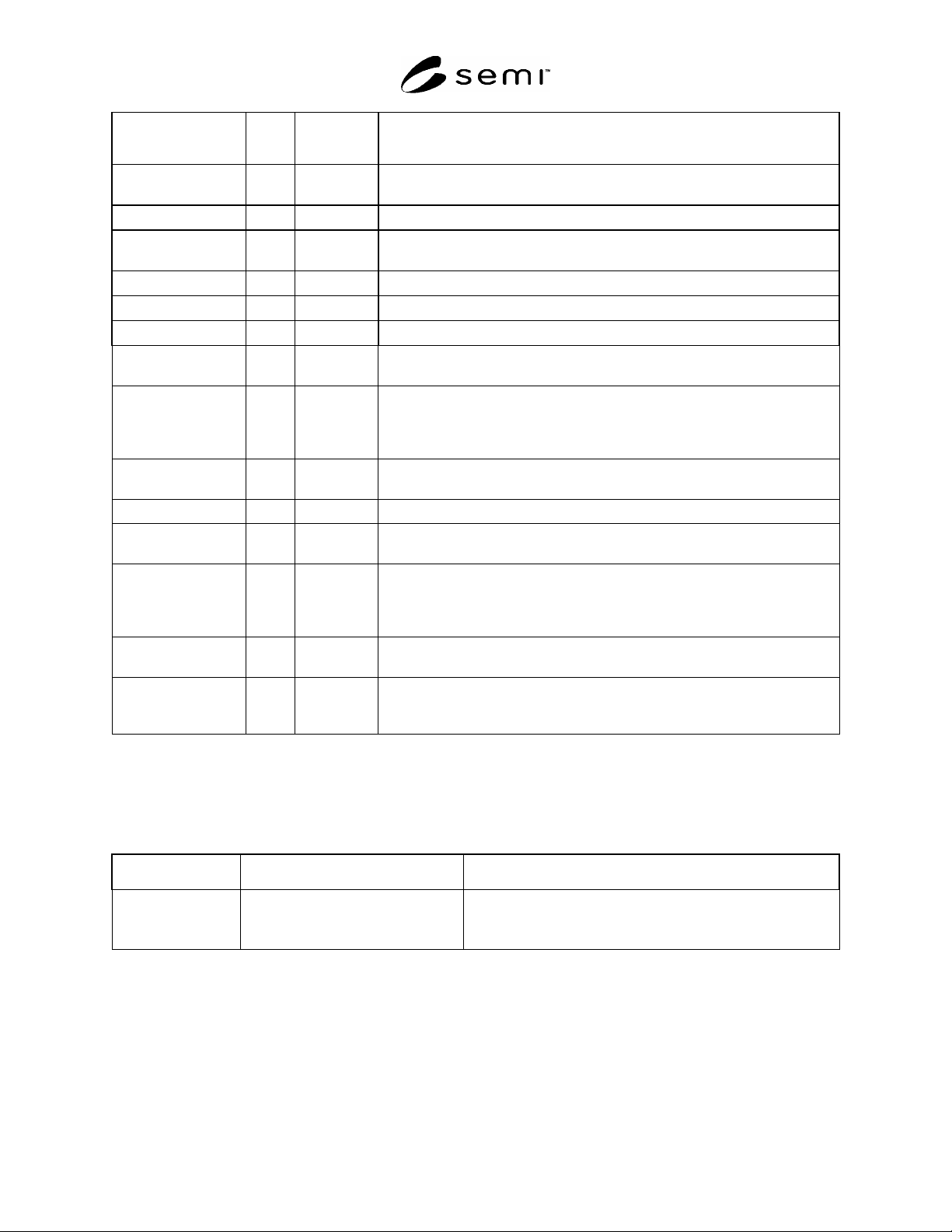
Table 21 Service Message Description
Service Name Type Requirement
level
Description
Bind R F This service shall associate a PodID to a load port and shall cause the load port
to transition to the RESERVED state.
CancelAllPodOut R A This service shall cause all PodOut services to be removed from the queue.
CancelBind R F This service cancels a PodID to load port association and shall cause the load
port to transition to the NOT RESERVED state.
CancelMoveReticle R A This service cancels a prior MoveReticle service provided that MoveReticle
service has not been started.
CancelPod R F This service shall Cancel the current pod related action, and the production
equipment shall return the pod to the unload position of the load port, or an
internal buffer position, depending on the pod’s position in the production
equipment.
CancelPodAtPort R F This service shall Cancel the current pod related action, and the production
equipment shall return the pod to the unload position of the load port.
CancelPodNotificatio
n
R F This service shall cause the equipment to destroy a pod object instantiated
through a prior PodNotification.
CancelPodOut R A This service shall cause a specified PodOut service to be removed from the
queue by the production equipment.
CancelReservation-
AtPort
R F This service shall cause the equipment to remove the reservation at the specified
Port and to deactivate the visible signal.
CancelReticle-
TransferJob
R A The service cancels a reticle PodID to load port associations and shall cause the
load port to transition to the NOT RESERVED state. Also it shall cause the
equipment to refrain from removing the reticles from the reticle pod specified in
a previous ReticleTransferJob service. Finally it shall cause the equipment to
refrain from removing the reticles from the equipment specified in the same
previous ReticleTransferJob service.
ChangeAccess R F This service shall change the access mode of the specified Ports at the
production equipment. If a load port is dedicated to either Automated delivery
or Manual delivery, the access mode cannot be changed.
ChangeServiceStatus R F This service shall change the transfer status of a specified load port at the
production equipment.
Clamp R A This service shall cause the equipment to engage any clamping mechanisms that
are independent of opening the pod.
ClosePod R A This service shall cause the equipment to close the pod.
IndexDown R A This service shall cause the equipment to index the cassette down when it is safe
for equipment, operators, and reticles to do so.
IndexUp R A This service shall cause the equipment to index the cassette up when it is safe for
equipment, operators, and reticles to do so.
MoveReticle R A This service shall cause the equipment to move a reticle from one position to
another either internal to internal, internal to external, external to internal, or
external to external.
OktoUseReticle R F This service shall change the RETICLE AT EQUIPMENT status of the specified
reticle to QUALIFIED.
OpenPod R A This service shall cause the equipment to open the pod.
PodComplete R F This service shall change the reticle pod accessing status to COMPLETE.
SEMI E109-0305 © SEMI 2001, 2005 43
Service Name Type Requirement
level
Description
PodIn R A This service shall cause a pod to be moved from a load port to an internal buffer
location. Used in anomaly situations.
PodNotification R F This service shall cause the equipment to instantiate a pod object.
PodOut R A This service shall cause a pod to be moved from the internal buffer to a load
port. This service can be queued by the production equipment.
PodRelease R A Release the pod from Pod Hold.
PodTagReadData R A Read data from PodID tag.
PodTagWriteData R A Write data to the PodID tag.
ProceedWithPod R F This service shall instruct the production equipment to proceed with using the
specified pod.
ProceedWithReticle R F This service is used to change the state of the reticle from RETICLE ID
VERIFICATION to PARTICLE INSPECTION when particle inspection is
required and from RETICLE ID VERIFICATION to QUALIFIED when particle
inspection is not required
#1
.
RejectReticle R F This service shall cause the equipment to change the RETICLE AT
EQUIPMENT state to REJECTED.
Re-qualifyReticle R A This service shall cause the equipment to reinspect the reticle.
ReserveAtPort R F This service shall cause the equipment to reserve the specified Port and activate
a visible signal. This service is a possible transfer boundary.
ReticleTransferJob R A This service shall associate a PodID to a load port and shall cause the load port
to transition to the RESERVED state. It will also cause the equipment to begin
removal, identification, and qualification of specific reticles in the pod as well as
placement of specific reticles into the pod upon pod arrival and verification.
SetQualification-
IntervalTime
R A This service shall set the maximum interval time between reticle inspections.
Unclamp R A This service This service shall cause the equipment to release any clamping
mechanisms that prevent removal of the pod. The pod must be closed prior to
execution of this service.
#1
Normally this transition would be from the substate of RETICLE ID VERIFICATION, RETICLE WAITING FOR HOST.
18.3 Service Message Parameter Definition
18.3.1 The following is a list of required parameters used in conjunction with service messages.
Table 22 Service Message Parameter Definition
Parameter Name Form Description
AccessMode Enumerated
AUTO,
MANUAL.
The desired access mode of the ports specified.