semi合集-English.pdf - 第897页
SEMI E116.1-1104 © SEMI 2003, 2004 3 “PreviousTaskType” 51 (U1) PreviousTaskType where the values are enumerated as: 0 = No Task 1 = Unspecified 2 = Process -- adding value (e.g., exposing) 3 = Support -- incapable of ad…
SEMI E116.1-1104 © SEMI 2003, 2004 2
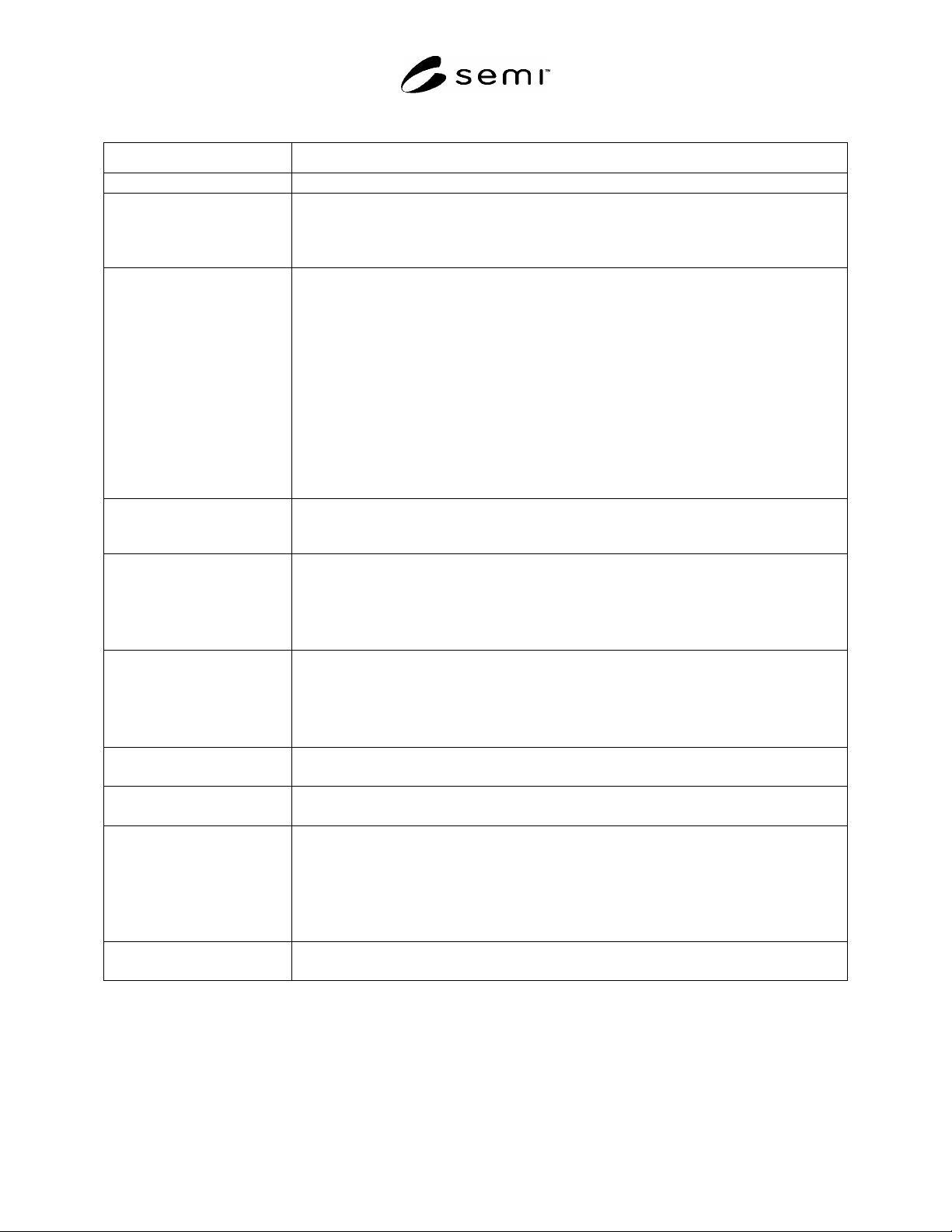
Table 1 EPTTracker Object SECS-II Attributes Definitions
Attribute Name Attribute Data Form: SECS-II Structure
“ObjType” 20 (A[10]) must always be set to “EPTTracker”
“ObjID” 20 (A[1..80]) <OBJECTIDENTIFIER>
ObjID is equipment defined. Examples are “EQUIPMENT”, “CHAMBER A”, “ROBOT
ARM”.
Conforms to the restrictions of ObjID as specified in SEMI E39.1
“BlockedReason” 51 (U1) BlockedReason
where the values are enumerated as:
0 = Not Blocked
1 = Unknown
2 = Safety Threshold
3 = Error Condition
4 = Parametric Exception
5 = Aborting, Aborted
6 = Pausing, Paused
7 = Reserved
8 = Reserved
9 = Reserved
“BlockedReasonText” 20 (A) BlockedReasonText
Usage is equipment defined. Examples: “Abort – Host-requested Abort”, “Fault – Reticle
Stage Error”; “Pause – Host-requested Pause”
“EPTElementType” 51 (U1) EPTElementType
where the values are enumerated as:
0 = Equipment
1 = Production EPT Module
2 = EFEM/Load Port EPT Module
“EPTState” 51 (U1) EPTState
where the values are enumerated as:
0 = Idle
1 = Busy
2 = Blocked
“EPTStateTime” 54 (U4) EPTStateTime
“EPTElementName” 20 (A) EPTElementName
Usage is equipment defined. Examples “EQUIPMENT”, “CHAMBER A”, “ROBOT ARM”.
“PreviousEPTState” 51 (U1) PreviousEPTState
where the values are enumerated as:
0 = Idle
1 = Busy
2 = Blocked
3 = No State
“PreviousTaskName” 20 (A[0..80]) PreviousTaskName
Usage is equipment defined. Examples: “Loading”, “Etching”, “Pumping Down”
SEMI E116.1-1104 © SEMI 2003, 2004 3
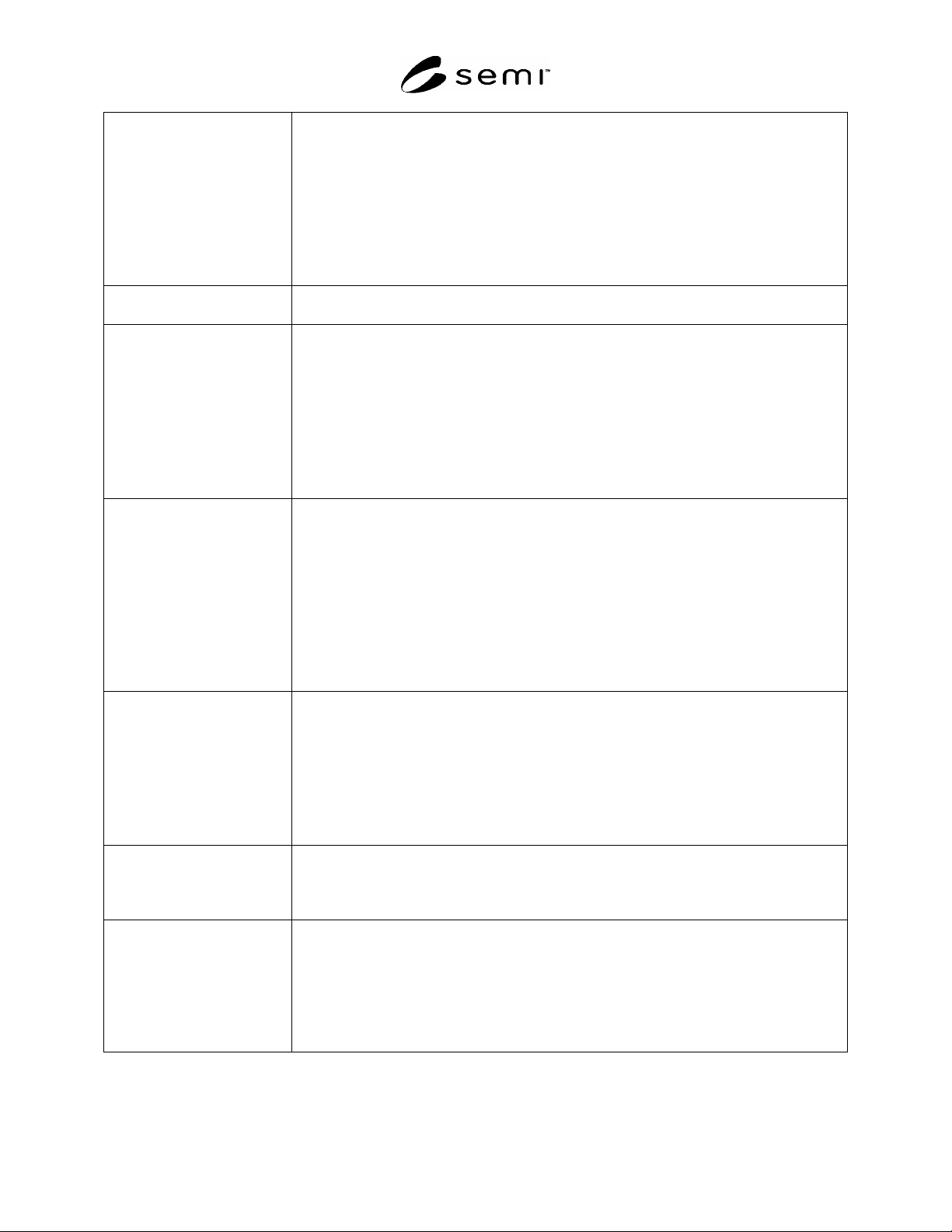
“PreviousTaskType” 51 (U1) PreviousTaskType
where the values are enumerated as:
0 = No Task
1 = Unspecified
2 = Process -- adding value (e.g., exposing)
3 = Support -- incapable of adding value (e.g., Handling/Transport)
4 = Equipment Maintenance (e.g., Equipment-initiated clean cycle)
5 = Equipment Diagnostics (e.g., Equipment-initiated health check)
6 = Waiting (e.g., chamber waiting for a robot to remove a substrate)
“TaskName” 20 (A[0..80]) TaskName
Usage is equipment defined. Examples: “Loading”, “Etching”, “Pumping Down”
“TaskType” 51 (U1) TaskType
where the values are enumerated as:
0 = No Task
1 = Unspecified
2 = Process -- adding value (e.g., exposing)
3 = Support -- incapable of adding value (e.g., Handling/Transport)
4 = Equipment Maintenance (e.g., Equipment-initiated clean cycle)
5 = Equipment Diagnostics (e.g., Equipment-initiated health check)
6 = Waiting) e.g., chamber waiting for a robot to remove a substrate)
“TransitionTimeStamp” 20 (A[16])
YYYYMMDDhhmmsscc
YYYY=Year 0000 to 9999
MM=Month 01 to 12
DD=Day 01 to 31
hh=Hour 00 to 23
mm=Minute 00 to 59
ss=Second 00 to 59
cc= Centisecond 00 to 99
“Transition” 51 (U1) Transition
where the values are enumerated as:
1 = Transition 1
2 = Transition 2
.
.
.
9 = Transition 9
“TrackerEventID” 54 (U4) TrackerEventID
where:
This is identical to EPTStateChangeEvent
i
corresponding to this object (see the Events
Mapping section in this document)
“DisableEventOnTransition” L,n
1. 51 (U1) <Transition Number>
2. 51 (U1) <Transition Number>
…
n. 51 (U1) <Transition Number>
where the elements of this list are can only have values in the range 1..9, in order, with no
repeats. This list may be empty.
SEMI E116.1-1104 © SEMI 2003, 2004 4
5 Events Mapping
5.1 Table 2 shows the specific SECS-II streams and functions that shall be used for SECS-II implementations of the
events defined in EPT. A single collection event is generated for each of the equipment and the modules to report
transitions occurring within the state model. This approach differs from state models that are defined in other 300
mm-related SEMI standards, which utilize a unique CEID for each transition in the state model. For example, a
piece of equipment with 3 EPT modules would have 4 associated CEIDs. The CEID indexed 0 would report
equipment-level events and 3 CEIDs corresponding to the equipment’s 3 EPT modules indexed 1…3 would report
EPT module-level events.
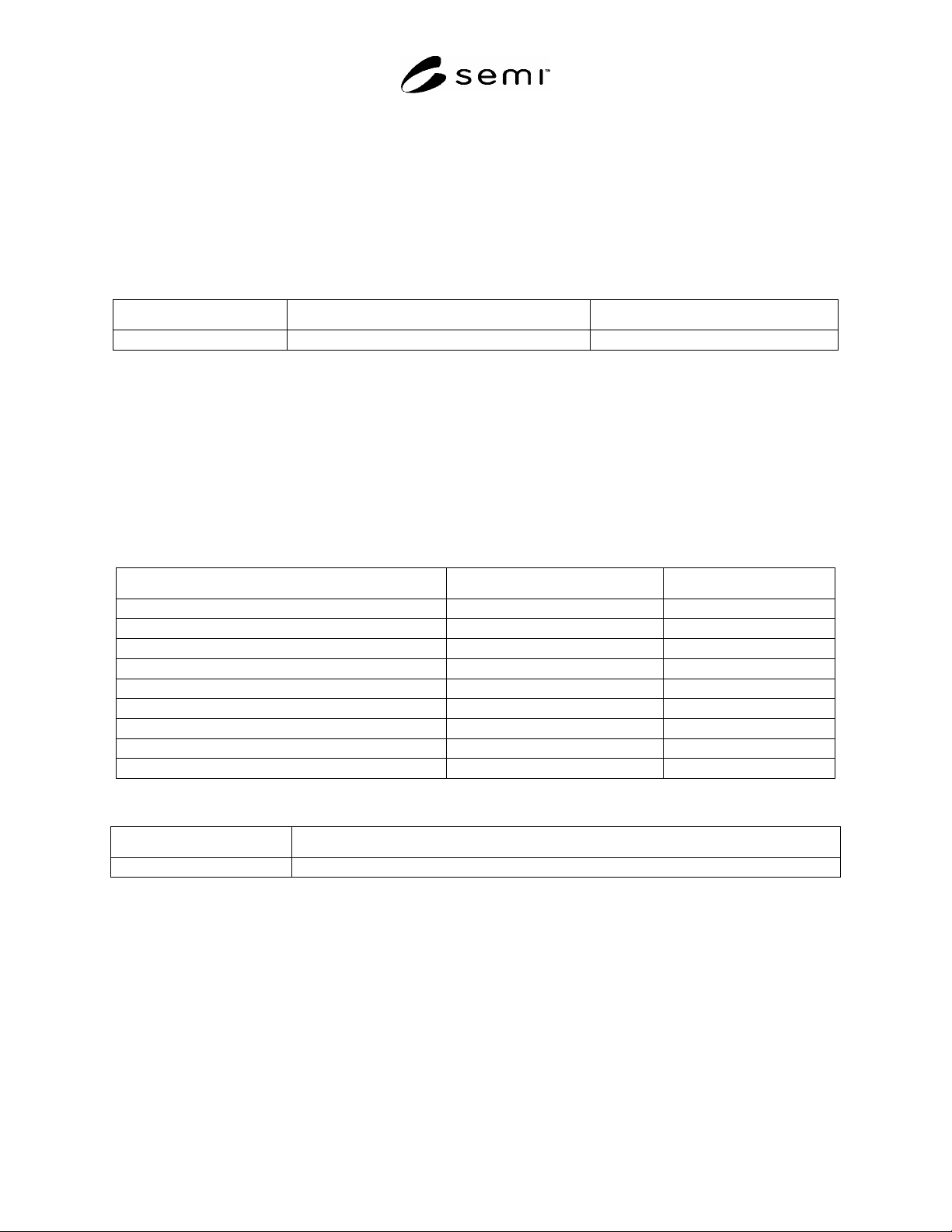
Table 2 Event Mapping Table
Event Name Stream, Function SECS-II Message Name
EPTStateChangeEvent
i
S6F11/F12 Event Report Send/Acknowledge
6 Variable Data Item Mapping
6.1 Table 3 shows the specific SECS-II data classes, and formats needed for SECS-II implementations of SEMI
E116 EPT variable data items. The data variables must be updated as specified in the E116 standard when a
transition occurs in the state-model for any of the EPTTracker objects implemented on the equipment. The Variable
Names below match the object Attribute Names from which the variables are to be updated (see the section on EPT
Tracker Object SECS-II Attribute Definitions)
These variables are tied to the occurrence of transitions in the state model and are not impacted by the
DisableEventOnTransition attribute in the EPTTracker object.
Table 3 Event Variable Data Item Mapping Table
Variable Name Class Format
EPTState DVVAL 51 (U1)
PreviousEPTState DVVAL 51 (U1)
EPTStateTime DVVAL 54 (U4)
TaskName DVVAL 20 (A[0..80])
TaskType DVVAL 51 (U1)
PreviousTaskName DVVAL 20 (A[0..80])
PreviousTaskType DVVAL 51 (U1)
BlockedReason DVVAL 51 (U1)
BlockedReasonText DVVAL 20 (A)
Table 4 Additional Data Item Mapping Table
Variable Name SECS-II Data Item
Clock CLOCK
NOTICE: SEMI makes no warranties or representations as to the suitability of the standards set forth herein for any
particular application. The determination of the suitability of the standard is solely the responsibility of the user.
Users are cautioned to refer to manufacturer's instructions, product labels, product data sheets, and other relevant
literature, respecting any materials or equipment mentioned herein. These standards are subject to change without
notice.
By publication of this standard, Semiconductor Equipment and Materials International (SEMI) takes no position
respecting the validity of any patent rights or copyrights asserted in connection with any items mentioned in this
standard. Users of this standard are expressly advised that determination of any such patent rights or copyrights, and
the risk of infringement of such rights are entirely their own responsibility.
Copyright by SEMI® (Semiconductor Equipment and Materials
International), 3081 Zanker Road, San Jose, CA 95134. Reproduction of
the contents in whole or in part is forbidden without express written
consent of SEMI.