MIL- STD-883F 2004 TEST METHOD STANDARD MICROCIRCUITS.pdf - 第148页
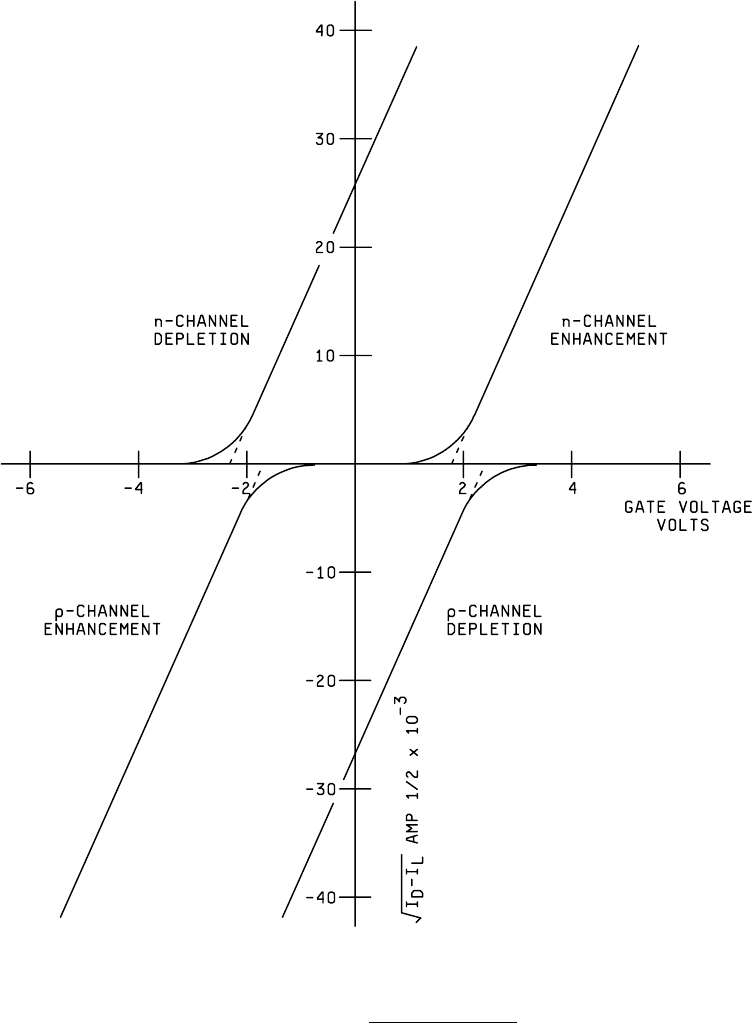
MIL-STD-883F METHOD 1022 4 November 1980 4 FIGURE 1022-3. Examples of cur ves .
MIL-STD-883F
METHOD 1022
4 November 1980
3
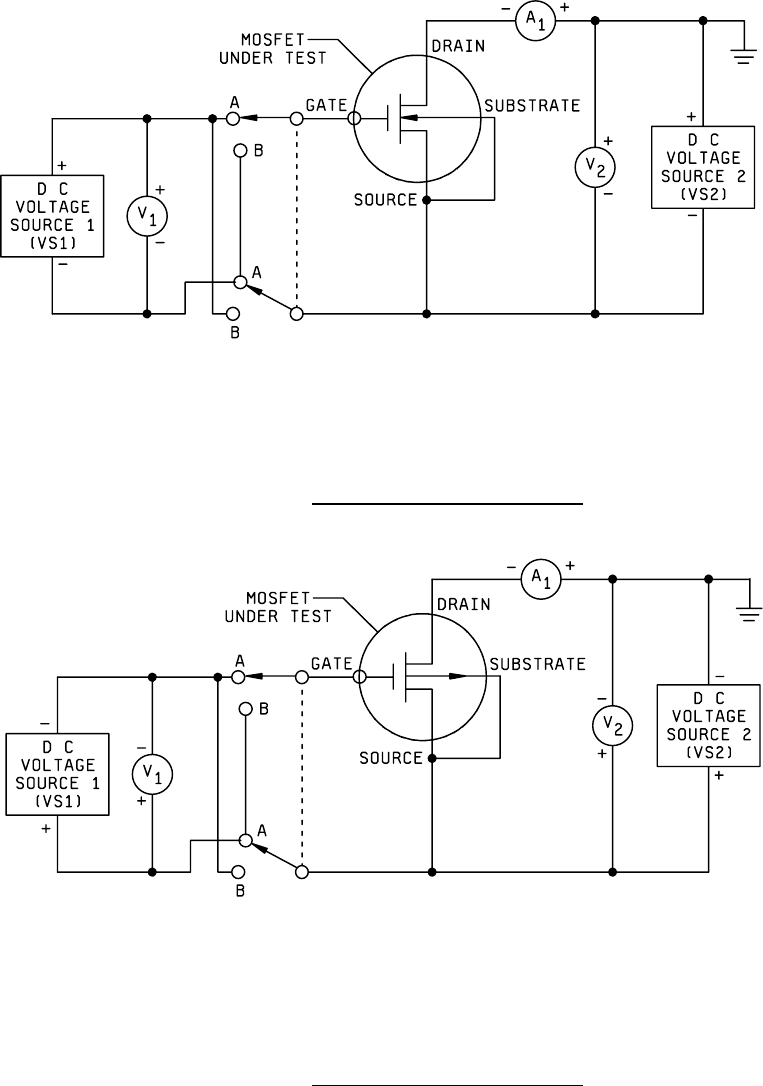
NOTES: Gate polarity switch set at A for enhancement mode, B for depletion mode.
FIGURE 1022-1. Test circuit for n-channel MOSFETs
.
NOTE: Gate polarity switch set at A for enhancement mode, B for depletion mode.
FIGURE 1022-2. Test circuit for p-channel MOSFETs
.
MIL-STD-883F
METHOD 1022
4 November 1980
4
FIGURE 1022-3. Examples of curves
.

MIL-STD-883F
METHOD 1023.2
19 August 1994
1
METHOD 1023.2
Dose Rate Response and Threshold for Upset
of Linear Microcircuits
1. PURPOSE
. This test procedure defines the requirements for measuring the dose rate response and upset threshold
of packaged devices containing analog functions when exposed to radiation from a flash X-ray source or from a linear
accelerator. This procedure addresses the measurement of dose rate response characteristics of a linear circuit, excluding
latchup which is addressed in MIL-STD-883 Test Method 1020.
1.1 Definitions
. The following are the definitions of terms used in this method:
a. Dose rate response
. The transient changes which occur in the operating parameters or in the output signal of an
operating linear microcircuit when exposed to a pulse of ionizing radiation.
b. Dose rate
. Energy absorbed per unit time and per unit mass by a given material from the radiation field to which it
is exposed. Units are specified in Gray (Gy) per second (s) in the material of interest, e.g., Gy(Si)/s, Gy(SiO
2
)/s,
Gy(GaAs)/s, etc.
c. Dose rate induced upset
. An upset has occurred when the radiation induced transient change in a specified
parameter (e.g., in output voltage, supply current, output signal waveform) exceeds a predetermined level.
d. Upset threshold
. The upset threshold is the minimum dose rate at which the device upsets. However, the
reported measured upset threshold shall be the maximum dose rate at which the device does not upset and which
the transient disturbance of the output waveform and/or supply current remains within the specified limits.
1.2 Test plan
. Prior to dose rate testing, a test plan shall be prepared which describes the radiation source, the
dosimetry techniques, test equipment, the device to be tested, test conditions, and any unique testing considerations. A
detailed procedure for each device type to be tested shall be prepared, either as part of the test plan, or in separate test
procedure documents. The procedure shall include bias conditions, test sequence, schematics of the test setup and specific
functions to be tested. The test plan shall be approved by the acquiring activity, and as a minimum, the items listed below
shall be provided in the test plan or procedure:
a. Device types, including package types, manufacturer, date codes, and quantities to be tested.
b. Traceability requirements, such as requirements for serialization, wafer or lot traceability, etc.
c. Requirements for data reporting and submission.
d. Block diagram or schematic representation of test set up.
e. List of equipment used in the testing and calibration compliance requirements as required.
f. Test conditions, e.g., bias voltage, temperature, etc.
g. Electrical parameters to be monitored and device operating conditions, including functional test requirements
before, during and after the radiation pulse. Test patterns to be used for devices with storage elements, or
devices with input pattern sensitivity shall also be specified.
h. Group A electrical test requirements for pre- and post-dose rate testing, when applicable, to include test limits and
failure criteria.
i. Radiation test parameters such as pulse width(s), radiation dose(s) per pulse and dose rate range(s).
j. Total ionizing dose limit acceptable for each device type.
k. Upset and failure criteria, e.g., effective number of bits (ENOB) or missing codes in analog to digital converters
(ADCs), delta VOH or Vref, time to recovery, output waveform distortion in shape or frequency, etc.