MIL- STD-883F 2004 TEST METHOD STANDARD MICROCIRCUITS.pdf - 第25页
MIL-STD-883F MET HOD 1001 1 May 1968 1 METHOD 1001 BAROMETRIC PRESSURE, REDUCED (ALTI TUDE OPERATION) 1. PURPOSE . The baromet ric -pres sure t est i s perf ormed under c onditi ons si mulati ng the low atmos pheric pres…
MIL-STD-883F
18
This page intentionally left blank
MIL-STD-883F
METHOD 1001
1 May 1968
1
METHOD 1001
BAROMETRIC PRESSURE, REDUCED (ALTITUDE OPERATION)
1. PURPOSE
. The barometric-pressure test is performed under conditions simulating the low atmospheric pressure
encountered in the nonpressurized portions of aircraft and other vehicles in high-altitude flight. This test is intended primarily
to determine the ability of component parts and materials to avoid voltage breakdown failures due to the reduced dielectric
strength of air and other insulating materials at reduced pressures. Even when low pressures do not produce complete
electrical breakdown, corona and its undesirable effects, including losses and ionization are intensified. The simulated
high-altitude conditions of this test can also be employed to investigate the influence on components' operating
characteristics, of other effects of reduced pressure, including changes in dielectric constants of materials, and decreased
ability of thinner air to transfer heat away from heat-producing components.
2. APPARATUS
. The apparatus used for the barometric-pressure test shall consist of a vacuum pump and a suitable
sealed chamber having means for visual observation of the specimen under test when necessary, a suitable pressure
indicator to measure the simulated altitude in feet in the sealed chamber, and a microammeter or oscilloscope capable of
detecting current over the range from dc to 30 megahertz.
3. PROCEDURE
. The specimens shall be mounted in the test chamber as specified and the pressure reduced to the
value indicated in one of the following test conditions, as specified. While the specimens are maintained at the specified
pressure, the specimens shall be subjected to the specified tests. During this test and for a period of 20 minutes before, the
test temperature shall be 25°C ±10°C. The device shall have the specified voltage applied and shall be monitored over the
range from atmospheric pressure to the specified minimum pressure and return for any device malfunctions. A device which
exhibits arc-overs, harmful coronas, or any other defect or deterioration which may interfere with the operation of the device
shall be considered a failure.
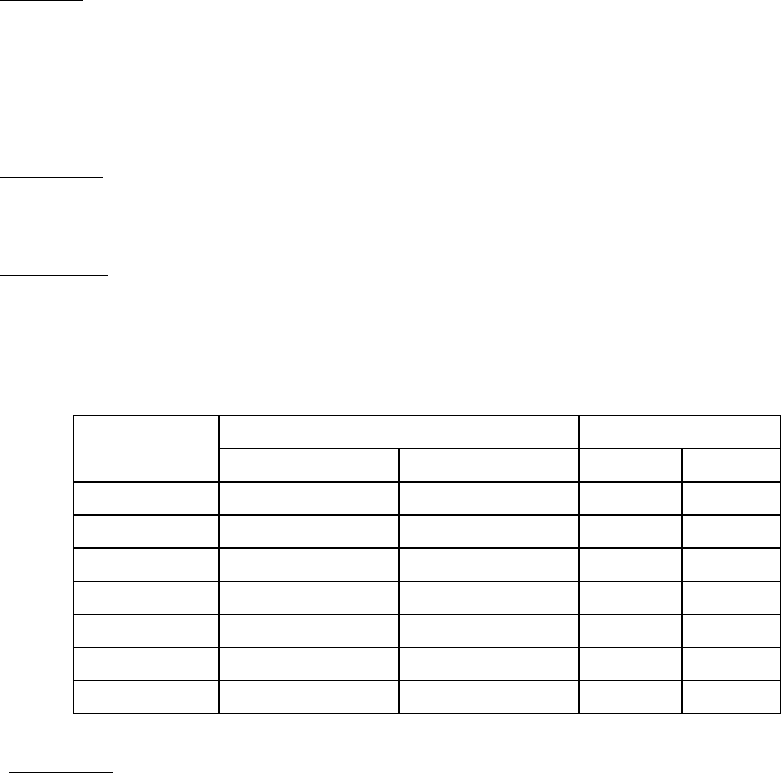
Test condition Pressure, maximum Altitude
Inches of mercury mm of mercury Feet Meters
A 17.3 439.00 15,000
4,572
B 8.88 226.00 30,000
9,144
C 3.44 87.00 50,000
15,240
D 1.31 33.00 70,000
21,336
E 0.315 8.00 100,000
30,480
F 0.043 1.09 150,000
45,720
G 9.436 x 10
-8
2.40 x 10
-6
656,000
200,000
3.1 Measurement
. The device shall be connected for measurement and have the specified voltages applied during the
entire pump-down cycle. The terminals to which the maximum voltage (see 4c.) is applied shall be monitored with a
microammeter or oscilloscope for corona currents in the range from dc to 30 megahertz. Provision shall be made for
calibrating the current flow in the test circuit minus the device under the applicable test condition to insure that test readings
are characteristic of the device under test.

MIL-STD-883F
METHOD 1001
1 May 1968
2
4. SUMMARY
. The following details must be specified in the applicable acquisition document:
a. Method of mounting (see 3).
b. Test condition letter (see 3). Unless otherwise specified, condition E shall be used.
c. Tests during subjection to reduced pressure (see 3). Unless otherwise specified, the device shall be subjected to
the maximum voltage it would be subjected to under rated operating conditions.
d. Tests after subjection to reduced pressure, if applicable (see 3). Unless otherwise specified, the device shall be
subjected to full electrical tests of specified device characteristics or parameters.
e. Exposure time prior to measurement, if applicable (see 3)