MIL- STD-883F 2004 TEST METHOD STANDARD MICROCIRCUITS.pdf - 第27页
MIL-STD-883F MET HOD 1002 1 May 1968 1 METHOD 1002 IMMERSION 1. PURPOSE . This test is per formed t o determi ne the effec tivenes s of t he seal of micr oelect ronic devices . The immers ion of t he part under evaluatio…

MIL-STD-883F
METHOD 1001
1 May 1968
2
4. SUMMARY
. The following details must be specified in the applicable acquisition document:
a. Method of mounting (see 3).
b. Test condition letter (see 3). Unless otherwise specified, condition E shall be used.
c. Tests during subjection to reduced pressure (see 3). Unless otherwise specified, the device shall be subjected to
the maximum voltage it would be subjected to under rated operating conditions.
d. Tests after subjection to reduced pressure, if applicable (see 3). Unless otherwise specified, the device shall be
subjected to full electrical tests of specified device characteristics or parameters.
e. Exposure time prior to measurement, if applicable (see 3)
MIL-STD-883F
METHOD 1002
1 May 1968
1
METHOD 1002
IMMERSION
1. PURPOSE
. This test is performed to determine the effectiveness of the seal of microelectronic devices. The
immersion of the part under evaluation into liquid at widely different temperatures subjects it to thermal and mechanical
stresses which will readily detect a defective terminal assembly, or a partially closed seam or molded enclosure. Defects of
these types can result from faulty construction or from mechanical damage such as might be produced during physical or
environmental tests. The immersion test is generally performed immediately following such tests because it will tend to
aggravate any incipient defects in seals, seams, and bushings which might otherwise escape notice. This test is essentially
a laboratory test condition, and the procedure is intended only as a measurement of the effectiveness of the seal following
this test. The choice of fresh or salt water as a test liquid is dependent on the nature of the component part under test.
When electrical measurements are made after immersion cycling to obtain evidence of leakage through seals, the use of a
salt solution instead of fresh water will facilitate detection of moisture penetration. This test provides a simple and ready
means of detection of the migration of liquids. Effects noted can include lowered insulation resistance, corrosion of internal
parts, and appearance of salt crystals. The test described is not intended as a thermal- shock or corrosion test, although it
may incidentally reveal inadequacies in these respects. This is a destructive test and shall not be used as a 100 percent
test or screen.
2. APPARATUS
. The apparatus used for the immersion test shall consist of controlled temperature baths capable of
maintaining the temperatures indicated for the hot bath and the cold bath test condition selected. A suitable temperature
indicator shall be used to measure bath temperature.
3. PROCEDURE
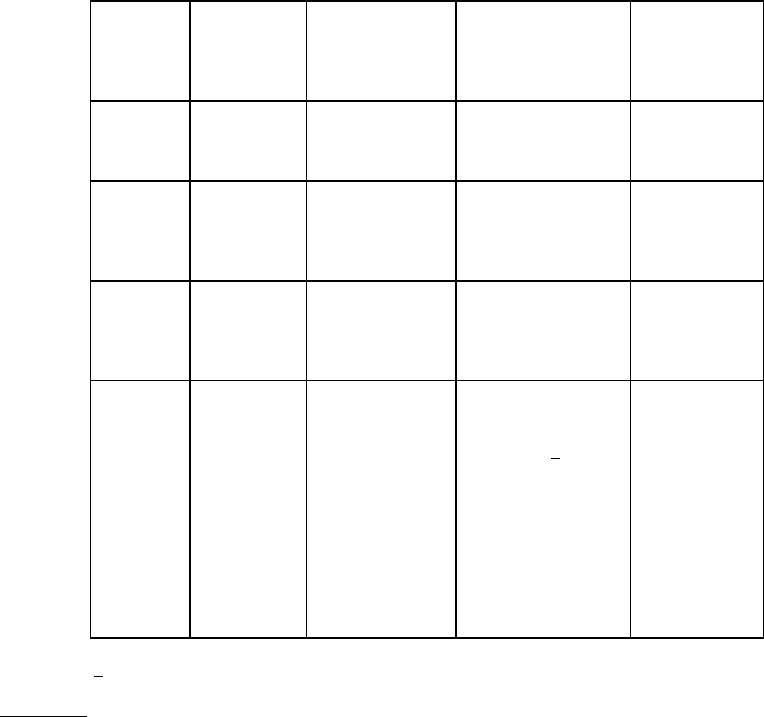
. This test consists of successive cycles of immersions, each cycle consisting of immersion in a hot
bath of fresh (tap) water at a temperature of 65°C +5°C, -0°C followed by immersion in a cold bath. The number of cycles,
duration of each immersion, and the nature and temperature of the cold bath shall be as indicated in the applicable test
condition listed below, as specified. The transfer of specimens from one bath to another shall be accomplished as rapidly as
practicable and in no case shall transfer time exceed 15 seconds. After completion of the final cycle, specimens shall be
thoroughly and quickly washed in fresh (tap) water or distilled water and all surfaces wiped or air-blasted clean and dry.
Unless otherwise specified, measurements shall be made at least 4 hours, but not more than 48 hours, after completion of
the final cycle. When specified in the applicable acquisition document, upon completion of the electrical measurements and
external visual examination, the device shall be delidded or dissected and examined in accordance with method 2013 for
evidence of corrosion of internal elements or the appearance of salt crystals. Where this test is performed as part of a
group or subgroup of tests, the post-test measurements or inspections need not be performed specifically at the conclusion
of this test, but may be performed once at the conclusion of the group or subgroup.
MIL-STD-883F
METHOD 1002
1 May 1968
2
Test
condition
Number of
cycles
Duration of
each immersion
(minutes)
Immersion bath
(cold)
Temperature
of cold bath
°C
A
2
15
Fresh (tap) water
25 +10
-5
B
2
15
Saturated solution
of sodium chloride
and water
25 +10
-5
C
5
60
Saturated solution
of sodium chloride
and water
0 ±3
D
5
60
(Parts by volume)
Water -48 parts
Methanol 1
/ -50
parts
Morpholine -1
part
3.5-dimethyl-1-
hexyn-3-o1-1 part
Stannous
chloride -
5 grams
0 ±3
1
/ Synonyms are tetrahydro-1, 4-oxazine and diethylenimide oxide.
4. SUMMARY
. The following details must be specified in the applicable acquisition document:
a. Test condition letter (see 3). Unless otherwise specified, condition C shall be used.
b. Time after final cycle allowed for measurements, if other than that specified (see 3).
c. Measurements after final cycle (see 3). Unless otherwise specified, measurements shall include pin-to-pin
resistance, pin-to-case resistance and full electrical test of all device characteristics or parameters listed in the
applicable acquisition document. Final evaluation shall include external visual examination for legibility of device
markings and for evidence of discoloration or corrosion of package and leads.
d. Dissection and internal examination, where applicable (see 3).