MIL- STD-883F 2004 TEST METHOD STANDARD MICROCIRCUITS.pdf - 第366页
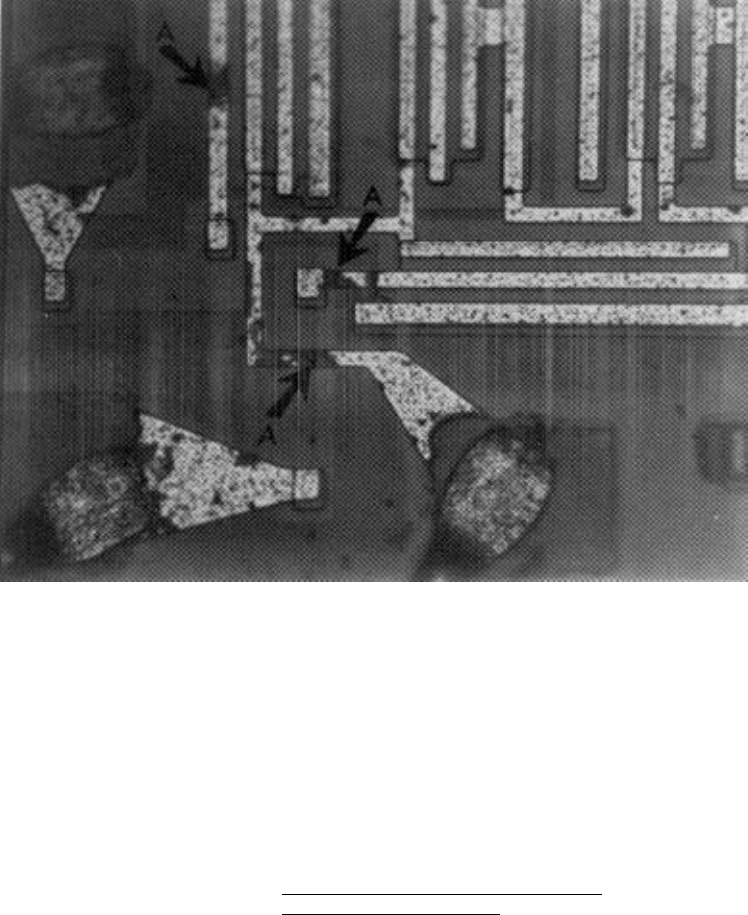
MIL-STD-883F METHOD 2021.3 29 November 1985 4 FIGURE 2021-5. Etched devi ce exhibiti ng fail ure cat egory A miss ing glas s over al uminum .

MIL-STD-883F
METHOD 2021.3
29 November 1985
3
3.2.1 Failure criteria. Lot rejection shall be based on the appearance of etched aluminum, as shown on figures 2021-1 to
2021-7, at any location other than along the edges immediately adjacent to intentionally unglassed areas (e.g., bonding
pads, die edge, scribe line, etc.) (see 4). This criteria shall be applied only to the interconnect levels which exceed a
calculated current density of 2 x 10
5
A/cm
2
. Category C and D defects, shown on figures 2021-3, -4, -6, and -7 shall not be
a cause for rejection unless aluminum is completely removed from the entire width of the conductor stripe. Etched
aluminum is determined by changes in the reflecting properties or transparent appearance of areas normally covered with
glassivated aluminum.
Failures shall be recorded in terms of the number of devices tested (if other than one) and the number of failures by failure
category as defined below:
4. SUMMARY
. The following details shall be specified in the applicable acquisition document:
a. When applicable, any intentional omission of glass over the aluminum metallization layer (see 3.1).
b. If applicable, specific magnification requirements other than as stated in 3.
c. Sample size if other than one (see 3).
d. If applicable, special reporting requirements (see 3.1).
MIL-STD-883F
METHOD 2021.3
29 November 1985
4
FIGURE 2021-5. Etched device exhibiting failure category A
missing glass over aluminum
.
MIL-STD-883F
METHOD 2021.3
29 November 1985
5
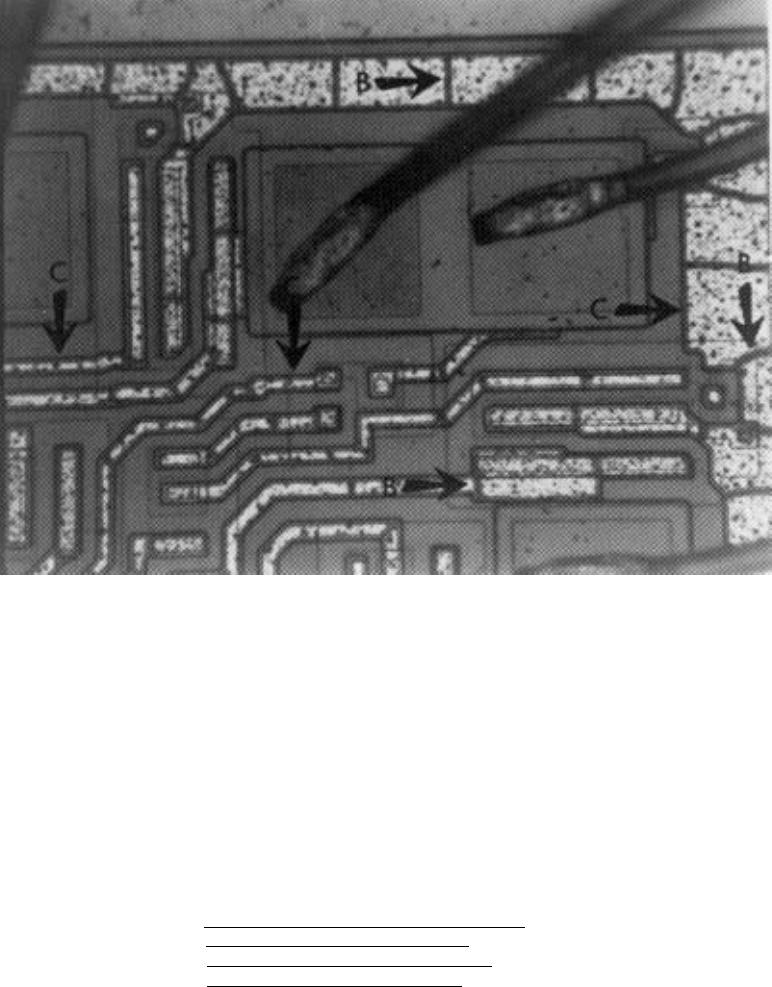
FIGURE 2021-6. Etched device exhibiting failure categories,
B - Cracks in glass over aluminum,
C - Cracks in glass or improper glass,
coverage along edge of aluminum
.