MIL- STD-883F 2004 TEST METHOD STANDARD MICROCIRCUITS.pdf - 第63页
MIL-STD-883F METHOD 1011.9 27 July 1990 3 TABL E II. Phy sical pr operty requi rements of perf luoroc arbon fl uids . 1/ Test c onditi on B C ASTM test method Step 1 Boiling point , °C >125 >150 D1120 Densit y at 2…
MIL-STD-883F
METHOD 1011.9
27 July 1990
2
3.2 Examination. After completion of the final cycle, an external visual examination of the marking shall be performed
without magnification or with a viewer having a magnification no greater than 3X and a visual examination of the case, leads,
or seals shall be performed at a magnification between 10X and 20X except the magnification for examination shall be 1.5X
minimum when this method is used for 100 percent screening. This examination and any additional specified
measurements and examination shall be made after completion of the final cycle or upon completion of group, sequence, or
subgroup of tests which include this test.
3.3 Failure criteria
. After subjection to the test, failure of any specified end-point measurements or examinations (see
4d), evidence of defects or damage to the case, leads, or seals, or illegible markings shall be considered a failure. Damage
to marking caused by fixturing or handling during tests shall not be cause for device rejection.
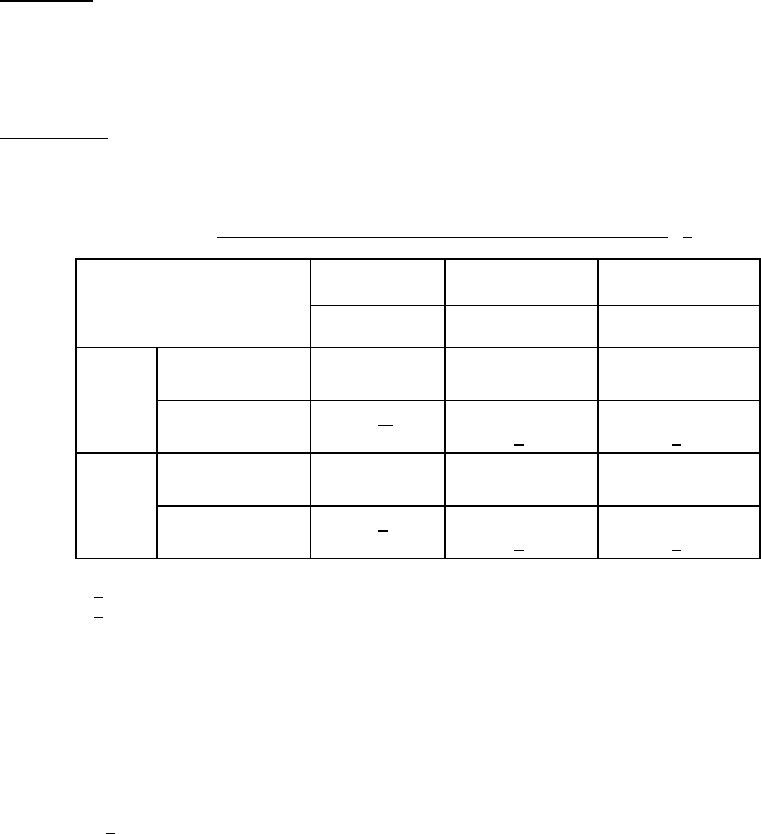
TABLE I. Thermal shock temperature tolerances and suggested fluids
. 1/
Test
conditions
A B C
Temperature Temperature Temperature
Step 1 Temperature
tolerance, °C
100 +10
-2
125 +10
-0
150 +10
-0
Recommended
fluid
Water 2
/ Perfluorocarbon
3
/
Perfluorocarbon
3/
Step 2 Temperature
tolerance, °C
-0 +2
-10
-55 +0
-10
-65 +0
-10
Recommended
fluid
Water 2
/ Perfluorocarbon
3
/
Perfluorocarbon
3/
1
/ Ethylene glycol shall- not be used as a thermal shock test fluid.
2
/ Water is indicated as an acceptable fluid for this temperature
range. Its suitability chemically shall be established prior
to use. When water is used as the fluid for condition A and the
specified temperature tolerances are insufficient due to
altitude considerations, the following alternate test conditions
may be used:
a. Temperature: 100°C -6°C, 0°C +6°C.
b. Cycles shall be increased to 20.
3
/ Perfluorocarbons contain no chlorine or hydrogen.
MIL-STD-883F
METHOD 1011.9
27 July 1990
3
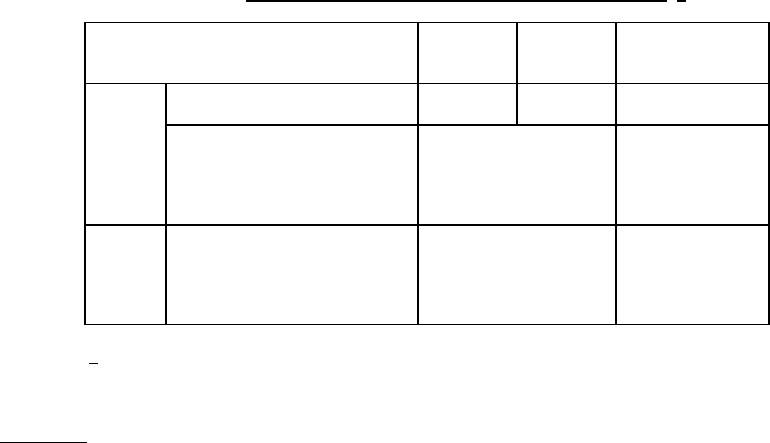
TABLE II. Physical property requirements of perfluorocarbon fluids
. 1/
Test condition B C
ASTM
test
method
Step 1 Boiling point, °C >125 >150 D1120
Density at 25°C gm/ml
Dielectric strength
volts/mil
Residue, microgram/gram
Appearance
>1.6
>300
<50
Clear, colorless liquid
D941
D877
D2109
Not applicable
Step 2 Density at 25°C gm/ml
Dielectric strength
volts/mil
Residue, micrograms/gram
Appearance
>1.6
>300
<50
Clear, colorless liquid
D941
D877
D2109
Not applicable
1
/ The perfluorocarbon used shall have a viscosity less than or equal to
the thermal shock equipment manufacturer's recommended viscosity at the
minimum temperature.
4. SUMMARY
. The following details shall be specified in the applicable acquisition document:
a. Special mounting, if applicable.
b. Test condition, if other than test condition B (see 3).
c. Number of test cycles, if other than 15 cycles (see 3).
d. End-point measurements and examinations (e.g., end-point electrical measurements, seal test (method 1014), or
other acceptance criteria).
MIL-STD-883F
METHOD 1011.9
27 July 1990
4
This page intentionally left blank