MIL- STD-883F 2004 TEST METHOD STANDARD MICROCIRCUITS.pdf - 第89页
MIL-STD-883F METHOD 1014.11 18 June 2004 9 3.3.2 Fai lure c rit eria . A defi nite st ream of bubbl es or t wo or more l arge bubbles origi nating f rom the s ame point shal l be cause f or re jecti on. CAUTI ON: W hen t…
MIL-STD-883F
METHOD 1014.11
18 June 2004
8
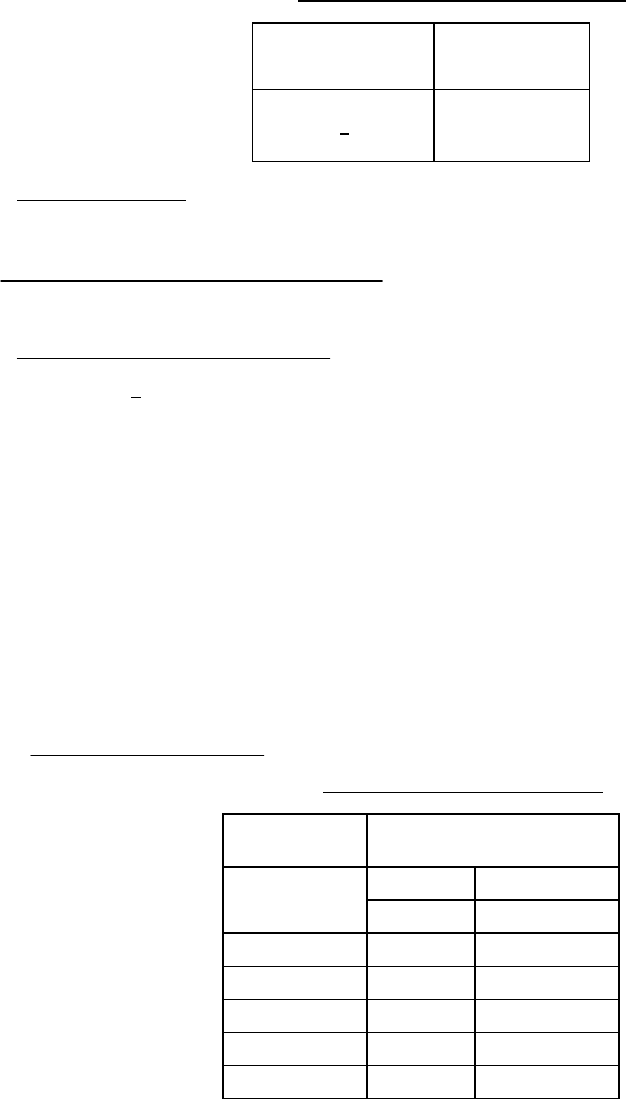
TABLE III. Test limits for radioisotope fine leak method
.
Volume of Q
S
package
cc
< 0.01 1 x 10
-8
> 0.01, < 0.4 5 x 10
-8
> 0.4 5 x 10
-7
3.2.6 Personnel precautions
. Federal, some state and local governmental regulations require a license for the
possession and use of krypton-85 leak test equipment. In the use of radioactive gas, these regulations and their maximum
permissible exposure and tolerance levels prescribed by law should be observed.
3.3 Test condition C
1
or C
3
, perfluorocarbon gross leak. Test condition C
1
is a fixed method with specified conditions that
will ensure the test sensitivity necessary. Test condition C
2
has been replaced by C
1
. Test condition C3 is a fixed method
that uses a vapor detection system instead of an indicator bath.
3.3.1 Procedure applicable to fixed (C
1
) method. The devices shall be placed in a vacuum/pressure chamber and the
pressure reduced to 5 torr or less and maintained for 30 minutes minimum. The vacuum cycle may be omitted for packages
with an internal volume >
0.1 cm
3
. A sufficient amount of type I detector fluid shall be admitted to cover the devices. When
the vacuum cycle is performed, the fluid will be admitted after the minimum 30 minute period but before breaking the
vacuum. The devices shall then be pressurized in accordance with table IV. When the pressurization period is complete
the pressure shall be released and the devices removed from the chamber without being removed from a bath of detector
fluid for greater than 20 seconds. A holding bath may be another vessel or storage tank. When the devices are removed
from the bath they shall be dried for 2 ±1 minutes in air prior to immersion in type II indicator fluid, which shall be maintained
at 125°C ±5°C. The devices shall be immersed with the uppermost portion at a minimum depth of 2 inches below the
surface of the indicator fluid, one at a time or in such a configuration that a single bubble from a single device out of a group
under observation may be clearly observed as to its occurrence and source. The device shall be observed against a dull,
nonreflective black background though the magnifier, while illuminated by the lighting source, from the instant of immersion
until, expiration of a 30-second minimum observation period, unless rejected earlier.
For packages greater than 5 grams, the effects of package thermal mass shall be determined by evaluating each package
family with known leakers and measuring the time for bubbles to be observed. If the evaluation time exceeds the 30
seconds required for the observation time, then the observation time shall be extended to take into account the package
thermal mass effect. Alternate methods may be used to meet this intent provided the method is documented and made
available to the preparing or acquiring activity upon request.
3.3.1.1 Test condition C
1
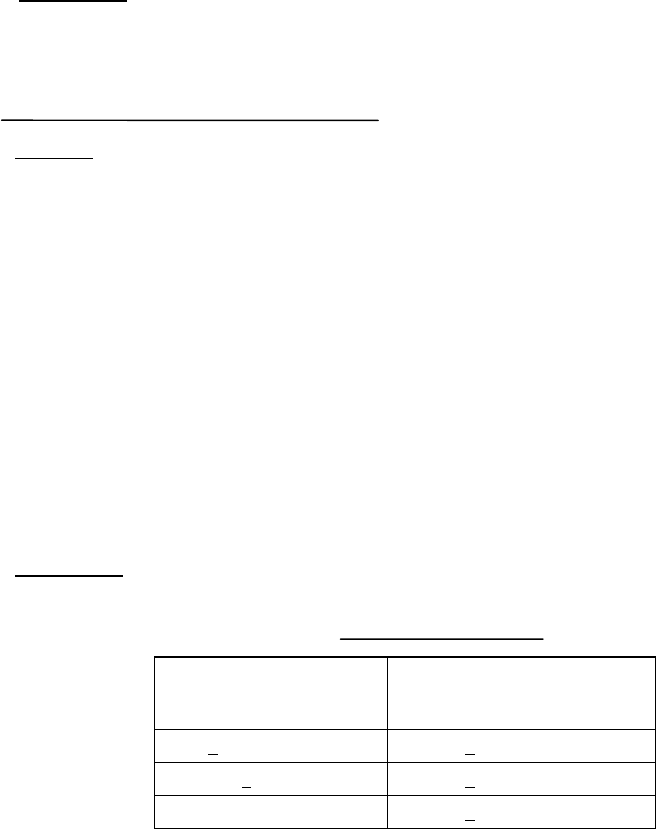
, fixed method. Allowable fixed method conditions shall be as shown in table IV, herein.
TABLE IV. Condition C pressurization conditions
.
Pressure
psia (min)
Minimum pressurization
time (hour)
C
1
C
3
30 23.5 12
45 8 4
60 4 2
75 2 1
90 1 0.5
105 0.5 N/A
MIL-STD-883F
METHOD 1014.11
18 June 2004
9
3.3.2 Failure criteria
. A definite stream of bubbles or two or more large bubbles originating from the same point shall
be cause for rejection.
CAUTION: When the leak is large, the operator may notice a stream of liquid exiting the package without the release of
bubbles. This condition shall result in the package being rejected.
3.3.3 Test condition C
3
, perfluorocarbon vapor detection.
3.3.3.1 Procedure
. The devices shall be placed in a vacuum/pressure chamber and the pressure reduced to 5 torr and
maintained for 30 minutes minimum. A sufficient amount of type I detector fluid shall be admitted to the pressure chamber
to cover the devices. The fluid shall be admitted after the 30 minute minimum vacuum period but before breaking the
vacuum. The devices shall then be pressurized in accordance with table IV. The pressure shall be maintained for a period
of 30 minutes minimum. Upon completion of the pressurization period, the pressure shall be released, the devices removed
from the pressure chamber without being removed from a bath of detector fluid for more than 20 seconds and then retained
in a bath of perfluorocarbon fluid. When the devices are removed from the fluid they shall be air dried for a minimum of 20
seconds and a maximum of 5 minutes prior to the test cycle. If the type I detector fluid has a boiling point of less than 80°C,
the maximum drying time shall be 3 minutes.
The devices shall then be tested with a perfluorocarbon vapor detector that is calibrated in accordance with 2.3h and 2.3i.
"Purge" time shall be in accordance with table V. Test time shall be a minimum of 3.5 seconds (unless the device is rejected
earlier) with the perfluorocarbon vapor detector purge and test chambers at a temperature of 125 ±5°C, or 2.5 seconds
minimum with the purge and test chambers at a temperature of 150 ±5°C.
NOTE: Air dry, purge and test limits for each device shall be complied with in all cases, including stick to stick handling.
NOTE: Test temperature shall be measured at the chamber surface that is in contact with the device(s) being tested.
Device orientation within the test cell should maximize heat transfer from the heated chamber surface to the cavity
of the device within the capability of the equipment.
3.3.3.2 Failure criteria
. A device shall be rejected if the detector instrumentation indicates more than the equivalent of
0.167 or 1/6 microliter of type I detector fluid in accordance with table I.
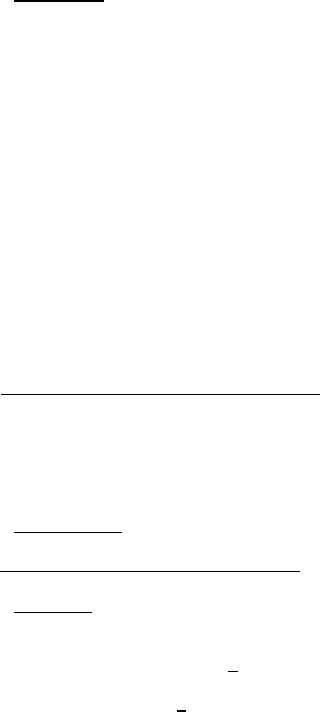
TABLE V. Purge time for condition C
3
.
Package with internal Purge time
free volume
(CM
3
) (seconds)
<0.01 < 5
>0.01 <0.10 < 9
>0.10 < 13
NOTE: Maximum purge time can be determined by cycling a device with a 0.02 to 0.05 inch hole and measuring the
maximum purge time that can be used without permitting the device to escape detection during the test cycle.
MIL-STD-883F
METHOD 1014.11
18 June 2004
10
3.3.4 Precautions
. The following precautions shall be observed in conducting the perfluorocarbon gross leak test:
a. Perfluorocarbon fluids shall be filtered through a filter system capable of removing particles greater than 1
micrometer prior to use. Bulk filtering and storage is permissible. Liquid which has accumulated observable
quantities of particulate matter during use shall be discarded or reclaimed by filtration for re-use. Precaution should
be taken to prevent contamination.
b. Observation container shall be filled to assure coverage of the device to a minimum of 2 inches.
c. Devices to be tested should be free from foreign materials on the surface, including conformal coatings and any
markings which may contribute to erroneous test results.
d. A lighting source capable of producing at least 15 thousand foot candles in air at a distance equal to that which the
most distant device in the bath will be from the source. The lighting source shall not require calibration but the light
level at the point of observation (i.e., where the device under test is located during observation for bubbles) shall
be verified.
e. Precaution should be taken to prevent operator injury due to package rupture or violent evolution of bomb fluid
when testing large packages.
3.4 Test condition D, penetrant dye gross leak
. This test shall be permitted only for destructive verification of devices
(see 3.7). The pressure chamber shall be filled with the dye solution to a depth sufficient to completely cover all the devices.
The devices shall be placed in the solution and the chamber pressurized at 105 psia minimum for 3 hours minimum. For
device packages which will not withstand 105 psia, 60 psia minimum for 10 hours may be used. The devices shall then be
removed and carefully washed, using a suitable solvent for the dye used, followed by an air-jet dry. The devices shall then
be immediately examined under the magnifier using an ultraviolet light source of appropriate frequency.
3.4.1 Failure criteria
. Any evidence of dye penetration into the device cavity shall constitute a failure.
3.5 Test condition E, weight gain gross leak
.
3.5.1 Procedure
. The devices shall be placed in an oven at 125°C for 1 hour minimum, after which they shall be allowed
to cool to room ambient temperature. Each device shall be weighed and the initial weight recorded or the devices may be
categorized into cells as follows. Devices having a volume of <0.01 cc shall be categorized in cells of 0.5 milligram
increments and devices with volume >
0.01 cc shall be categorized in cells of 1.0 milligram increments. The devices shall be
placed in a vacuum/pressure chamber and the pressure reduced to 5 torr and maintained for 1 hour except that for devices
with an internal cavity volume >
0.1 cc, this vacuum cycle may be omitted. A sufficient amount of type III detector fluid shall
be admitted to the pressure chamber to cover the devices. When the vacuum cycle is performed, the fluid shall be admitted
after the 1-hour period but before breaking the vacuum. The devices shall then be pressurized to 75 psia minimum except
that 90 minimum psia shall be used when the vacuum cycle has been omitted. The pressure shall be maintained for 2 hours
minimum. If the devices will not withstand the 75 psia test pressure, the pressure may be lowered to 45 psia minimum with
the vacuum cycle and the pressure maintained for 10 hours minimum.
Upon completion of the pressurization period, the pressure shall be released and the devices removed from the pressure
chamber and retained in a bath of the perfluorocarbon fluid. When the devices are removed from the fluid they shall be air
dried for 2 ±1 minutes prior to weighing. Transfer the devices singly to the balance and determine the weight or weight
category of each device. All devices shall be tested within 4 minutes following removal from the fluid. The delta weight shall
be calculated from the record of the initial weight and the post weight of the device. Devices which were categorized shall
be separated into two groups, one group which shall be devices which shifted one cell or less and the other group which
shall be devices which shifted more than one cell.