00195440-05-SG_D-Series_FSE-EN.pdf - 第111页
7 Axis Dynamics 7.1 Axis Dynamic Basics Student Guide SIPLACE D-Series (FSE) 111 7 7 A x is D y n a m ic s Axis Dynamics 7.1 7 . 1 A x is D y n a m ic B a s ic s Axis Dynamic Basics Each axis starts from a position with …
6 Reference Run
6.3 Room for Your Sketches and Notes 6.2.4 Height Reference Run
110 Student Guide SIPLACE D-Series (FSE)
7 Axis Dynamics
7.1 Axis Dynamic Basics
Student Guide SIPLACE D-Series (FSE) 111
7
7 Axis Dynamics
Axis Dynamics
7.1
7.1 Axis Dynamic Basics
Axis Dynamic Basics
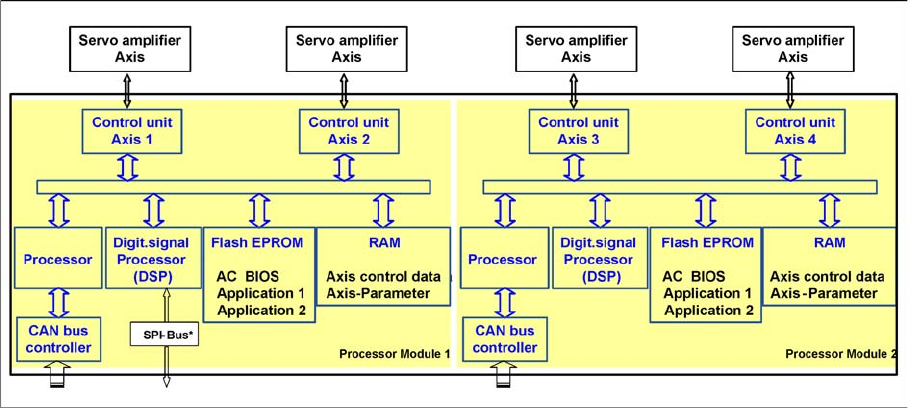
Each axis starts from a position with acceleration a constant speed phase and deceleration should move
the axis into a target position. The dynamic movement of the axis on the SIPLACE machine is regulated
by a digital control system. A powerful digital processor in the A364 axis controller permanently adjusts
the axis dynamic to the current axis state.
This means, that all adjustments for speed (Tacho) and positioning quality (P-gain) on the servo amplifier
are removed. The control signals are different for this new axis control principle.
7 Axis Dynamics
7.1 Axis Dynamic Basics
112 Student Guide SIPLACE D-Series (FSE)
Digitally controlled axes with A364 for SIPLACE machines
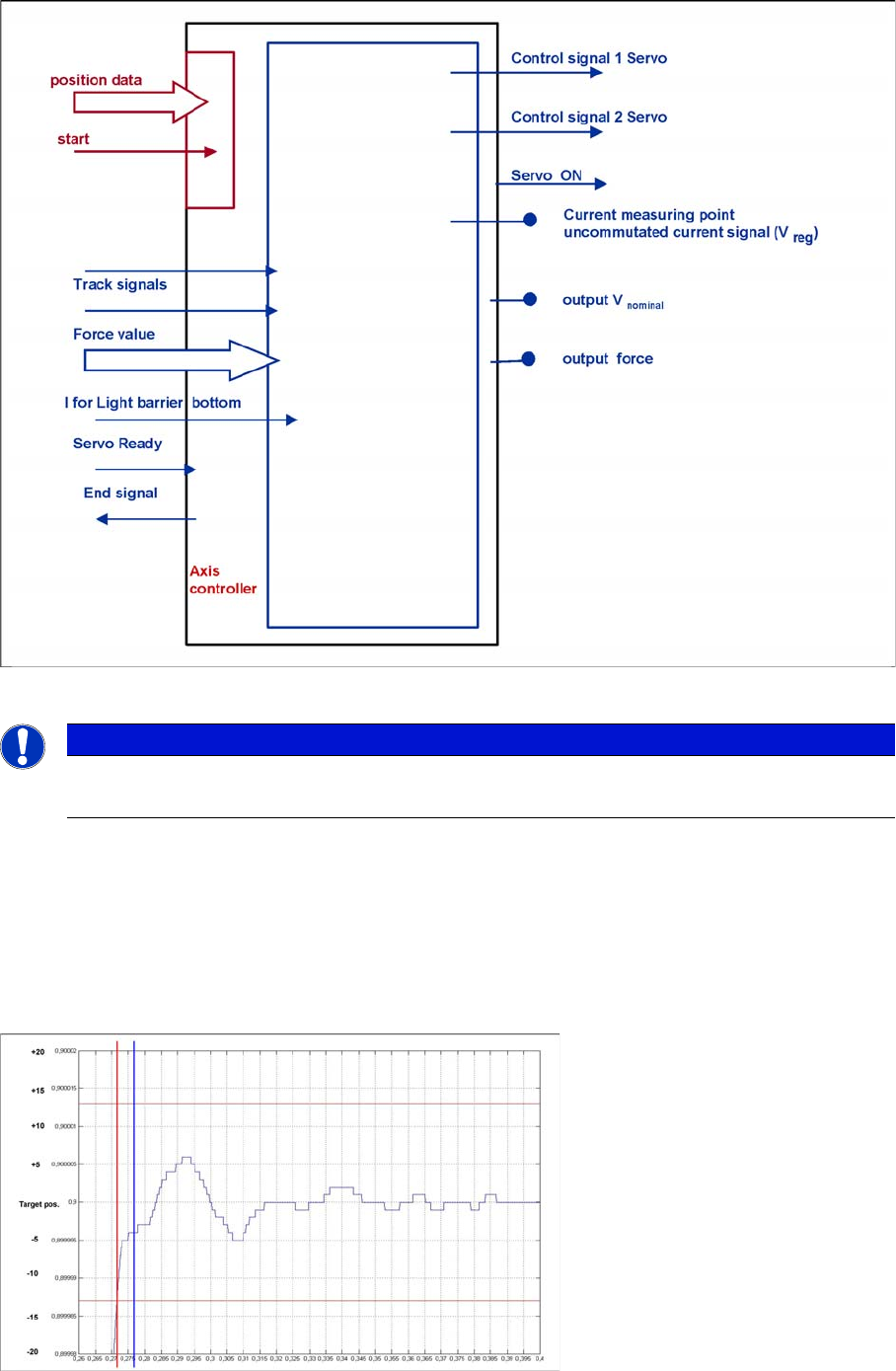
During initial positioning into the target position, the actual equals target position signal triggers an over-
shoot count in the SIPLACE Axis Tester, for calculation of the position deviation signal.
If the overshoot is greater than the permitted position deviation (13 digits) for this axis, the end position
signal will be delayed until the deviation has been regulated to remain within the permitted range.
If the axis nears the permitted target position, axis parameters which do not tend to produce overswings
are used. This effective and fast method of regulation seldom produces overswings and has the added
benefit of shorter waiting times for overswing checks (5 ms).
NOTICE
Art und Quelle der Gefahr
The position deviation signal shows the positioning quality of an axis movement in position.