SG_FSE_SiplaceHF_HF3_00193901-05_eng.pdf - 第531页
1 - 57 S tudent Guide SIPLACE HF/HF3 Edition 09/2005 1 1 MTC 2 57 20 , item 4). Y ou must set the belt tensio n if th e measured frequ ency deviation deviates from the nominal value (120 Hz ± 5 Hz) : ➠ T urn the adjustin…
1 - 56
Student Guide SIPLACE HF/HF3
11 MTC 2 Edition 09/2005
56
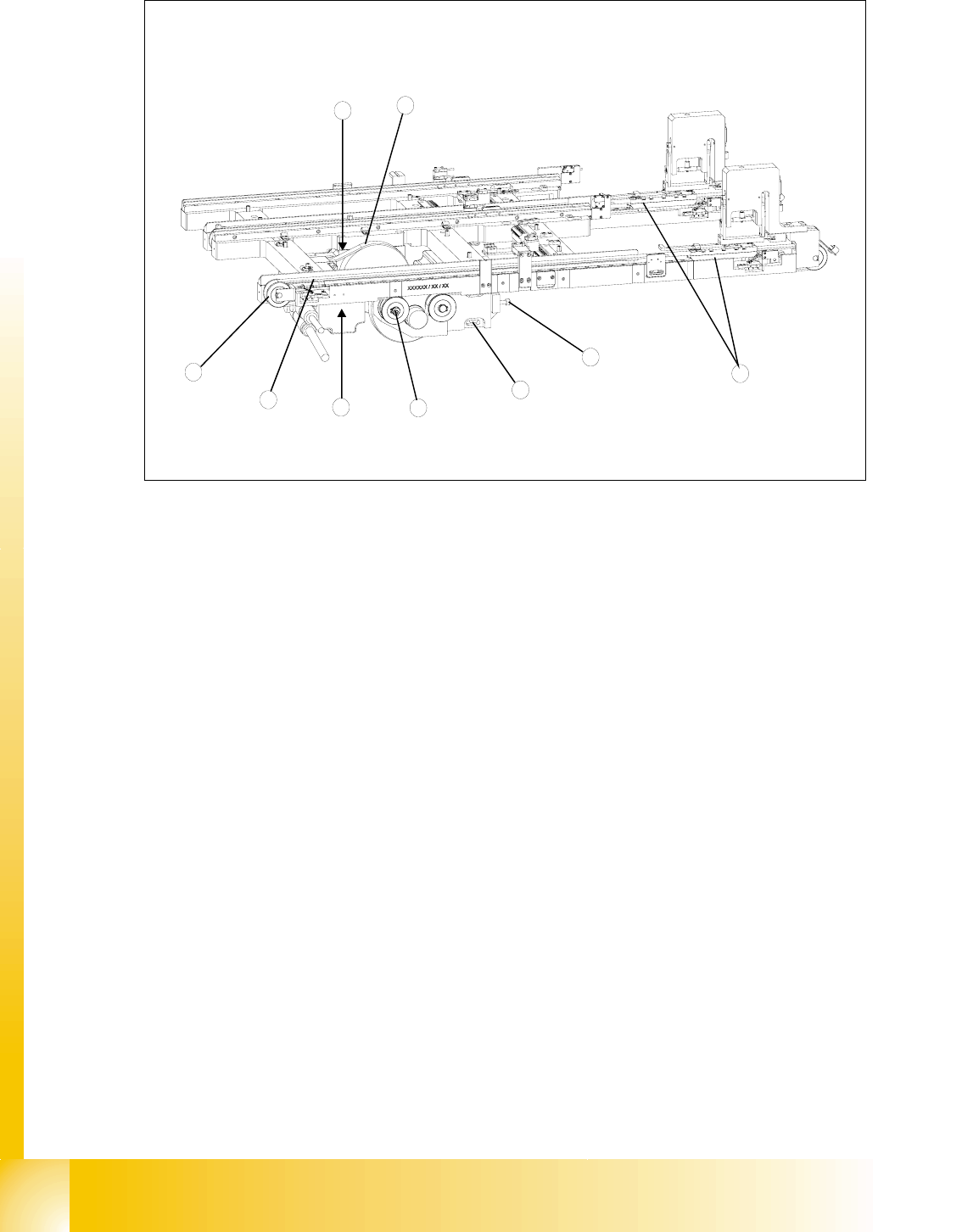
Fig. 11.3 - 20 Checking and setting the belt tension
Key
1 Drive belt (shown here for tower 2)
2 Motor mounting block with clamping screws (shown here for tower 1)
3 Adjustment screw, drive belt (shown here for tower 1)
4 Measuring point, drive belt (shown here for tower 2)
5 Toothed belt (shown here for tower 1)
6 Eccentric axle of toothed belt with clamping screw and flats for setting (shown here for tower 1)
7 Measuring point, toothed belt (shown here for tower 1)
8 Outer deflection roll (shown here for tower 1)
9Driver
Preparatory measures 11
➠ Empty the MTC 2 completely (see the User Manual).
➠ Undock the MTC 2 from the SIPLACE station (see User Manual).
➠ Remove both cover plates between the rails of the feed axes.
Checking and setting the drive belt 11
➠ Carry out the relevant preparatory measures (see section 11.3.4.1 "Preparatory measures").
➠ Measure the belt tension with the belt frequency measuring device in the following way:
➠ Cause the drive belt to oscillate and measure the frequency in the middle of the sloping
surface between the motor axis and the belt wheel (for the measuring point, see
Fig. 11.3 -
2
4
1
6
3
7
5
9
8

1 - 57
Student Guide SIPLACE HF/HF3
Edition 09/2005 11 MTC 2
57
20, item 4). You must set the belt tension if the measured frequency deviation deviates from
the nominal value
(120 Hz ± 5 Hz):
➠ Turn the adjusting screw of the drive belt as far as it will go. Before doing this you will need
to loosen the lock nut.
➠ Loosen the two clamping screws on the mounting block of the motor.
➠ Use the adjusting screw to raise the belt tension (by turning in a clockwise direction) or
lower it (by turning in an anticlockwise direction), until the nominal frequency is achieved.
Tighten the lock nuts each time you measure the belt tension.
➠ Firmly tighten the clamping screws and varnish them with red screw locking varnish.
➠ Check the belt tension again.
➠ Secure the cover plates and dock the MTC 2 onto the SIPLACE station (see the User Manual).
➠ Check the zero offset of the feed axis if you have changed the belt tension.
Checking and setting the toothed belt 11
➠ Carry out the relevant preparatory measures (see section 11.3.4.1 "Preparatory measures").
➠ Measure the belt tension with the belt frequency measuring device in the following way:
➠ Cause the toothed belt to oscillate and measure the frequency - from the underside of the
belt - in the middle between the outer deflection roll and the first deflection roll of the drive
(for the measuring point, see
Fig. 11.3 - 20, item 7). Ensure that the driver is approximately
in its reference position.
You must set the belt tension if the measured frequency deviation deviates from the
nominal value
(70 Hz ± 2 Hz):
➠ Place the open-ended wrench on the setting flats of the eccentric axis.
➠ Loosen the clamping screw on the eccentric axis and maintain the position of the axis with
the open-ended wrench.
➠ Raise or lower the belt tension with the open-ended wrench (turning it in a direction
depending on the position of the eccentric axis), until the nominal frequency is achieved.
Firmly tighten the clamping screw each time you measure the belt tension and varnish it
with red screw locking varnish.
➠ Check the belt tension again and make sure the screws are varnished with red screw
locking varnish.
➠ Secure the cover plates and dock the MTC 2 onto the SIPLACE station (see the User Manual).
➠ Check the zero offset of the feed axis if you have changed the belt tension.
11.3.4.2 Limit switch
Tools and accessories 11
– 1 set of hexagon socket wrenches, 1 set of screwdrivers
Preparatory measures 11
1 - 58
Student Guide SIPLACE HF/HF3
11 MTC 2 Edition 09/2005
58
NOTE: Before the limit switches are set, the zero offset and the transfer position must be checked.
➠ Check the zero offset (see section 11.3.2.2).
➠ Check the transfer position (see section 11.3.2.2).
Setting the limit switches 11
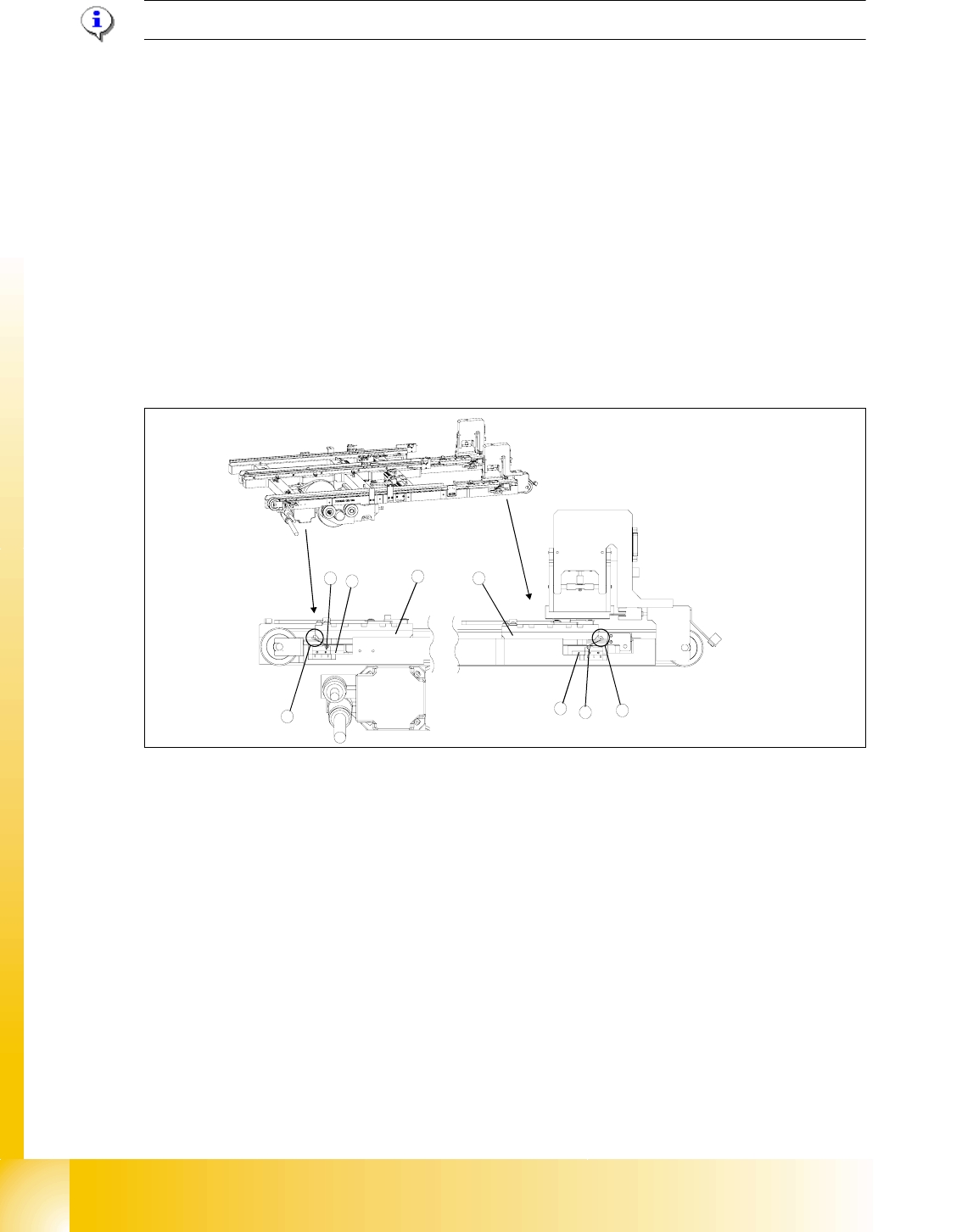
➠ Move the feed axis into the transfer position (see section 11.3.2.2).
➠ Set the maximum position of the limit switch above its limit switch holder until there is a
distance of approximately 1 mm between the driver in the transfer position and the contact
roller of the limit switch.
➠ Move the feed axis into the zero position (see section 11.3.2.2).
➠ Set the minimum position of the limit switch above its limit switch holder until there is a distance
of approximately 1 mm between the driver in the zero position and the contact roller of the limit
switch (approximately 10 mm on tower 2).
➠ Check the end positions of the feed axis (see section 11.3.2.2).
Fig. 11.3 - 21 Setting the maximum and minimum positions of the limit switches (shown here for tower 1)
1 Driver at the transfer position
2 Driver at the zero position
3 Limit switch maximum position with contact roller
4 Limit switch minimum position with contact roller
5 Limit switch holder
6 Contact area driver/limit switch at maximum position
7 Contact area driver/limit switch at minimum position
2
1
5
3
5
4
6
7