wire-bonder.pdf - 第104页
WEST•BOND MODEL 454647E SER IES INSTRUCTION MANUAL 98 ADVANCED PROGRAMMING Nudge Up This option is used to incre ase loop height. Just before making the se cond bond, the machine can be set to “walk” back toward the firs…
WEST•BOND MODEL 454647E SERIES INSTRUCTION MANUAL
97
ADVANCED PROGRAMMING
Loop Pull
This option “cuts” a 45° angle from the loop height to the work surface. This feature works to lower the
loop height. (5 steps = 1mil)
LOOP PULL before Bond #1: n/a
5=Info
9=Next bond
A=Prev option G=Next option
LOOP PULL before Bond #2: 0 Y step
4=Key in 5=Increase (0.00000”)
7=Prev bond 8=Suggest 9=Next bond
A=Prev option 0=Decrease G=OK
ϑ To call “Loop Pull”
From the H
OME menu press 4 (EDIT), 0 (EDIT LOOP MOTION), 4 (LOOP EDIT), and then
press 0 (LOOP PULL).
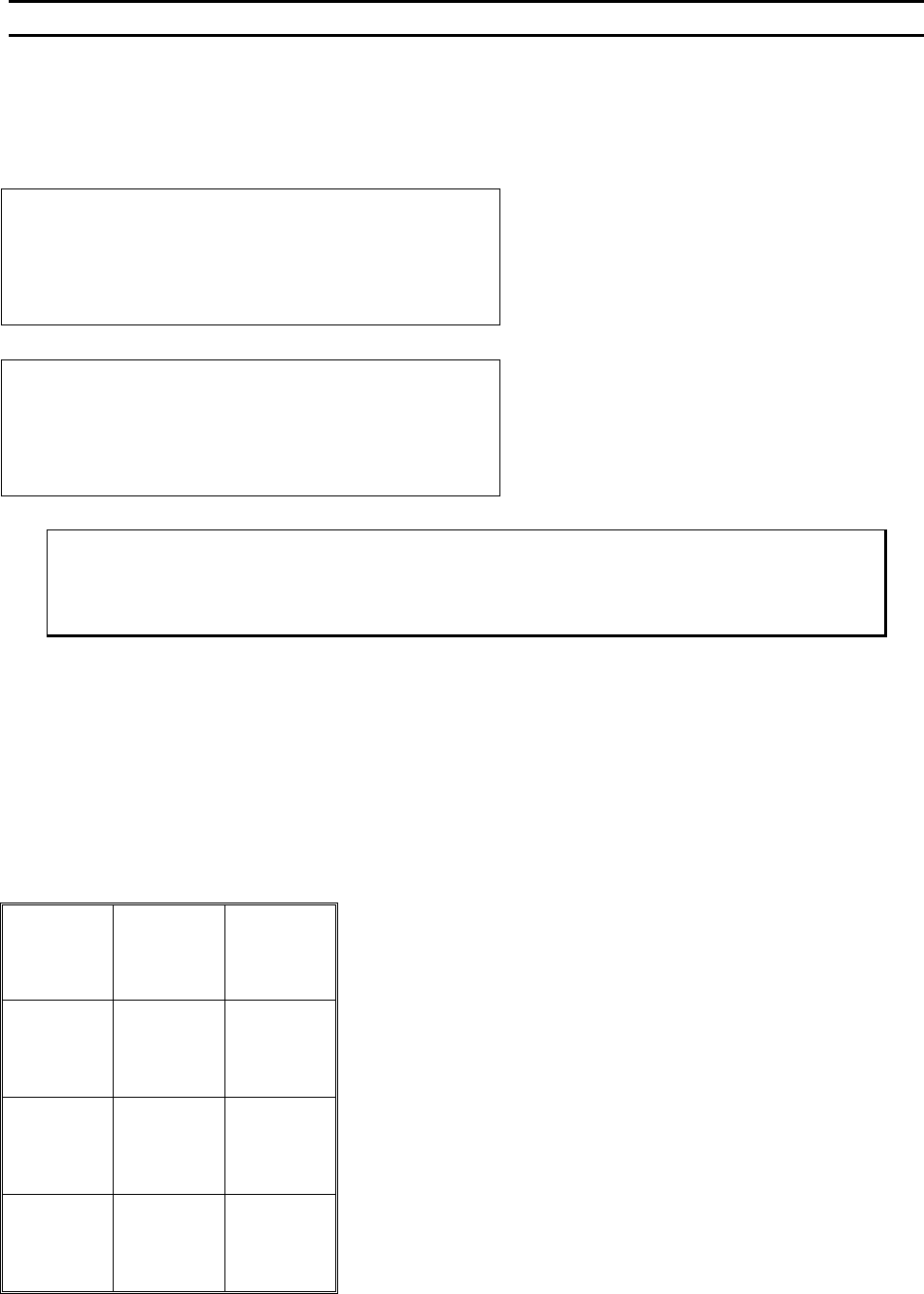
Key Format:
Escape
1
Go To
Device
2
Home
3
Key In
4
Increase
5
6
Previous
Bond
7
Suggest
8
Next
Bond
9
Previous
Option
A
Decrease
0
Next
Option
G
WEST•BOND MODEL 454647E SERIES INSTRUCTION MANUAL
98
ADVANCED PROGRAMMING
Nudge Up
This option is used to increase loop height. Just before making the second bond, the machine can be set to “walk”
back toward the first bond while at search above the second bond. This effectively nudges up the loop height. To
work effectively, the search above second bond should be set fairly low to the work.
NUDGE-UP before Bond #2: 0 Y step
4=Key in 5=Increase (0.00000”)
7=Prev bond 8=Suggest 9=Next bond
A=Prev option 0=Decrease G=OK
ϑ To call “Nudge-Up”
From the H
OME menu press 4 (EDIT), 0 (EDIT LOOP MOTION), 4 (LOOP EDIT), and then
press G (NUDGE-UP).
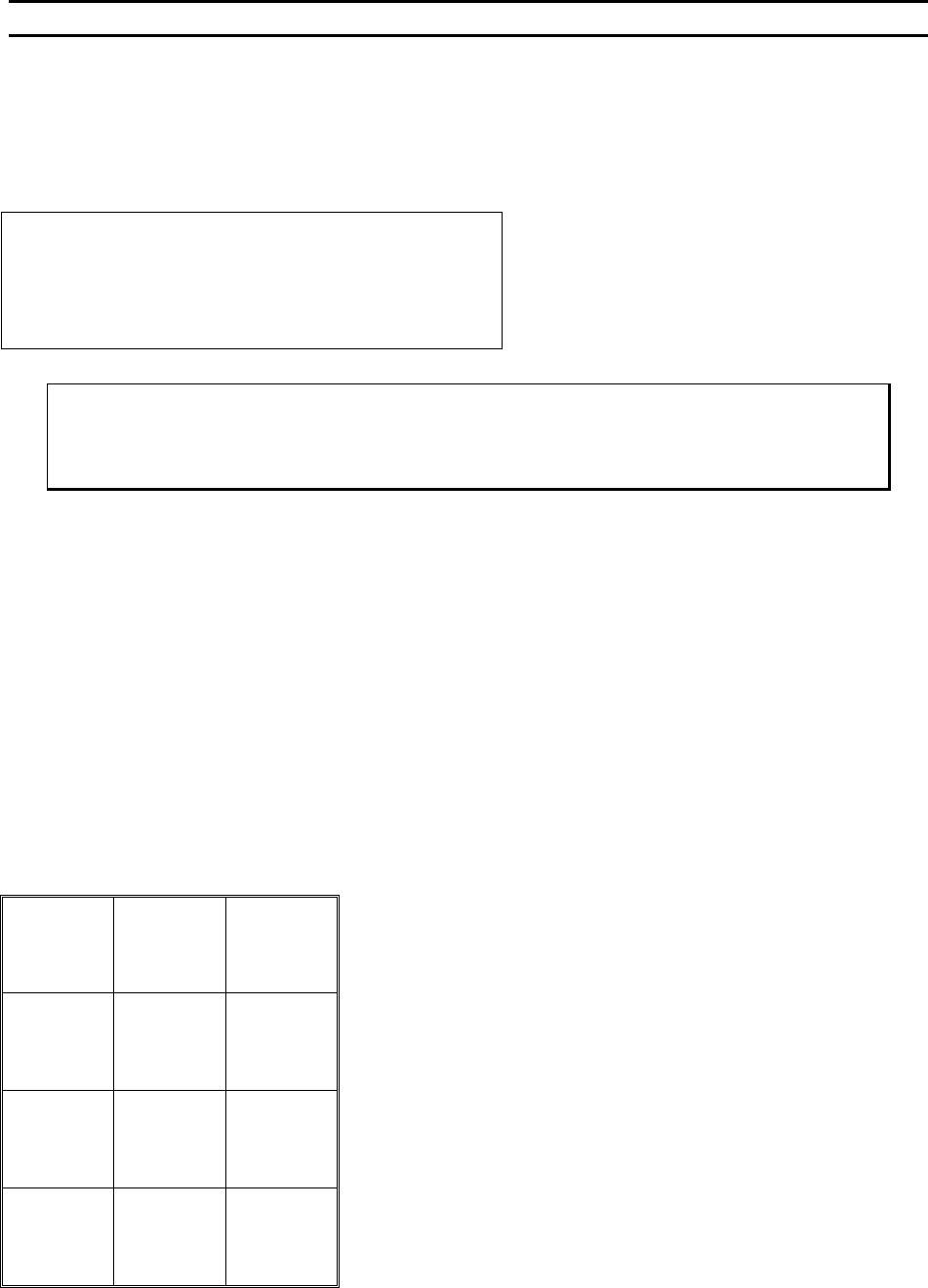
Key Format:
Escape
1
Go To
Device
2
Home
3
Key In
4
Increase
5
6
Previous
Bond
7
Suggest
8
Next
Bond
9
Previous
Option
A
Decrease
0
Next
Option
G

WEST•BOND MODEL 454647E SERIES INSTRUCTION MANUAL
99
TROUBLESHOOTING
Poor Bond Quality
The following are possible causes for poor bond quality. Poor bond quality could either mean a bond
does not meet visual criteria, does not adhere to bonding surface, or produce unacceptable bond pull
tests.
There are six key areas where the problem may be found causing poor bond quality.
1. Tool
a. Position
b. Clamping Force, Set Screw Torque
c. Characteristics / Geometry of Tool / Condition of Tool
d. Condition of Bonding Surface
e. Bonding Surface Area
2. Workholder
a. Temperature / Stability
b. Heat Transfer
c. Rigidity
d. Environment
e. Positioning Accuracy
3. Wire
a. Size
b. Type
c. Breaking Load
d. Elongation
e. Age / Condition / Quality
f. Uniformity / Twist / Curl
4. Bonded Wire
a. Wire / Tool Interface
b. Optimized Bonding Schedule
c. Location
d. Wire Curl
e. Intermetallics
f. Time / Temperature Environment
g. Bond Interface Condition
h. Ergonomics
5. Bonding Surface
a. Metal Purity
b. Metal Uniformity
c. Metal Thickness
d. Surface Contamination
e. Surface Texture
f. Metal Bondability, Initial and after Time/Temp.
6. Bonder
a. Mechanical / Electrical Calibration of Machine
b. Optimized Bonding Schedule
i. Ultrasonic Energy
ii. Ultrasonic Time
iii. Bond Pressure
iv. Temperature
c. Operator Skill
d. Ergonomics