wire-bonder.pdf - 第98页
WEST•BOND MODEL 454647E SER IES INSTRUCTION MANUAL 92 ADVANCED PROGRAMMING Backbend This particular feature is an excellent aid in creating good loop shape when using a 454647E in the 4600E and 4700E modes. The position …
WEST•BOND MODEL 454647E SERIES INSTRUCTION MANUAL
91
ADVANCED PROGRAMMING
Z-Before-Y
The number of motor steps the motor raises up off of the work, after first bond, before making any
movement in the Y direction. Typically this elevation is used prior to backbend to aid in creating proper
loop shape.
Z-BEFORE-Y before Bond #1: n/a
5=Info
9=Next bond
A=Prev option G=Next option
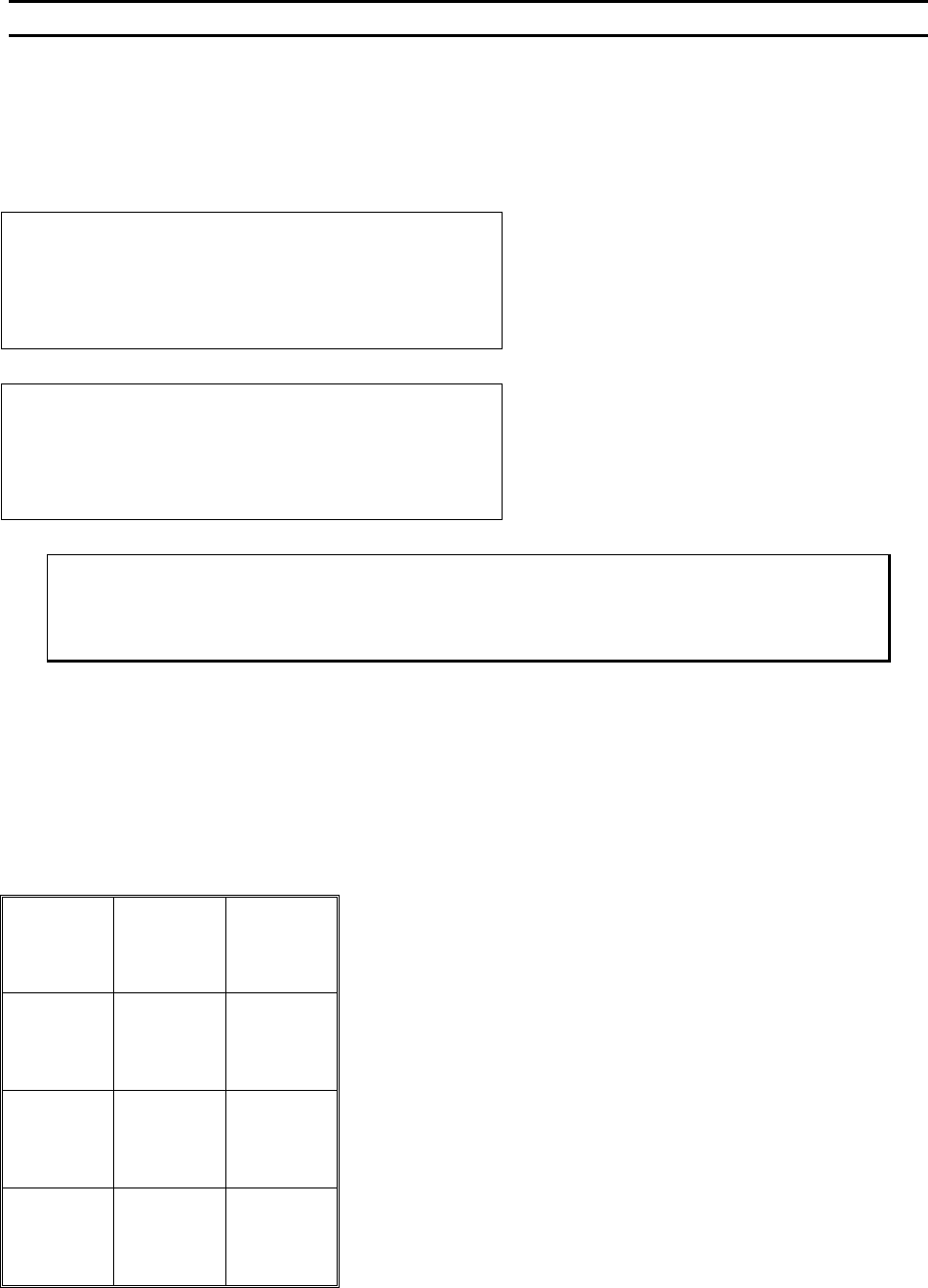
Notice there is no Z-Before-Y setting available
before the first bond. This motion takes place
directly after the first bond.
Z-BEFORE-Y before Bond #2: 50 steps
4=Key in 5=Up (0.01042”)
7=Prev bond 8=Suggest 9=Next bond
A=Prev option 0=Down G=Next option
Too few motor steps in this setting can cause
the wire to be pulled off of the work if the
operator is also using the backbend feature.
ϑ To call “Z-Before-Y”
From the H
OME menu press 4 (EDIT), 0 (EDIT LOOP MOTION), 4 (LOOP EDIT), and then
press 5 (Z-B
EFORE-Y).
Key Format:
Escape
1
Go To
Device
2
Home
3
Key In
4
Up
5
6
Previous
Bond
7
Suggest
8
Next
Bond
9
Previous
Option
A
Down
0
Next
Option
G
WEST•BOND MODEL 454647E SERIES INSTRUCTION MANUAL
92
ADVANCED PROGRAMMING
Backbend
This particular feature is an excellent aid in creating good loop shape when using a 454647E in the
4600E and 4700E modes. The position of the clamps on the 4500E mode allow greater control of the wire
requiring less finesse when it comes to loop motion. B
ACKBEND occurs immediately after the motor has
counted up the specified number of Z-B
EFORE-Y steps. An excessive amount of BACKBEND can easily peel
the first bond from the work. However, if used properly, B
ACKBENDING can add not only shape, but also
height to your wire loops. To achieve truly effective BACKBENDS, the operator needs to strike a balance
between the number of Z-B
EFORE-Y steps versus the number of BACKBEND steps.
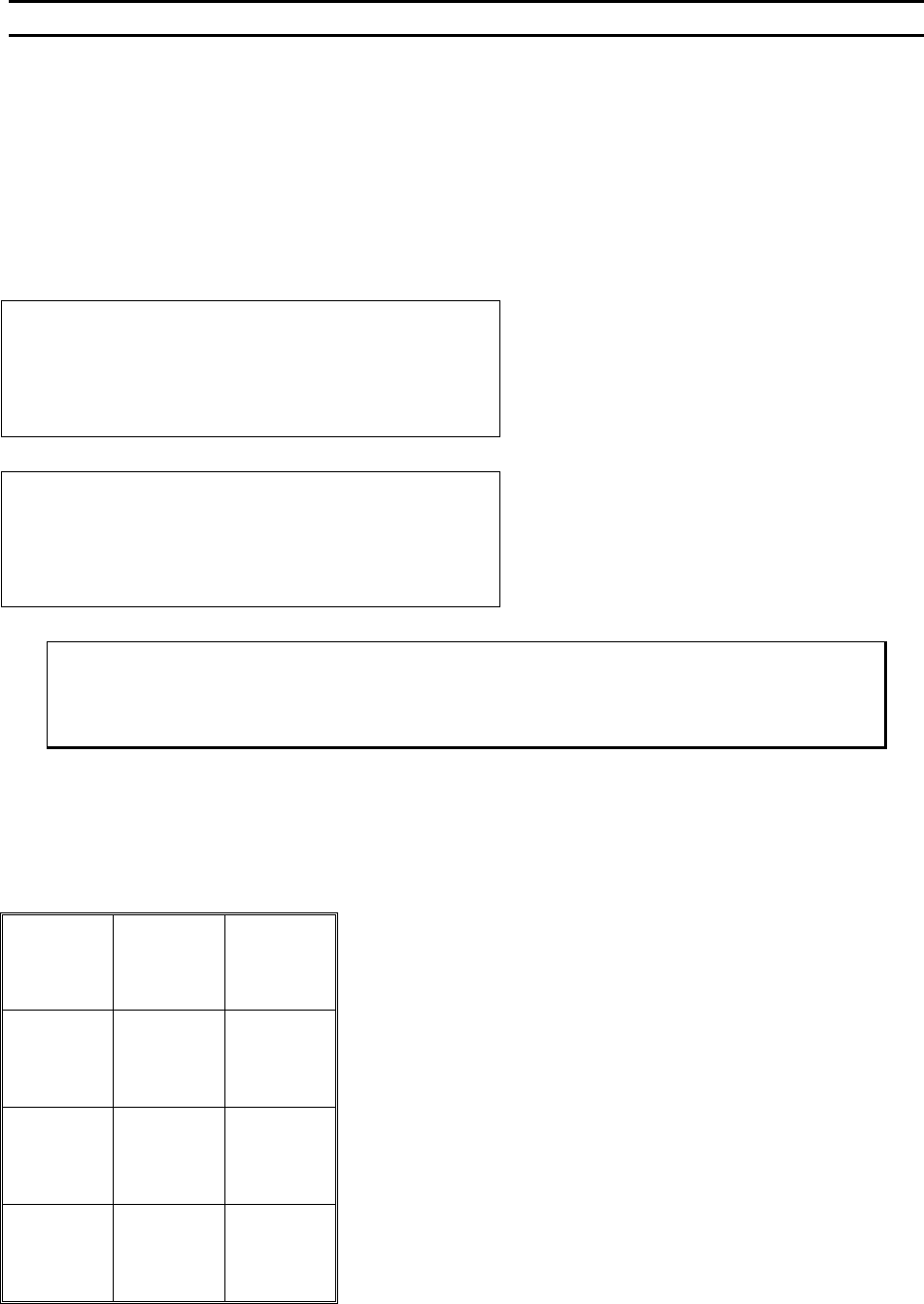
BACKBEND before Bond #1: n/a
5=Info
9=Next bond
A=Prev option G=Next option
Notice there is no Backbend setting before the
first bond. This motion takes place after the first
bond and Z-Before-Y takes place.
BACKBEND before Bond #2: 0 Y step
4=Key in 5=Increase (0.00000”)
7=Prev bond 8=Suggest 9=Next bond
A=Prev option 0=Decrease G=Next option
ϑ To call “Backbend”
From the H
OME menu press 4 (EDIT), 0 (EDIT LOOP MOTION), 4 (LOOP EDIT), and then
press 6 (BACKBEND).
Key Format:
Escape
1
Go To
Device
2
Home
3
Key In
4
Increase
5
6
Previous
Bond
7
Suggest
8
Next
Bond
9
Previous
Option
A
Decrease
0
Next
Option
G
WEST•BOND MODEL 454647E SERIES INSTRUCTION MANUAL
93
ADVANCED PROGRAMMING
Loop Elevation
The highest point the tool reaches in the looping procedure. It is important to remember that this
maximum tool height does not equate to loop height. As the tool begins it descent toward the work
surface, this high point of the wire will be pulled down with the tool. Wire loop height is dependant upon
many factors other than just L
OOP ELEVATION (contributing factors: Z-BEFORE-Y, BACKBEND, Y-OFFSET,
LOOP ELEVATION, NUDGE-UP, wire size, wire strength, wire material, bonding tool, clamp position, etc.).
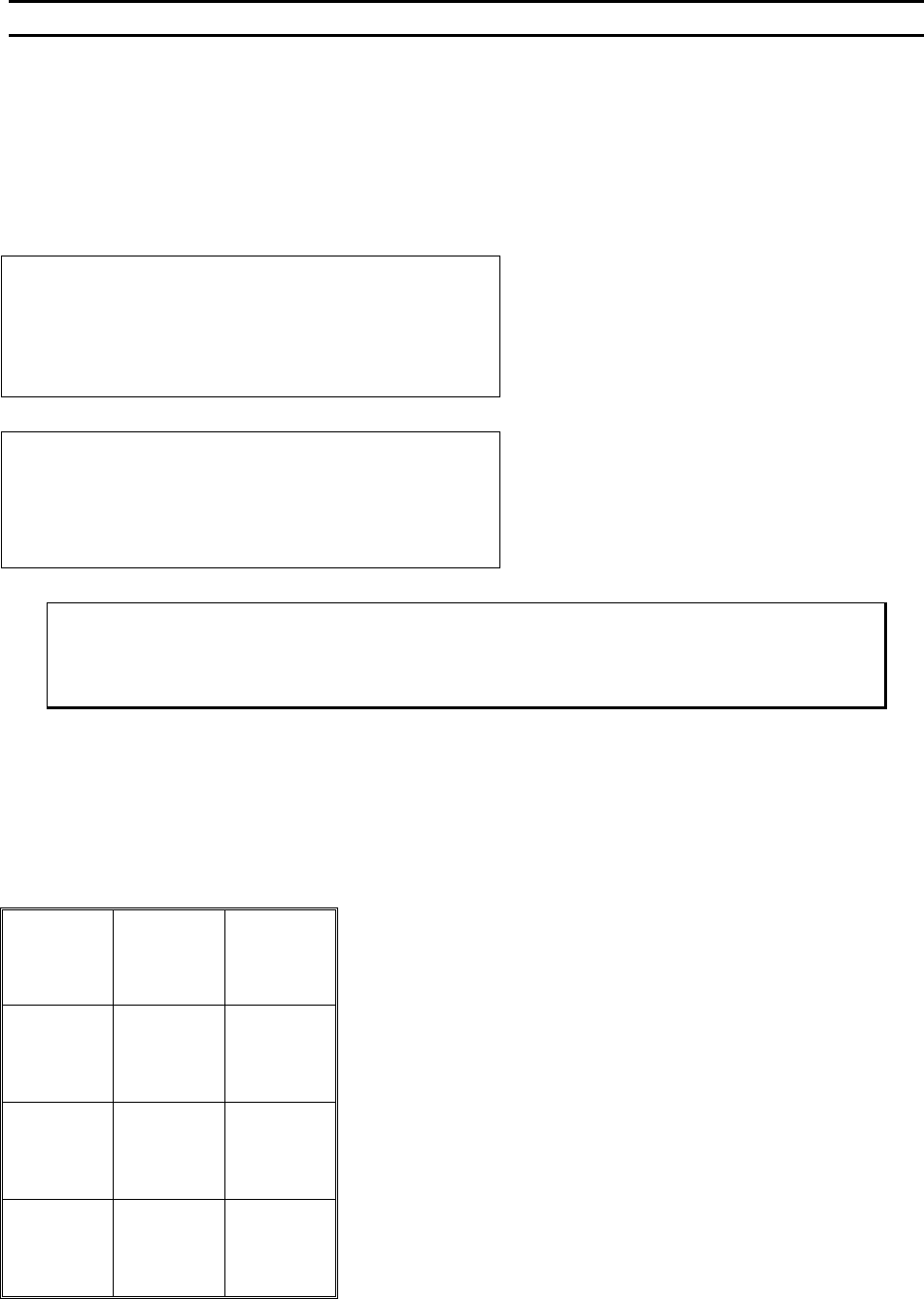
LOOP ELEV before Bond #1: n/a
5=Info
9=Next bond
A=Prev option G=Next option
Notice there is no Loop Elevation setting
available before the first bond. This height is
reached directly before the second bond is
made.
LOOP ELEV before Bond #2: 100 steps
4=Key in 5=Up (0.02083”)
7=Prev bond 8=Suggest 9=Next bond
A=Prev option 0=Down G=Next option
ϑ To call “Loop Elevation”
From the H
OME menu press 4 (EDIT), 0 (EDIT LOOP MOTION), 4 (LOOP EDIT), and then
press 7 (L
OOP ELEVATION).
Key Format:
Escape
1
Go To
Device
2
Home
3
Key In
4
Up
5
6
Previous
Bond
7
Suggest
8
Next
Bond
9
Previous
Option
A
Down
0
Next
Option
G