00194614-08 Trainingsdoku. SG X-Serie_X4i SW70x (AL2)_EN.pdf - 第68页
Overview C&P20A Head Overview of Components Student Guide SIPLACE X-Serie and X4I SW70x (AL2) 68 C&P20A Hea d 3.2.9 C&P20A Head Technical Data Description 3.2.9.1 Description The C&P20A head works accordi…
Overview
Overview of Components SIPLACE Vision
67 Student Guide SIPLACE X-Serie and X4I SW70x (AL2)
IC Camera SST33
IC Camera SST33
Technical Data
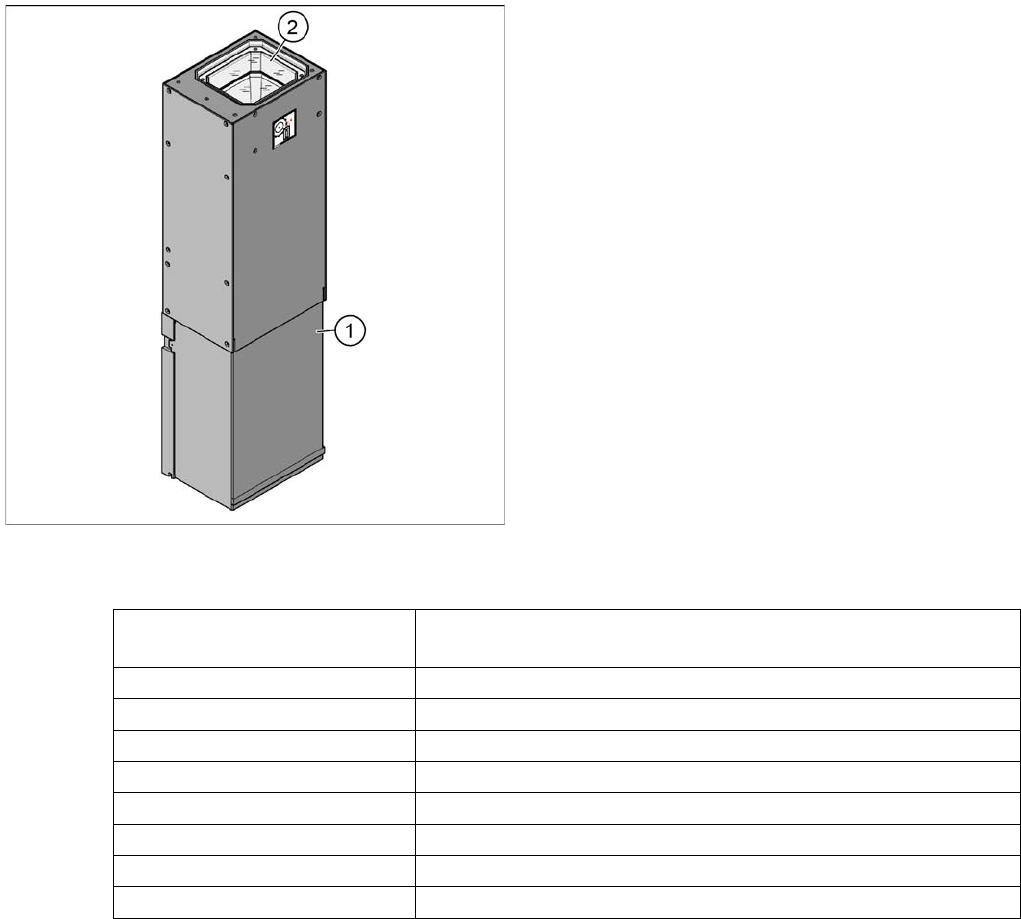
Legend
1. Camera housing with integrated camera and camera
amplifier
2. Inside: the 6 illumination and lens levels
Component size 0.5 mm x 0.5 mm up to 55 mm x 45 mm for single measurement
mode
Components 0402, MELF, SO, PLCC, QFP, electrolytic capacitors, BGA
Minimum lead pitch 0.3 mm
Min. ball pitch 0.45 mm
Min. ball diameter 0.25 mm
Field of vision 65 mm x 50 mm
Type of illumination Front-lighting (6 levels, programable as required)
Resolution 41µm/Pixel
Camera type.sst 33.sst
Overview
C&P20A Head Overview of Components
Student Guide SIPLACE X-Serie and X4I SW70x (AL2) 68
C&P20A Head
3.2.9 C&P20A Head
Technical Data
Description
3.2.9.1 Description
The C&P20A head works according to the Collect&Place principle (C&P), meaning that twenty
components are picked from the feeder modules (X feeders only) in one cycle. The component sensor
checks the pickup/place positions, to see whether a component has been taken by the nozzle or placed
on a board. On the way to the placement position, the components are rotated into the correct placement
position and optically centered. Before placement is performed, the angle and X/Y position correction,
determined by the Vision system, is applied. The X/Y position correction is calculated into the placement
position, while the angle correction is applied separately to each segment. This is possible as each
segment can be rotated independently of the star position. The components are then carefully and
accurately placed down on the board, with an air blast.
The component camera is still integrated into the C&P20A head. This saves additional travel to the
external centering cameras.
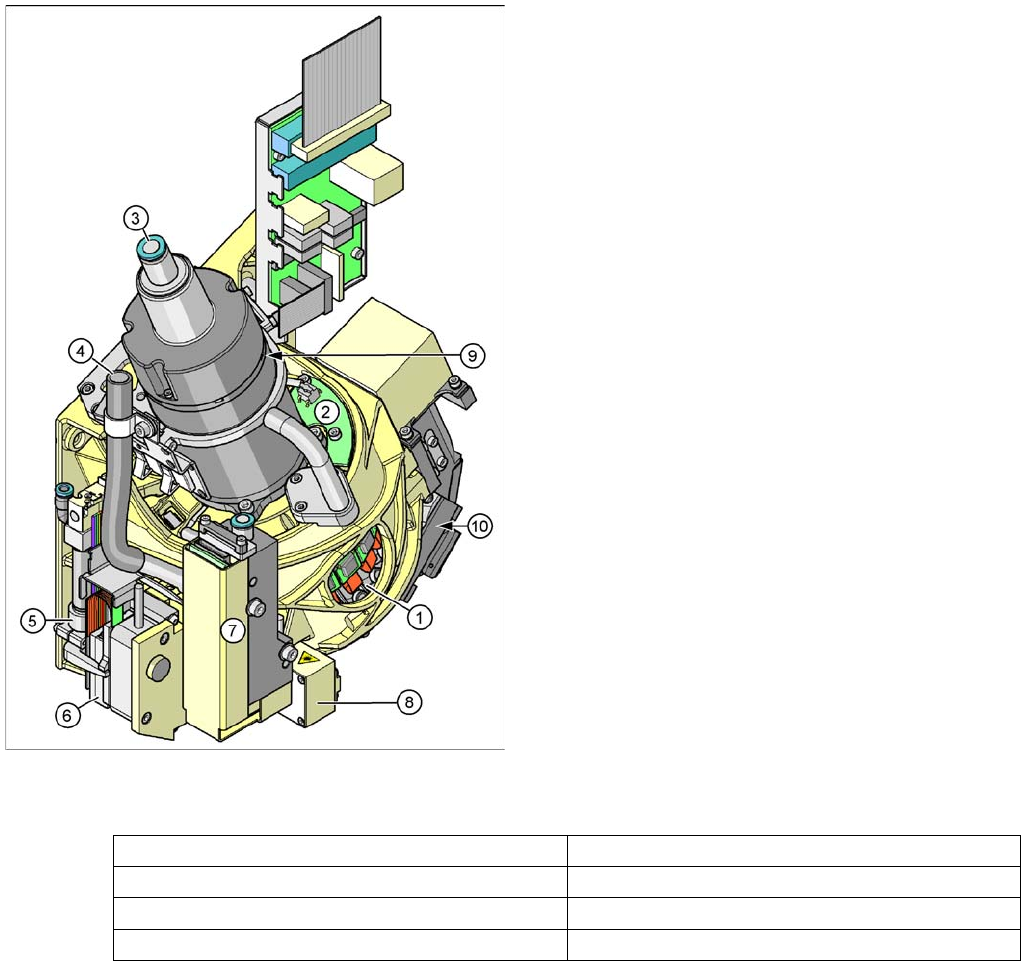
Legend
1. Star with 20 segments (DP drives)
2. Board for "hold circuit vacuum sensor"
3. Compressed air supply for holding, pickup and place
circuits
4. Cooling for X linear motor (discharged air from
pressure control valve)
5. Z axis return cylinder
6. Z linear motor with measuring system
7. Pressure control valve for pickup and place circuit
8. Component sensor
9. Star motor with incremental encoder
10. Component Camera
Components 01005 to 2220, Melf, SOT, SOD
Max. component size 6mm x 6mm x 4mm (LxWxH)
Min. component size 0.4 mm x 0.2 mm (01005)
Max. weight of component 1 g
Overview
Overview of Components C&P20A Head
69 Student Guide SIPLACE X-Serie and X4I SW70x (AL2)
Each segment has its own DP drive for rotating the components into the correct position. The segments
are therefore no longer rotated into the correct angle in one single star position but can now be rotated
separately from one another.
Each segment has its own vacuum generator.
The Z drive for the segments is realized via a linear motor with linear position measuring system, which
makes it highly accurate. In the pickup/place position, the Z axis moves the segments up or down
(vertical direction).
Overview of F unctions for Star Statio ns 1 - 20
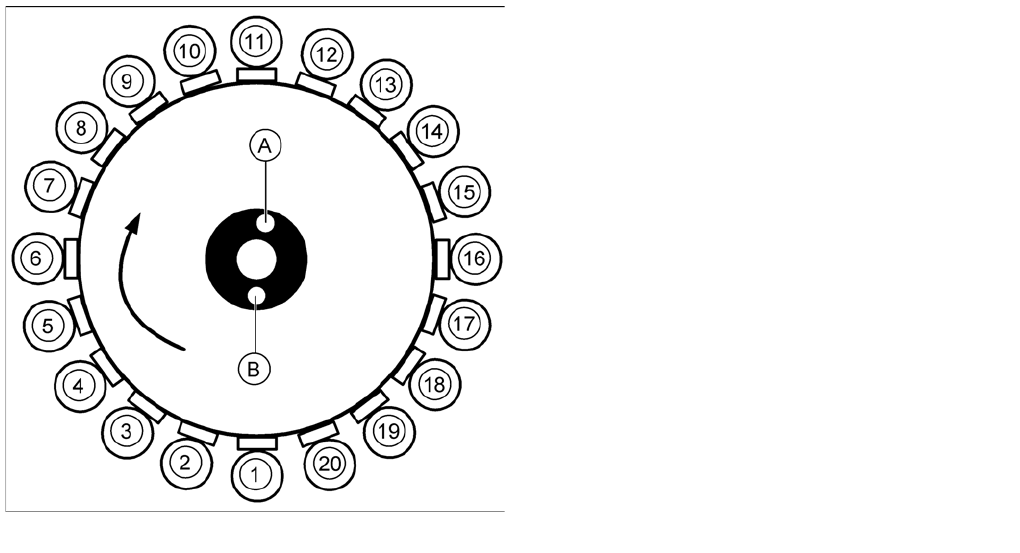
3.2.9.2 Overview of Functions for Star Stations 1 - 20
Star station 1:
▪ Component pickup, placement or rejection
▪ Component sensor: Checks whether component is present after pickup and before placement.
▪ Component sensor: Checks whether no component is present after pickup and before placement.
▪ Vacuum/air blast measurement for pickup/placement circuit
Star station 12:
▪ Vacuum measurement for holding circuit
▪ By rotating the star axis, the vacuum value can be measured at each segment.
Star station 11:
▪ Optical measurement of components
Star station 2 - 10 and 12 - 20
▪ In these star stations, the component at the segment can be rotated into the correct position.
▪ In star stations 2 - 10, the component is rotated into the placement position.
▪ In star stations 12 - 20, angular correction is performed after optical measurement.
▪ Rotation to the correct angle position can be performed at any of the star stations, except 1 and 11.
Overview of functions for star stations 1 - 20
Legend
▪ 1 to 20: star stations 1 to 20
▪ A : Vacuum measurement holding circuit
▪ B : Measurement of pickup/place circuit