IPC 7711A.pdf - 第36页
6. Thickness Coating thickness is determined by visual inspection. Thin coatings show sharp outlines of the components and almost no fillet at intersection points of part leads to the circuit board. Thick coatings reduce…
OUTLINE
This procedure covers the techniques for identifying various
coatings so that the appropriate coating removal method can
be selected.
Conformal Coating Types IPC-CC-830 has superseded
MIL-I-46058 as the primary specification for printed circuit
assembly conformal coatings, and covers the following types
of conformal coatings:
1. Type AR – Acrylic resin (includes lacquers and varnishes)
2. Type ER – Epoxy resin
3. Type SR – Silicone resin
4. Type UR – Polyurethane resin
5. Type XY – Paraxylylene
REFERENCES
2.1 Handling Electronic Assemblies
2.2 Cleaning
2.5 Baking and Preheating
2.6 Epoxy Mixing and Handling
IPC - CC-830
TOOLS AND MATERIALS
Abrasive Discs
Brush
Cleaner
Cleaner Wipes
Cotton Swab
Dental Style Drill
Heated Blade
Knife
Solvent
Thermal Parting Tool
Wood Stick
PROCEDURE
To determine the appropriate coating removal procedure the
coating must first be identified. During original manufacture
the specific coating is usually known. Consequently, the coat-
ing removal methods can usually be specified and based on
the known coatings being used.
When identification of the coating is not available, simple
observation and testing will help identify the coating charac-
teristics so that the proper removal procedure can be speci-
fied.
NOTE
The generic or commercial identification of the coating mate-
rial is not necessary to accomplish coating removal.
1. Hardness
Penetration test in a non-critical area to determine relative
hardness. The harder the coating the more suitable to
pure abrasive techniques. The softer and gummier the
coatings the more suitable to the brushing removal pro-
cedures.
2. Transparency
Obviously transparent coatings are usually more suitable
for removal than the opaque type. Removal methods
used with opaque coatings must be far more controllable
and less sensitive to damaging the covered components
and printed board surfaces and are usually slower.
3. Solubility
Most coatings are soluble; however, the solvent required
to dissolve a specific coating may also attack the board
and/or components. Unless directed by other mainte-
nance actions, the solubility test and solvent use should
be limited to isopropyl alcohol. Test coat the surface in a
noncritical area by brushing on a small quantity and
observing the solubility action.
CAUTION
Printed board assemblies should not be immersed in
harsh solvents.
4. Thermal Removal
Use a thermal parting device with controlled heating and
without a cutting edge to determine whether the coating
can be thermally removed. Start with a low temperature,
approximately 100°C, and increase the temperature until
the coating is removed. If the coating flows or gums up,
the temperature is too hot or the coating is not suitable
for thermal removal.
5. Stripability
Carefully slit the coating with a sharp blade in a non-
critical area and try to peel back from the surface to
determine if this method is feasible. Due to the adhesion
required of coating materials, stripable techniques with-
out chemical aids is usually very limited.
Product Class: R, F, W, C
Skill Level: Advanced
Level of Conformance: High
7711A/7721A
General Information and
Common Procedures
Revision:
Date: 2/98
Coating Removal, Identifi-
cation of Conformal Coating
Number: 2.3.1
Material in this manual, IPC-7711 Rework of Electronic Assemblies, was voluntarily established by Technical Committees of
IPC. This material is advisory only and its use or adaptation is entirely voluntary. IPC disclaims all liability of any kind as to the
use, application, or adaptation of this material. Users are also wholly responsible for protecting themselves against all claims
or liabilities for patent infringement. Equipment referenced is for the convenience of the user and does not imply endorsement
by IPC.
Page1of4
Copyright Association Connecting Electronics Industries
Provided by IHS under license with IPC
Not for Resale
No reproduction or networking permitted without license from IHS
--``,``,-`-`,,`,,`,`,,`---
6. Thickness
Coating thickness is determined by visual inspection. Thin
coatings show sharp outlines of the components and
almost no fillet at intersection points of part leads to the
circuit board. Thick coatings reduce these sharp outlines
and show fillets where part leads intersect with the board.
Coatings thinner than 0.064 cm are considered thin.
Coatings thicker than 0.064 cm are classed as thick.
The specific coating to be removed may have one or
more of these characteristics and consequently the
removal method selected should consider the composite
characteristics.
See Figure 1 for Conformal Coating Identification.
See Table 1 for Conformal Coating Characteristics.
See Table 2 for Conformal Coating Removal Methods.
EVALUATION
NOTES
IPC-7711A/7721A
Number: 2.3.1
Revision:
Date: 2/98
Subject: Coating Removal, Identification of Conformal Coating
Page2of4
Copyright Association Connecting Electronics Industries
Provided by IHS under license with IPC
Not for Resale
No reproduction or networking permitted without license from IHS
--``,``,-`-`,,`,,`,`,,`---
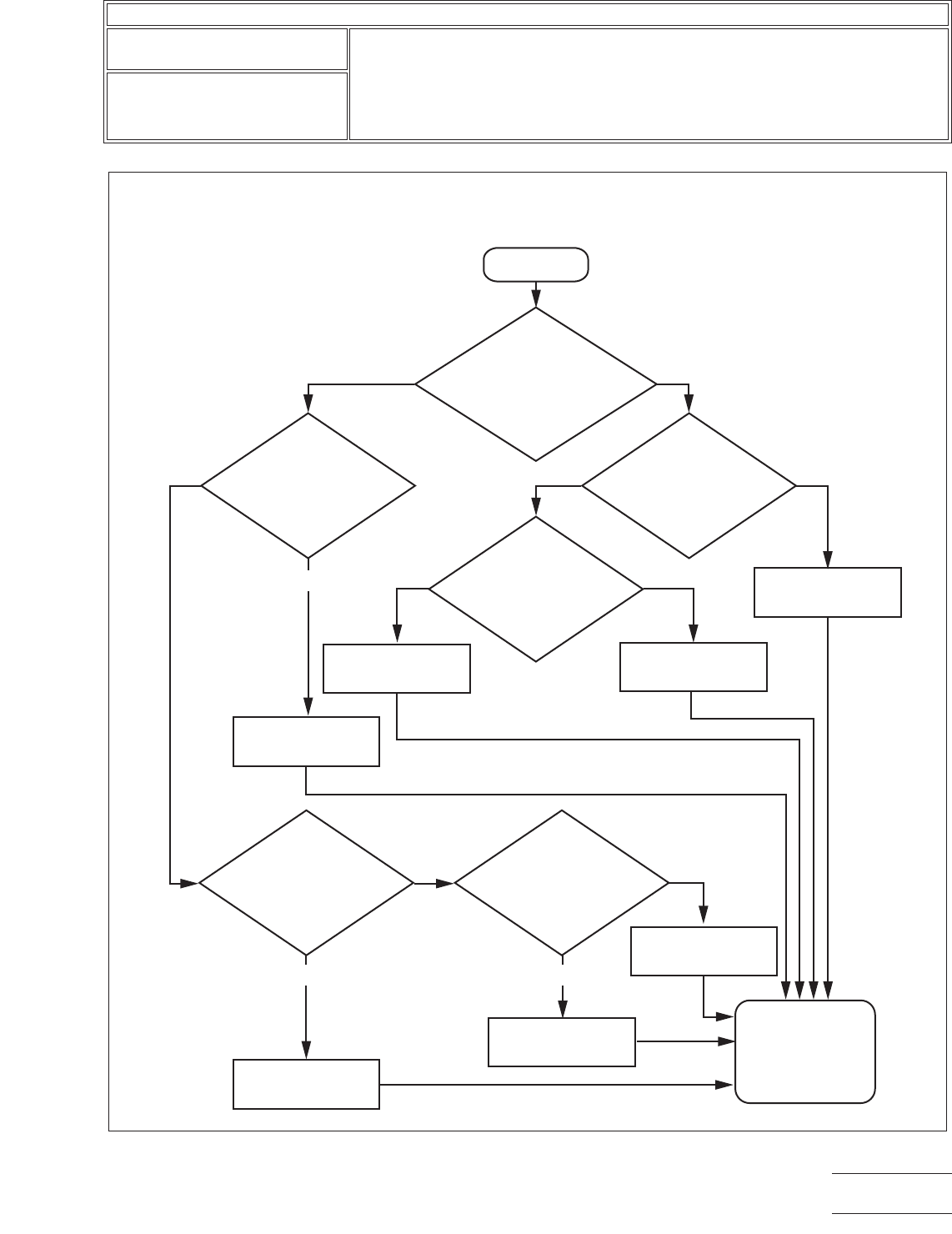
Figure 1 Conformal Coating Identification
CONFORMAL COATING IDENTIFICATION
START
DOES THE
COATING FEEL
SOFT/RUBBERY/
SPONGY
DOES THE
COATING HAVE A
NOTICEABLE
REACTION
TO HEAT
DOES THE
COATING HAVE A
NOTICEABLE
REACTION
TO HEAT
IS THE COATING
THICK AND HAVE A
DULL SURFACE
POLYURETHANE
POLYURETHANE
RTV
ENCAPSULATION
SILICON
RESIN
DOES THE
REACTION FORM A
WHITE POWDER
IDENTIFICATION
COMPLETE
USE TABLE 1 FOR
CONFIRMATION
IS THERE A
REACTION TO
ALCOHOL
ACRYLIC
LACQUER
EPOXY
PARAXYLYLENE
NO
NO
NO
NO
NO
YES
YES
YES
YES
NO
YES
YES
IPC-7711A/7721A
Number: 2.3.1
Revision:
Date: 2/98
Subject: Coating Removal, Identification of Conformal Coating
Page3of4
Copyright Association Connecting Electronics Industries
Provided by IHS under license with IPC
Not for Resale
No reproduction or networking permitted without license from IHS
--``,``,-`-`,,`,,`,`,,`---