IPC 7711A.pdf - 第37页
Figure 1 Conformal Coating Identification CONFORMAL COA TING IDENTIFICA TION ST ART DOES THE COA TING FEEL SOFT/R UBBER Y/ SPONGY DOES THE COA TING HA VE A NO TICEABLE REA CTION T O HEA T DOES THE COA TING HA VE A NO TICE…

6. Thickness
Coating thickness is determined by visual inspection. Thin
coatings show sharp outlines of the components and
almost no fillet at intersection points of part leads to the
circuit board. Thick coatings reduce these sharp outlines
and show fillets where part leads intersect with the board.
Coatings thinner than 0.064 cm are considered thin.
Coatings thicker than 0.064 cm are classed as thick.
The specific coating to be removed may have one or
more of these characteristics and consequently the
removal method selected should consider the composite
characteristics.
See Figure 1 for Conformal Coating Identification.
See Table 1 for Conformal Coating Characteristics.
See Table 2 for Conformal Coating Removal Methods.
EVALUATION
NOTES
IPC-7711A/7721A
Number: 2.3.1
Revision:
Date: 2/98
Subject: Coating Removal, Identification of Conformal Coating
Page2of4
Copyright Association Connecting Electronics Industries
Provided by IHS under license with IPC
Not for Resale
No reproduction or networking permitted without license from IHS
--``,``,-`-`,,`,,`,`,,`---
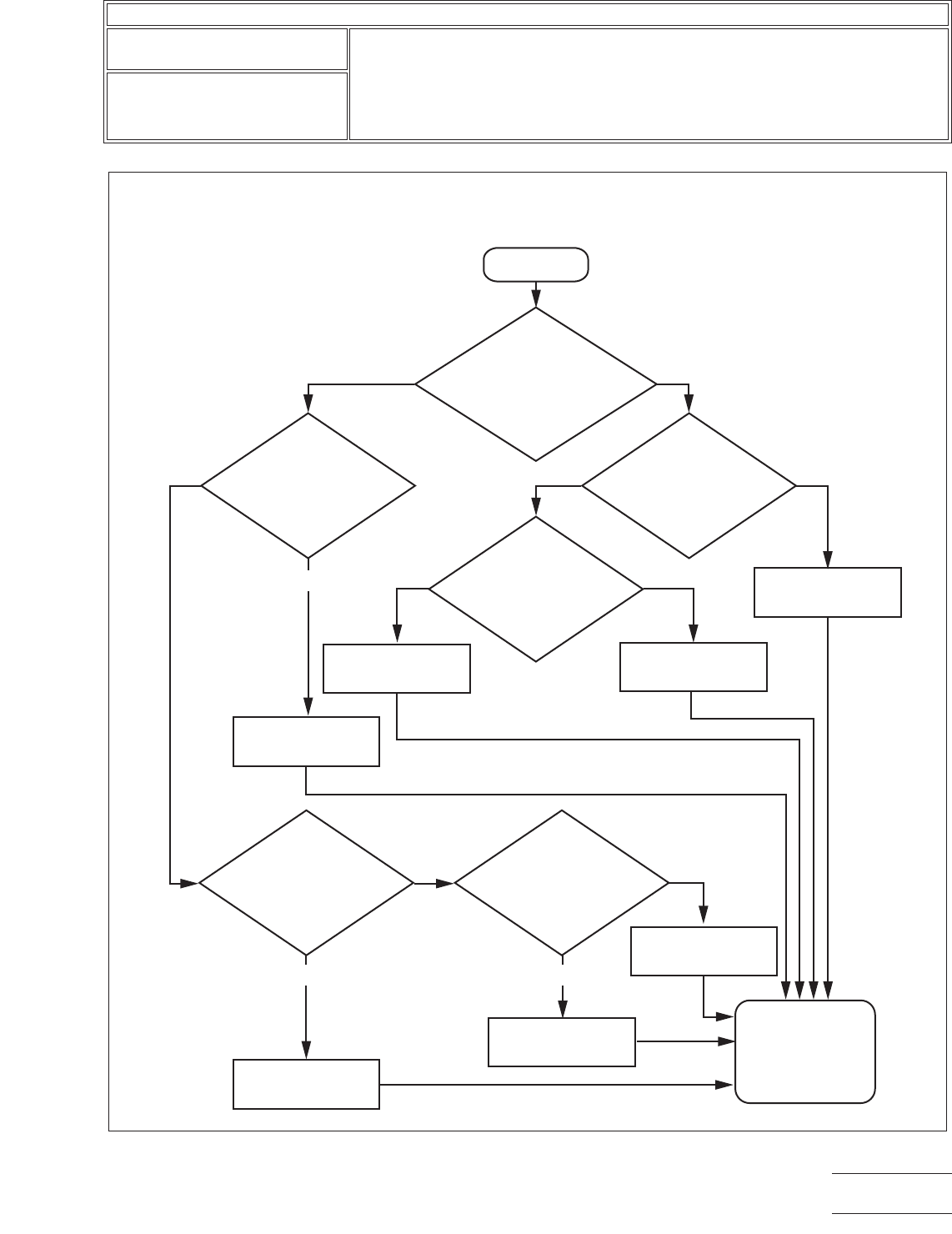
Figure 1 Conformal Coating Identification
CONFORMAL COATING IDENTIFICATION
START
DOES THE
COATING FEEL
SOFT/RUBBERY/
SPONGY
DOES THE
COATING HAVE A
NOTICEABLE
REACTION
TO HEAT
DOES THE
COATING HAVE A
NOTICEABLE
REACTION
TO HEAT
IS THE COATING
THICK AND HAVE A
DULL SURFACE
POLYURETHANE
POLYURETHANE
RTV
ENCAPSULATION
SILICON
RESIN
DOES THE
REACTION FORM A
WHITE POWDER
IDENTIFICATION
COMPLETE
USE TABLE 1 FOR
CONFIRMATION
IS THERE A
REACTION TO
ALCOHOL
ACRYLIC
LACQUER
EPOXY
PARAXYLYLENE
NO
NO
NO
NO
NO
YES
YES
YES
YES
NO
YES
YES
IPC-7711A/7721A
Number: 2.3.1
Revision:
Date: 2/98
Subject: Coating Removal, Identification of Conformal Coating
Page3of4
Copyright Association Connecting Electronics Industries
Provided by IHS under license with IPC
Not for Resale
No reproduction or networking permitted without license from IHS
--``,``,-`-`,,`,,`,`,,`---
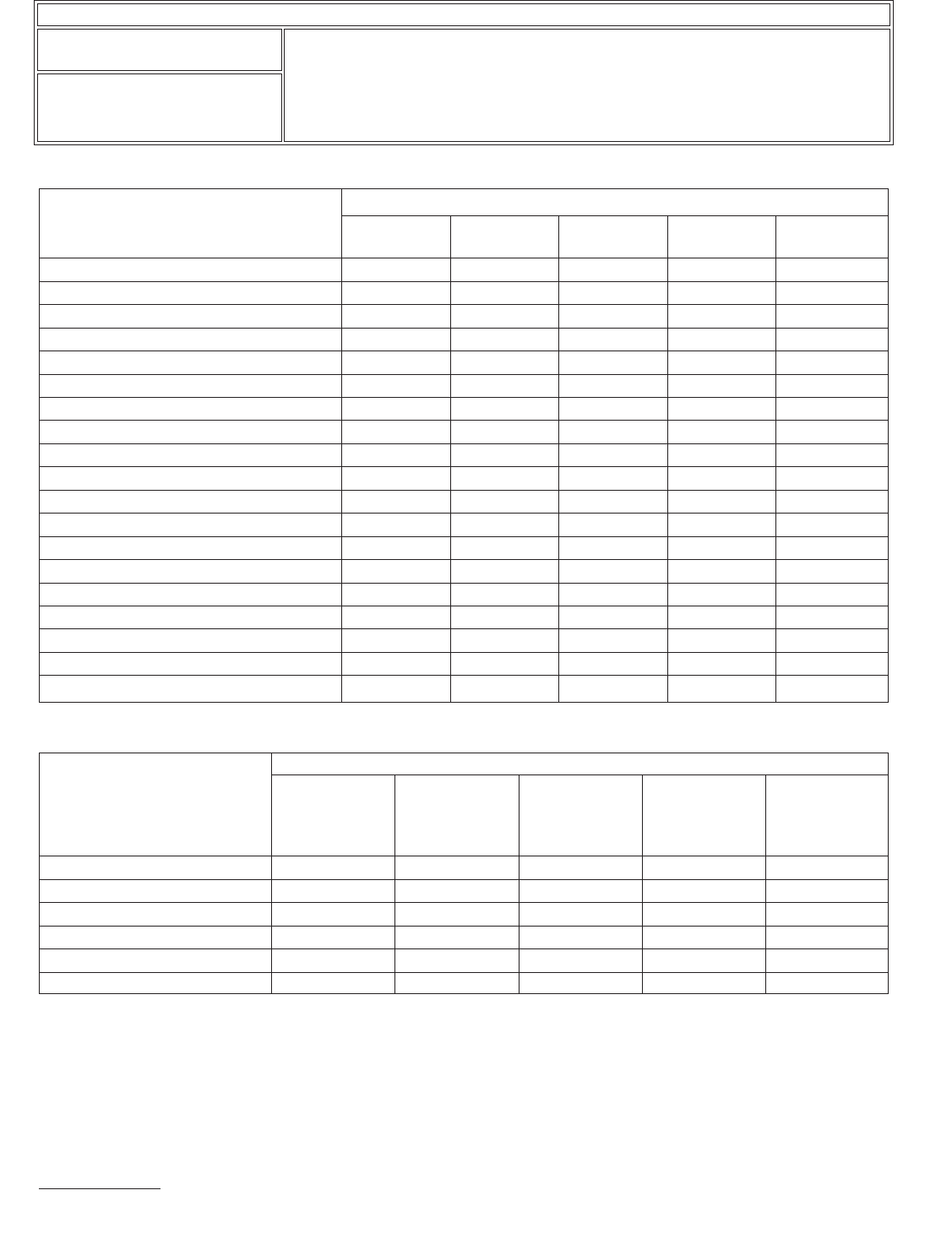
Table 1 Conformal Coating Characteristics
Characteristics
Conformal Coating Type
Epoxy Acrylic
Poly-
urethane
Silicone
Resin
Para-
xylylene
Hard UUU
Medium Hard UU
Soft UU
Heat Reaction UUU
Surface Bond - Very Strong UUU
Surface Bond - Strong UU
Surface Bond - Medium UU
Surface Bond - Light U
Solvent Reaction U
Non-porous Surface UUU U
Glossy Surface UUU
Semi-glossy Surface UU
Dull Surface U
Rubbery Surface U
Brittle UU
Chips UU
Peels and Flakes UU U
Stretches UU
Scratch, Dent, Bend, Tear UUU
Table 2 Conformal Coating Removal Methods
Conformal Coating
Removal Method
2.3.2
Solvent Method
2.3.3
Peeling Method
2.3.4
Thermal
Method
2.3.5
Grinding
Scraping
Method
2.3.6
Micro Blasting
Method
Paraxylyene 1 2 3
Epoxy 123
Acrylic 1 2 3 4
Polyurethane 3 1 2 4
Silicone Thin 1 2 3 4
Silicone Thick 1 2
NOTE: The preferred order for applying removal methods to specific coatings is numerically indicated. These removal methods are listed in ascending order.
More than one method may be required.
IPC-7711A/7721A
Number: 2.3.1
Revision:
Date: 2/98
Subject: Coating Removal, Identification of Conformal Coating
Page4of4
Copyright Association Connecting Electronics Industries
Provided by IHS under license with IPC
Not for Resale
No reproduction or networking permitted without license from IHS
--``,``,-`-`,,`,,`,`,,`---