00193786-02.pdf - 第43页
S I P L A C E G EM S W V e r s i on G EM 505 . 03 SP 1 H O S T I n t e r f a c e M anua l ©S i e m en s A G, a ll r i gh t s r e s e r v ed page 43 o f 241 Li m i t s T a bl e T h i s t ab l e li s t s t he V a r i ab l …

SIPLACE GEM SW Version GEM 505.03 SP1 HOST Interface Manual
Page 42 of 241 ©Siemens AG, all rights reserved
{XE "S6F17"}S6F17 Host requests an Annotated Event Report associated with a
CEID.
{XE "S6F19"}S6F19 Host requests an Event Report associated with a Report ID.
{XE "S6F21"}S6F21 Host requests an Annotated Event Report associated with a
Report ID.
3.4.6 Time Driven Trace{XE "Time Driven Trace"}
The SIPLACE supports Time Driven Trace initiated from the Host. The Host initializes a
trace using {XE "S2F23"}S2F23. The Equipment will send the data requested after the
specified time interval has expired. The data will be sent using the {XE "S6F1 "}S6F1
({XE "Trace Data Send"}Trace Data Send) message.
The Equipment can handle several concurrent traces. The number of concurrent traces
is determined by the size of the trace data requested. The Equipment can support at
least four concurrent traces to a maximum size (i.e. all variables requested).
The equipment allows Host definition of trace data to exceed the one-block limit when
reported. That is, the SEMI E5 standard states that the S6F1 (Trace Data Send)
message is limited to a single SECS block; but the Equipment will allow this point to be
overlooked at the Host's request. If the Host does define trace data to be larger than one
SECS block, then the Equipment will send the multiple blocks, not preceded by the
S6F5/S6F6 Inquire/Grant scenario.
3.4.7 Limits Monitoring{XE "Limits Monitoring"}
The Host can define limits for various Variables on the SIPLACE. When the appropriate
limits transitions occur, the SIPLACE will report this occurrence by sending an event to
the Host (if the event is enabled). The Host may define limits for a particular Variable
through the {XE "S2F45 "}S2F45 (Define Variable Limit Attributes). Through this
message, the Host may define up to seven limits for each eligible Variable. For each
limit ({XE "LIMITID"}LIMITID), the Host defines an {XE "UPPERDB "}UPPERDB and a
{XE "LOWERDB"}LOWERDB. The SIPLACE generates events when a transition across
these boundaries occurs. The Host may set the rate at which the SIPLACE polls the
Variables to determine if a limit has been crossed by setting the {XE "GEMLIMITSTIMER
"}GEMLIMITSTIMER variable (VID 65).
SIPLACE GEM SW Version GEM 505.03 SP1 HOST Interface Manual
©Siemens AG, all rights reserved page 43 of 241
Limits Table
This table lists the Variables for which the Host may set limits and the event which is
called in case of a Limits Monitoring transition.
VID Variable Min Max Event
Event Signaling
For any event that exists on the Equipment, the event message will be sent to the Host
only if the reporting for that particular event has been enabled. In this "EVENT
SIGNALLING" section, assume that the Host has enabled the proper reporting so that
these events will be sent to the Host.
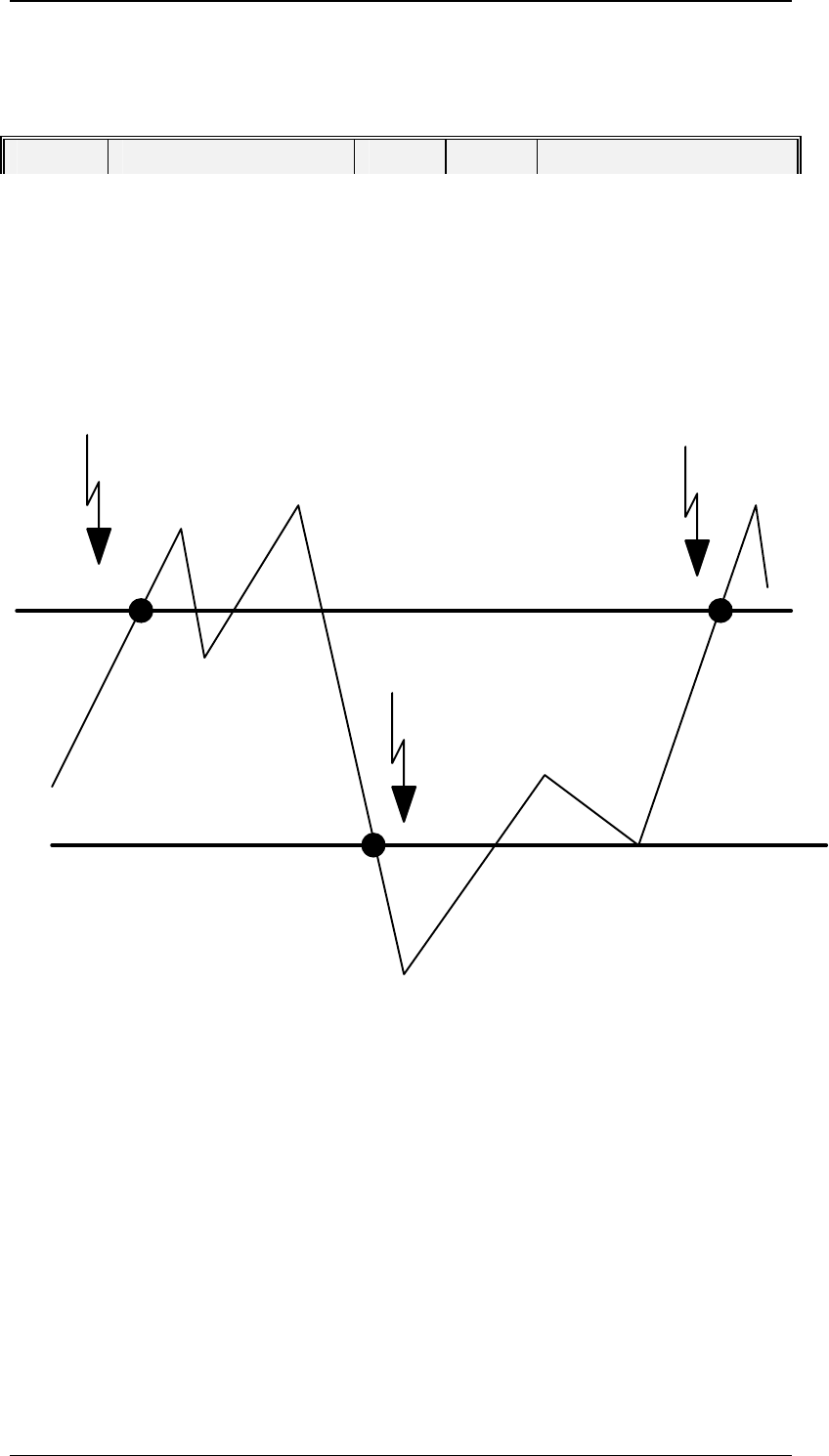
After the Host sets UPPERDB and LOWERDB values for a particular limit, the SIPLACE
will send an event message when a transition occurs across these boundaries. The
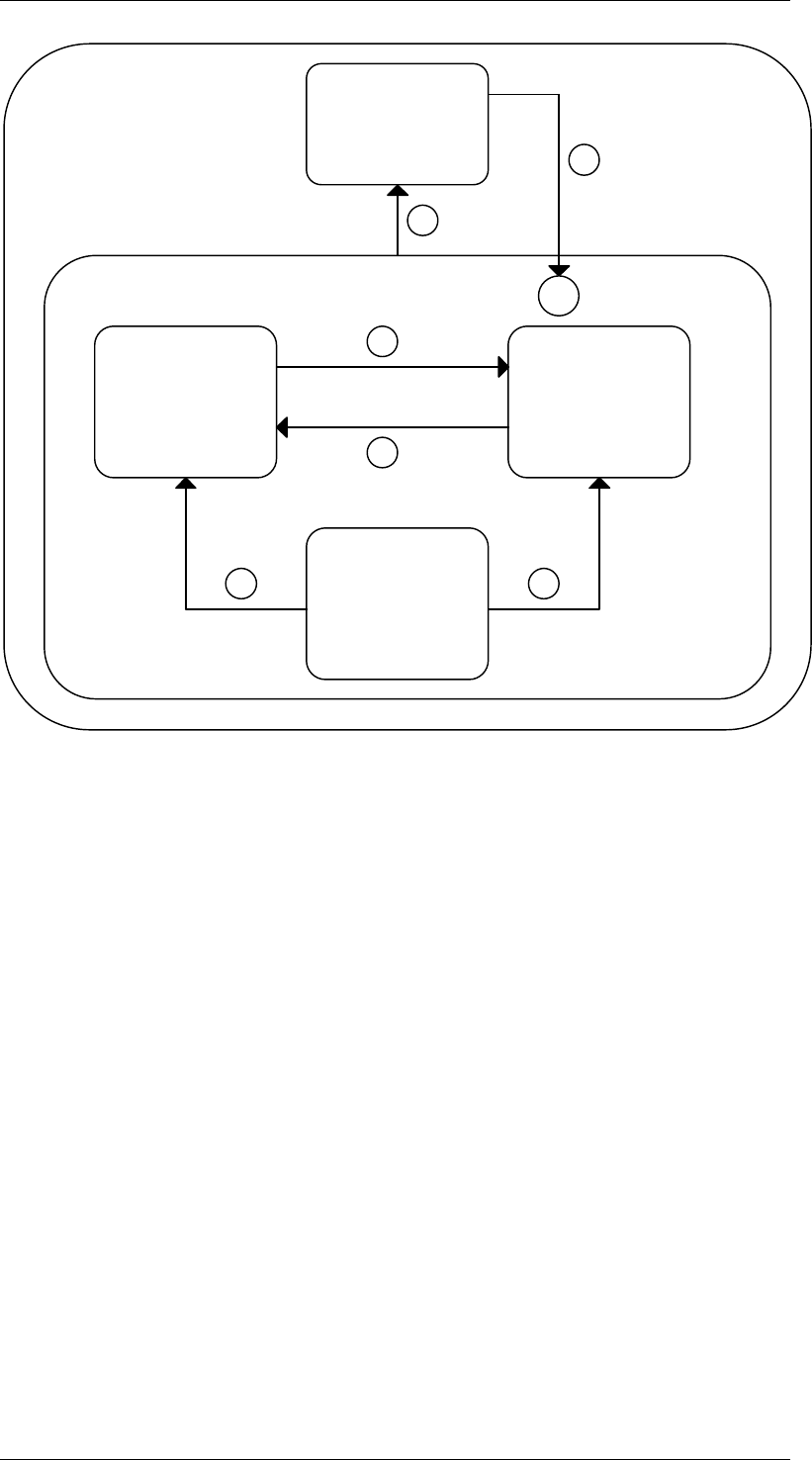
procedure for reporting is explained in the following chart and state chart diagram:
UPPERDB
LOWERDB
Limit Transition
Event
Limit Transition
Event
Limit Transition
Event
Limits Events Signaling
SIPLACE GEM SW Version GEM 505.03 SP1 HOST Interface Manual
Page 44 of 241 ©Siemens AG, all rights reserved
Below LimitAbove Limit
No Zone
56
4
3
Disabled
C
1
Enable
Linits States
2
Limits State Diagram