RDS_Lacktrockner_en - 第4页
4 Protective lacquer coatings increase the reliability and service life of your products. They enhance the tracking resistance of your components and provide protection against environmental inuences such as moisture, c…
3
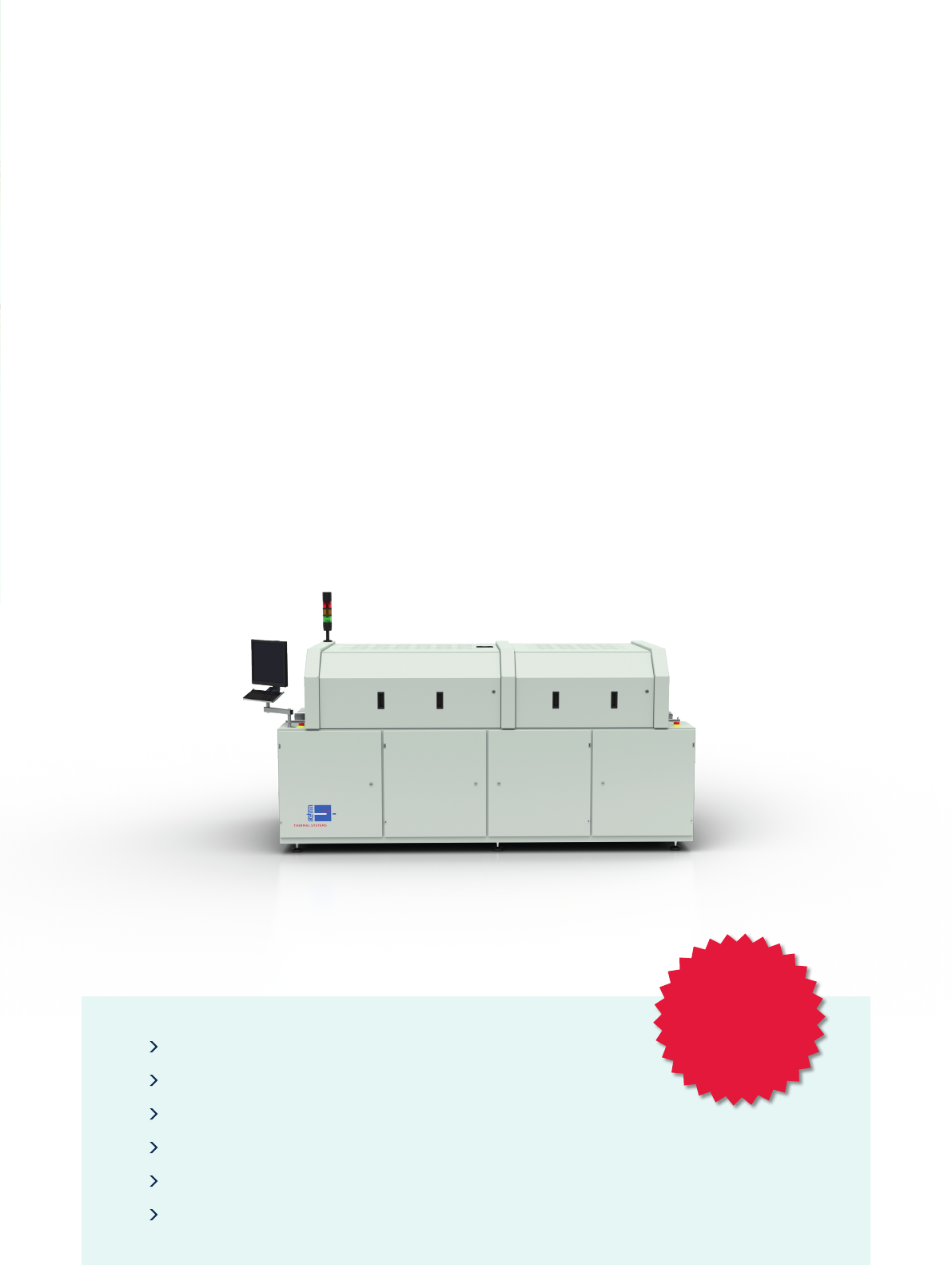
The RDS drying systems are used predominantly
for drying and hardening lacquers, adhesives
and casting compounds. Not only do they ope-
rate reliably and eciently, they also offer indivi-
dual solutions for specic elds of industry.
From sensitive applications in semiconductors
through to a complete conformal coating line
with built-in dispenser for the precise application
and drying of coating lacquers – we’re happy
to advise you on the individual possibilities
and system congurations we can implement
for your special requirements. The RDS drying
systems are flexible and offer sufcient scope
to execute applications from the most diverse of
application elds. Our mature technology covers
the processing of all common adhesives and
lacquers, electropastes, casting compounds,
casting resins and underll materials.
Heat transfer via convection and IR radiation
Flexible transport systems
Optimum proling
Exceptional energy eciency
Simple operation and process traceability
Minimal maintenance
Flexible, safe and ecient
Mature technology and expertise
Can be
perfectly
integrated
into the
line!
4
Protective lacquer coatings increase the reliability and
service life of your products. They enhance the tracking
resistance of your components and provide protection
against environmental inuences such as moisture,
corrosion, chemicals and dust. Casting compounds reduce
mechanical stress, for example vibrations on the component.
These materials need to be hardened reliably so that they
can later work without any problems in end devices in the
automotive industry, medical technology or security-related
modules in aerospace technology. The lacquer determines
the process! Depending on the coating material, convection
(i.e. moving warm air) is used in the drying process, or infrared
radiation as an addition in the combination heating process
for particularly flexible proling. In the process, temperatures
up to a maximum of 250 °C are used for optimum hardening
of the components, depending on the product and process
requirements.
The perfect system for every application
Endless opportunities with the RDS
Industrial elds
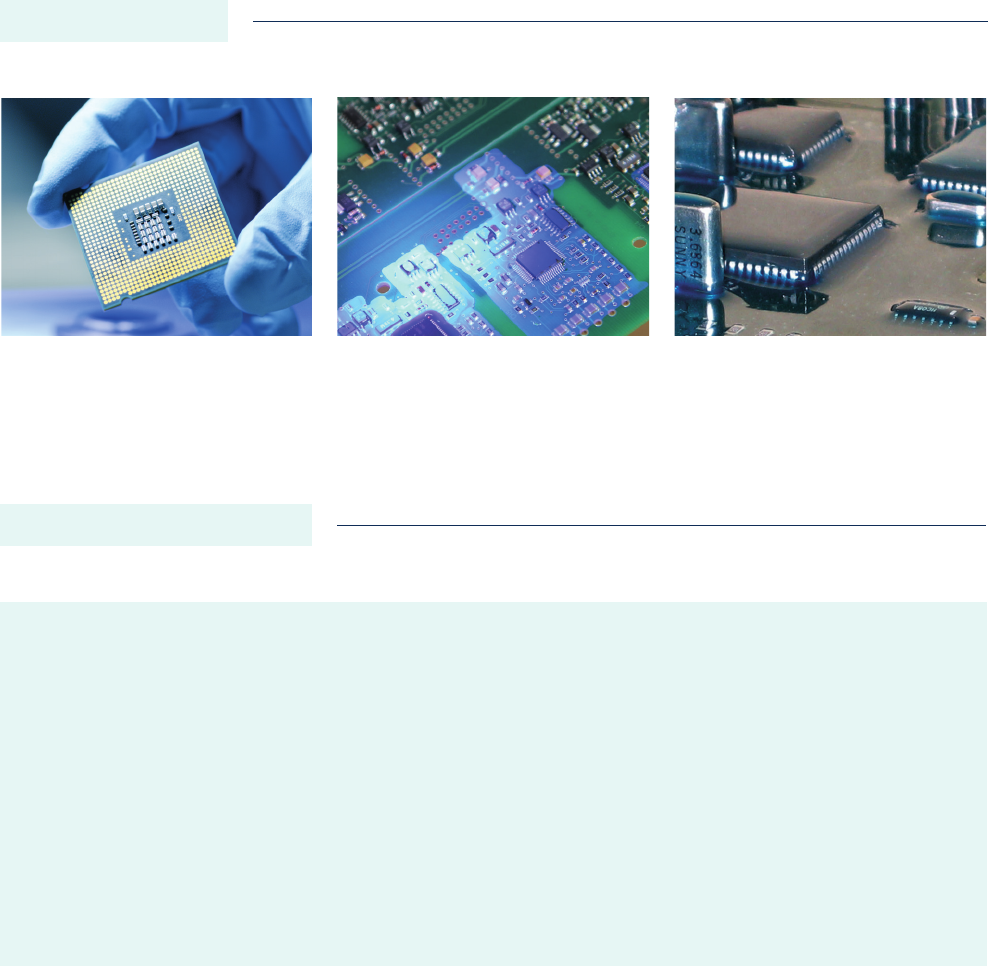
Hardening and drying technologies for cleanroom
requirements in the semiconductor industry
Hardening of adhesives, lacquers, casting resins,
casting compounds, silicone gel etc.
Drying process for
protective lacquer coating
RDS areas of application
Glass | Glob top applications | Hardening of electropastes | Chip-scale packaging | Hardening of
protective lacquers| Burn-in of resistor pastes | Hardening of casting compounds | Hardening of
adhesive lacquers and adhesives | Hardening of green tape/ceramic blanks | Hardening of compo-
nent encapsulations | Flip-chip processes | Drying processes in hybrid metallisation | Cleanroom
requirements | Hardening processes in hybrid production | Hardening of resistor pastes in thick-lm
technology | Hardening of underll materials | Hardening of casting resins | Cavity ll for BGA housing
5
Lacquer and casting hardening
To achieve the best drying results, it is important to precisely
coordinate the process and material. We differentiate between
physically hardening lacquers, which harden very quickly pure-
ly with the release of solvents, oxidative-hardening lacquers,
which dry with atmospheric oxygen, chemically hardening
lacquers, often 2K materials and radiation-hardening
lacquers which harden with UV radiation, for example. A
separate UV dryer is required for the latter. The RDS systems
are perfect for hardening polyurethane resin, acrylic resin,
epoxy resins, acrylate resins and silicone-based casting
compounds.
A slow heating of the assembly is essential, particularly
when it comes to protective coatings that contain volatile
solvents, because an excessively high temperature gradient
during the heating phase can cause the top layer of the
coating to harden too quickly and the underlying solvent
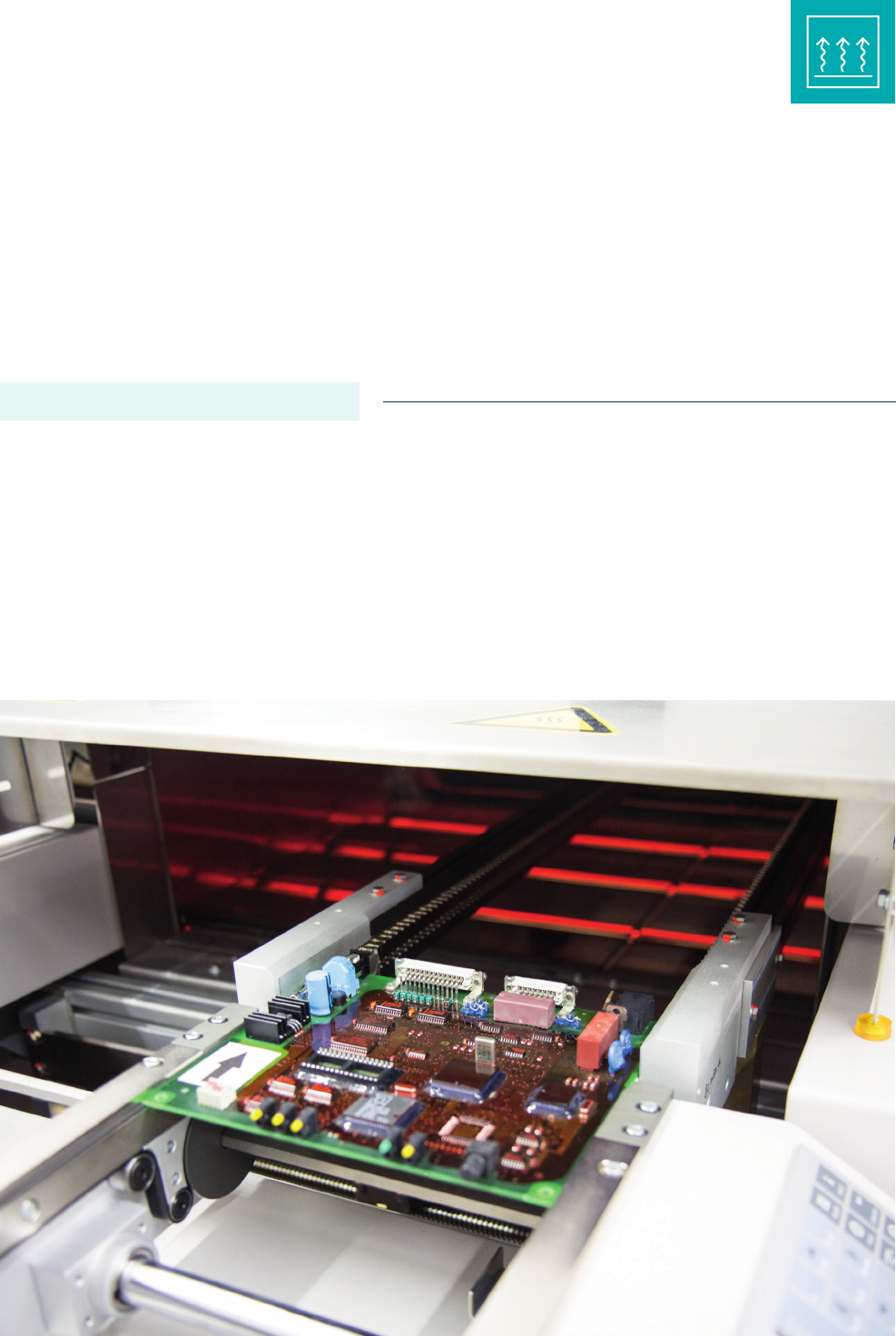
will no longer be able to escape. For this reason, the drying
systems from Rehm Thermal Systems feature two short
zones at the inlet area which are regulated separately in
order to provide the optimum temperature gradient for the
corresponding paint.
Innovative procedures
adjusted to material and product