Vision_Serie_EN_2023 - 第21页
21 In a reference run with an original as - sembly, additional time and temperature data are recorded. This data is pro vided by a specialized multi-thermocouple. 3. Reference Run 4. Prole Prediction For every subsequen…
20
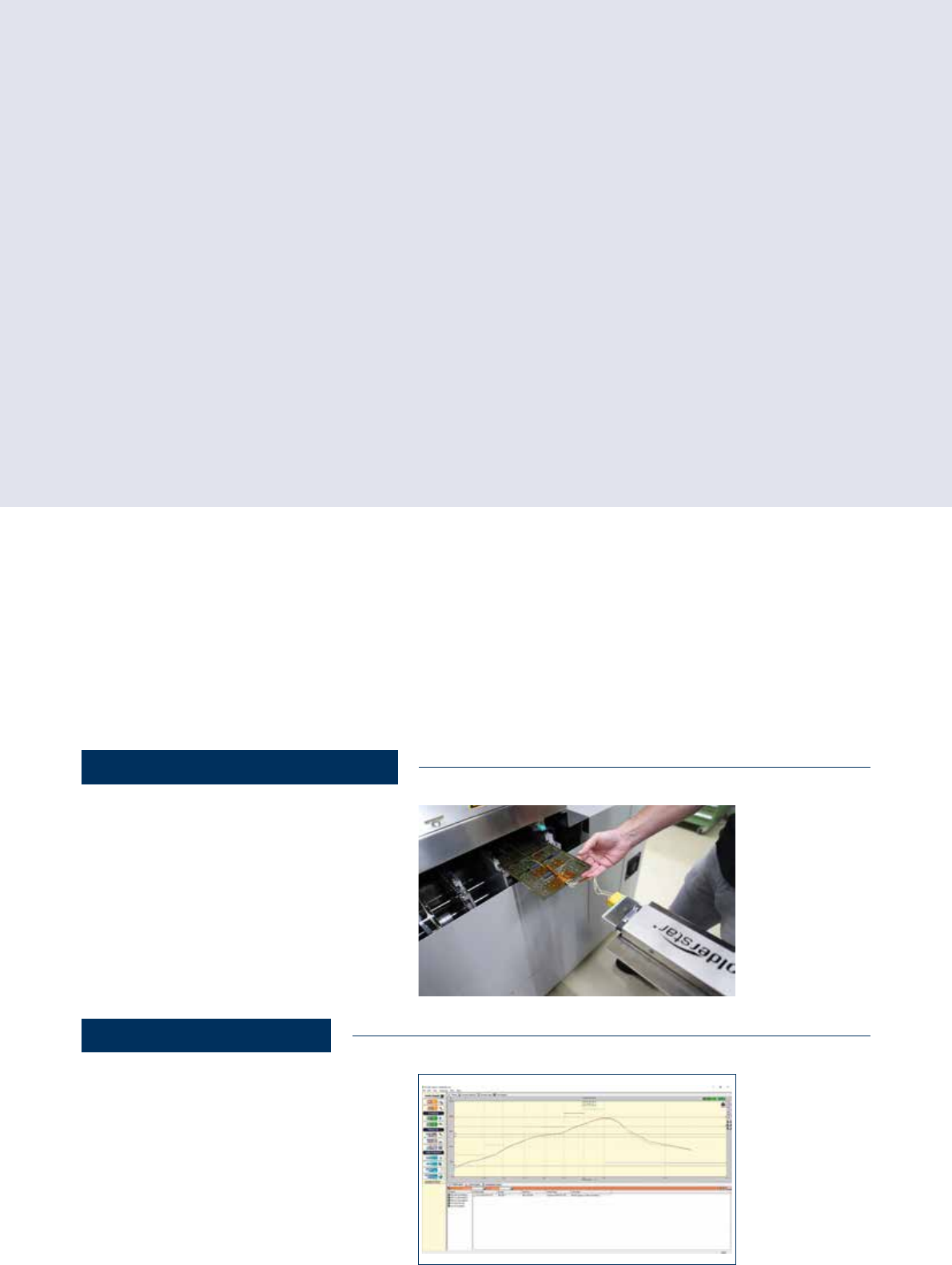
Using a data logging device, tempera-
tures of the assembly prepared with
temperature sensors are recorded.
1. Temperature Data Acquisition
2. Data Export
The recorded temperatures are im-
ported into the ViCON software of the
soldering system.
Procedure for
Temperature Proling
Using a data logging device, temperatures of a prepared assembly with temperature sensors
are recorded. Additionally, a reference measurement is conducted with an identical, unpre-
pared assembly. The temperature data captured during the reference measurement are then
linked with the temperature data from the data logger. This enables a prole prediction to be
generated for all subsequent assemblies that pass through the soldering system. This prole
prediction is displayed as an envelope curve graph. If the prole prediction falls outside the
envelope curve, an alarm notication is triggered.
Four Steps to Achieve Your Goal
Easy Envelope Curve Creation
Vision-Series | Profiling
21
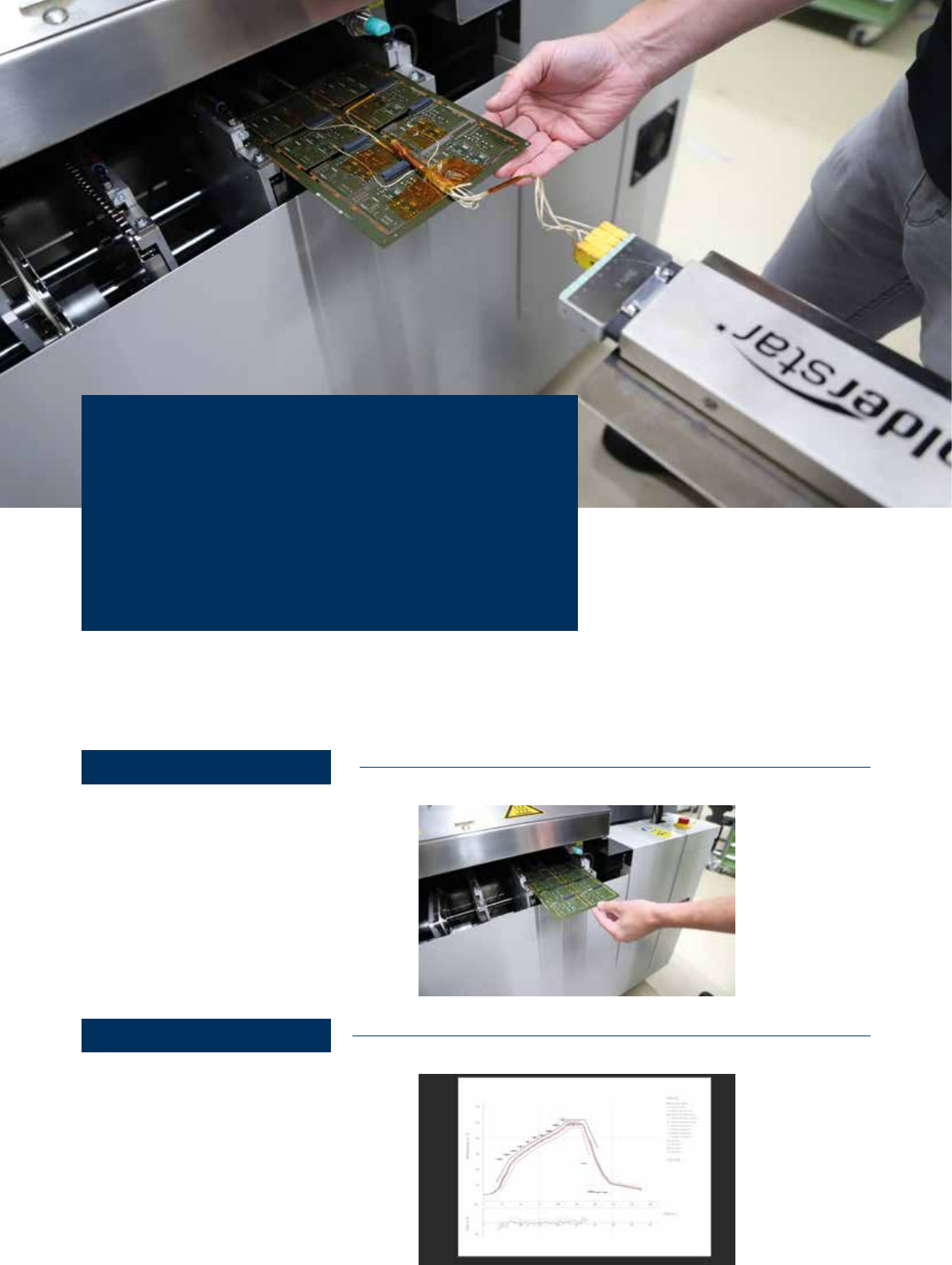
In a reference run with an original as-
sembly, additional time and temperature
data are recorded. This data is provided
by a specialized multi-thermocouple.
3. Reference Run
4. Prole Prediction
For every subsequent assembly that
passes through the soldering system,
a prole prediction is generated in the
form of an envelope curve graph. The
envelope curve must be dened once.
Continuous Monitoring of Your Soldering Process
Steps 1 through 4 need to be performed only once for each assembly.
When the program is loaded and ProMetrics is activated, every assem-
bly is subsequently monitored within an envelope curve graph.
If the prole prediction exceeds the upper or lower limit of the envelope
curve, an alarm notication is triggered. The calculated PWI value is
responsible for this prole prediction alarm
Vision-Series | Profiling
22
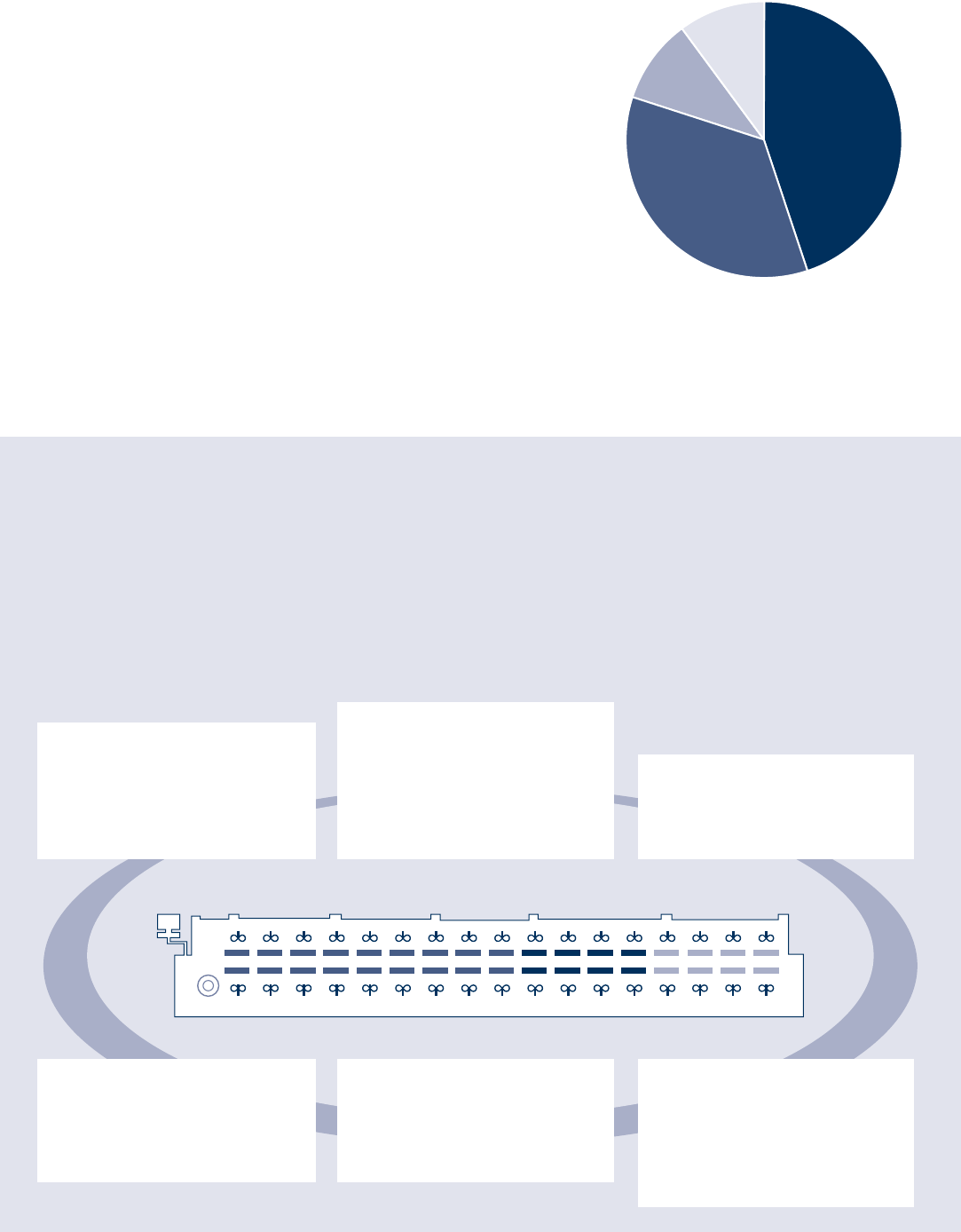
Recordable apportionment of
costs over the system life cycle
Total Cost of Ownership
Searching the true costs
We are aware that the idea of investing in a machine go further than
just the one-off cost. Which daily operating costs are taken into ac-
count? As can be produced optimally conserve resources? And how
often is a maintenance necessary?
Against the backdrop of the current economic environment, compa-
nies need when purchasing their production equipment and of course
to think about where savings are possible. The "Total Cost of Owner-
ship" program Rehm provides answers to these challenges. It aims
to help companies to reduce their operating costs over the long term
and maximize protability.
Factors of inuence operating a soldering system
using the example of VisionXP+
Our systems enable a particularly efcient production. They are equipped with several features
like optimum insulation, best heating and cooling performance and stand-by mode, which protect
both your pocket book and the environment on a sustainable and long term basis.
Power
› Stand-By-Mode
› Innovative fan control
› 3-stage Eco-Mode
Nitrogen
› Sealed process chamber
› No nitrogen loss
› Nitrogen control
› Mechatronic curtain
Water
› Closed cooling water loop
Production environment
› High-quality insulation
› Concept for heat recovery
Noise emission
› Insulation
› No cover fans
Emissions
› Pyrolysis
› Combined residue management
(crystalline/liquid residues)
other
costs
investment
costs
maintenance and
repair costs
energy costs
Vision-Series | Sustainability