2500_Users_Manual - 第341页
Trans lation Fo rmats ProM aster 25 00 User Manua l D-1 1 A paper tape generated by a programmer contains a 5- byte, arrow- shaped header followed by a null and a 4-nibble by te count. The sta rt code, an 8-bit rubout, f…
Translation Formats
D-10 ProMaster 2500 User Manual
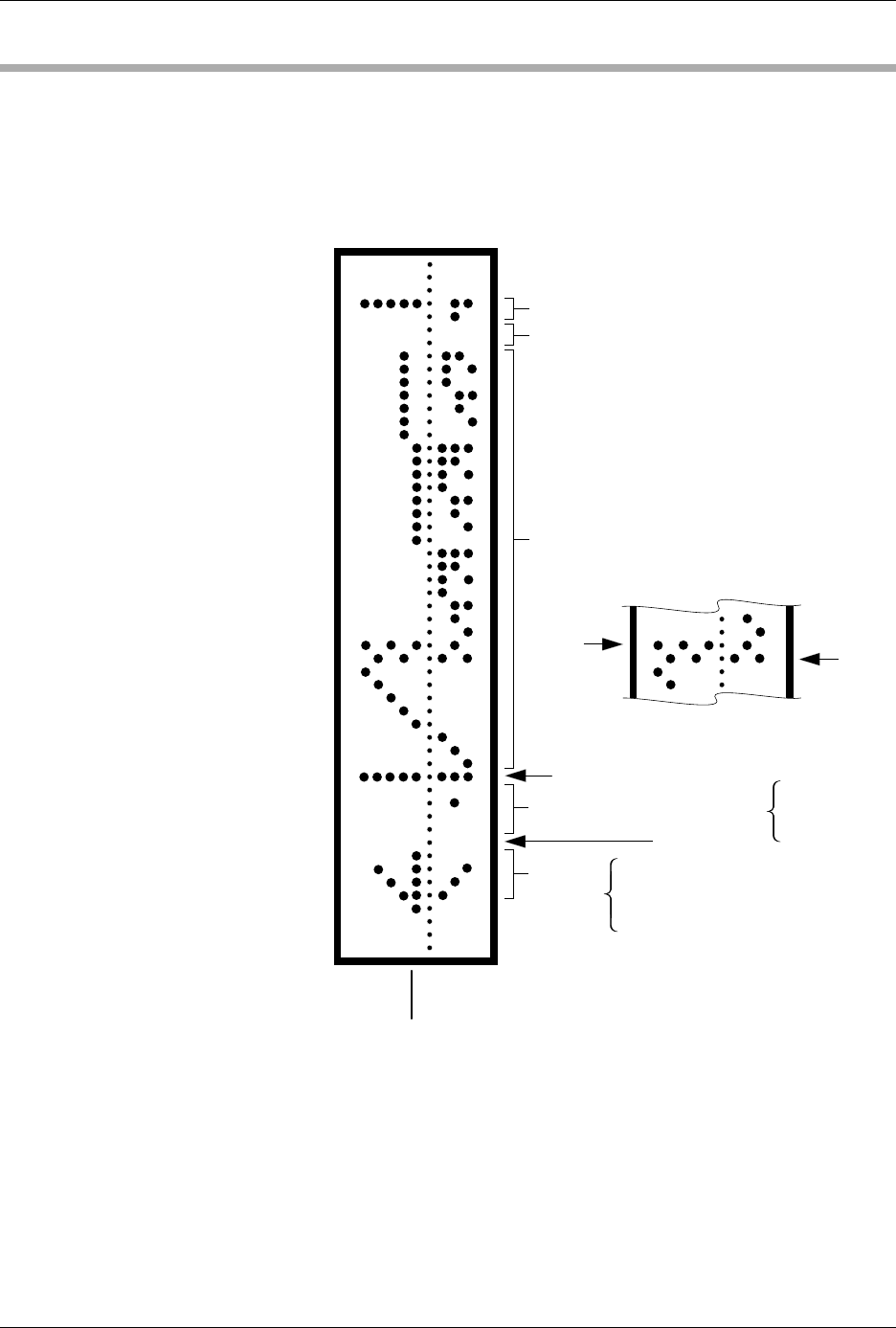
Formatted Binary Format, Code 10
Data transfer in the Formatted Binary format consists of a stream of 8-bit
data bytes preceded by a byte count and followed by a sumcheck, as
shown in Figure D-3. The Formatted Binary format does not have
addresses.
The programmer stores incoming binary data upon receipt of the start
character. Data are stored in RAM starting at the first RAM address
specified by the Memory Begin Address parameter and ending at the last
incoming data byte.
Figure D-3
An Example of Formatted Binary
Format
2 BYTE HEX SUMCHECK (02FB)
2 NULLS
BINARY DATA
BIT
8
BIT
1
RUBOUT (START CODE)
4 NIBBLE HEX BYTE COUNT
1 NULL
ARROW
HEAD
08
49
2A
1C
08
0
2
0
0
0020 HEX
(32 DECIMAL)
HIGH
ORDER
LOW
ORDER
0075-2
Translation Formats
ProMaster 2500 User Manual D-11
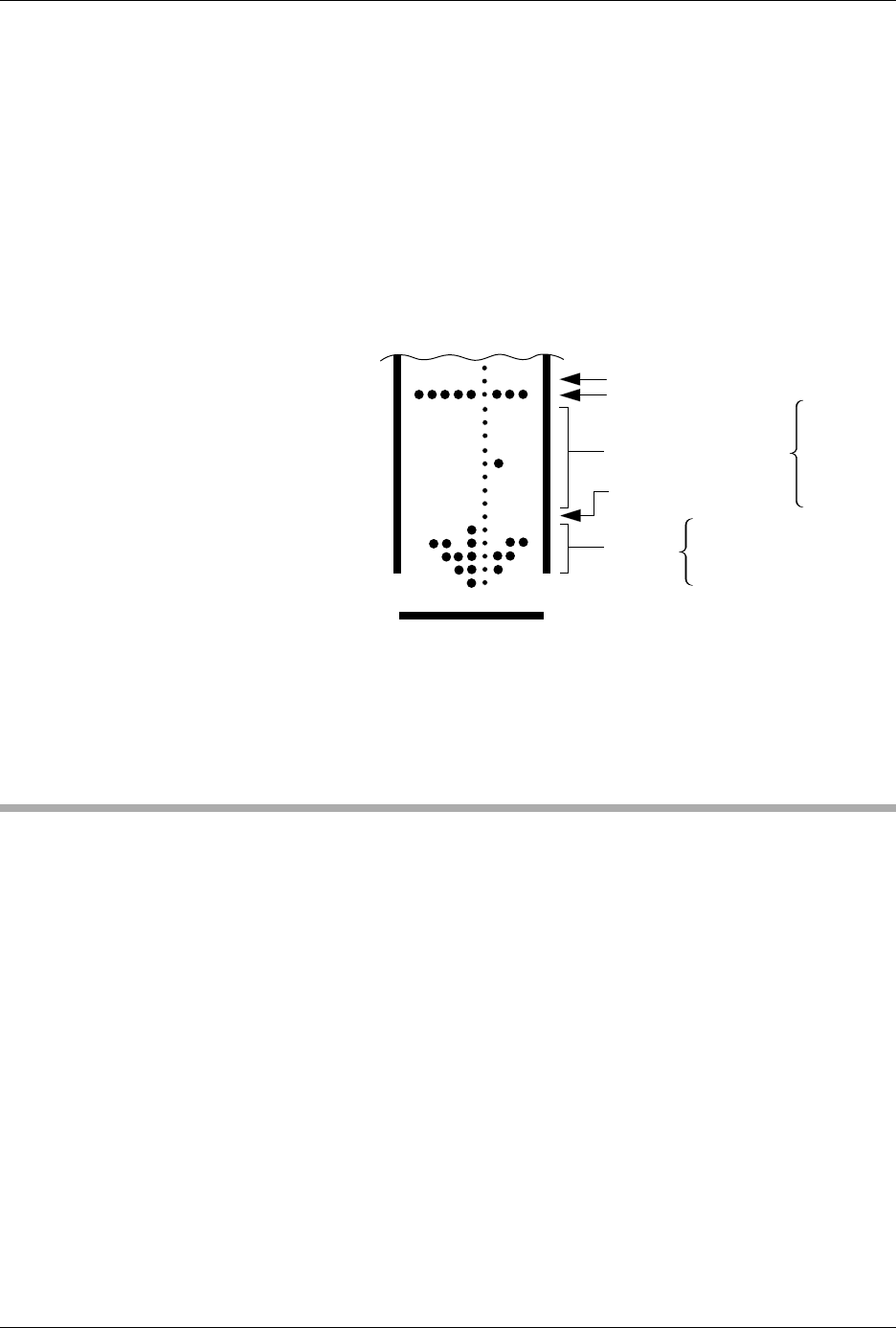
A paper tape generated by a programmer contains a 5-byte, arrow-
shaped header followed by a null and a 4-nibble byte count. The start
code, an 8-bit rubout, follows the byte count. The end of data is signaled
by two nulls and a 2-byte sumcheck of the data field. Refer to Figure D-4.
If the data output has a byte count GREATER than or equal to 64K, an
alternate arrow-shaped header is used. This alternate header (shown
below) is followed by an 8-nibble byte count, sandwiched between a null
and a rubout. The byte count shown here is 40000H (256K decimal). If the
byte count is LESS than 64K, the regular arrowhead is used instead. Data
that are input using Formatted Binary format will accept either version of
this format.
In addition, a third variation of this binary format is accepted on
download. This variation does not have an arrowhead and is accepted
only on input. The rubout begins the format and is immediately followed
by the data. There is no byte count or sumcheck.
DEC Binary Format, Code 11
Data transmission in the DEC Binary format is a stream of 8-bit data
words with no control characters except the start code. The start code is
one null preceded by at least one rubout. The DEC Binary format does
not have addresses.
Figure D-4
An Example of Formatted Binary
Format
RUBOUT (FF)
8 NIBBLE BYTE COUNT
NULL (00)
ARROW
HEAD
08
6B
3E
1C
08
0483-2
DATA
00
00
00
00
04
00
00
00
Translation Formats
D-12 ProMaster 2500 User Manual
Spectrum Format, Codes 12 or 13
In this format, bytes are recorded in ASCII codes with binary digits
represented by 1s and 0s. During output, each byte is preceded by a
decimal address.
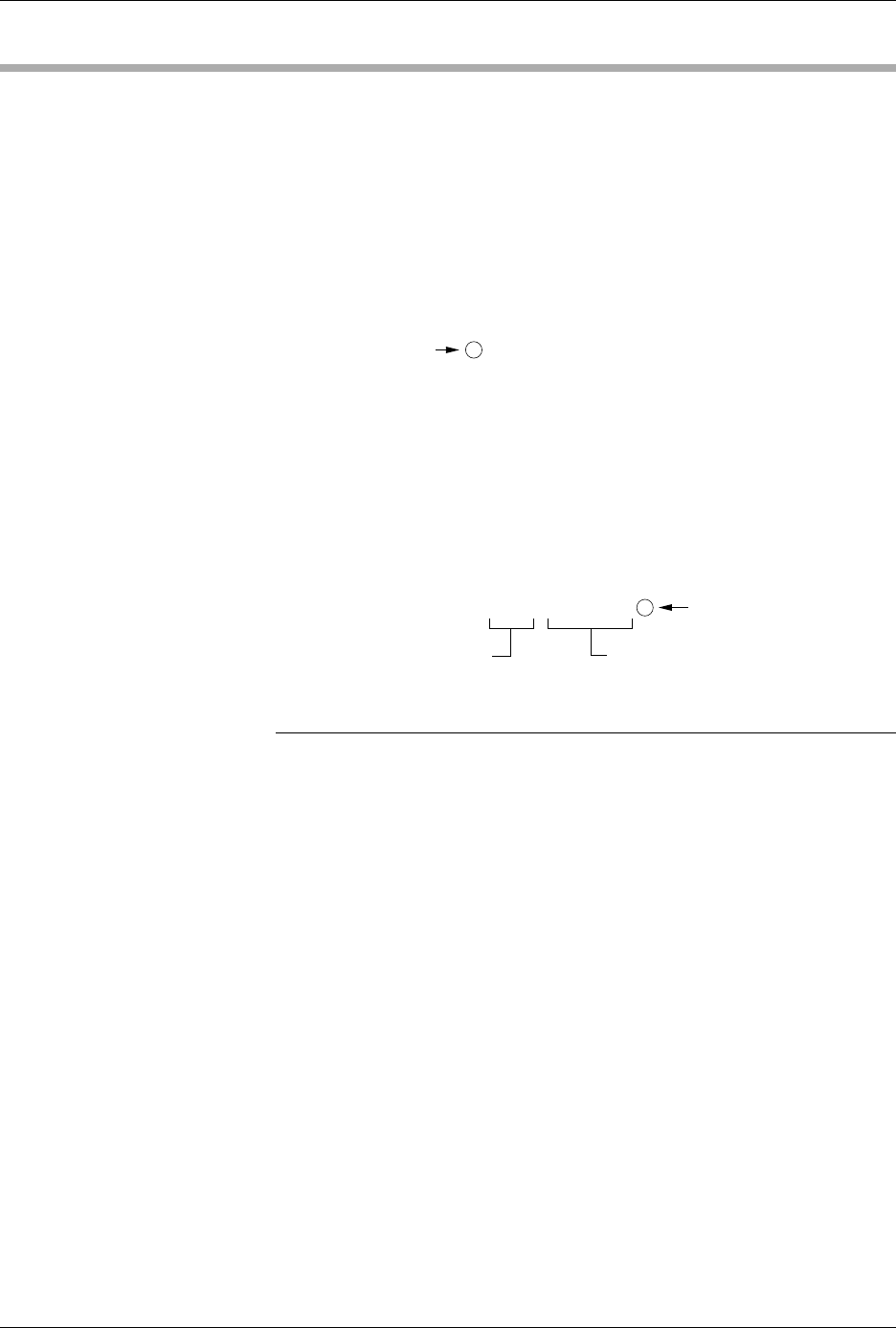
Figure D-5 shows sample data bytes coded in the Spectrum format. Bytes
are sandwiched between the space and carriage return characters and are
normally separated by line feeds. The start code is a nonprintable STX,
CTRL-B (or hex 02), and the end code is a nonprintable ETX, CTRL-C (or
hex 03).
Note: Data without a start or end code may be input to or output from the
programmer by use of the alternate data translation format code, 13
Figure D-5
An Example of Spectrum Format
0000 11111111
0001 11111111
0002 11111111
0003 11111111
0004 11111111
0005 11111111
0006 11111111
0007 11111111
0008 11111111
0009 11111111
0010 11111111
0011 11111111
0012 11111111
0013 11111111
0014 11111111
0015 11111111
End code is a
nonprintable EXT
4 or 8 data bits appear between the
space and the carriage return
Address Code is 4
decimal digits
Optional Start Code
is a nonprintable STX
0077-2