2500_Users_Manual - 第357页
Trans lation Fo rmats ProM aster 25 00 User Manua l D-2 7 Tektronix Hexadecima l Format, Co de 86 Figure D-13 illustrates a valid Tektroni x data file . The da ta in each record are sand wiched between the start characte…
Translation Formats
D-26 ProMaster 2500 User Manual
Signetics Absolute Object Format, Code 85
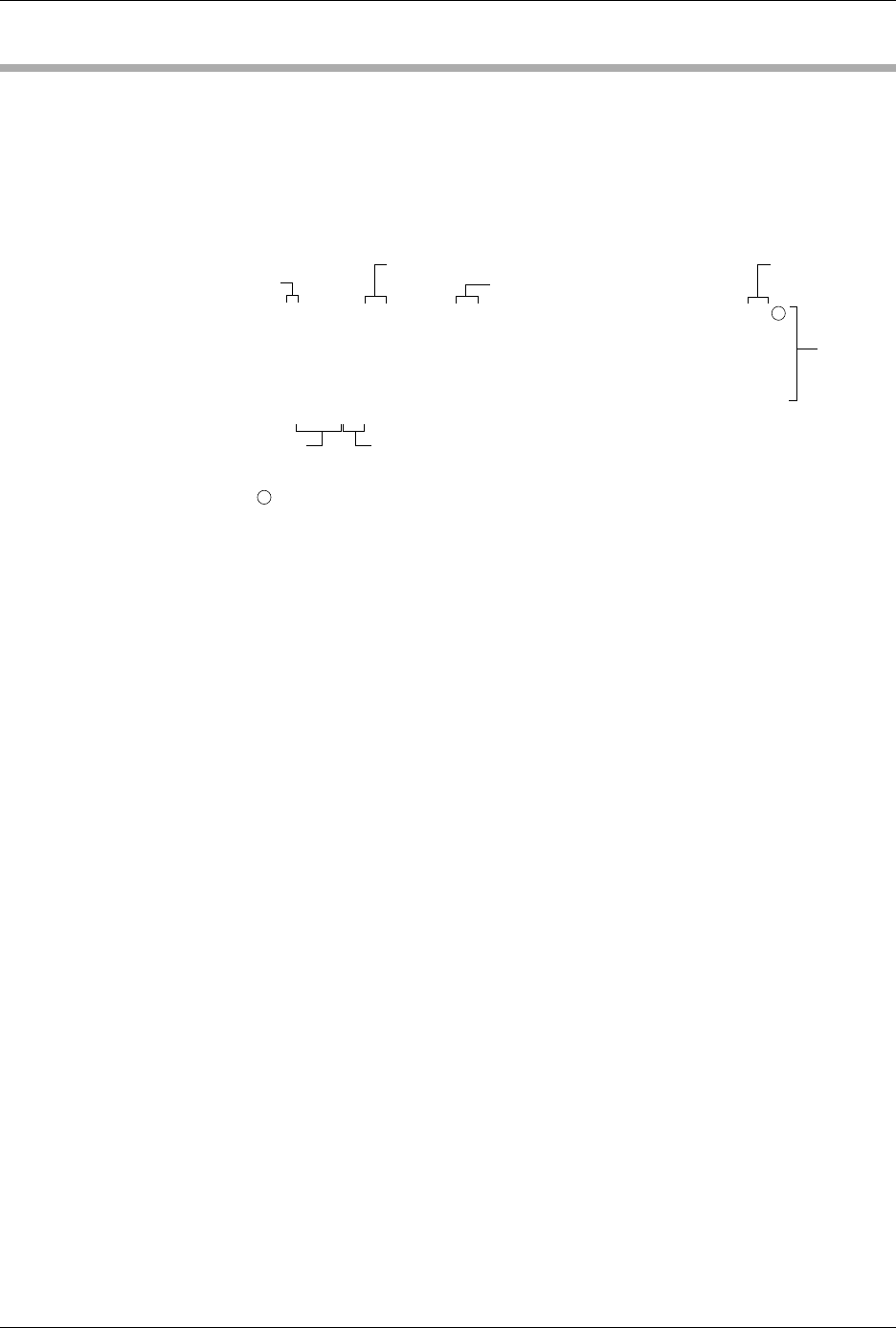
Figure D-12 shows the specifications of Signetics format files. The data in
each record are sandwiched between a 9-character prefix and a
2-character suffix.
The start character is a colon. This is followed by the address, the byte
count, and a 2-digit address check. The address check is calculated by
exclusive ORing every byte with the previous one, then rotating left one
bit. Data is represented by pairs of hexadecimal characters. The byte
count must equal the number of data bytes in the record. The suffix is a
2-character data check, calculated using the same operations described
for the address check.
The end-of-file record consists of the colon start character, the address,
and the byte count (equal to 00).
Figure D-12
An Example of Signetics Absolute Object Format
:00001020FFFFFFFFFFFFFFFFFFFFFFFFFFFFFFFF00
:00101060FFFFFFFFFFFFFFFFFFFFFFFFFFFFFFFF00
:002010A0FFFFFFFFFFFFFFFFFFFFFFFFFFFFFFFF00
:003010E0FFFFFFFFFFFFFFFFFFFFFFFFFFFFFFFF00
:00401021FFFFFFFFFFFFFFFFFFFFFFFFFFFFFFFF00
:000000
Data
Records
Data Check
Start Character
Address Check
2 Hex Characters (1 Byte)
Byte Count (00 in End-of-File Record)Transfer Address
Nonprinting Carriage Return, line feeds, and nulls determined by null count
LEGEND
0084-2
Translation Formats
ProMaster 2500 User Manual D-27
Tektronix Hexadecimal Format, Code 86
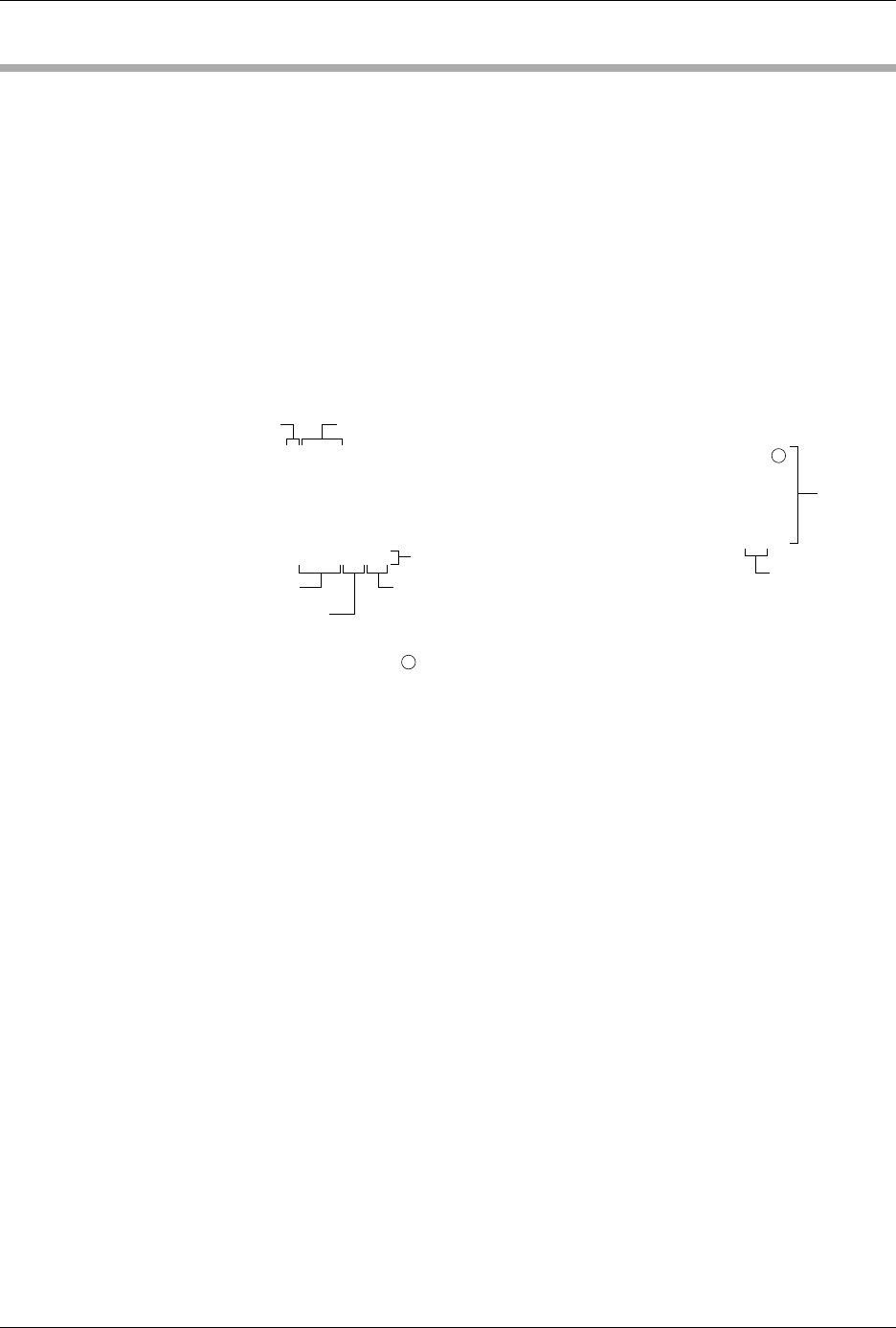
Figure D-13 illustrates a valid Tektronix data file. The data in each record
are sandwiched between the start character (a slash) and a 2-character
checksum. Following the start character, the next 4 characters of the
prefix express the address of the first data byte. The address is followed
by a byte count, which represents the number of data bytes in the record,
and by a checksum of the address and byte count. Data bytes follow,
represented by pairs of hexadecimal characters. Succeeding the data
bytes is their checksum, an 8-bit sum, modulo 256, of the 4-bit
hexadecimal values of the digits making up the data bytes. All records
are followed by a carriage return.
Data are output from the programmer starting at the first RAM address
and continuing until the number of bytes in the specified block has been
transmitted. The programmer divides output data into records prefaced
by a start character and an address field for the first byte in the record.
The end-of-file record consists of a start character (slash), followed by the
transfer address, the byte count (equal to 00), and the checksum of the
transfer address and byte count.
An optional abort record contains 2 start characters (slashes), followed by
an arbitrary string of ASCII characters. Any characters between a carriage
return and a / are ignored.
Figure D-13
An Example of Tektronix Hex Format
/00001001FFFFFFFFFFFFFFFFFFFFFFFFFFFFFFFFE0
/00101002FFFFFFFFFFFFFFFFFFFFFFFFFFFFFFFFE0
/00201003FFFFFFFFFFFFFFFFFFFFFFFFFFFFFFFFE0
/00301004FFFFFFFFFFFFFFFFFFFFFFFFFFFFFFFFE0
/00401005FFFFFFFFFFFFFFFFFFFFFFFFFFFFFFFFE0
/00000000
Data
Records
Start Character
Address Field
Byte Count
(00 in End-of-File Record)
Transfer Address
Nonprinting Carriage Return, line feeds,
and nulls determined by null count
LEGEND
0085-3
Checksum of Address
and Byte Count
Checksum of
Data Bytes
End-of-File Record
Translation Formats
D-28 ProMaster 2500 User Manual
Motorola EXORmacs Format, Code 87
Motorola data files may begin with an optional sign-on record, initiated
by the start characters S0. Data records start with an 8- or 10-character
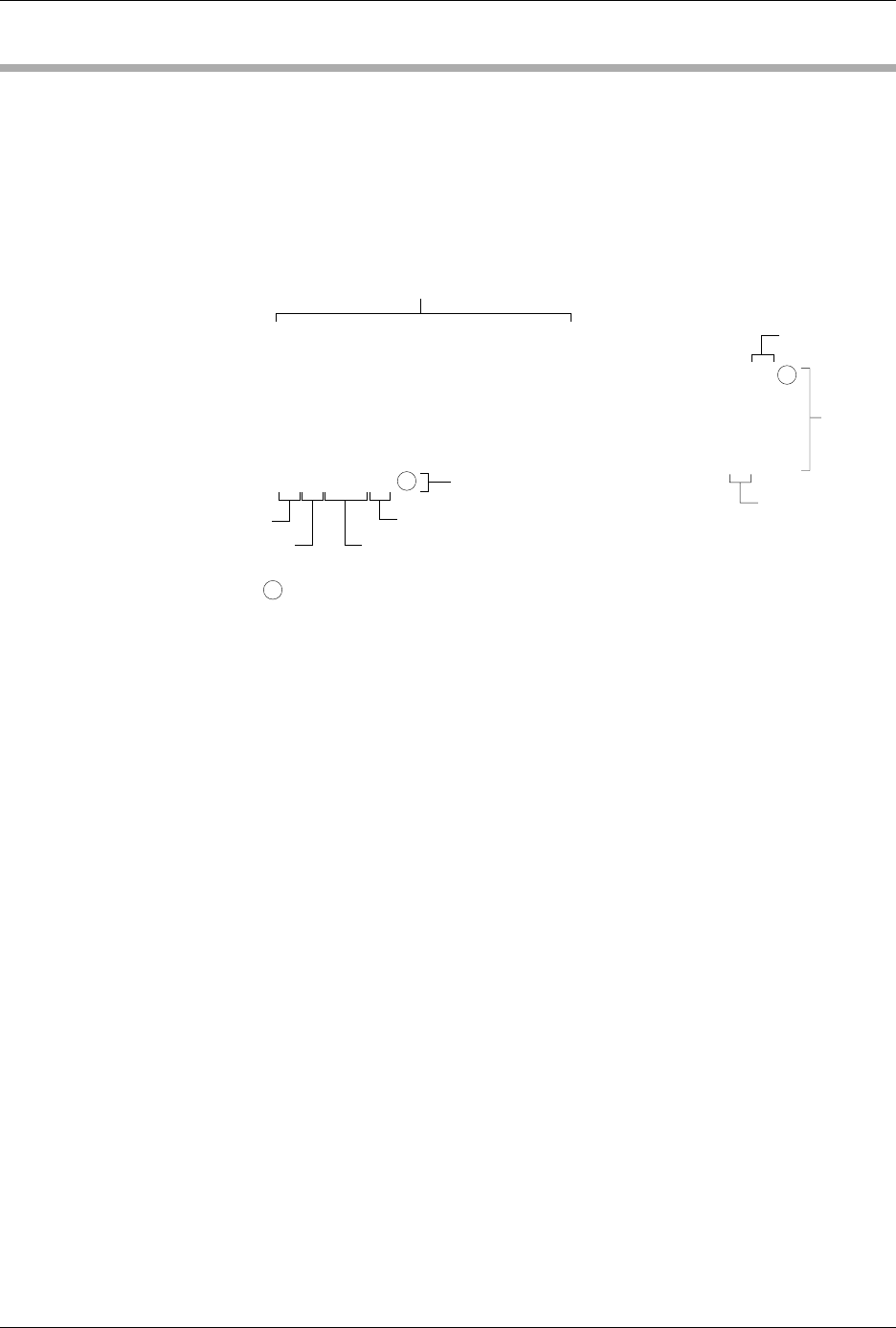
prefix and end with a 2-character suffix. Figure D-14 shows a series of
Motorola EXORmacs data records.
Each data record begins with the start characters S1 or S2: S1 if the
following address field has 4 characters, S2 if it has 6 characters. The third
and fourth characters represent the byte count, which expresses the
number of data, address, and checksum bytes in the record. The address
of the first data byte in the record is expressed by the last 4 characters of
the prefix (6 characters for addresses above hexadecimal FFFF). Data
bytes follow, each represented by 2 hexadecimal characters. The number
of data bytes occurring must be 3 or 4 less than the byte count. The suffix
is a 2-character checksum, the one’s complement (in binary) of the
preceding bytes in the record, including the byte count, address, and data
bytes.
The end-of-file record begins with an S9 start character. Following the
start characters are the byte count, the address, and a checksum. The
maximum record length is 250 data bytes.
Figure D-14
An Example of Motorola EXORmacs Format
S214FF0000FFFFFFFFFFFFFFFFFFFFFFFFFFFFFFFFFC
S00B00004441544120492F4FF3
S1130010FFFFFFFFFFFFFFFFFFFFFFFFFFFFFFFFEC
S1130020FFFFFFFFFFFFFFFFFFFFFFFFFFFFFFFFDC
S1130030FFFFFFFFFFFFFFFFFFFFFFFFFFFFFFFFCC
S1130040FFFFFFFFFFFFFFFFFFFFFFFFFFFFFFFFBC
S9030000FC
Start
Character
Byte Count
Checksum
Address
End-of-File Record
Optional Sign-On Record
Data
Records
LEGEND
Nonprinting Carriage Return, line feed, and nulls determined by null count
0086-3
Checksum
Checksum