00191413-01.pdf - 第561页
User Manual Line Computer UNIX 17.3 Description of Components and P CBs Software Version 501.xx 01/99 Issue 17.3.2 PCB 2: Focus on Packa g e Form Description 17 - 2 9 C) Description of an irre gular FDC using package for…
17.3 Description of Components and PCBs User Manual Line Computer UNIX
17.3.2 PCB 2: Focus on Packa
g
e Form Description Software Version 501.xx 01/99 Issue
17 - 28
Package form description for package form 1503
continued from pa
g
e 17-26
continued on pa
g
e 17-30
Defining pin model
Entering dimensions
Defining package
form type for package
form 1503
Creating pin group
Opening Package
Form Editor for
package form 1503
User Manual Line Computer UNIX 17.3 Description of Components and PCBs
Software Version 501.xx 01/99 Issue 17.3.2 PCB 2: Focus on Packa
g
e Form Description
17 - 29
C) Description of an irregular FDC using package form 1503 as an example
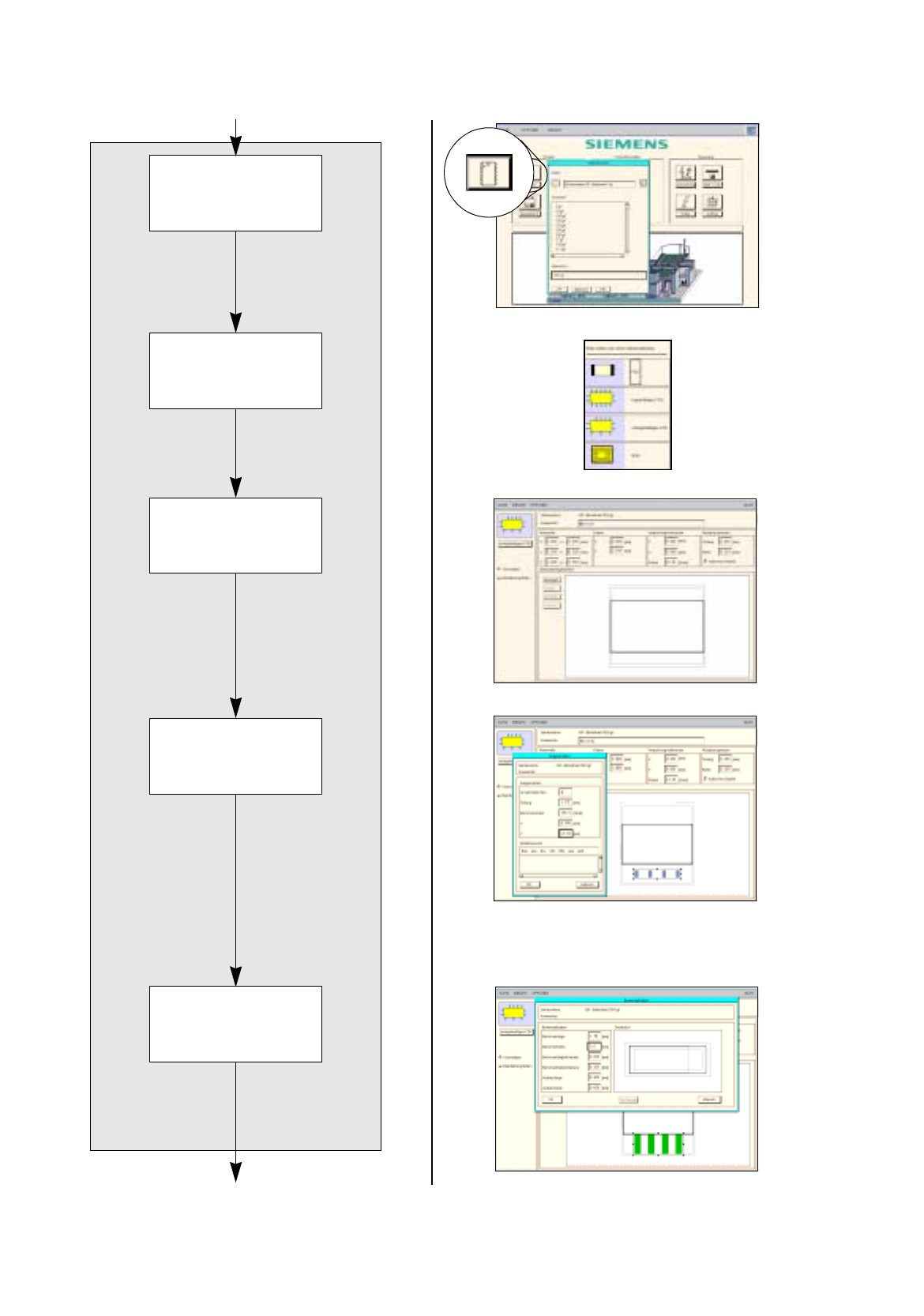
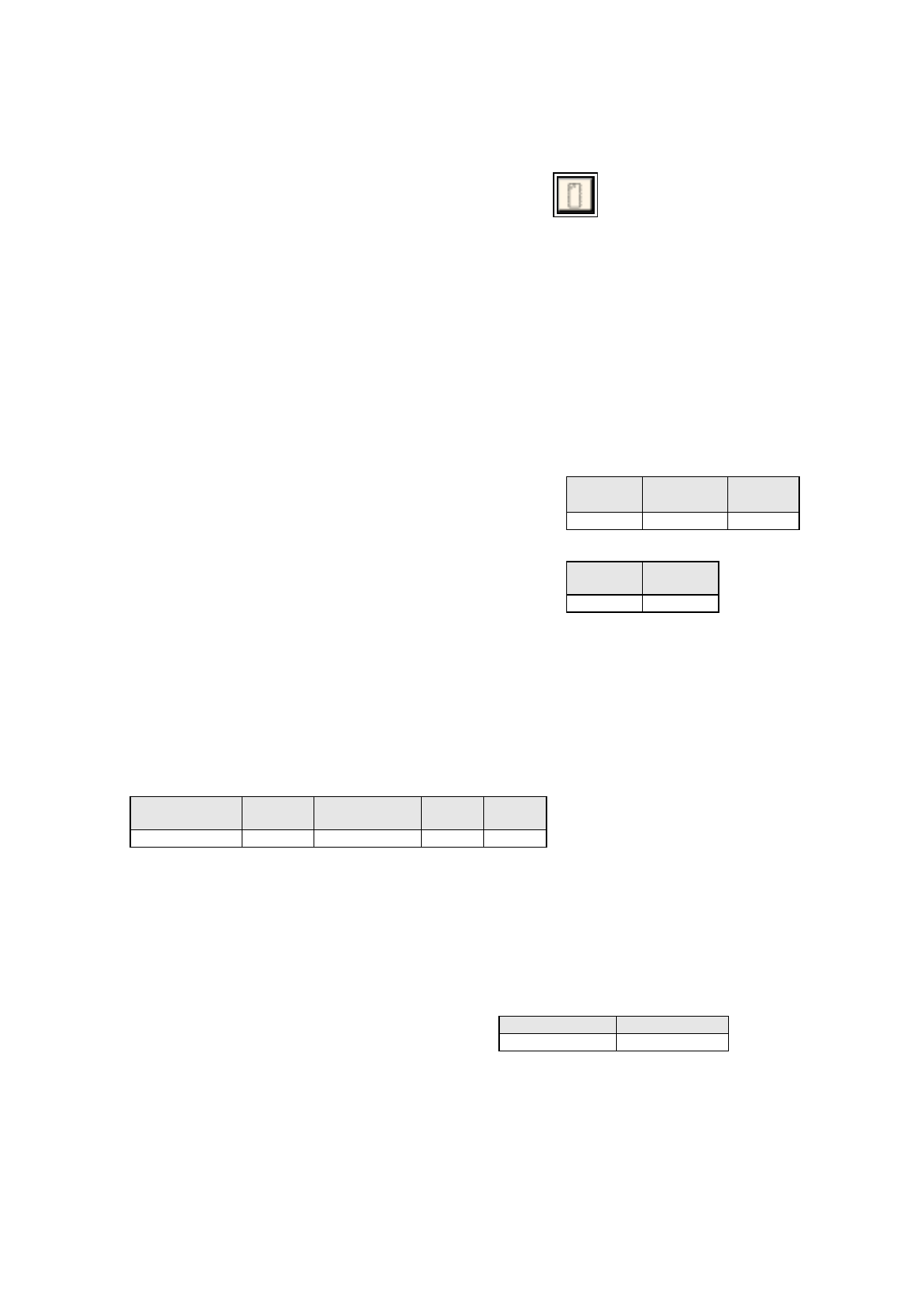
To open the Package Form Editor for package form 1503, proceed as follows:
60. On the desktop click on the icon of the Packa
g
e Form Editor .
The file selection window is opened.
61. Click on the
Selection
editin
g
field.
62. Enter the packa
g
e form number, here:
1503.gf
and click on the
OK
button.
The Packa
g
e Form Editor with the Packa
g
e form t
y
pe selection window is opened.
To define the package form type „irregular FDC“ for package form 1503, proceed as follows:
63. Click on the
Irregular FDC
t
y
pe in the Packa
g
e form t
y
pe selection window.
The selection window is closed.
64. In the Packa
g
e Form Editor click on the
Comment
editin
g
field, enter a uni
q
ue comment, here:
Micro-X
.
To enter the dimensions for package form 1503, proceed as follows:
65. Enter the dimensions of the packa
g
e form with pins in the Nominal dimensions editin
g
area, confirm
y
our
entr
y
b
y
pressin
g
the Enter ke
y
, here: see chart:
The tolerances are entered automaticall
y
.
The packa
g
e form with the tolerance ran
g
e is displa
y
ed.
66. Enter the dimensions of the packa
g
e form without pins in the Bod
y
editin
g
area, confirm b
y
pressin
g
the
Enter ke
y
, here: see chart:
(
These entries are onl
y
re
q
uired for the displa
y
)
.
The displa
y
of the packa
g
e form is updated.
67. In this example the default values of the Packa
g
in
g
tolerances and Features editin
g
areas can be
adopted, no entries are re
q
uired.
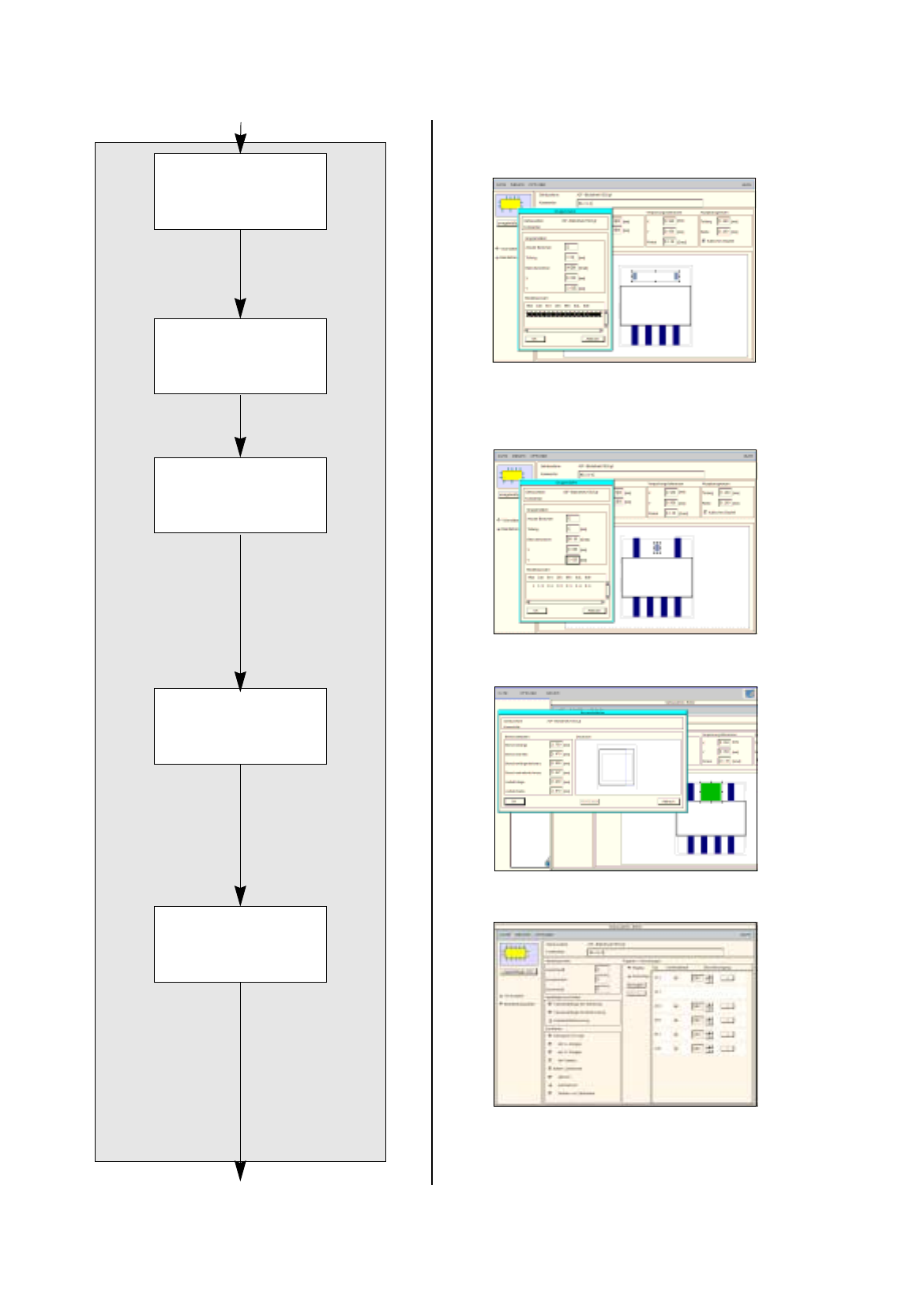
To create the lower pin group (pins 1 to 4) of package form 1503, proceed as follows:
68. Click on the
Create
button.
The Group data window is opened. On the upper side of the component a predefined pin
g
roup with three
pins
(
g
ra
y
areas
)
is displa
y
ed.
69. Overwrite the default values in the editin
g
fields with the pin
g
roup data for packa
g
e form 1503
(
see dis-
pla
y
s in On-line Help
)
and confirm
y
our entr
y
b
y
pressin
g
Enter ke
y
, here: see chart:
Ever
y
time the Enter ke
y
is pressed, the displa
y
of the pin
g
roup
(g
ra
y
areas
)
is updated, the pin
g
roups
are now displa
y
ed on the bottom side of the component.
70. Click on the
OK
button.
The Group data window is closed.
To define the pin model for the lower pin group of package form 1503, proceed as follows:
71. Select one of the two pin
g
roups b
y
clickin
g
on it.
72. Click on the
Pin/Ball
button.
The Pin model data window is opened.
73. Enter the pin model data, here: see chart:
In this example the automaticall
y
calculated values of the other editin
g
fields can be adopted. Ever
y
time
the Enter ke
y
is pressed, the displa
y
of the pin model is updated.
74. Click on the
OK
button.
The Pin model data window is closed. The packa
g
e form to
g
ether with the pins is displa
y
ed at the
bottom side.
X
(Length D)
Y
(Width H
E
)
Z
(Height A)
6.5 7 1.8
X
(Length D)
Y
(Width E)
6.5 3.5
No. of pins
Spacing
e2
Pin angle
X (BG
Off
) Y (BG
Off
)
4 1.27 -90 0 -2.625
Pin length BL Pin width b
1.75 0.6
17.3 Description of Components and PCBs User Manual Line Computer UNIX
17.3.2 PCB 2: Focus on Packa
g
e Form Description Software Version 501.xx 01/99 Issue
17 - 30
continued from pa
g
e 17-28
Entering handling
data
Package form description for package form 1503
Creating pin group
Accepting pin model
Creating pin group
Defining pin model
continued on pa
g
e 17-32