KE-750_QA表.pdf - 第30页
FUNCTION NAME Stopper Assembly PWB Detect ion Function/Performance CHECK/ADJUSTMENT METHODS (REMEDIAL ACT ION PROCEDURE) ASSURED QUALITY Reliability QUALITY CHARACTERISTI CS (SPECIFIC ATION VALUES) CATEGORY Safety Produc…
FUNCTION NAME HMS Height Function/Performance CHECK/ADJUSTMENT METHODS (REMEDIAL ACTION PROCEDURE)
ASSURED QUALITY Reliability
QUALITY CHARACTERISTICS (SPECIFICATION VALUES) CATEGORY Safety
Product Image
ROLE IN FUNCTION (MEANING OF SPECIFICATION VALUES)
POSSIBLE MALFUNCTIONS (CAUSED BY INCORRECT SPECIFICATION VALUES)
COMPONENTS
NO. Part No. Part Name Associated Quality Characteristics
1
2
3 MODEL KE-750/760
4
UNIT HMS
REF. NO.
5
NAME
26
6
FUNCTION HMS Height
7
NAME
8
9
10
QA Table
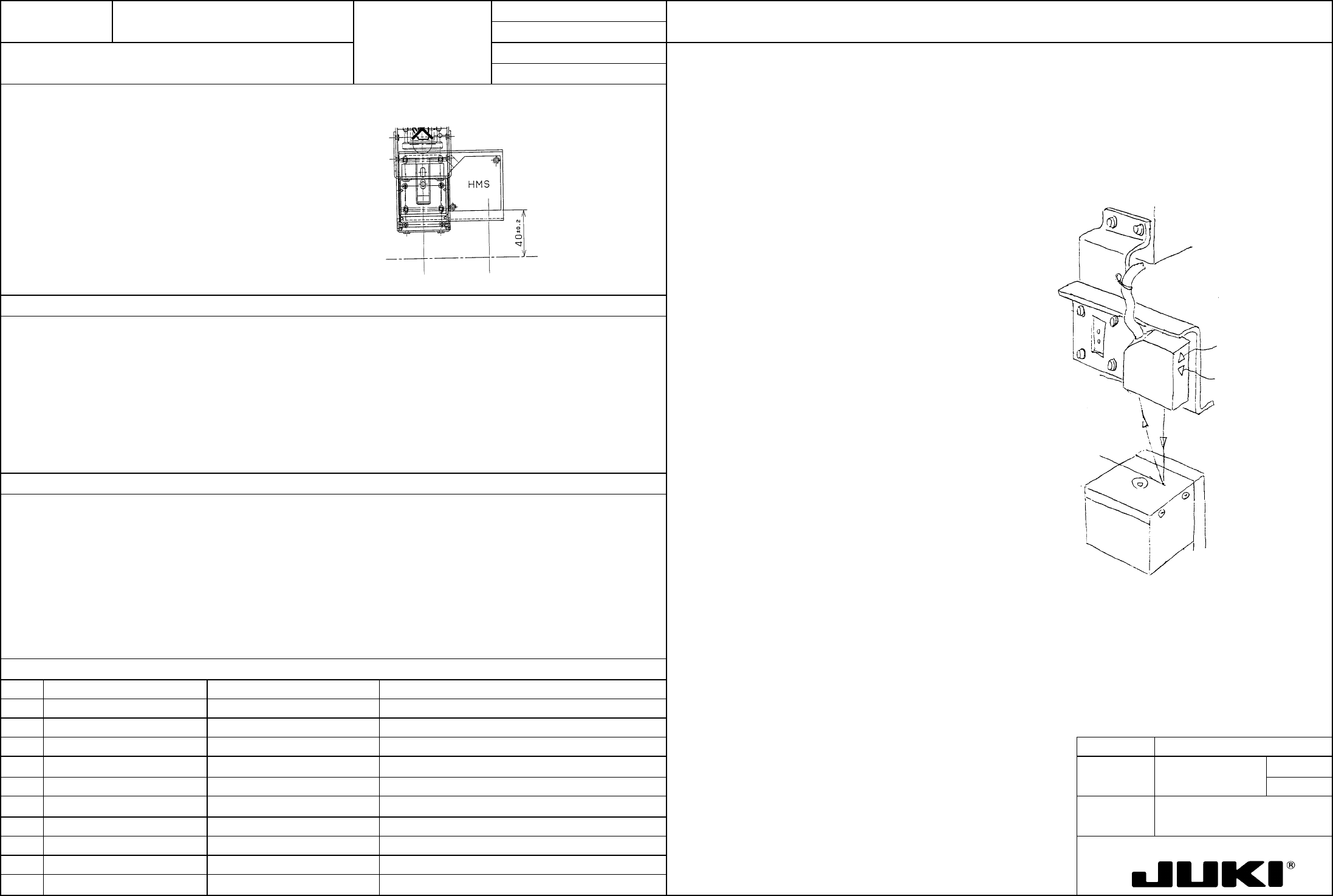
Move the HMS sensor to a point above the calibration block. Loosen the SEMS cap bolts (a) at four places and
adjust so that the distance between the bottom surface of the height sensor and top surface of calibration block
becomes 40 ±0.2 mm. When the specified distance is reached, secure the height sensor with SEMS cap bolts
Distance between the bottom surface of the height sensor and top surface of calibration block: 4 ±0.2 mm
Calibration bloc
k
top surface
(a). At this time, make sure that both the FAR lamp and NEAR lamp are lit up.
Calibration bloc
k
NEAR lamp
FAR lamp
Height senso
r
SEMS cap (a)
– Erroneous height measurement
FUNCTION NAME Stopper Assembly PWB Detection Function/Performance CHECK/ADJUSTMENT METHODS (REMEDIAL ACTION PROCEDURE)
ASSURED QUALITY Reliability
QUALITY CHARACTERISTICS (SPECIFICATION VALUES) CATEGORY Safety
Product Image
ROLE IN FUNCTION (MEANING OF SPECIFICATION VALUES)
POSSIBLE MALFUNCTIONS (CAUSED BY INCORRECT SPECIFICATION VALUES)
COMPONENTS
NO. Part No. Part Name Associated Quality Characteristics
1 E94657250A0 Stop sensor cable assembly
2 E94667250A0 C. OUT sensor cable assembly
3 SL4031291SC 9465/9466 SEMS cap MODEL KE-750/760
4 UNIT Transport REF. NO.
5
NAME
1
6 FUNCTION Stopper Assembly PWB
7
NAME Detection
8
9
10
QA Table
E2130725OAO
Stopper L assembly
Press against right
side of slit. (8)
116 (Be careful abou
t
contact with stopper tip.)
E2125725OAO
Stopper R assembly
116 (Be careful abou
t
contact with stopper tip.)
Press against left
side of slit. (8)
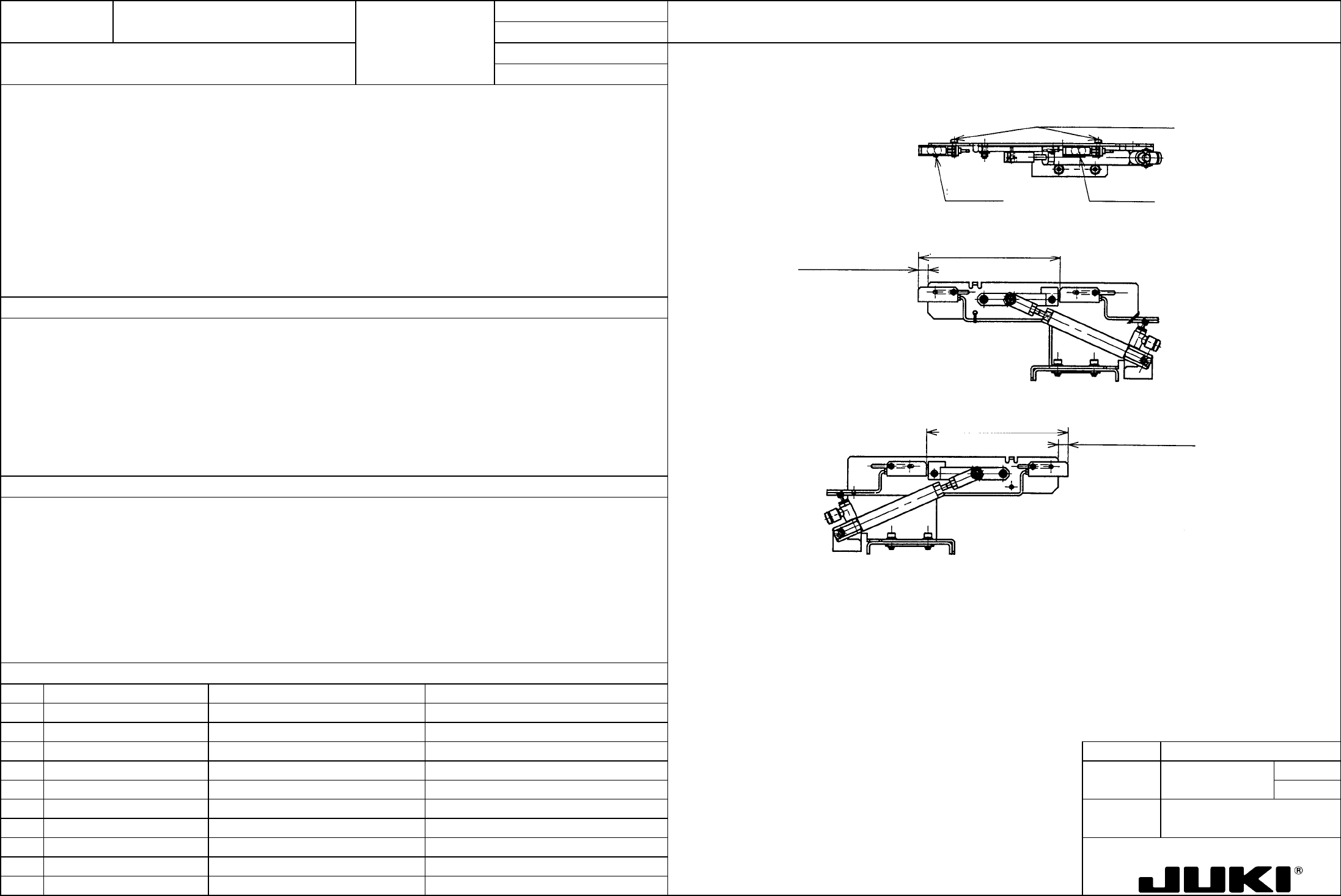
C. OUT senso
r
Stop senso
r
A
djusting screws (SL4031291SC)1. Stop sensor position: (8 mm) (See Fig. on the right.)
2. C. OUT sensor position 116 mm (See Fig. on the right.)
1. CENT motor stop signal trigger generation timing
2. IN motor start trigger generating timing (when transporting PWBs from the IN buffer to center buffer)
1. Severe collision of the PWB with the stopper due to insufficient deceleration of PWB. (Solution: Make the value smaller
than 8, which, however, results in further beyond the stopper frame.)
PWB failing to reach the stopper due to excessive deceleration. (Solution: Make the value larger than 8.)
2. Increased PWB transport tact time due to delayed starting of IN motor.
FUNCTION NAME Centering Pin Sinkage Detection Function/Performance CHECK/ADJUSTMENT METHODS (REMEDIAL ACTION PROCEDURE)
ASSURED QUALITY Reliability
QUALITY CHARACTERISTICS (SPECIFICATION VALUES) CATEGORY Safety
Product Image
ROLE IN FUNCTION (MEANING OF SPECIFICATION VALUES)
POSSIBLE MALFUNCTIONS (CAUSED BY INCORRECT SPECIFICATION VALUES)
COMPONENTS
NO. Part No. Part Name Associated Quality Characteristics
1 E94837250A0 T-pin sensor cable assembly
2 E2148721000 Sensor bracket R
3 E2147721000 Sensor bracket L MODEL KE-750/760
4 UNIT Transport REF. NO.
5
NAME
2
6 FUNCTION Centering Pin Sinkage
7
NAME Detection
8
9
10
QA Table
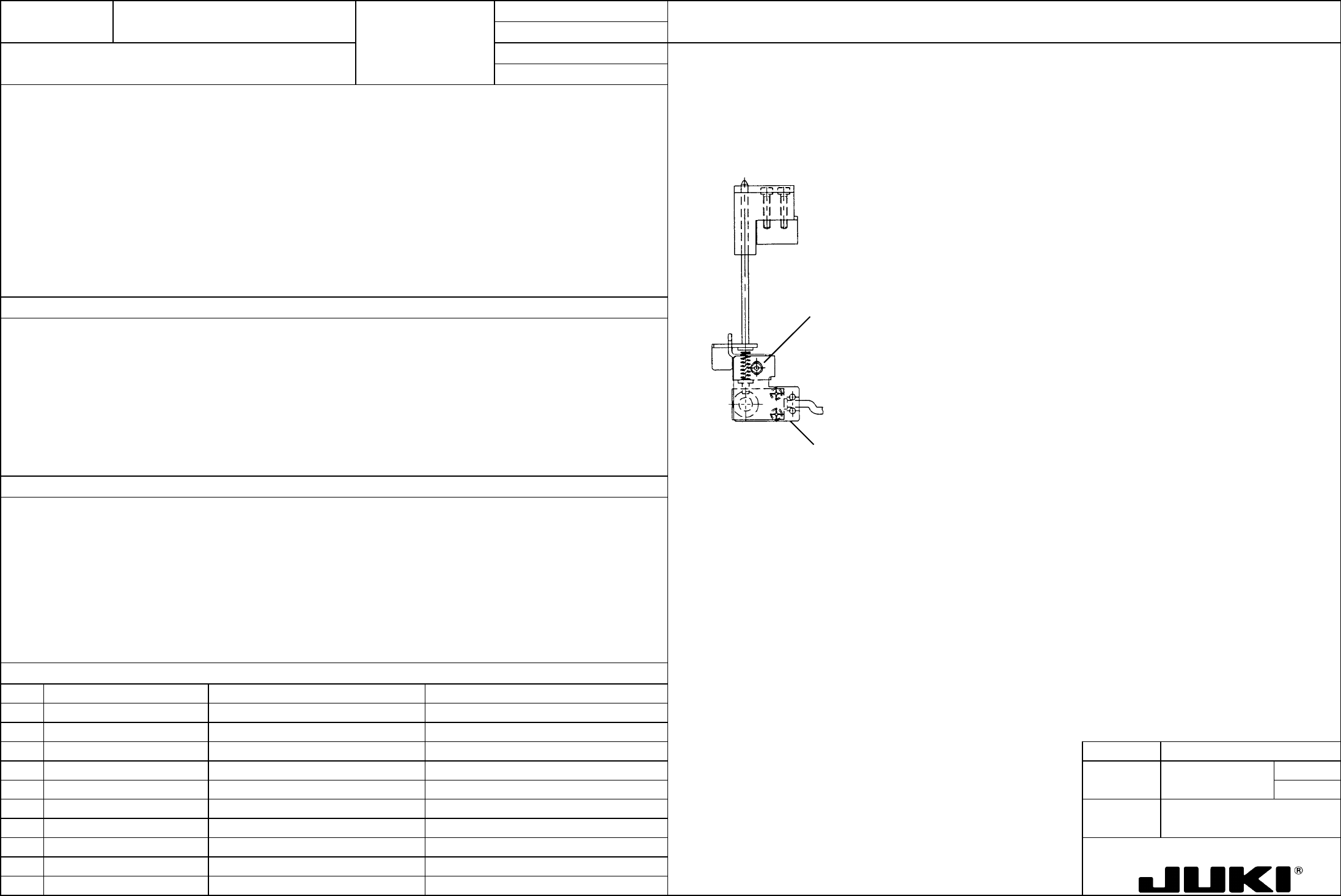
With the reference pin in 1.5 0/-0.5 mm lowered position, loosen the adjusting screw and move the sensor bracket up and
down to activate the sensor; then, at that point, secure the sensor bracket in position.
1. The sensor is to be activated when the reference pin lowers 1.5 0/-0.5 mm.
Sensor bracket
Adjusting scre
w
SL6030692TN
1. Detects that the centering pin does not fit into the reference hole.
1. The centering pin does not fit into the reference hole, which means that the components are transported with the PWB
incorrectly positioned, resulting in the components being placed at wrong positions.