IPC-TM-650 EN 2022 试验方法--.pdf - 第217页
Note: Note: IPC-TM-650 Page 3 of 3 Number 2.3.41 Revision Subject Test Method for Total Halogen Content in Base Materials Date 04/06 Analyzing conditions depends on the test devices, test speci¬ mens, their composition a…
Note:
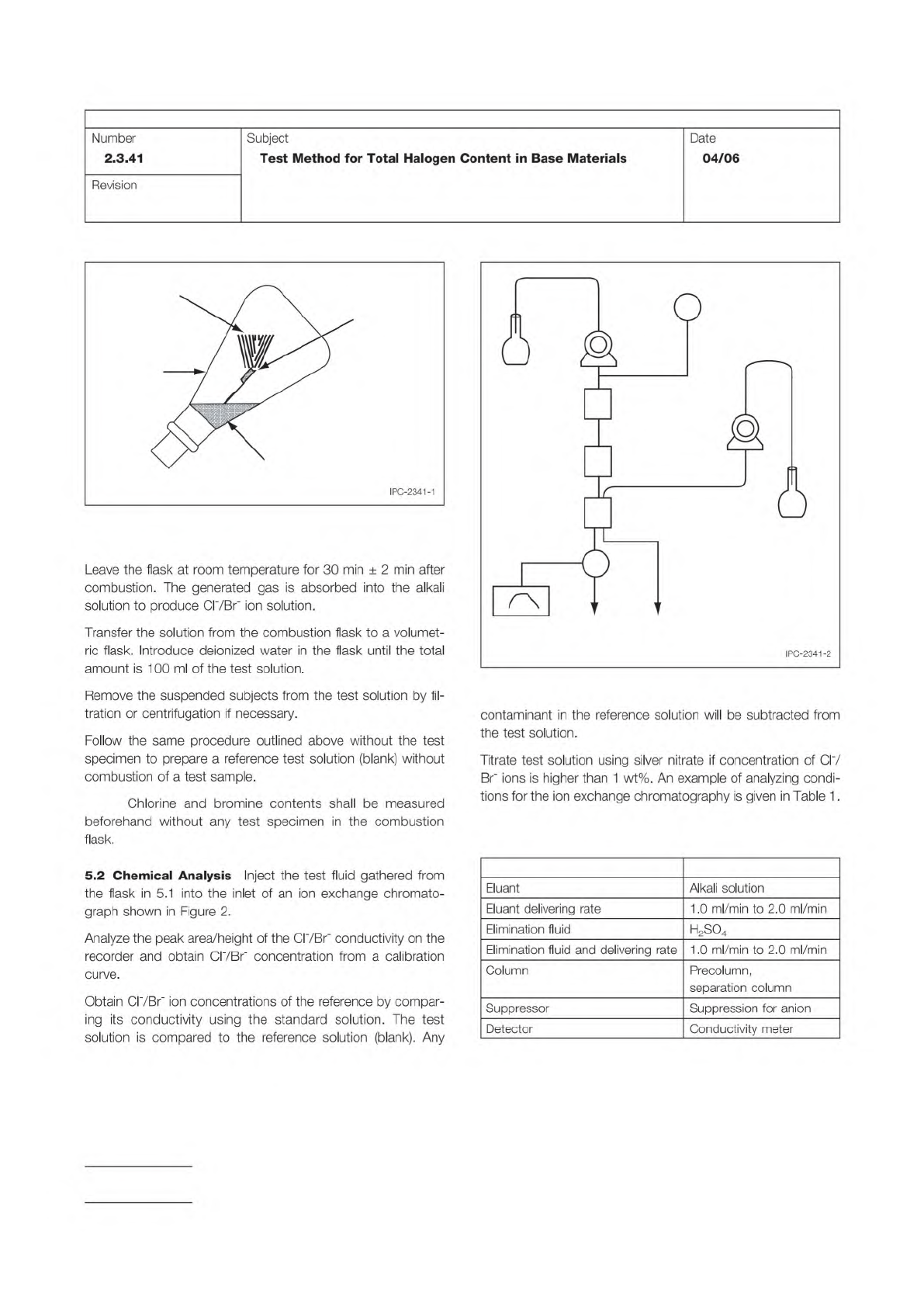
Figure 1 Absorb Combustion Gas Using a Combustion
Flask
Alkali solution
as absorbent
Platinum basket
(Test piece, filter
as fuse)
Fire
Combustion
flask (or
equivalents)
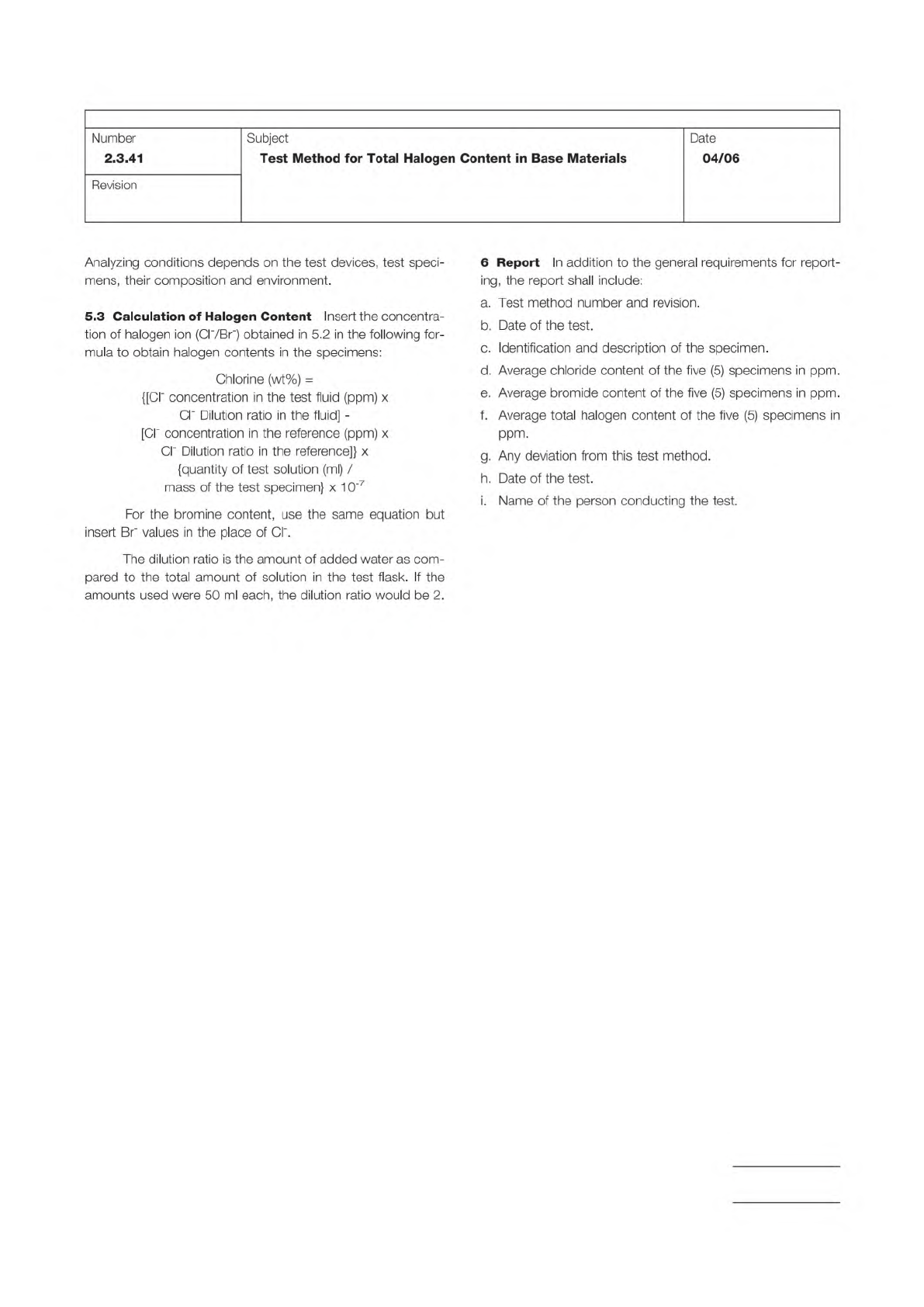
Figure 2 Composition of Ion Exchange Chromatograph
Recorder
Waste
Fluid
Waste
Fluid
Conductivity
Detector
Suppressor
Separation
Column
Precolumn
Elimination Fluid
Delivering Pump
Elimination
Fluid
Inlet
Eluant
Eluant
Delivering
Pump
Table 1 Example of Analyzing Conditions
for the Ion Exchange Chromatography
Item/Material Definition/Quantity
IPC-TM-650
Page 2 of 3
Number
2.3.41
Revision
Subject
Test
Method
for
Total
Halogen
Content
in
Base
Materials
Date
04/06
Leave
the
flask
at
room
temperature
for
30
min
±
2
min
after
combustion.
The
generated
gas
is
absorbed
into
the
alkali
solution
to
produce
CI7Br_
ion
solution.
Transfer
the
solution
from
the
combustion
flask
to
a
volumet¬
ric
flask.
Introduce
deionized
water
in
the
flask
until
the
total
amount
is
100
ml
of
the
test
solution.
Remove
the
suspended
subjects
from
the
test
solution
by
fil¬
tration
or
centrifugation
if
necessary.
Follow
the
same
procedure
outlined
above
without
the
test
specimen
to
prepare
a
reference
test
solution
(blank)
without
combustion
of
a
test
sample.
Chlorine
and
bromine
contents
shall
be
measured
beforehand
without
any
test
specimen
in
the
combustion
flask.
5.2
Chemical
Analysis
Inject
the
test
fluid
gathered
from
the
flask
in
5.1
into
the
inlet
of
an
ion
exchange
chromato¬
graph
shown
in
Figure
2.
Analyze
the
peak
area/height
of
the
CI7Br_
conductivity
on
the
recorder
and
obtain
C
「/B「
concentration
from
a
calibration
curve.
Obtain
CI7Br
ion
concentrations
of
the
reference
by
compar¬
ing
its
conductivity
using
the
standard
solution.
The
test
solution
is
compared
to
the
reference
solution
(blank).
Any
IPC-2341-2
contaminant
in
the
reference
solution
will
be
subtracted
from
the
test
solution.
Titrate
test
solution
using
silver
nitrate
if
concentration
of
CI7
Br_
ions
is
higher
than
1
wt%.
An
example
of
analyzing
condi¬
tions
for
the
ion
exchange
chromatography
is
given
in
Table
1
.
Eluant
Alkali
solution
Eluant
delivering
rate
1
.0
ml/min
to
2.0
ml/min
Elimination
fluid
H2SO4
Elimination
fluid
and
delivering
rate
1
.0
ml/min
to
2.0
ml/min
Column
Precolumn,
separation
column
Suppressor
Suppression
for
anion
Detector
Conductivity
meter
Note:
Note:
IPC-TM-650
Page 3 of 3
Number
2.3.41
Revision
Subject
Test
Method
for
Total
Halogen
Content
in
Base
Materials
Date
04/06
Analyzing
conditions
depends
on
the
test
devices,
test
speci¬
mens,
their
composition
and
environment.
5.3
Calculation
of
Halogen
Content
Insert
the
concentra¬
tion
of
halogen
ion
(CI7BQ
obtained
in
5.2
in
the
following
for¬
mula
to
obtain
halogen
contents
in
the
specimens:
Chlorine
(wt%)
=
{[Cl-
concentration
in
the
test
fluid
(ppm)
x
Cl-
Dilution
ratio
in
the
fluid]
-
[Cl-
concentration
in
the
reference
(ppm)
x
C
「
Dilution
ratio
in
the
reference]}
x
{quantity
of
test
solution
(ml)
/
mass
of
the
test
specimen}
x
1
0-7
For
the
bromine
content,
use
the
same
equation
but
insert
Br
values
in
the
place
of
The
dilution
ratio
is
the
amount
of
added
water
as
com¬
pared
to
the
total
amount
of
solution
in
the
test
flask.
If
the
amounts
used
were
50
ml
each,
the
dilution
ratio
would
be
2.
6
Report
In
addition
to
the
general
requirements
for
report¬
ing,
the
report
shall
include:
a.
Test
method
number
and
revision.
b.
Date
of
the
test.
c.
Identification
and
description
of
the
specimen.
d.
Average
chloride
content
of
the
five
(5)
specimens
in
ppm.
e.
Average
bromide
content
of
the
five
(5)
specimens
in
ppm.
f.
Average
total
halogen
content
of
the
five
(5)
specimens
in
ppm.
g.
Any
deviation
from
this
test
method.
h.
Date
of
the
test.
i.
Name
of
the
person
conducting
the
test.
1 Scope
This test method is used to determine the ability of
a solder mask to resist degradation by solvents and cleaning
agents.
2 Applicable Documents
Qualification and Performance of Permanent
Solder Mask
Multipurpose One-Sided Test Pattern
3 Test Specimens
Six (6) IPC-B-25A boards coated with
solder mask on the top side. Five are to be tested and one is
to be held as a control.
The IPC-A-25A-G-KIT artwork package provides the Gerber
files necessary for the fabrication of the standard IPC-B-25A
test board used with this test method.
4 Apparatus and Reagents
4.1
Reagent Grade 2-Propanol (Isopropyl Alcohol)
4.2
Deionized Water (DI Water) with resistivity ≥2 MΩ-cm
and ≤10 MΩ-cm
4.3
10% Alkaline Detergent [by volume], which shall be
comprised of
• 5% alkanolamine
• 2.5% 2-butoxyethanol
• 2.5% glycol ether
• 90% DI Water
4.4
Monoethanolamine
4.5
Miscellaneous laboratory-ware (e.g., beakers, funnels,
storage bottles, graduated cylinders) including:
1) A hot plate capable of heating up to 65 °C [149 °F]
2) A thermometer capable of measuring accurately up to 100
°C [212 °F]
3) A vent hood, or performed with adequate ventilation
4.6
Thermometer with measurement uncertainty less than 2
°C [3.6 °F] and precision better than 1 °C [1.8 °F].
5 Procedures
5.1 Chemical Exposure
5.1.1
Prepare the solvents and cleaning agents as outlined
in Section 4 and Table 1.
5.1.2
Completely immerse one test specimen in each of the
solutions shown in Table 1. A new specimen is to be used for
each chemical.
5.1.3
After immersion, hang the specimens to dry for ten
minutes at ambient laboratory conditions.
5.2 Visual Examination
5.2.1
Visually examine each printed board with corrected
20/20 vision without magnification for delamination or surface
degradation such as cracks, tackiness, blisters or swelling of
the solder mask.
6 Notes
6.1 Safety
Operator should be trained and familiar with the
hazards inherent to the chemicals being used and analyzed.
Proper personal safety equipment, such as safety glasses,
gloves and splash apron, and adequate ventilation shall be
used.
1. www.ipc.org/onlinestore
Isopropanol
Ambient
Laboratory Conditions
2
75% isopropanol/
25% deionized water
46 ± 2 °C [115 ± 3.6 °F] 15
10% Alkaline detergent 57 ± 2 °C [135 ± °F] 2
Monoethanolamine 57 ± 2 °C [135 ± °F] 2
Deionized water 60 ± 2 °C [140 ± °F] 5
D-Limonene
Ambient
Laboratory Conditions
2
3000 Lakeside Drive, Suite 309S
Bannockburn, IL 60015-1219
IPC-TM-650
TEST METHODS MANUAL
Number
2.3.42
Subject
Solder Mask - Resistance to Solvents and
Cleaning Agents
Date
03/07
Revision
Originating Task Group
Solder Mask Performance Task Group (5-33b)
ASSOCIATION CONNECTING
ELECTRONICS INDUSTRIES
®
IPC-SM-840
IPC-A-25A-G-KIT1
Table
1
Exposure
of
Solder
Mask
to
Solvents/Cleaning
Agents
Solvent/
Cleaning
Agent
Temperature
(
℃)
[°F]
Time
(Minutes)
Note:
Record
the
ambient
temperature
and
temperature
measurement
uncertainty
in
℃
.
Material
/n
this
Test
Methods
Manual
was
voluntarily
established
by
Technical
Committees
of
I
PC.
This
material
/s
advisory
only
and
"s
use
or
adaptation
,
s
entirely
voluntary.
IPC
disclaims
all
liability
of
any
kind
as
to
the
use,
application,
or
adaptation
of
this
material.
Users
are
also
wholly
responsible
for
protecting
themselves
against
all
claims
or
liabilities
for
patent
infringement.
Equipment
referenced
/s
for
the
convenience
of
the
user
and
does
not
imply
endorsement
by
IPC.
Page
1
of
1