IPC-TM-650 EN 2022 试验方法--.pdf - 第314页
Figure 1 IPC-TM-650 Number Subject Date Revision Page 2 of 2 2.4.24.1 Time to Delamination (TMA Method) 12/94 Ttme — A Time zero Time of Time of (start of reversible event, irreversible event, isothermal such as release …
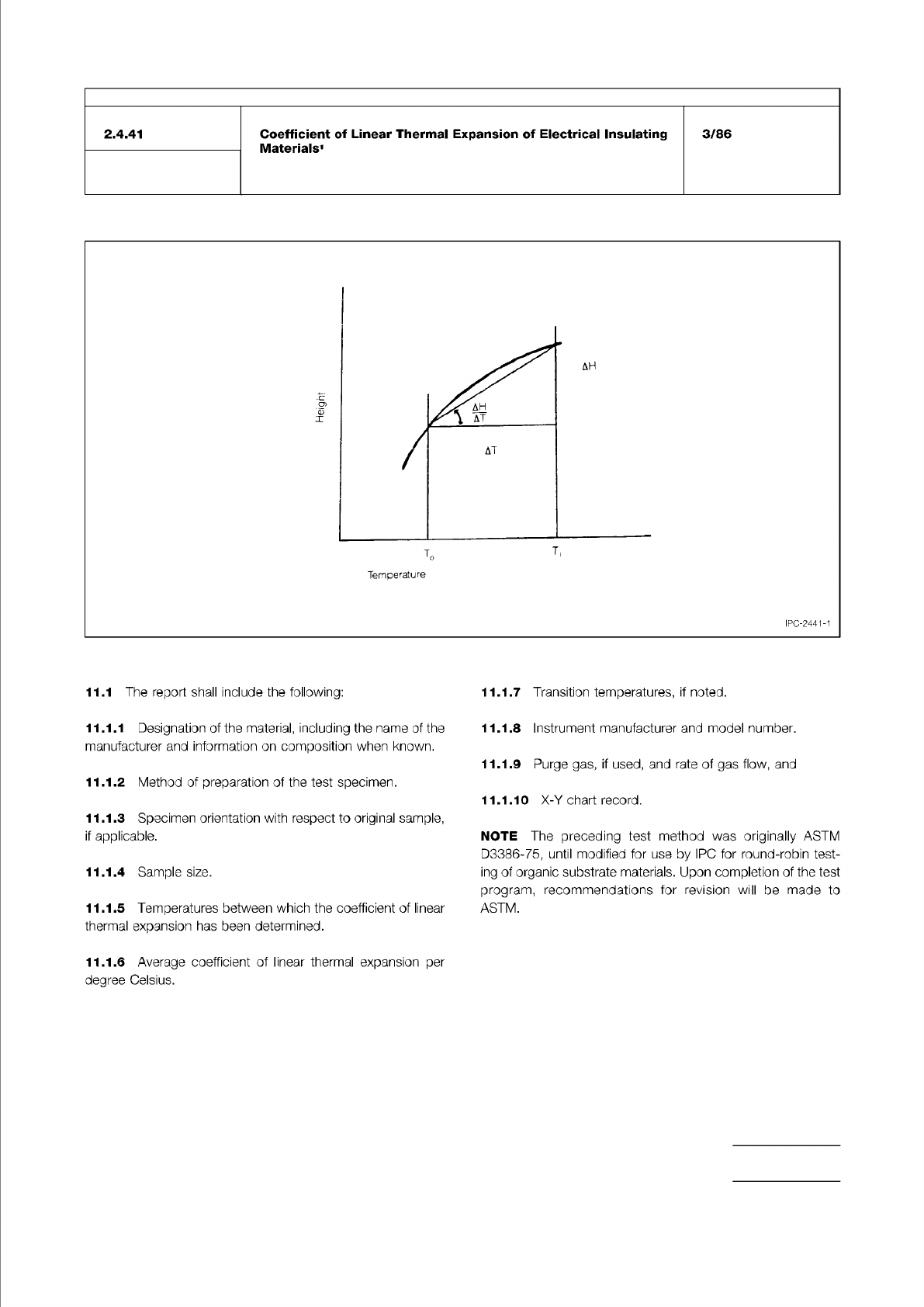
Figure 1 Specimen height versus temperature
IPC-TM-650
Number
Subject Date
Revision
Page 3 of 3
2.4.41
Coefficient
of
Linear
Thermal
Expansion
of
Electrical
Insulating
Materials1
3/86
Temperature
IPC-2441-1
11.1
The
report
shall
include
the
following:
11.1.7
Transition
temperatures,
if
noted.
11.1.1
Designation
of
the
material,
including
the
name
of
the
manufacturer
and
information
on
composition
when
known.
11.1.2
Method
of
preparation
of
the
test
specimen.
11.1.3
Specimen
orientation
with
respect
to
original
sample,
if
applicable.
11.1.4
Sample
size.
11.1.5
Temperatures
between
which
the
coefficient
of
linear
thermal
expansion
has
been
determined.
11.1.8
Instrument
manufacturer
and
model
number.
11.1.9
Purge
gas,
if
used,
and
rate
of
gas
flow,
and
11.1.10
X-Y
chart
record.
NOTE
The
preceding
test
method
was
originally
ASTM
D3386-75,
until
modified
for
use
by
IPG
for
round-robin
test¬
ing
of
organic
substrate
materials.
Upon
completion
of
the
test
program,
recommendations
for
revision
will
be
made
to
ASTM.
11.1.6
Average
coefficient
of
linear
thermal
expansion
per
degree
Celsius.
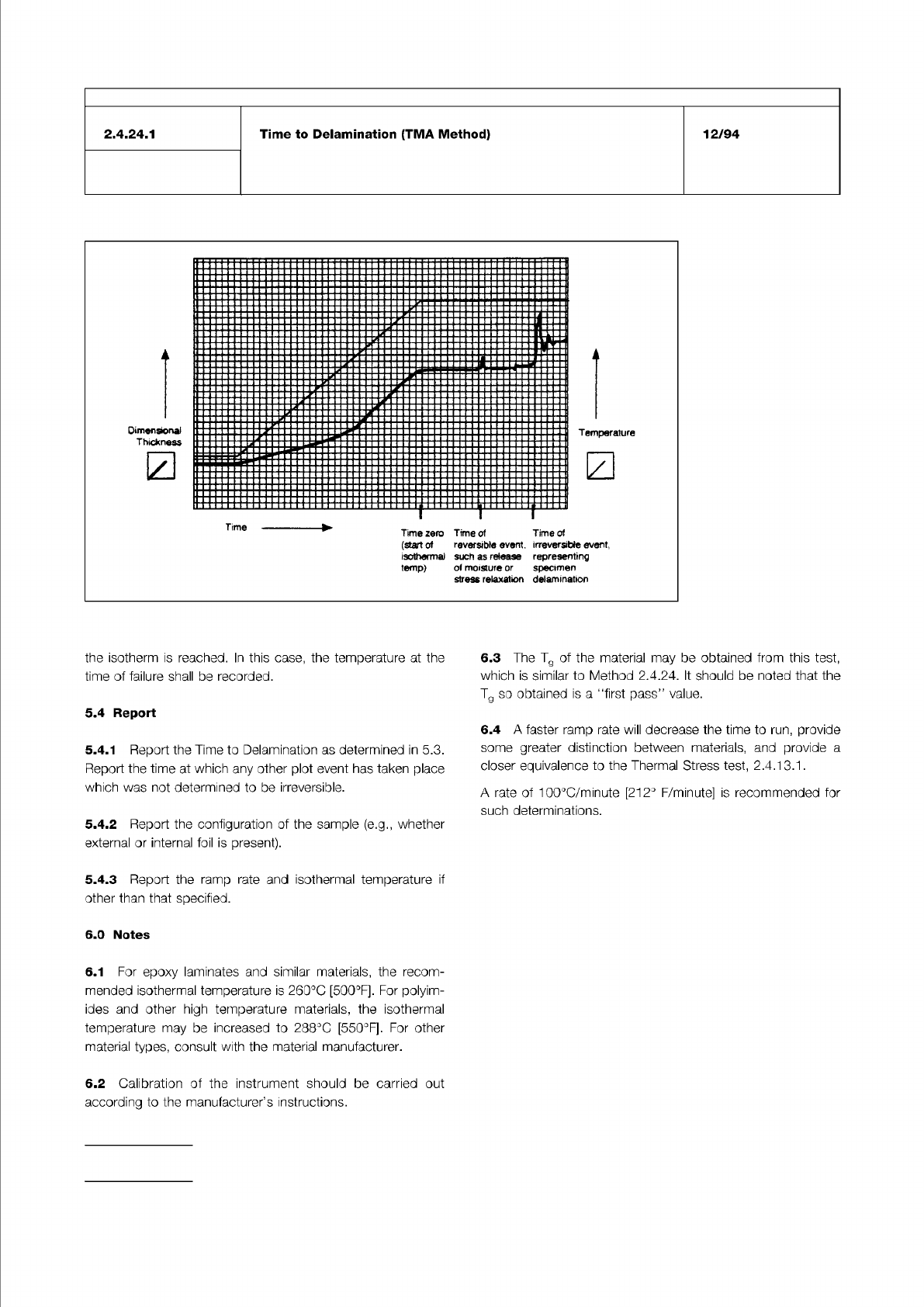
Figure 1
IPC-TM-650
Number
Subject Date
Revision
Page 2 of 2
2.4.24.1
Time
to
Delamination
(TMA
Method)
12/94
Ttme
—
A
Time
zero
Time
of
Time
of
(start
of
reversible
event,
irreversible
event,
isothermal
such
as
release
representing
temp)
of
moisture
or
specimen
stress
relaxation
delamination
the
isotherm
is
reached.
In
this
case,
the
temperature
at
the
time
of
failure
shall
be
recorded.
5.4
Report
5.4.1
Report
the
Time
to
Delamination
as
determined
in
5.3.
Report
the
time
at
which
any
other
plot
event
has
taken
place
which
was
not
determined
to
be
irreversible.
5.4.2
Report
the
configuration
of
the
sample
(e.g.,
whether
external
or
internal
foil
is
present).
5.4.3
Report
the
ramp
rate
and
isothermal
temperature
if
other
than
that
specified.
6.0
Notes
6.1
For
epoxy
laminates
and
similar
materials,
the
recom¬
mended
isothermal
temperature
is
260℃
[500°F].
For
polyim-
ides
and
other
high
temperature
materials,
the
isothermal
temperature
may
be
increased
to
288℃
[550°
F].
For
other
material
types,
consult
with
the
material
manufacturer.
6.3
The
Tg
of
the
material
may
be
obtained
from
this
test,
which
is
similar
to
Method
2.4.24.
It
should
be
noted
that
the
Tg
so
obtained
is
a
"first
pass"
value.
6.4
A
faster
ramp
rate
will
decrease
the
time
to
run,
provide
some
greater
distinction
between
materials,
and
provide
a
closer
equivalence
to
the
Thermal
Stress
test,
2.4.13.1
.
A
rate
of
100℃/minute
[212°
F/minute]
is
recommended
for
such
determinations.
6.2
Calibration
of
the
instrument
should
be
carried
out
according
to
the
manufacturer's
instructions.
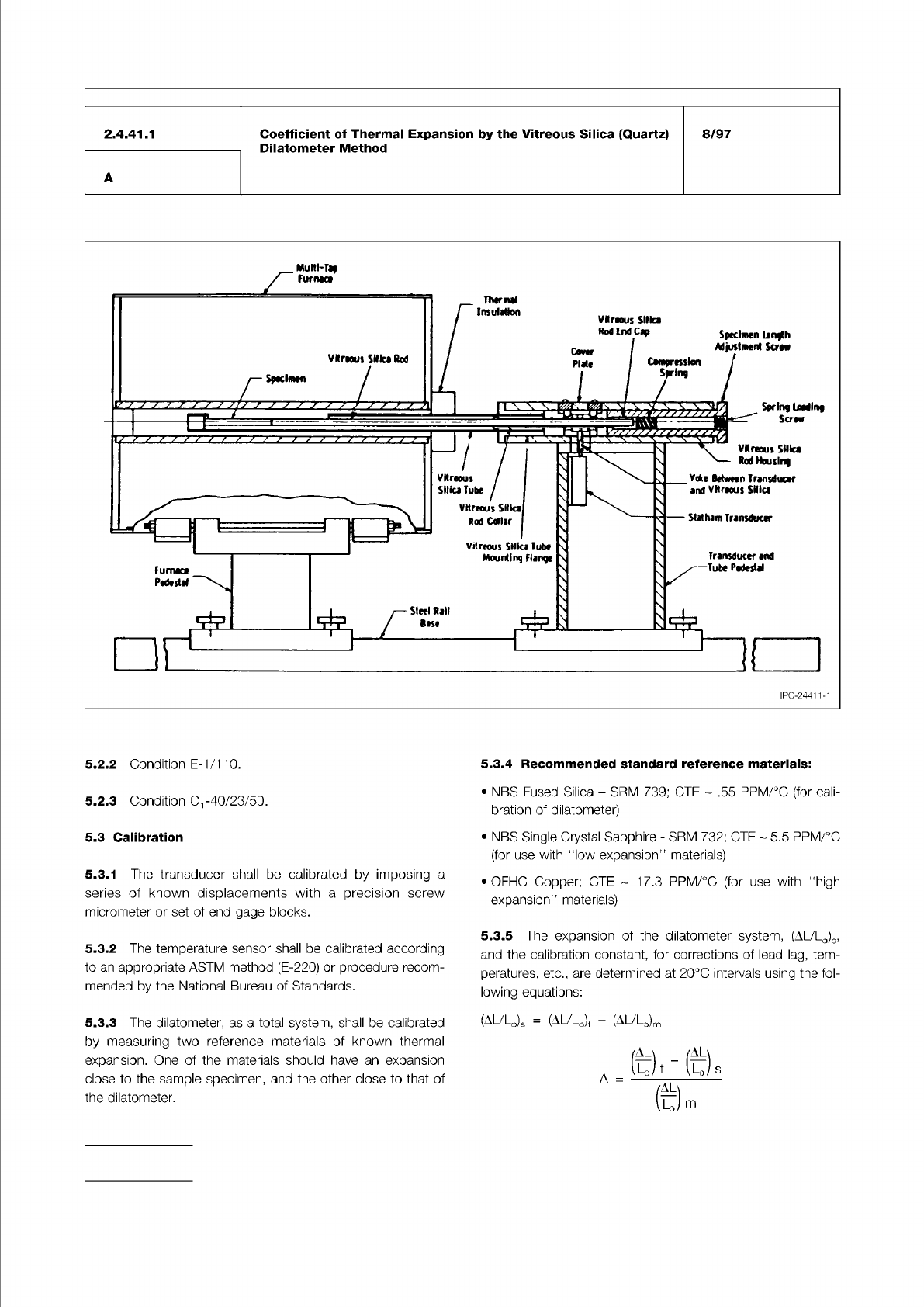
Figure 1 Cutaway view of vitreous silica tube dilatometer
IPC-TM-650
Number
Subject Date
Revision
Page 2 of 3
5.2.2
Condition
E-1/1
10.
5.3.4
Recommended
standard
reference
materials:
5.2.3
Condition
-40/23/50.
5.3
Calibration
5.3.2
The
temperature
sensor
shall
be
calibrated
according
to
an
appropriate
ASTM
method
(E-220)
or
procedure
recom¬
mended
by
the
National
Bureau
of
Standards.
•
OFHC
Copper;
GTE
1
7.3
PPM/℃
(for
use
with
“high
expansion"
materials)
5.3.3
The
dilatometer,
as
a
total
system,
shall
be
calibrated
by
measuring
two
reference
materials
of
known
thermal
expansion.
One
of
the
materials
should
have
an
expansion
close
to
the
sample
specimen,
and
the
other
close
to
that
of
the
dilatometer.
5.3.1
The
transducer
shall
be
calibrated
by
imposing
a
series
of
known
displacements
with
a
precision
screw
micrometer
or
set
of
end
gage
blocks.
•
NBS
Fused
Silica
-
SRM
739;
CTE
.55
PPM/℃
(for
cali¬
bration
of
dilatometer)
5.3.5
The
expansion
of
the
dilatometer
system,
(AL/LO)S,
and
the
calibration
constant,
for
corrections
of
lead
lag,
tem¬
peratures,
etc.,
are
determined
at
20℃
intervals
using
the
fol¬
lowing
equations:
(A^LO)S
=
(AULJ
-
(AULJm
•
NBS
Single
Crystal
Sapphire
-
SRM
732;
CTE
~
5.5
PPM/℃
(for
use
with
l1ow
expansion"
materials)
尚
「代)
s
A
=
2.4.41.1
A
Coefficient
of
Thermal
Expansion
by
the
Vitreous
Silica
(Quartz)
Dilatometer
Method
8/97
给
m