IPC-TM-650 EN 2022 试验方法--.pdf - 第462页
Figure 5 Five Assembly Views for a Sug gested T w o Member Stacking Alignment Jig (S ee 5.1.3) Note: IPC-TM-650 Page 5 of 1 1 Number 2.5.5.5.1 Revision Subject Stripline Test for Complex Relative Permittivity of Circuit …
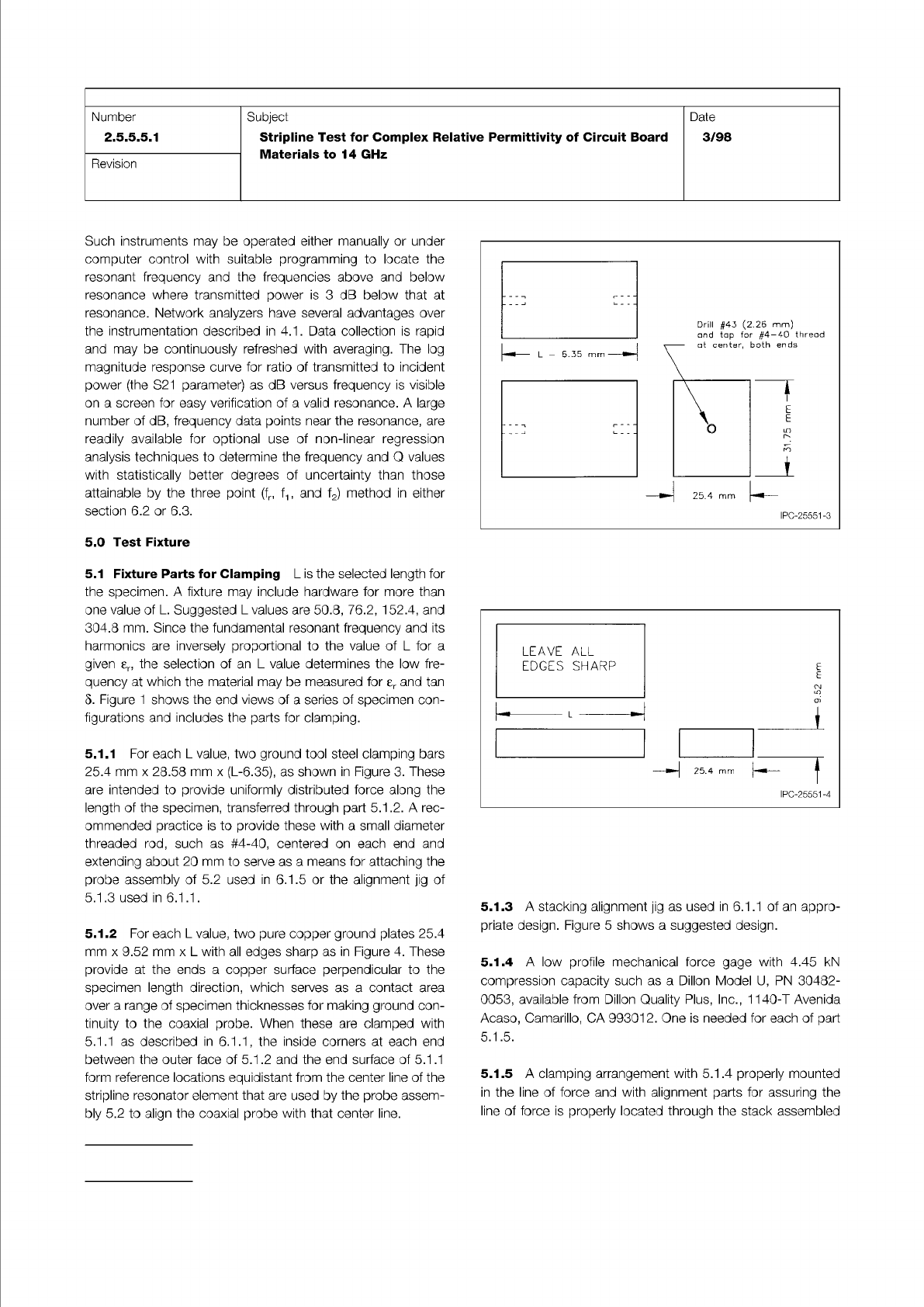
Figure 3 Three View Drawing of a Steel Clamping Bar
(See 5.1.1) Cut to Length for the 50.8 mm L Value
(Extended #4-40 Threaded Rod Both Ends is Not Shown)
Figure 4 Three View Drawing of a Copper Ground Plate
(See 5.1.2) for the 50.8 mm L Value
IPC-TM-650
Page 4 of 11
Number
2.5.5.5.1
Revision
Subject
Stripline
Test
for
Complex
Relative
Permittivity
of
Circuit
Board
Materials
to
14
GHz
Date
3/98
Such
instruments
may
be
operated
either
manually
or
under
computer
control
with
suitable
programming
to
locate
the
resonant
frequency
and
the
frequencies
above
and
below
resonance
where
transmitted
power
is
3
dB
below
that
at
resonance.
Network
analyzers
have
several
advantages
over
the
instrumentation
described
in
4.1.
Data
collection
is
rapid
and
may
be
continuously
refreshed
with
averaging.
The
log
magnitude
response
curve
for
ratio
of
transmitted
to
incident
power
(the
S21
parameter)
as
dB
versus
frequency
is
visible
on
a
screen
for
easy
verification
of
a
valid
resonance.
A
large
number
of
dB,
frequency
data
points
near
the
resonance,
are
readily
available
for
optional
use
of
non-linear
regression
analysis
techniques
to
determine
the
frequency
and
Q
values
with
statistically
better
degrees
of
uncertainty
than
those
attainable
by
the
three
point
(fr,
and
f2)
method
in
either
section
6.2
or
6.3.
5.0
Test
Fixture
5.1
Fixture
Parts
for
Clamping
L
is
the
selected
length
for
the
specimen.
A
fixture
may
include
hardware
for
more
than
one
value
of
L.
Suggested
L
values
are
50.8,
76.2,
152.4,
and
304.8
mm.
Since
the
fundamental
resonant
frequency
and
its
harmonics
are
inversely
proportional
to
the
value
of
L
for
a
given
£r,
the
selection
of
an
L
value
determines
the
low
fre¬
quency
at
which
the
material
may
be
measured
for
and
tan
8.
Figure
1
shows
the
end
views
of
a
series
of
specimen
con¬
figurations
and
includes
the
parts
for
clamping.
5.1.1
For
each
L
value,
two
ground
tool
steel
clamping
bars
25.4
mm
x
28.58
mm
x
(L-6.35),
as
shown
in
Figure
3.
These
are
intended
to
provide
uniformly
distributed
force
along
the
length
of
the
specimen,
transferred
through
part
5.1
.2.
A
rec¬
ommended
practice
is
to
provide
these
with
a
small
diameter
threaded
rod,
such
as
#4-40,
centered
on
each
end
and
extending
about
20
mm
to
serve
as
a
means
for
attaching
the
probe
assembly
of
5.2
used
in
6.1.5
or
the
alignment
jig
of
5.1
.3
used
in
6.1
.1
.
5.1.2
For
each
L
value,
two
pure
copper
ground
plates
25.4
mm
x
9.52
mm
x
L
with
all
edges
sharp
as
in
Figure
4.
These
provide
at
the
ends
a
copper
surface
perpendicular
to
the
specimen
length
direction,
which
serves
as
a
contact
area
over
a
range
of
specimen
thicknesses
for
making
ground
con¬
tinuity
to
the
coaxial
probe.
When
these
are
clamped
with
5.1
.1
as
described
in
6.1
.1
,
the
inside
corners
at
each
end
between
the
outer
face
of
5.1
.2
and
the
end
surface
of
5.1
.1
form
reference
locations
equidistant
from
the
center
line
of
the
stripline
resonator
element
that
are
used
by
the
probe
assem¬
bly
5.2
to
align
the
coaxial
probe
with
that
center
line.
IPC-25551-3
Drill
#43
(2.26
mm)
L
—
6.35
mm
L
LEAVE
ALL
EDGES
SHARP
5.1.3
A
stacking
alignment
jig
as
used
in
6.1
.1
of
an
appro¬
priate
design.
Figure
5
shows
a
suggested
design.
5.1.4
A
low
profile
mechanical
force
gage
with
4.45
kN
compression
capacity
such
as
a
Dillon
Model
U,
PN
30482-
0053,
available
from
Dillon
Quality
Plus,
Inc.,
11
40-T
Avenida
Acaso,
Camarillo,
GA
993012.
One
is
needed
for
each
of
part
5.1.5.
5.1.5
A
clamping
arrangement
with
5.1.4
properly
mounted
in
the
line
of
force
and
with
alignment
parts
for
assuring
the
line
of
force
is
properly
located
through
the
stack
assembled
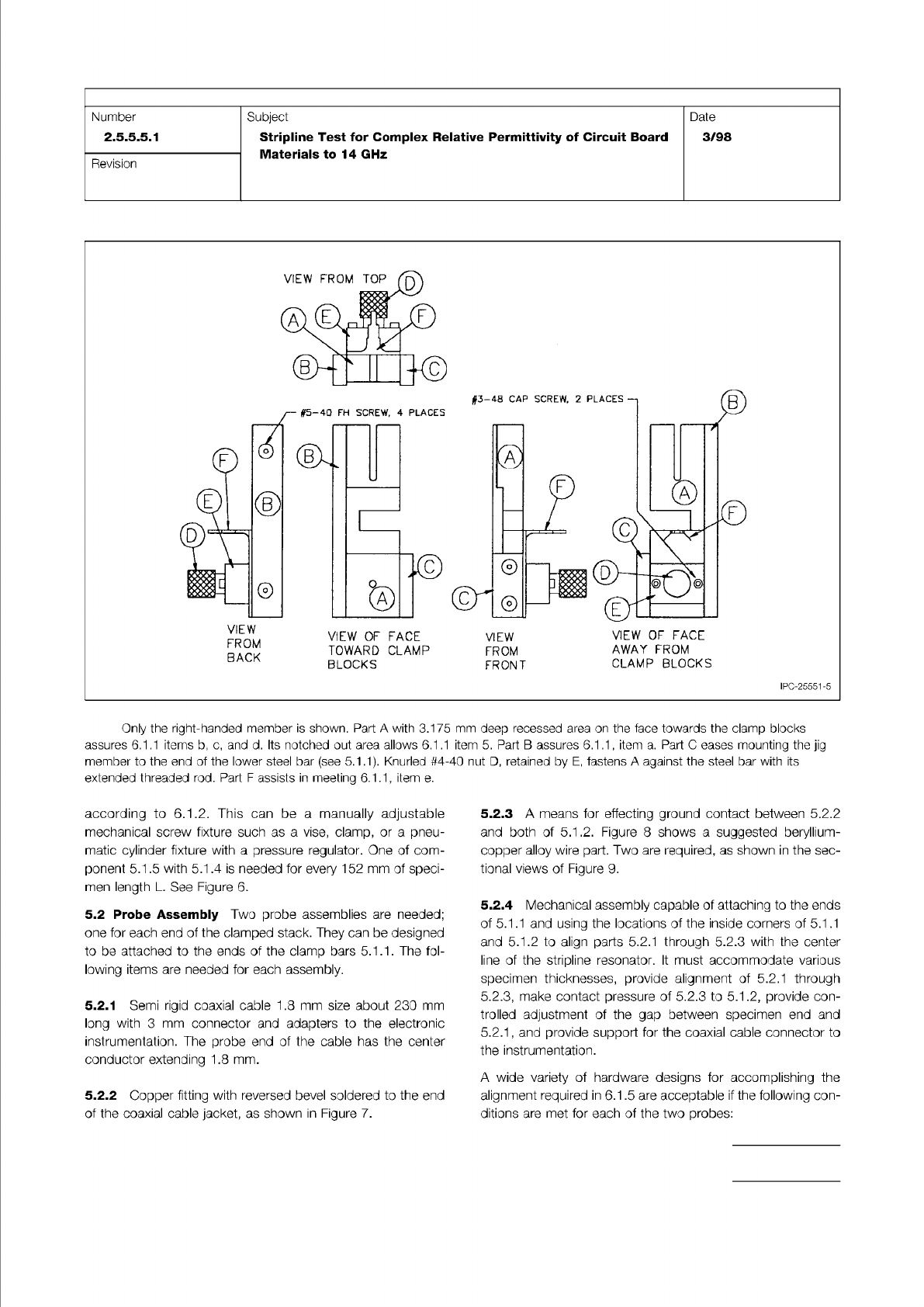
Figure 5 Five Assembly Views for a Suggested Two Member Stacking Alignment Jig (See 5.1.3)
Note:
IPC-TM-650
Page 5 of 11
Number
2.5.5.5.1
Revision
Subject
Stripline
Test
for
Complex
Relative
Permittivity
of
Circuit
Board
Materials
to
14
GHz
Date
3/98
VIEW
FROM
BACK
VIEW
OF
FACE
TOWARD
CLAMP
BLOCKS
厂
#5-40
FH
SCREW,
4
PLACES
FRONT
CLAMP
BLOCKS
IPC-25551-5
Only
the
right-handed
member
is
shown.
Part
A
with
3.175
mm
deep
recessed
area
on
the
face
towards
the
clamp
blocks
assures
6.1
.1
items
b,
c,
and
d.
Its
notched
out
area
allows
6.1
.1
item
5.
Part
B
assures
6.1
.1
,
item
a.
Part
C
eases
mounting
the
jig
member
to
the
end
of
the
lower
steel
bar
(see
5.1
.1).
Knurled
#4-40
nut
D,
retained
by
E,
fastens
A
against
the
steel
bar
with
its
extended
threaded
rod.
Part
F
assists
in
meeting
6.1
.1
,
item
e.
according
to
6.1.2.
This
can
be
a
manually
adjustable
mechanical
screw
fixture
such
as
a
vise,
clamp,
or
a
pneu¬
matic
cylinder
fixture
with
a
pressure
regulator.
One
of
com¬
ponent
5.1
.5
with
5.1
.4
is
needed
for
every
152
mm
of
speci¬
men
length
L.
See
Figure
6.
5.2
Probe
Assembly
Two
probe
assemblies
are
needed;
one
for
each
end
of
the
clamped
stack.
They
can
be
designed
to
be
attached
to
the
ends
of
the
clamp
bars
5.1.1.
The
fol¬
lowing
items
are
needed
for
each
assembly.
5.2.1
Semi
rigid
coaxial
cable
1.8
mm
size
about
230
mm
long
with
3
mm
connector
and
adapters
to
the
electronic
instrumentation.
The
probe
end
of
the
cable
has
the
center
conductor
extending
1.8
mm.
5.2.2
Copper
fitting
with
reversed
bevel
soldered
to
the
end
of
the
coaxial
cable
jacket,
as
shown
in
Figure
7.
5.2.3
A
means
for
effecting
ground
contact
between
5.2.2
and
both
of
5.1
.2.
Figure
8
shows
a
suggested
beryllium¬
copper
alloy
wire
part.
Two
are
required,
as
shown
in
the
sec¬
tional
views
of
Figure
9.
5.2.4
Mechanical
assembly
capable
of
attaching
to
the
ends
of
5.1
.1
and
using
the
locations
of
the
inside
corners
of
5.1
.1
and
5.1.2
to
align
parts
5.2.1
through
5.2.3
with
the
center
line
of
the
stripline
resonator.
It
must
accommodate
various
specimen
thicknesses,
provide
alignment
of
5.2.1
through
5.2.3,
make
contact
pressure
of
5.2.3
to
5.1.2,
provide
con¬
trolled
adjustment
of
the
gap
between
specimen
end
and
5.2.1
,
and
provide
support
for
the
coaxial
cable
connector
to
the
instrumentation.
A
wide
variety
of
hardware
designs
for
accomplishing
the
alignment
required
in
6.1.5
are
acceptable
if
the
following
con¬
ditions
are
met
for
each
of
the
two
probes:
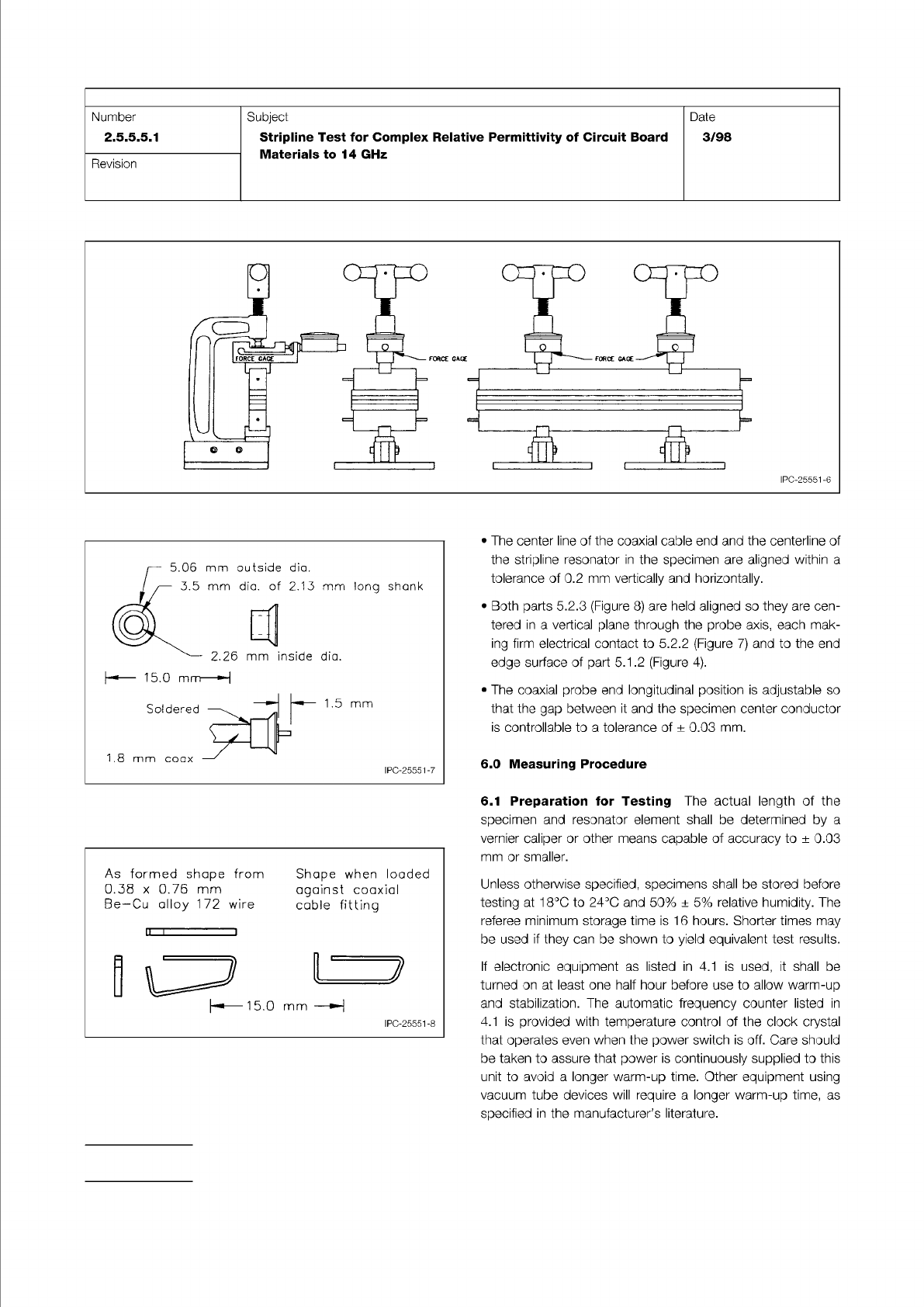
Figure 6 Clamp Arrangement (See 5.1.5) Showing Side and Front Views for Specimen Lengths of 76.2 mm and 304.8 mm
Figure 7 Copper Fitting with Reverse Bevel (See 5.2.2)
Soldered to the 1.8 mm Semi-Rigid Coaxial Cable Probe
Figure 8 Formed Be-Cu Alloy Wire for Ground Continuity
from Coaxial Cable Fitting to Copper Ground Plate
IPC-TM-650
Page 6 of 11
Number
2.5.5.5.1
Revision
Subject
Stripline
Test
for
Complex
Relative
Permittivity
of
Circuit
Board
Materials
to
14
GHz
Date
3/98
IPC-25551-6
As
formed
shape
from
0.33
x
0.76
mm
Be—
Cu
alloy
1
72
wire
Shape
when
loaded
against
coaxial
cable
fitting
H
—
1
5.0
mm
—
H
IPC-25551-8
•
The
center
line
of
the
coaxial
cable
end
and
the
centerline
of
the
stripline
resonator
in
the
specimen
are
aligned
within
a
tolerance
of
0.2
mm
vertically
and
horizontally.
•
Both
parts
5.2.3
(Figure
8)
are
held
aligned
so
they
are
cen¬
tered
in
a
vertical
plane
through
the
probe
axis,
each
mak¬
ing
firm
electrical
contact
to
5.2.2
(Figure
7)
and
to
the
end
edge
surface
of
part
5.1.2
(Figure
4).
•
The
coaxial
probe
end
longitudinal
position
is
adjustable
so
that
the
gap
between
it
and
the
specimen
center
conductor
is
controllable
to
a
tolerance
of
土
0.03
mm.
6.0
Measuring
Procedure
6.1
Preparation
for
Testing
The
actual
length
of
the
specimen
and
resonator
element
shall
be
determined
by
a
vernier
caliper
or
other
means
capable
of
accuracy
to
土
0.03
mm
or
smaller.
Unless
otherwise
specified,
specimens
shall
be
stored
before
testing
at
18℃
to
24℃
and
50%
±
5%
relative
humidity.
The
referee
minimum
storage
time
is
16
hours.
Shorter
times
may
be
used
if
they
can
be
shown
to
yield
equivalent
test
results.
If
electronic
equipment
as
listed
in
4.1
is
used,
it
shall
be
turned
on
at
least
one
half
hour
before
use
to
allow
warm-up
and
stabilization.
The
automatic
frequency
counter
listed
in
4.1
is
provided
with
temperature
control
of
the
clock
crystal
that
operates
even
when
the
power
switch
is
off.
Care
should
be
taken
to
assure
that
power
is
continuously
supplied
to
this
unit
to
avoid
a
longer
warm-up
time.
Other
equipment
using
vacuum
tube
devices
will
require
a
longer
warm-up
time,
as
specified
in
the
manufacturer's
literature.