QP132三级参考手册.pdf.pdf - 第96页
7.2 T raining Evaluation Circle the most appropriate answer from the list below. (1) To calculate Pickup Position DX0, DY0: a. measuring positions of all the PFU’s are required. b. measuring positions of all the modules …
6. Adjust the cylinder backward end sensor in the same manner as PFU
unclamping side.
7.1.2 DX0, DY0 Pickup Position
1. Clamp the reference PFU to ST1.
2. Set the feeder jig (ACGPJ9070) to slot ST1, on PM1.
3. Set a nozzle jig (ACGPJ9021) to holder A and measure the Proper data.
4. Measure PM2_S1, PM3_S1, and PM4_S1 in the same manner.
5. Clamp the reference PFU to each ST and calibrate.
6. Calibrate the rest of the PFU’s accordingly.
7. Calculate the average value of DX0 and DY0 for each PM. Set the value
to Proper, DX0 and DY0.
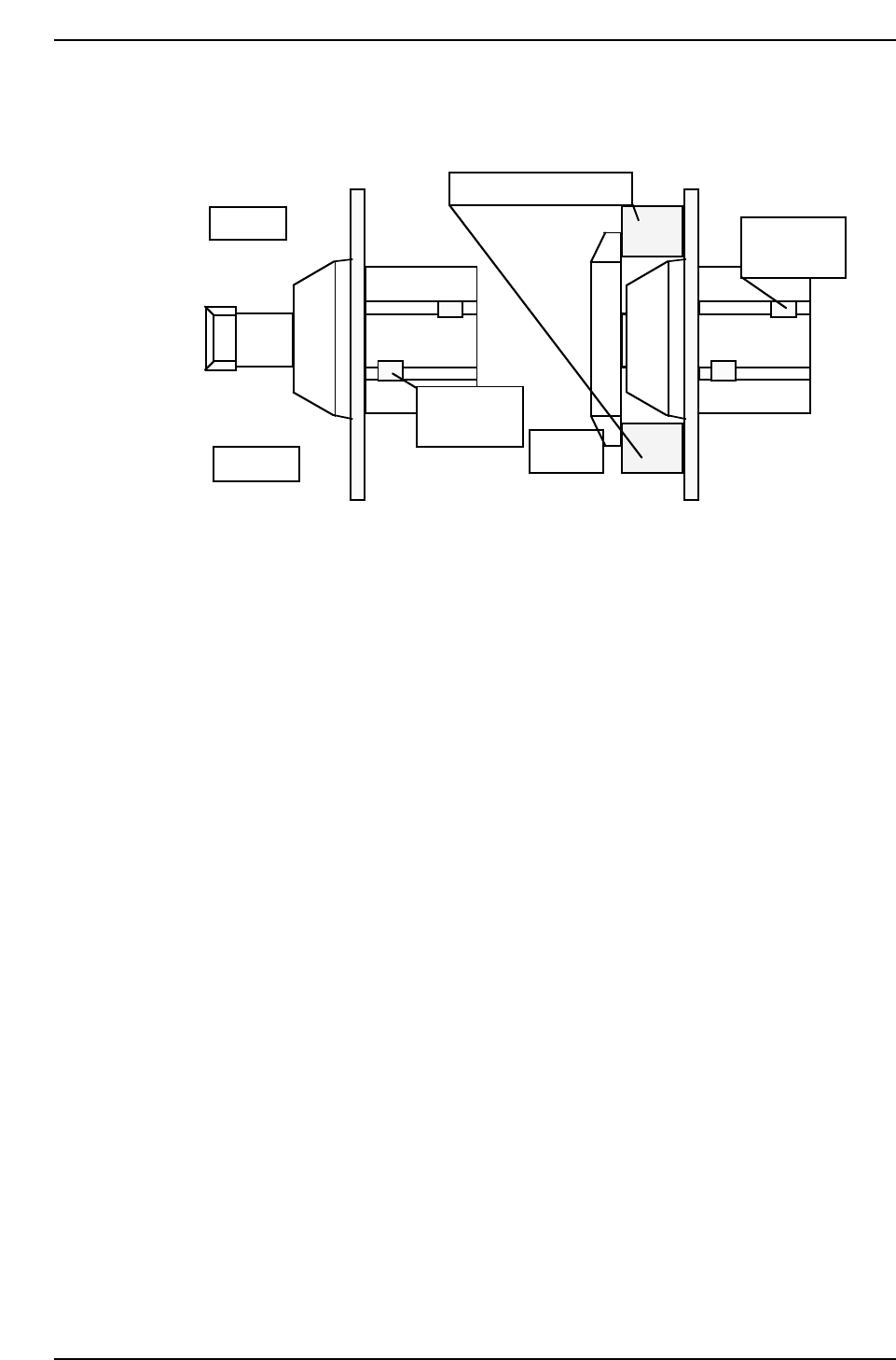
QP132T7001
Unclamp
PFU dummy clamp jig
M/C front
Unclamp
check sensor
At
clamping
Clamp check
sensor
Chapter 7 7.1 Measuring PFU Proper Data and Adjustment
Edition 1.1 7-2 QP-132 Level 3 Tutorial

7.2 Training Evaluation
Circle the most appropriate answer from the list below.
(1) To calculate Pickup Position DX0, DY0:
a. measuring positions of all the PFU’s are required.
b. measuring positions of all the modules are required.
c. measuring positions of all the PFU’s on all the modules are
required.
(2) PFU dummy clamp jig is used to measure:
a. PFU clamper forward end sensor.
b. PFU clamper backward end sensor.
c. Both a and b.
(3) To measure Pickup Position DX0, DY0, move the head by:
a. hand.
b. inching.
c. command.
(4) How many PFU clamper forward end sensors on one QP132?
a. 4
b. 8
c. 16
(5) To measure Pickup Position DX, DY0, install nozzle jig on:
a. nozzle holder E.
b. nozzle holder F.
c. nozzle holder B.
Chapter 7 7.2 Training Evaluation
Edition 1.0 7-3 QP-132 Level 3 Tutorial

Notes:
Chapter 7 7.2 Training Evaluation
Edition 1.0 7-4 QP-132 Level 3 Tutorial