80S-2080F480F4-680F5 User’s Manual.pdf - 第368页
SIPLACE 80S-20/F4/F4-6/F5 User’s Manual 5 Vision Functi on s Edition 03/98 from S oftware Version SR.404.xx 5.7 Guidelines for Describing Package Form s Line engi neer 5 - 147 . Fig. 5.7.12 Il lum ination Values for stan…
5 Vision Functions SIPLACE 80S-20/F4/F4-6/F5 User’s Manual
5.7 Guidelines for Describing Package Forms Edition 03/98 from Software Version SR.404.xx
5 - 146 Line engineer
5.7.9.3 Settings for Illuminating Components
The standard range of components includes chips (0402 to 2220), tantalum capacitors, Melf components,
PLCCs, QFPs, SOs, SOJs, TSOPs, ICs, power components, flip-chips, µBGAs, BGAs and bare dies.
For the components which are listed below the GF interpreter in the station computer uses the default illumi-
nation parameters listed in Fig. 5.7.12:
– Chips (0402 to 2220)
– Tantalum capacitors (component bodies, non-reflective)
– Melf
– PLCC, QFP, SO, SOJ, TSOP, ICs, power ICs
– Flip-chips, µBGAs, BGAs
– Bare dies
As a rule you will not need to change the illumination parameters for the components.
SIPLACE 80S-20/F4/F4-6/F5 User’s Manual 5 Vision Functions
Edition 03/98 from Software Version SR.404.xx 5.7 Guidelines for Describing Package Forms
Line engineer 5 - 147
.
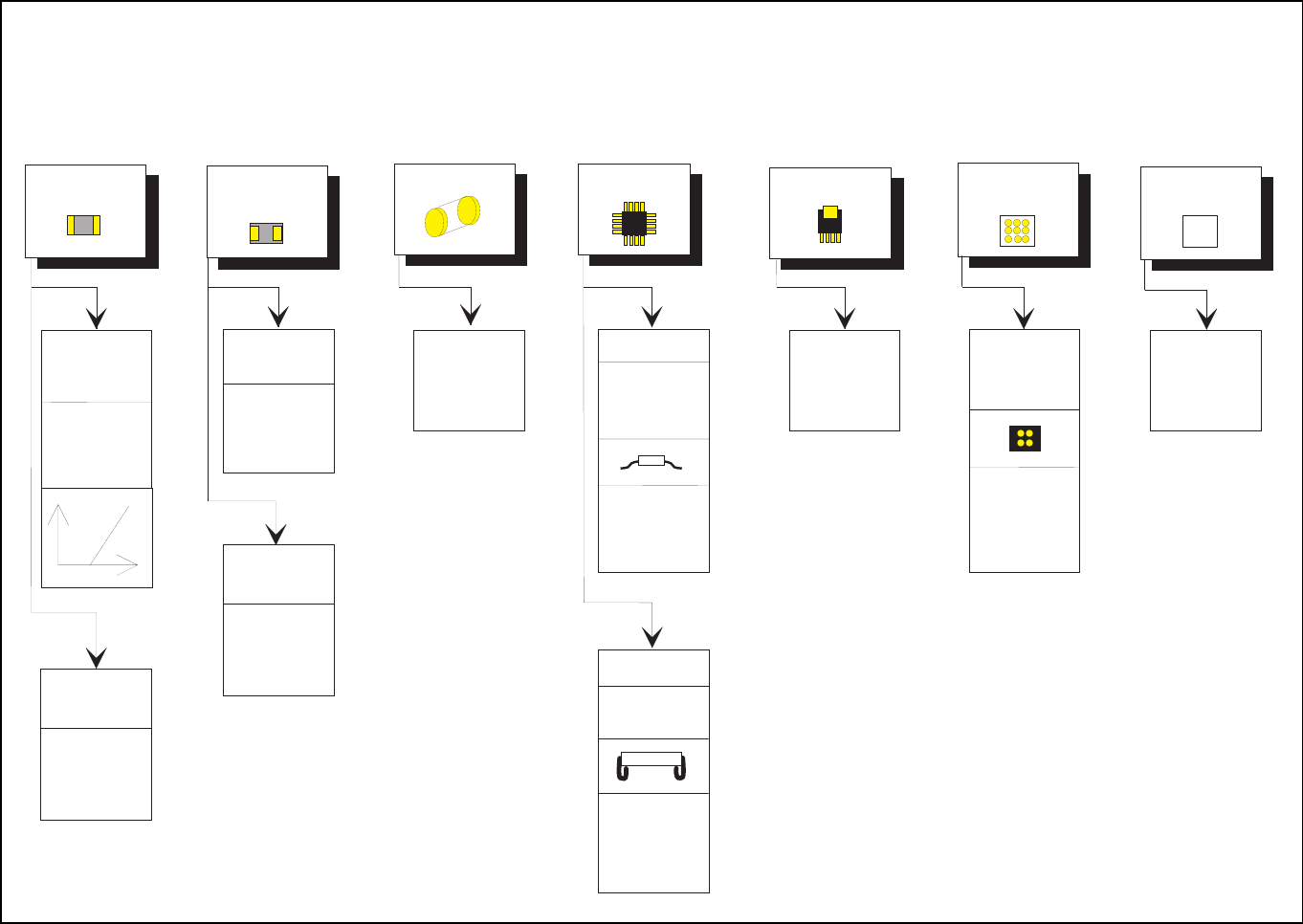
Fig. 5.7.12 Illumination Values for standard components at the 6x revolver head camera (DCA option) on the 80 F
5
placement
machine
Adjusting the illum ination of standard com ponents
Chip
IC
Power IC
Melf
BGA, µBG A
flip -c h ip
Tantalum
capacitor
BGA,
µBG A,
flip -c h ip
0805 and
larger
0201,
0402,
0603
G eneral
Reflective
body
X plane: 50
fla t: 5 0
m iddle: 50
s te e p : 5 0
G u llw in g
SO, SOT,
TSO P
QFP,
J-Lead
PLCC
255
150
X plane: 50
fla t: 5 0
m iddle: 50
s te e p : 5 0
X plane: 0
fla t: 5 0
m iddle: 80
s te e p : 1 0 0
X plane: 230
fla t: 2 3 0
m id d le : 2 0
s te e p : 2 0
X plane: 200
fla t: 1 0 0
m id d le : 4 0
s te e p : 4 0
X plane: 0
fla t: 8 0
m iddle: 50
s te e p : 5 0
X plane: 0
fla t: 0
m iddle: 100
s te e p : 2 0
X plane: 150
fla t: 3 0
m id d le : 0
s te e p : 0
Bare Die
X plane: 0
fla t: 8 0
m iddle: 50
s te e p : 5 0
X plane: 0
fla t: 0
m iddle: 50
s te e p : 1 1 0

5 Vision Functions SIPLACE 80S-20/F4/F4-6/F5 User’s Manual
5.7 Guidelines for Describing Package Forms Edition 03/98 from Software Version SR.404.xx
5 - 148 Line engineer
5.7.9.4 Testing Illumination Settings
You can set the illumination parameters by calling the ’Illumination’ option (see Section 5.6.4.8, Page 5 - 101).
Using the 'Measure Component Option' you can then measure the component and check your settings with
the aid of the measurement results.
Proceed as follows to test your illumination setting:
Using the illumination values suggested in Fig. 5.7.12 carry out measurement. Measurement should run
through successfully.
For each level reduce the set brightness level by 50 %.
Measurement should run through successfully.
For each level raise the set brightness level by 50 %.
Measurement should run through successfully.
If you are not successful with the above procedure, proceed as follows:
Starting with the suggested illumination value, increase the brightness of each individual illumination level
for as long as measurement is still successful.
Find this upper limit value for each individual illumination level in turn.
Starting with the suggested illumination value, decrease the brightness of each individual illumination level
for as long as measurement is still successful. Find this lower limit value for each individual illumination
level in turn.
Determine the average value of the upper and lower limit values. This will be the optimum illumination
value.
Example of an illumination test:
– Settings from the diagram:
X plane: 200
flat: 100
middle: 40
steep: 40
– Measure the component. Measurement is successful.
– Reduce setting values by 50%.
X plane: 100
flat: 50
middle: 20
steep: 20
– Increase setting values by 50%.
X plane: 255
flat: 150
middle: 60
steep: 60
– Measure the component. Measurement is successful.