00197498-03_UM_SiplaceCA-Serie_EN.pdf - 第203页
User Manual SIPLACE CA-Series 4 SIPLACE Wafer System (SWS) From software version SC.708.0 Edition 12/20 14 4.1 Functions 203 4.1.3.2 Die Att ach Process The optional die att ach unit is needed for the die attach process.…
4 SIPLACE Wafer System (SWS) User Manual SIPLACE CA-Series
4.1 Functions From software version SC.708.0 Edition 12/2014
202
4.1.3.1 Flip Chip Process
The flip chip process is the standard method for SWS. This involves rotating the die by 180° before
it is placed on the board (face down placement).
The flip chip process is a method which is rapidly gaining in popularity. This process is primarily
used for consumer electronics assemblies (e.g. processors, graphics processors, memory).
The inputs/outputs (I/A) of the dies are directly connected to the PCB which results in several ben-
efits compared to the classical die attach process:
Less space required
Faster signal transfer
Higher I/O density per component
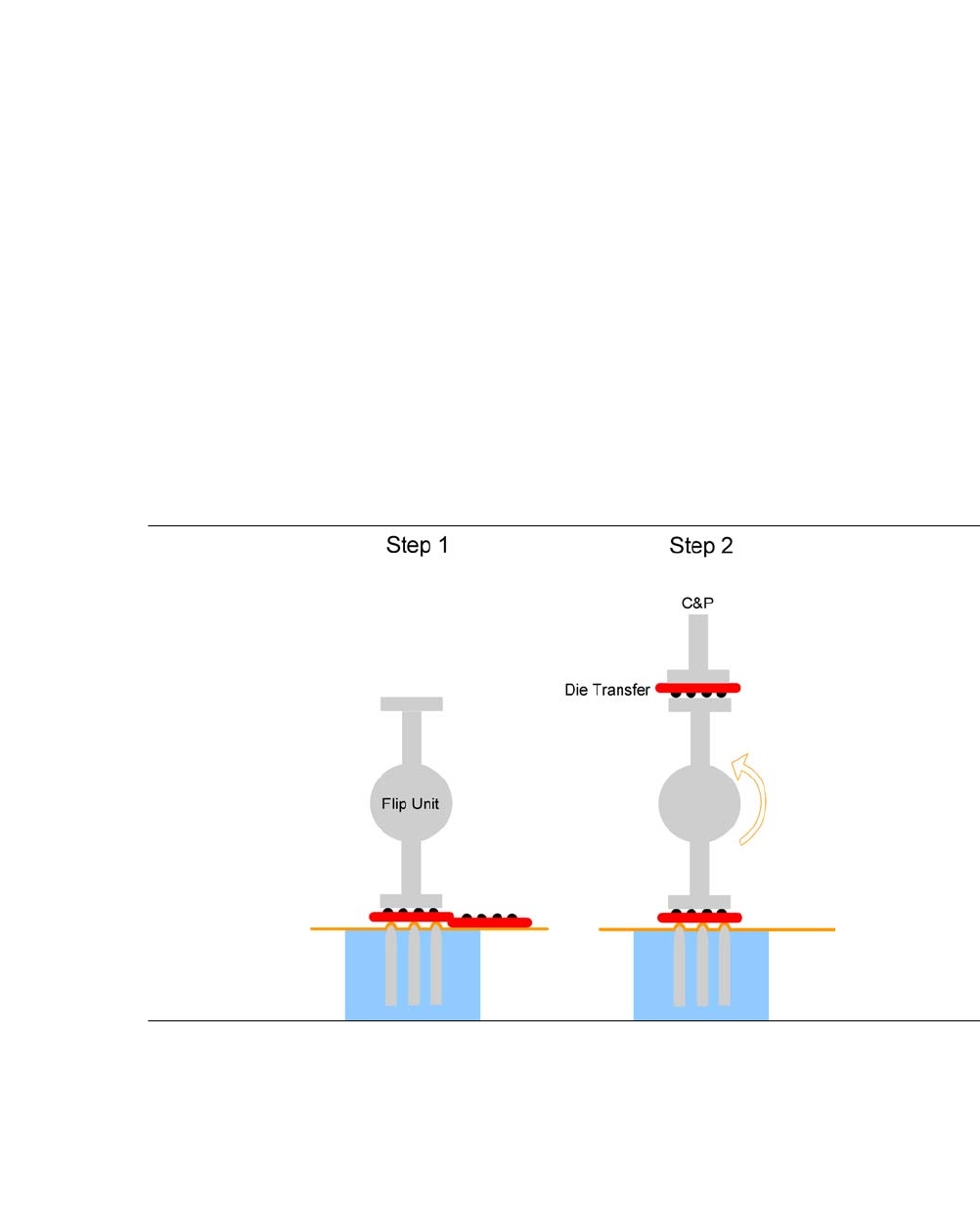
Fig. 4.1 - 2 Flip Chip Process
The flip chip process steps are:
– Step 1: Die release
– Step 2: The die is rotated by 180° and is passed on to the placement head. Parallel to this,
the next die is taken up by the second nozzle of the flip unit.
User Manual SIPLACE CA-Series 4 SIPLACE Wafer System (SWS)
From software version SC.708.0 Edition 12/2014 4.1 Functions
203
4.1.3.2 Die Attach Process
The optional die attach unit is needed for the die attach process.
In this method, the die is placed in the same bottom/top orientation as it was on the wafer foil
("face-up" placement).
Die attach is the conventional die placement procedure. It requires an additional step in order to
establish the connection from the die to the board (wire connections).
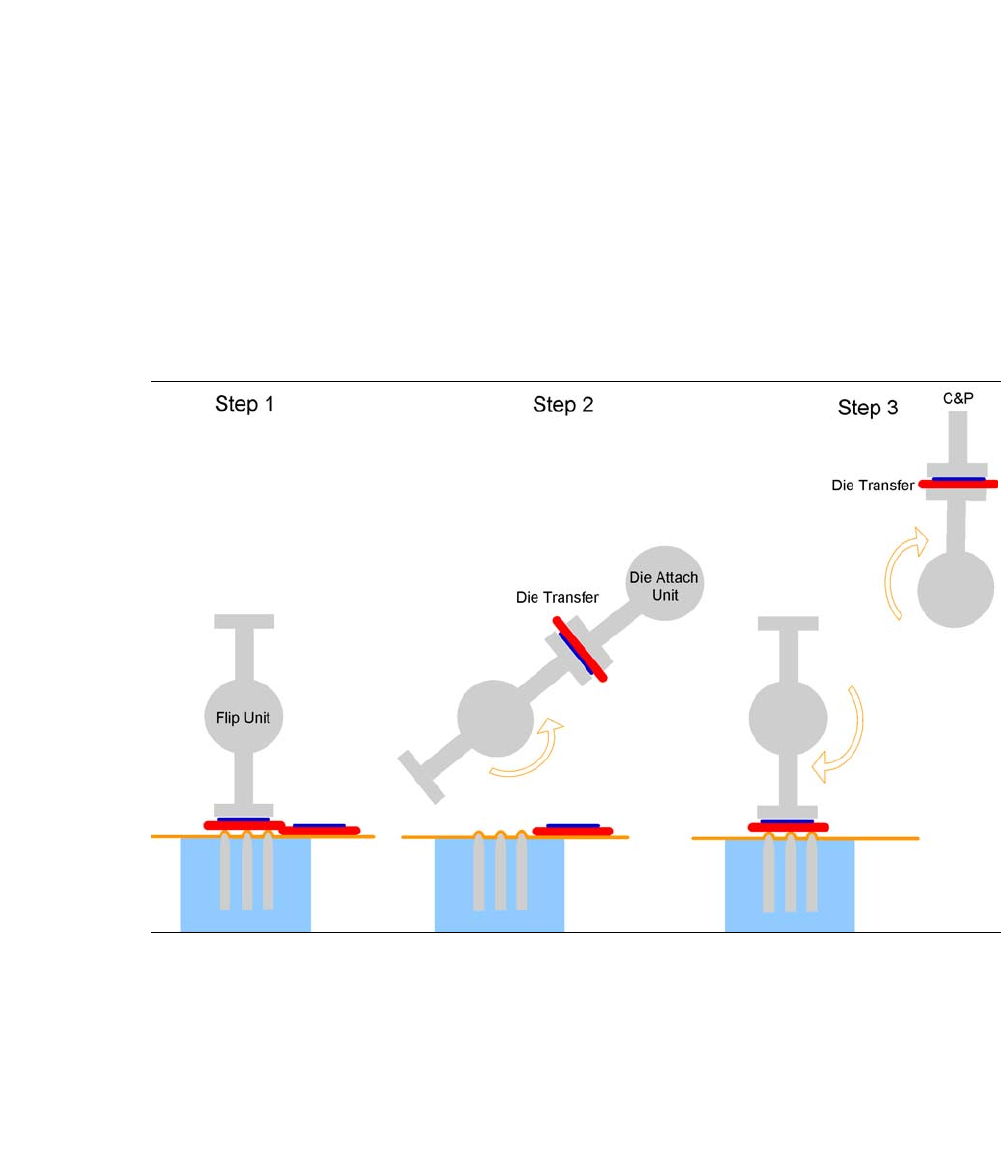
Fig. 4.1 - 3 The die attach process steps
The die attach process steps are:
– Step 1: Die release
– Step 2: The die is rotated by approx. 130°and transferred to the die attach unit.
– Step 3: The die attach unit rotates the die into the pickup position and transfers it to the place-
ment head. Parallel to this, the next die is picked up by the flip unit.
4 SIPLACE Wafer System (SWS) User Manual SIPLACE CA-Series
4.1 Functions From software version SC.708.0 Edition 12/2014
204
4.1.3.3 Die Recognition and Positioning
The wafers are fixed to the wafer foil with a specific position and angular tolerance.
It is therefore not possible to place the die reliably in the center of the ejector unit without recog-
nition and correction. This is particularly important for small dies, in order to ensure reliable ejec-
tion.
Furthermore, you may need to process only a selection of dies. A selection can be made by mark-
ing "bad" dies with an ink spot or by using a wafer map file for the relevant wafer.
The following equipment is required for this step:
2 axes wafer table for positioning
Wafer camera system for the die and for optional ink spot recognition
Optional wafer map system
4.1.3.4 Ejection Process
Once the die has been centered using the ejection system, it can be released from the wafer foil
using needles and transferred to the flip unit. While the needles release the die from the foil, the
wafer foil is moved towards the ejection system by means of suction.
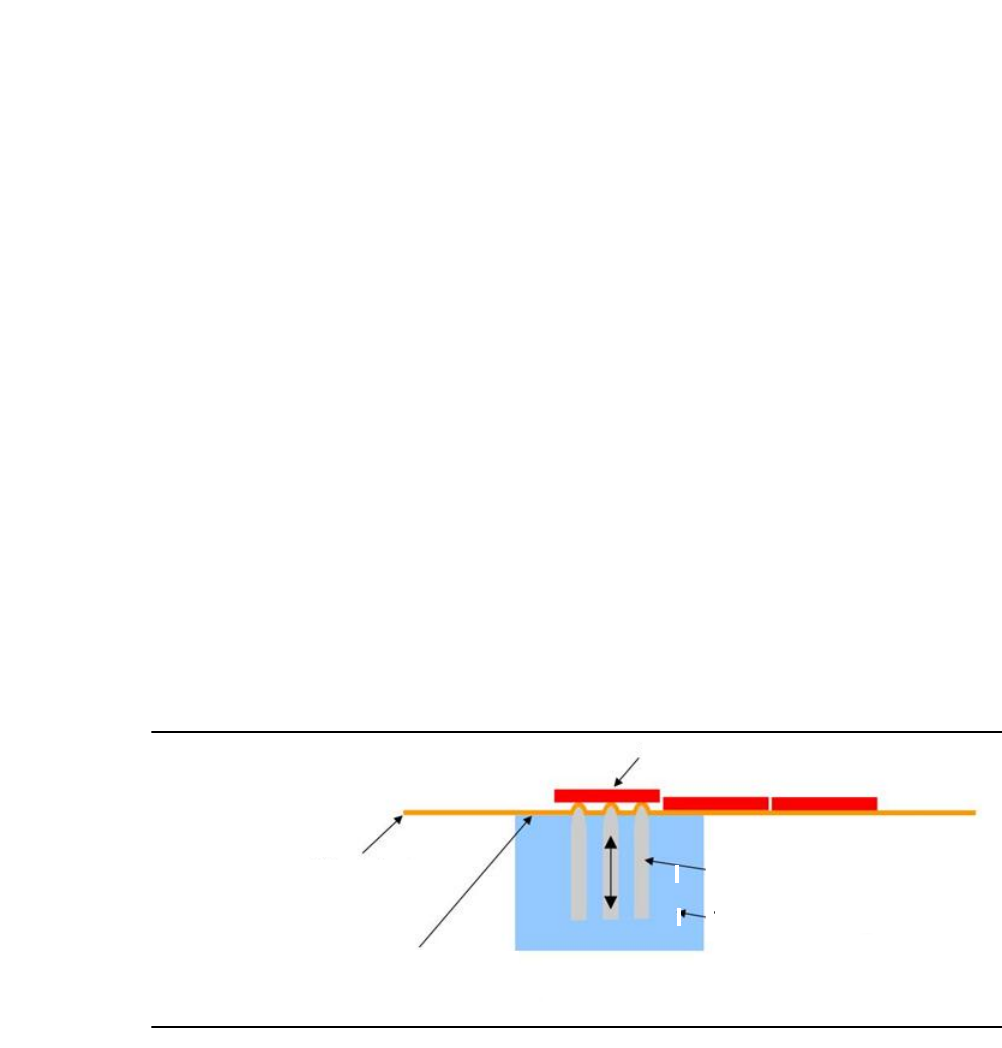
Fig. 4.1 - 4 Die presentation process
The following equipment is required for this method:
– Ejector system with exchangeable ejector tool
Ejection needle
Vacuum cap
Ejection system
Active component - ready for pickup
Wafer foil
The wafer foil is sucked up by vacuum
at the vacuum cap