HS50_advance_level 1_20200522_221201 (1).pdf - 第556页
Studen t Guide HS-50 A dvanced I 06/200 2 Edition 20 App endix 29 5. T he threshold for component acceptance is determined at this time. In this case we ha ve an open va lue of 700 mbar , and a c losed value of 900 mbar …
06/2002 Edition Student Guide HS-50 Advanced I
20 Appendix
28
20.4.5 Threshold Values of Vacuum Check
20.4.5.1 Vacuum measurement and calculation at reference run
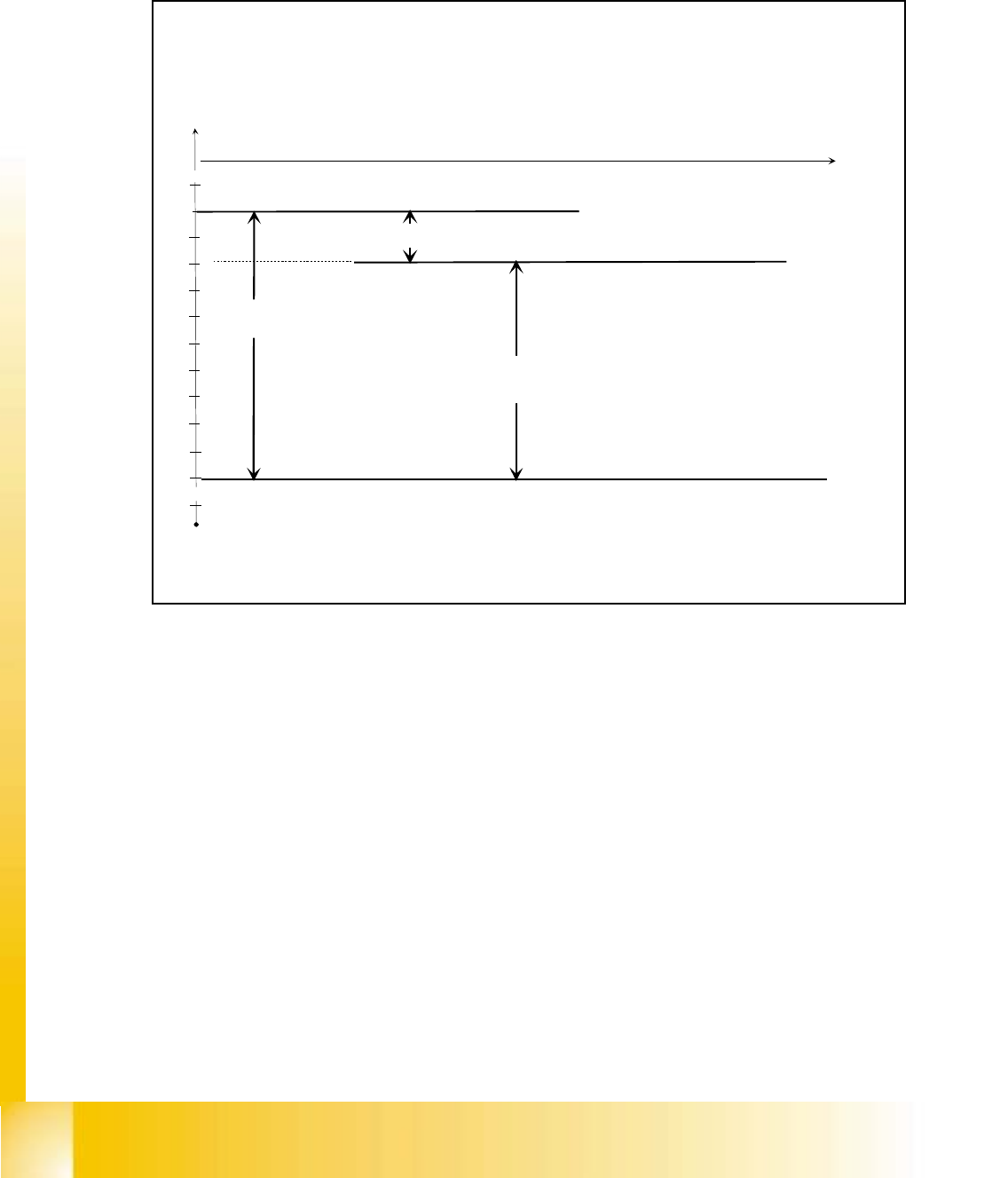
Fig. 20.4 - 3 Vacuum measurement and calculation at reference run
1. Two vacuum measurements are made at reference. 1st with value closed and 2nd with the
value open and air passing through the nozzle.
2. The closed value is dependant on the environment pressure which can vary greatly, depending
on local weather conditions and altitude. Basically the higher the altitude the lower the environ-
mental pressure therefore the lower the closed vacuum.
3. The open value is dependant on nozzle size and nozzle type condition. The smaller the nozzle
the larger the open value. In the same way a contaminated or blocked nozzle will also give a
large open value.
4. The difference between open and closed nozzles as a minimum value is pre determined by the
line computer generated ideal.MA. This is different for all nozzle types. E.g. 120 mbar for 714,
704, 914 and 904 nozzle. If these values cannot be reached, the error message "Intervals
open/closed insufficent" will appear.
-700
-720
-740
-760
-780
-800
-820
-840
-860
-880
-900
0
t
maximum vacuum
Vacuum nozzle closed
Vacuum nozzle open
The difference in the results of the
2 vacuum measurements should larger
than the minimum value from LC.
Environment pressure
20% for reject
80 % for acceptance
at vacuum check
Threshold = (vac. closed -vac. open)x0.2 + vac. open
Pressure difference nozzle - inside -> environment
Student Guide HS-50 Advanced I 06/2002 Edition
20 Appendix
29
5. The threshold for component acceptance is determined at this time. In this case we have an
open value of 700 mbar, and a closed value of 900 mbar. The calculation is shown below.
Threshold = (900(closed) - 700(open)) x 0.2 + 700(open)
= 200 x 0.2 + 700
= 740
20.4.5.2 Vacuum check after pick up
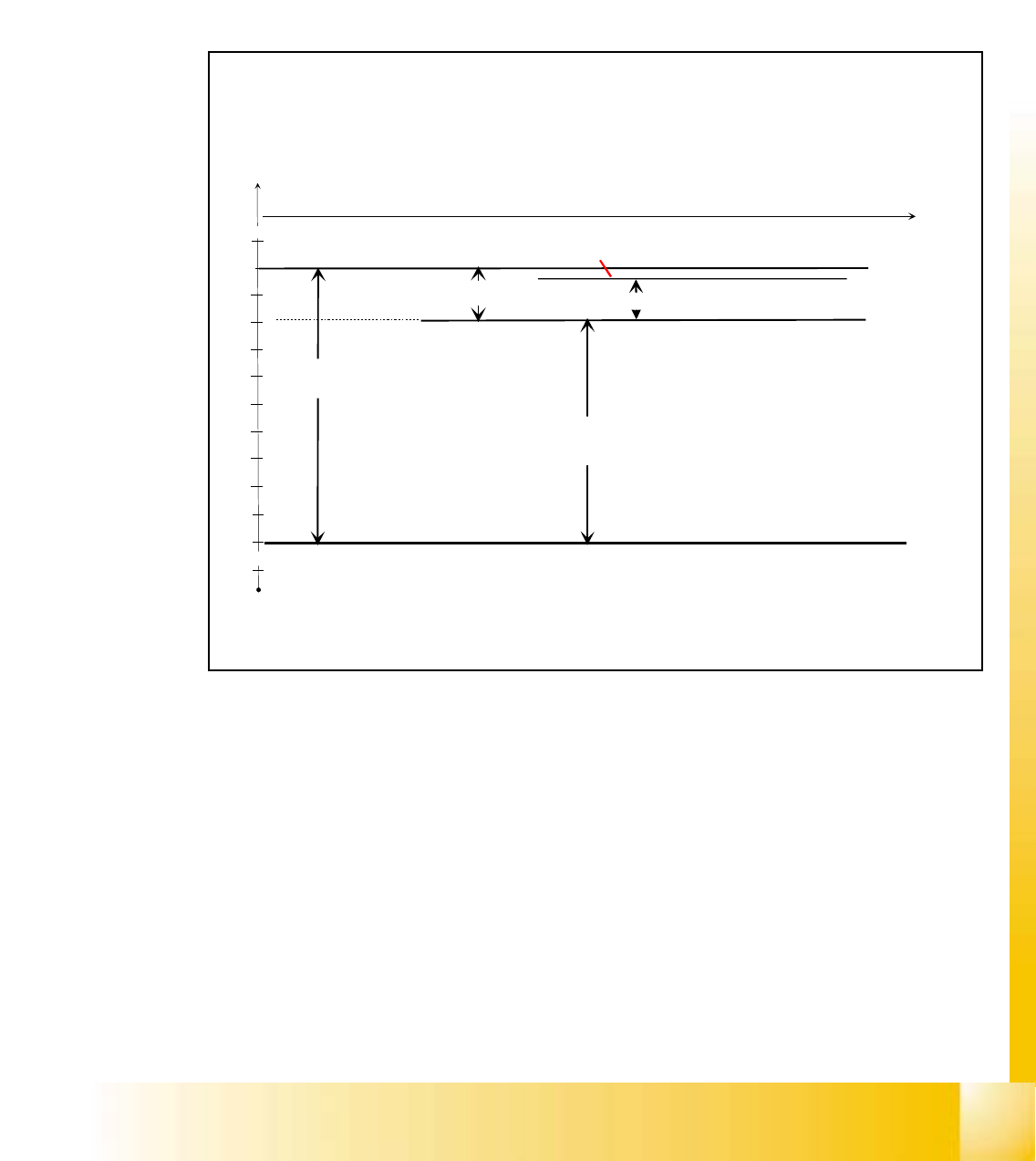
Fig. 20.4 - 4 Vacuum check after pick up
1. A vacuum check is made after pick up when the z axis is in the upper position.
2. The component is accepted if the result is within 80% of the nozzle open/closed result deter-
mined during reference.
3. The component is rejected if the result is within 20% of the nozzle open/closed result.
4. The component is immediately re-picked if the result is within 5 mbar of the open value (the
machine assumes no component present).
5. Otherwise the head is moved to the reject bin and the component rejected with air kiss.
-700
-720
-740
-760
-780
-800
-820
-840
-860
-880
-900
0
t
maximum vacuum
Vacuum nozzle closed
Vacuum nozzle open
Vacuum difference at
the last reference run
Environment pressure
Component is rejected at reject box
Component is accepted
at vacuum check
Comp. is rejected
Component immediately re-picked
5 mbar
20%
Pressure difference nozzle - inside -> environment
06/2002 Edition Student Guide HS-50 Advanced I
20 Appendix
30
20.4.5.3 Vacuum check before placement
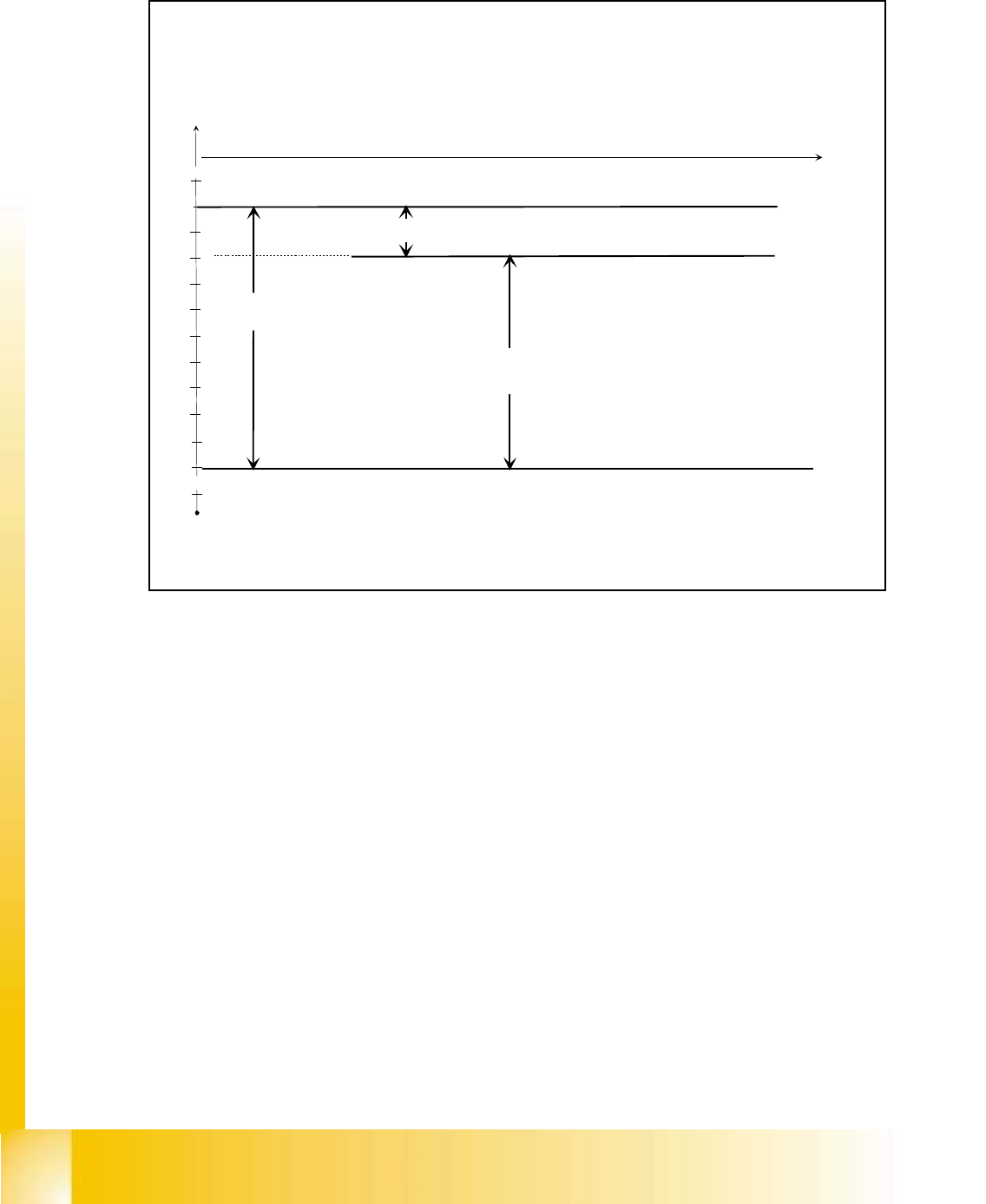
Fig. 20.4 - 5 Vacuum check before placement
1. Another vacuum check is made before placement, this ensures the component is still at the
nozzle.
2. The same threshold values apply as during pick up. Any failed components will be rejected dur-
ing the next pick up cycle.
-700
-720
-740
-760
-780
-800
-820
-840
-860
-880
-900
0
t
maximum vacuum
Vacuum nozzle closed
Vacuum nozzle open
Vacuum difference at
the last reference run
Environment pressure
Component is rejected at reject box at the next pick up cycle
Component is accepted
at vacuum check
20%
Pressure difference nozzle - inside -> environment