Understanding_ the_Cleaning_Process_for_Automatic_Stencil_Printers - 第5页
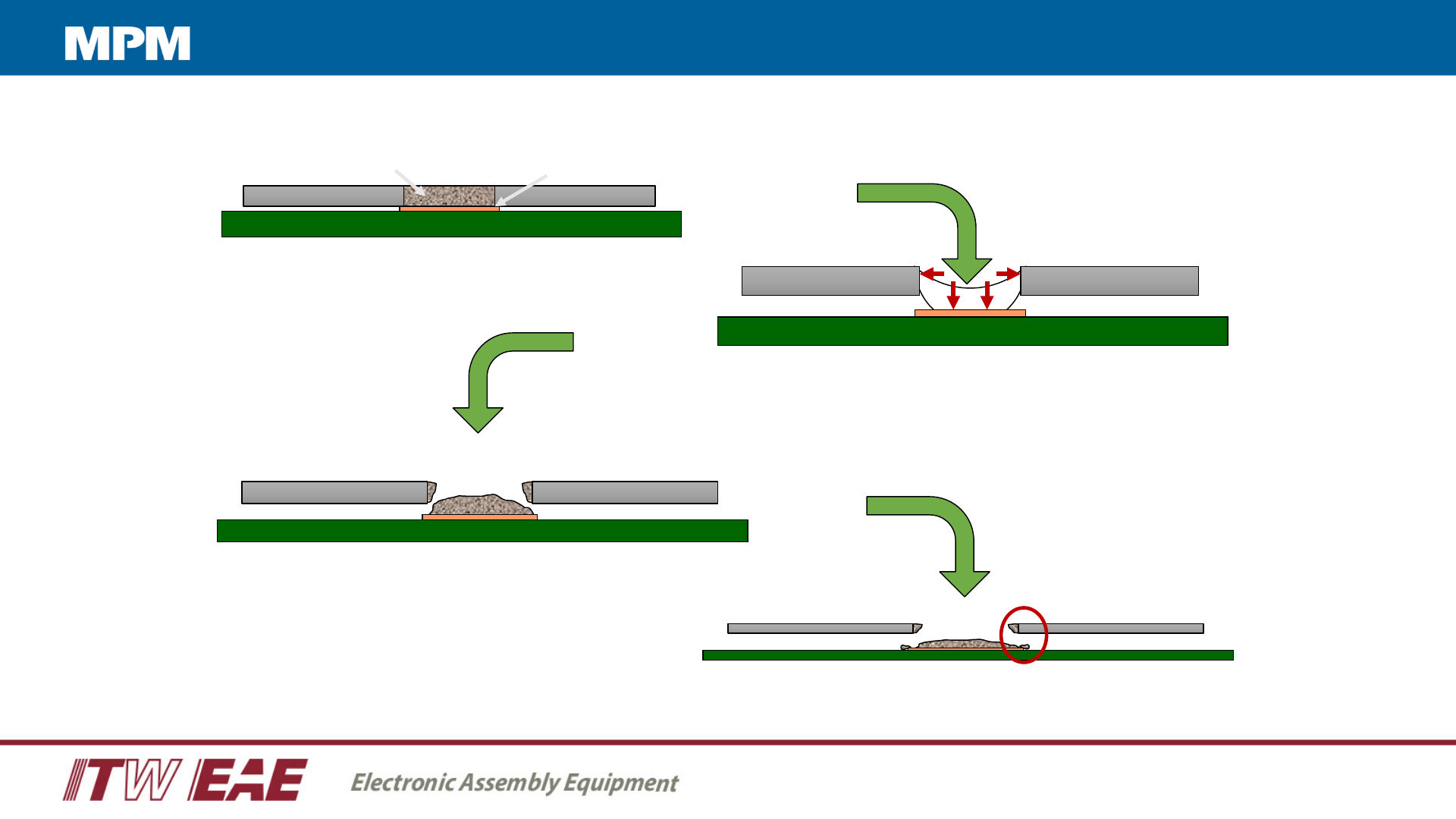
Why Wipe the SMT S tencil? At separation, the f orces holding the deposit to the pad must over come the for ces holdi ng the d eposit t o the stencil walls. The paste near the wall stretches and snaps. Stencil PCB PCB Pa…
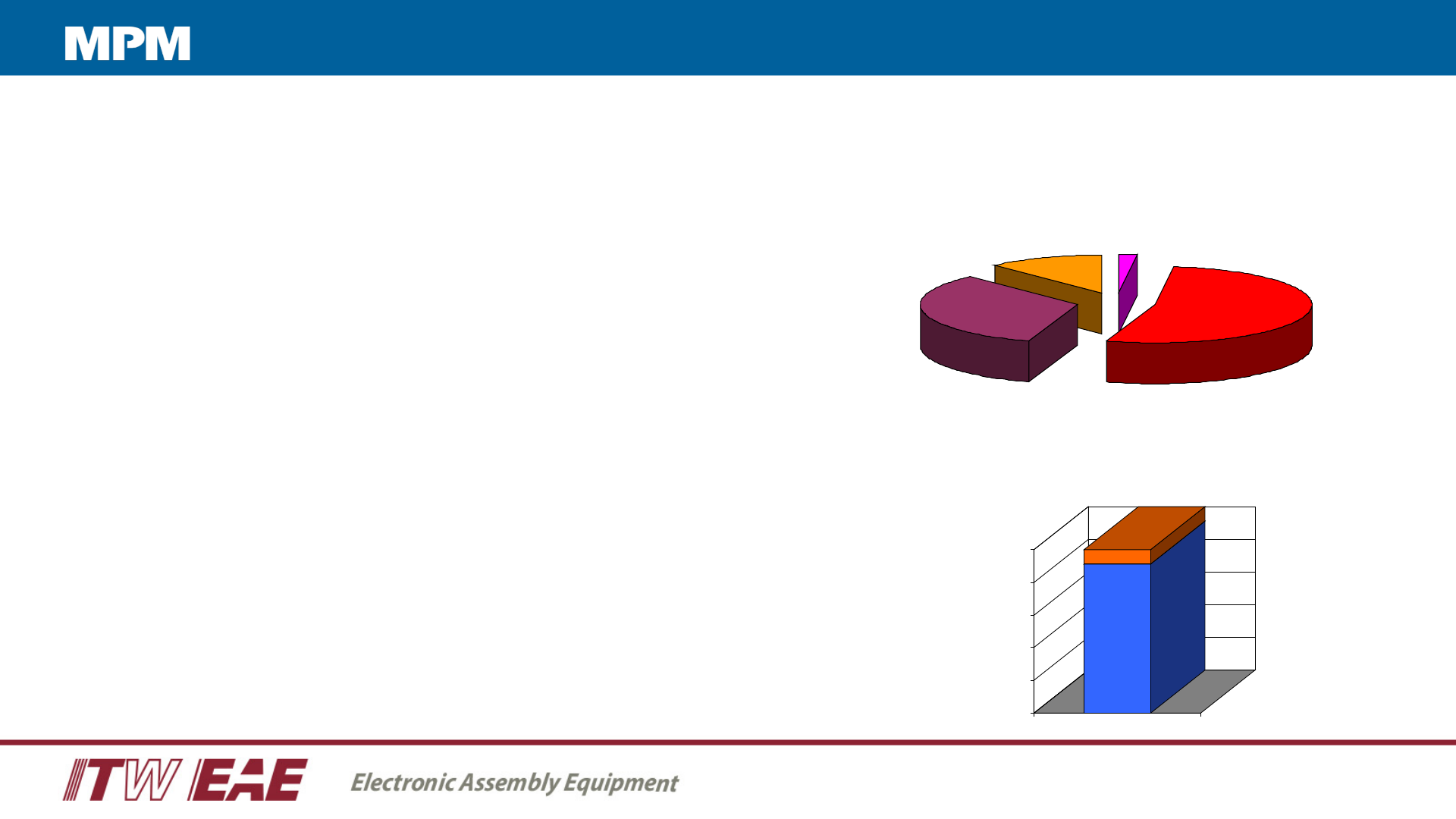
To address defects and yield – the printing process has the largest impact
SMT Defects:
• Printing process is the major cause for yield loss (50-75%)
Auto stencil wiping is the critical tool for addressing these defects.
Printing Process is critical to success:
• Confirmed by 86% of SMT industry
(Value in Use Survey 2016)
Yield & Throughput influence up to 91% of the margin made on a particular assembly
4
Materials
12%
Other
2%
Solder Print
53%
Placement
33%
0%
20%
40%
60%
80%
100%
Product Margin
Impacted by
Yield &
Throughput
Understanding the Cleaning Process for Automatic Stencil Printers
Why Wipe the SMT Stencil?
At separation, the forces holding the deposit to the pad must
overcome the forces holding the deposit to the stencil walls.
The paste near the wall stretches and snaps.
Stencil
PCB
PCB Pad
Paste
After solder paste flows into the apertures, it sets
up and sticks to both the stencil walls and the
pads.
Depending on the pad wall area ratio, a portion of the
paste will release to the PCB, while some will stay in the
aperture
Some paste may also stick to bottom of stencil due to
stringing, bad gasketing or pump out
Understanding the Cleaning Process for Automatic Stencil Printers
Why do we wipe?
• Gasketing
• How often we wipe is a direct result of how well the board and stencil are positioned and sealed
• Contributors of gasketing issues:
• Incorrect or varied board thickness
• Variation of mask thickness
• Encroachment of mask on pads
• Pads recessed below mask
• Nomenclature /silk screens
• HASL
• Board warpage
• Bar code labels
• Damaged or worn stencils
• Loss of stencil tension
• Insufficient tooling / support
• Board holding interference
• Vacuum
• Squeegee over pressure
• Mismatch of aperture to ball size
• Machine contamination
6
Understanding the Cleaning Process for Automatic Stencil Printers