Understanding_ the_Cleaning_Process_for_Automatic_Stencil_Printers - 第6页
Why do we wipe? • Gasketing • How of te n we wipe i s a direct result of how well the board and stencil are positioned and sealed • Contributor s of gasketing issues: • Incorrect o r varied board thickness • V ariation o…
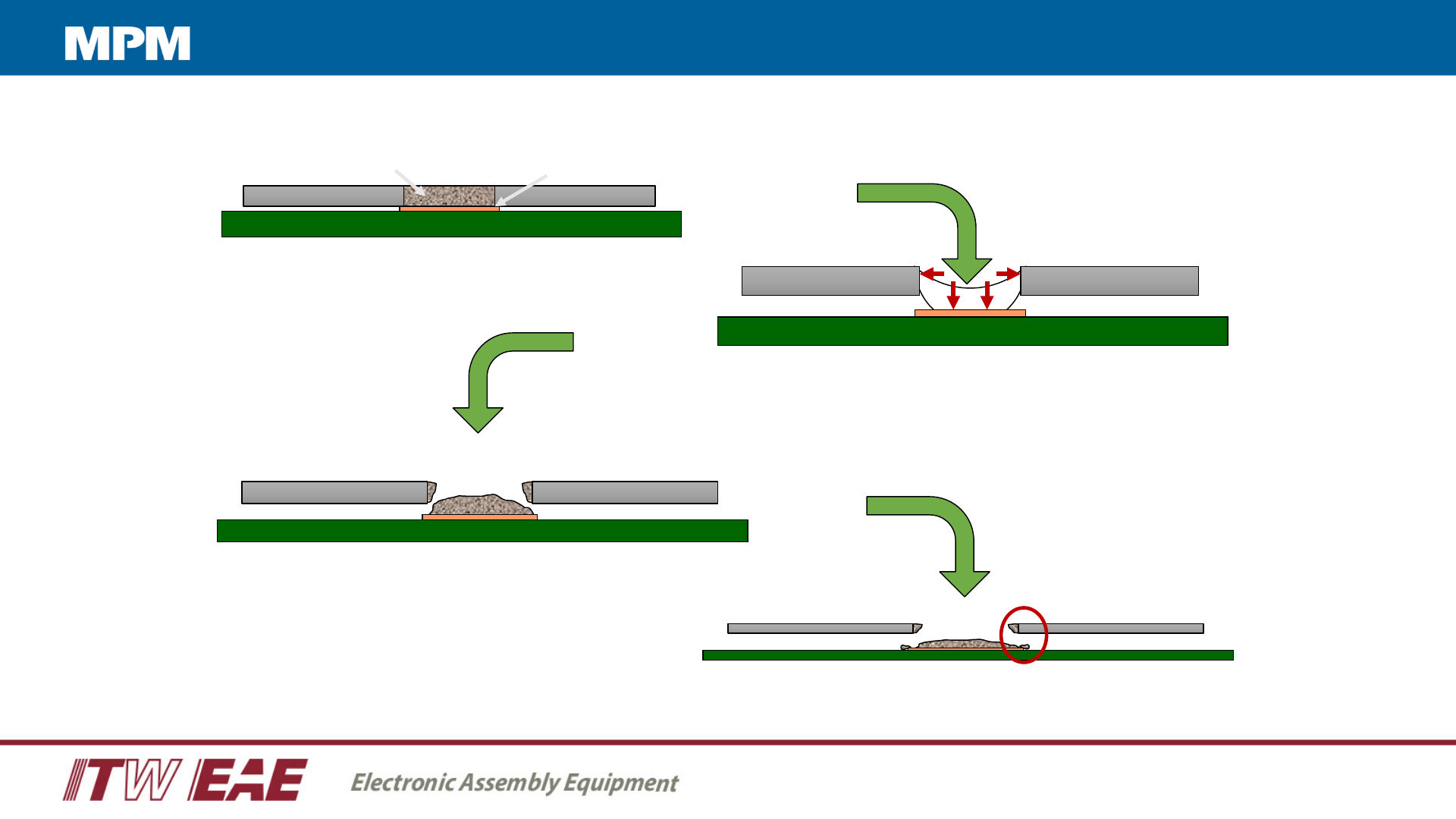
Why Wipe the SMT Stencil?
At separation, the forces holding the deposit to the pad must
overcome the forces holding the deposit to the stencil walls.
The paste near the wall stretches and snaps.
Stencil
PCB
PCB Pad
Paste
After solder paste flows into the apertures, it sets
up and sticks to both the stencil walls and the
pads.
Depending on the pad wall area ratio, a portion of the
paste will release to the PCB, while some will stay in the
aperture
Some paste may also stick to bottom of stencil due to
stringing, bad gasketing or pump out
Understanding the Cleaning Process for Automatic Stencil Printers
Why do we wipe?
• Gasketing
• How often we wipe is a direct result of how well the board and stencil are positioned and sealed
• Contributors of gasketing issues:
• Incorrect or varied board thickness
• Variation of mask thickness
• Encroachment of mask on pads
• Pads recessed below mask
• Nomenclature /silk screens
• HASL
• Board warpage
• Bar code labels
• Damaged or worn stencils
• Loss of stencil tension
• Insufficient tooling / support
• Board holding interference
• Vacuum
• Squeegee over pressure
• Mismatch of aperture to ball size
• Machine contamination
6
Understanding the Cleaning Process for Automatic Stencil Printers
7
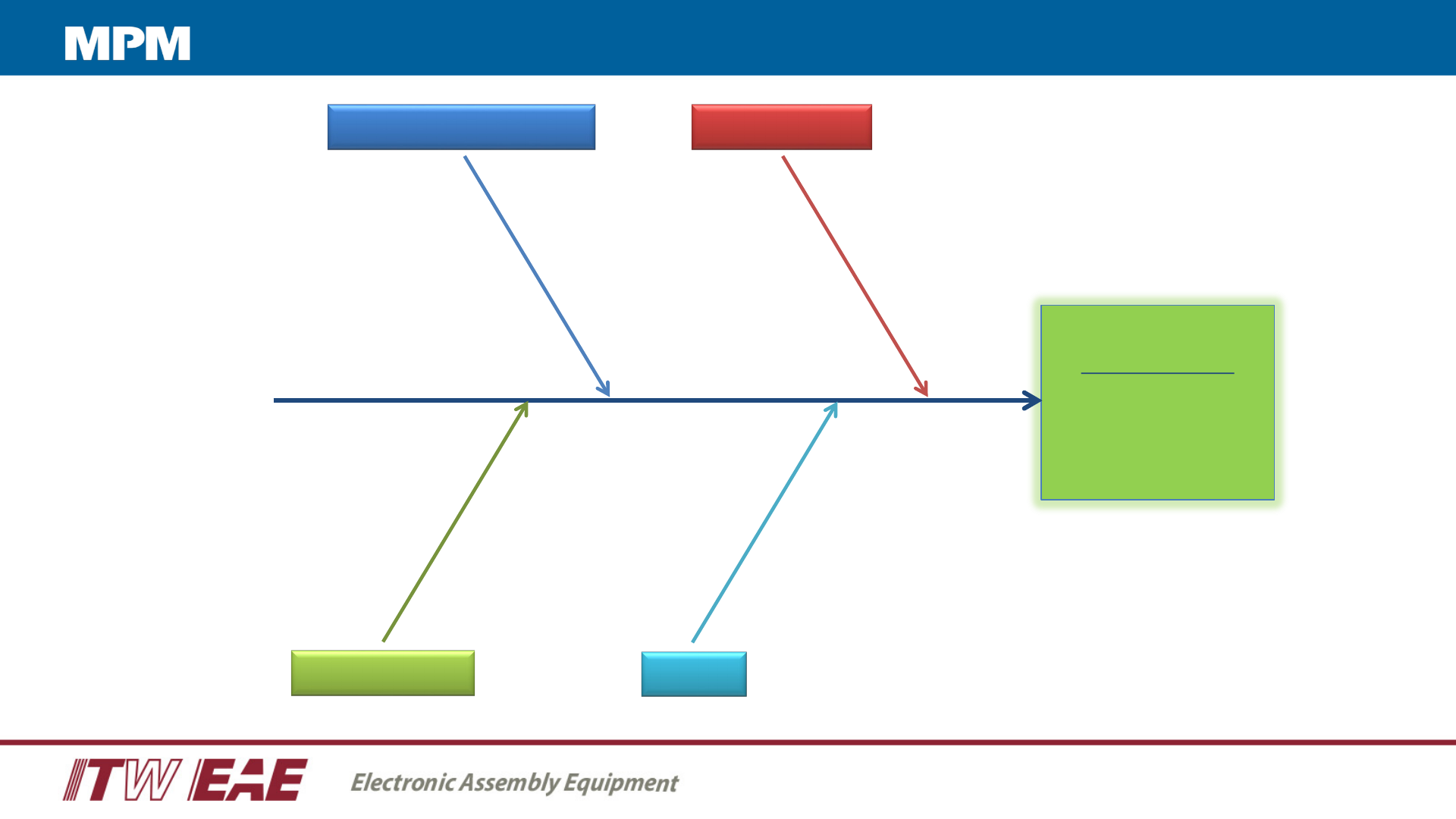
IDEAL STENCIL
CONDITION
No unwanted
paste inside
apertures or on
bottom surface
Printer Setup
Stencil
Cleaning Processes Solder Paste
Paper/fabric type
Wiper type
Wipe parameters:
Sequence, speed, frequency
Solvent
effectiveness
Original
Cleanliness
Baseline release
characteristics
Exposure
time
Solvent
compatibility
Working
time
Board Support
PCB-Stencil
Alignment
PCB
Flatness
Print
Parameters:
speed, pressure,
separation
Paste Delivery:
Squeegee type, angle,
stiffness, coating, etc
OR
Pump properties
Aperture size
& position
Temperature
Aperture wall
geometry and
topography
Alloy
Release coatings in
aperture or on surface
Foil
Thickness
(Area Ratio)
Powder Size
Dryness
Understanding the Cleaning Process for Automatic Stencil Printers