PSV7000_ Owners Manual_096-0460-001B - 第76页
Administrative Functions ■ Administrator Functions 3—6 Data I/O • 096-0460-001B back In addition to containing all device-specific setti ngs, a T ask references these files: T ask Creation is Detailed in T askLink Help F…
■ Administrator Functions ◘ Editing the winAH400.ini File
PSV7000 Owner’s Manual 3—5
back
(Optional) Operating the Data I/O Dual Tray Feeder
Editing the winAH400.ini File
The winAH400.ini file can be edited to add or remove options which
determines their availability in the AH700 Setup window. It also sets
non-programming features such as language and which events cause
warnings to display. This is a text file that can be edited in text editors
such as Notepad or UltraEdit. Do not use Microsoft Word or other
word processors since they may add hidden special characters such
as end-of-page characters.
CAUTION: File corruption hazard! Before making any changes to
your winAH400.ini file, save a backup copy.
The winAH400.ini is on the Handler computer in the
C:\AH700\
folder.
Cr e at ing a Ta sk in Ta sk L in k
TaskLink stores Tasks (settings for programming job) in a Task data-
base file (*.TSK). A Task contains all the information necessary for
programming and testing specific devices with a specific algorithm.
Settings and Files Selected in TaskLink
Tasks include:
• Device settings - identifies a specific device (or family of devices
to select from)
• Data file name and apropos settings
• System settings - Package file name
• Process settings - Continuity check, electronic ID check, blank
check, erase, verify, program, and device marking/labelling
information.
• (Optional) Setting the Pass Limit (the quantity of devices to pro-
gram for this job) after clicking Run.
More information about
the winAH400.ini file is
in the AH700 on-screen
Help.
Once a Task is selected
and a Pass Limit is set, the
Task is referred to as a
job to run on the
PSV7000 System. The
same Task can be used for
many jobs.
Note that operators can
change the Pass Limit in the
AH700
Setup > Job Info
tab.
Administrative Functions ■ Administrator Functions
3—6 Data I/O • 096-0460-001B
back
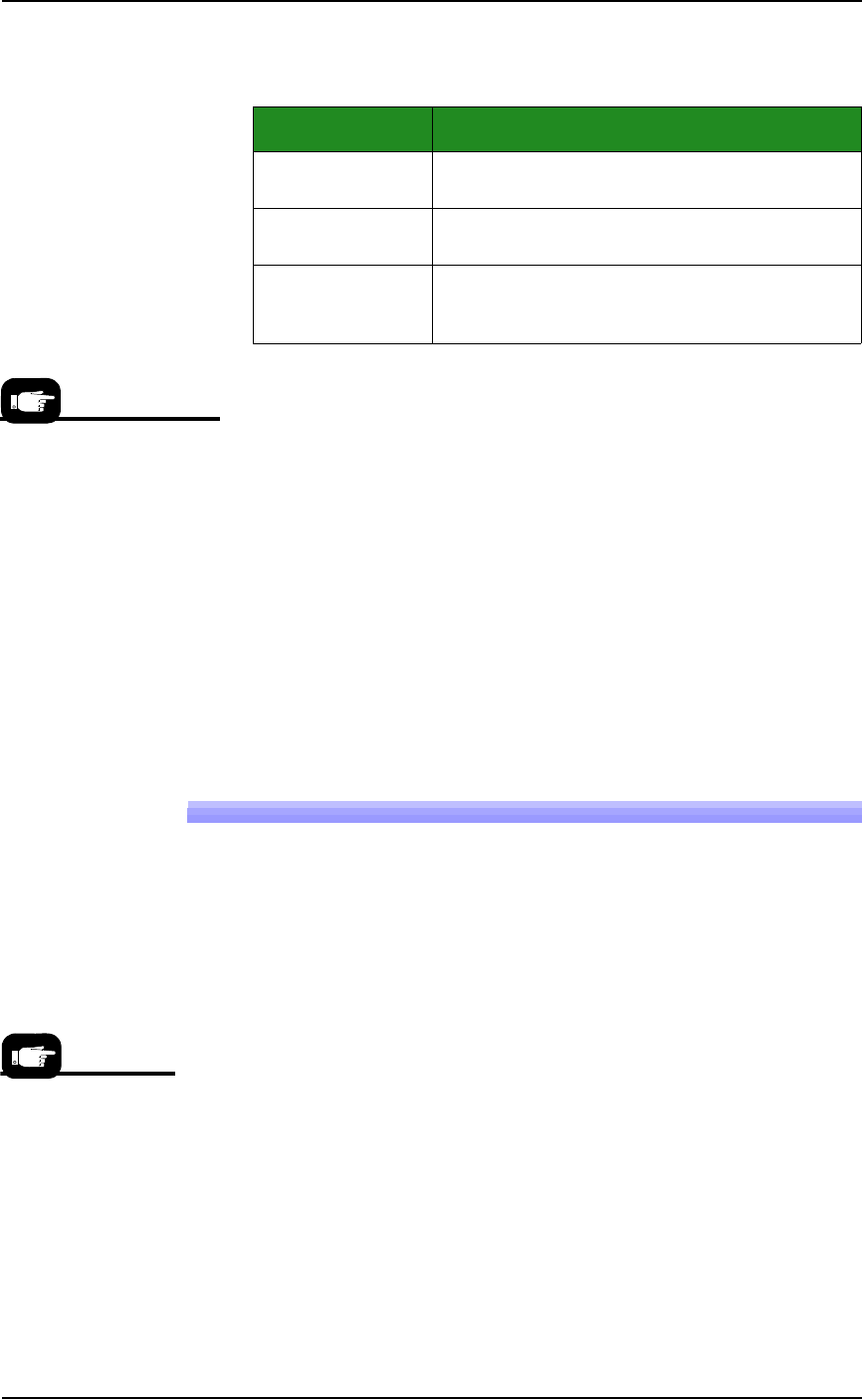
In addition to containing all device-specific settings, a Task references
these files:
Task Creation is Detailed in TaskLink Help
For complete instructions on how to create a Task, see TaskLink’s
online Help Topics.
TaskLink will automatically start the AH700 Application Software
when Run is clicked.
(Optional) Preselecting Programmers
When the AH700 application starts, programmers that are not used
for a particular job can be turned off to improve efficiency; see the
PSV7000 Operators Manual for more. Note that operators also have
access to this feature.
Creating Security Profiles
With the Security Dialog in AH700, administrators can create and
manage user profiles to control security by allowing different rights
to different profiles.
To create a new profile:
1. At the Main AH700 (start) window, clicking Start will open the
Security Dialog in the background. It may be obscured by other
dialogs.
2. In the Security Dialog, use the drop-down arrow to select Super-
visor.
3. Enter the password.
4. Click Edit Users.
5. Type a name into the Name field.
6. Type a password into the Password field.
7. Check the box next to each stated right (privilege) for the new
user. For example: if the new user is to create or edit Package
Files for jobs, check Teach Package.
8. Click Save (the diskette image).
File Information
Package File (*.txt) For instructions on creating a Package File, see
Teaching the Workspace Locations on page 3-9.
Data File (*.hex or
*.bin, for example)
The data file contains your data to be pro-
grammed into the devices.
Laser Marking File This optional file resides on the Laser PC. See
(Optional) Creating a Laser Marking File on page
3-24.
Definition: A Task becomes a
‘Job’ once a Task is set to
Run and a Pass Limit is
requested and set. A Task
can be used for many Jobs.
For best results, use the
physical keyboard
instead of the
on-screen keyboard.

■ Administrator Functions ◘ (Optional) Do a First Article Test
PSV7000 Owner’s Manual 3—7
back
(Optional) Do a First Article Test
Prior to programming hundreds of devices, a newly created TaskLink
Task is tested. Follow your company’s First Article Test Plan. The two
methods discussed below are 1) Prior to creating a Package file, and
2) after creating it.
Test Prior to Creating a Package File
Outlined below is a suggested test process using Data I/O’s desktop
programmer called FlashPAKIII. This method allows testing without
first having to create the Package File required for PSV7000.
1. Create a new Job for FlashPAK—
1a. In TaskLink, set the Programming System to FlashPAK (Sys-
tem > Select Programming System > FlashPAK).
1b. Open Task Manager and create a new Task with the Add
button.
1c. Create the Task as usual in the Edit dialog.
2. Test the new Job on FlashPAK—
2a. Using the Load button, send your new Task to a PC Card, or,
if the FlashPAK is on a network, select it.
2b. Test the Task on the FlashPAK by programming a device
and verifying the results.
3. Duplicate the Job for your PSV7000 System—
3a. If the job passed the tests, in TaskLink Task Manager, select
the Task and click Duplicate. Enter a name and click OK.
3b. Edit the Task so that it can be used on your PSV7000 System
as follows: 1) Select the Task, 2) Click Edit, 3) On the Task
tab, use the Programming System Type drop-down arrow to
select PSV7000, 4) On the Handler Files tab, select (or create)
a Package File name, 5) Click OK.
4. Run the duplicated Task on the PSV7000 System—
Note: If you have the option selected to Automatically Switch Pro-
gramming Systems, (System > Options > Automatically Switch .
. .) then you can skip the next step.
4a. Close Task Manager and change the programming system to
PSV7000 System (System > Select Programming System).
Re-open the Task Manager.
4b. Select the duplicated job and click Run.
Note: The Package File must be taught if it is new.
“FlashPAK” refers to all
FlashPAK models.
For help with FlashPAK
see the Operator’s Guide.