IPC-4556 印制板化学镍钯浸金(ENEPIG)规范ENG.pdf - 第48页
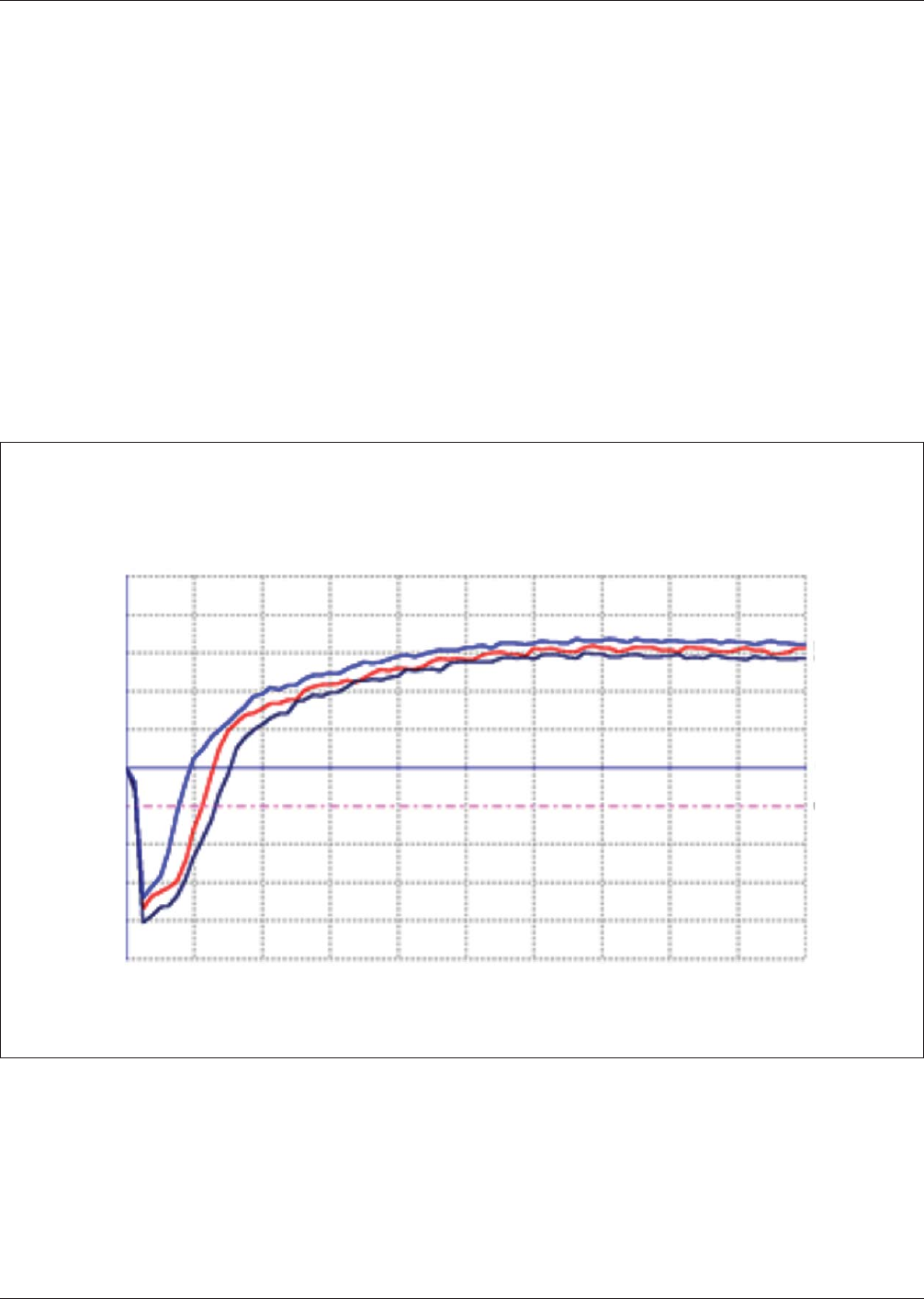
IPC-4556-a5-13 Figure A5-13 Example of a Nominal 4 µin Electroless Palladium ENEPIG, with V ery Thin Immersion Gold after T emperature and Humidity Stressing & T ested with SnPb. (Note: This sample did not tolerate s…
Summary of solderability testing of ENEPIG samples in as-received condition:
1) The wetting times for SnPb solder ranged between 1 and 2 seconds, while those for SAC305 were typically below 1
second - this reduction in wetting times is attributed to the increased solder pot temperature used for SAC testing
2) The majority of SnPb tested samples showed a continual rise to the final wetting force, some sample groups reached
their maximum force after five seconds and then leveled out.
3) For the SAC test groups, the time to reach the maximum force was reduced by 1 to 2 seconds and the shape of the
curve was flatter overall
4) There were no failures in any of the test groups and most samples showed excellent intra-group consistency.
5) Samples tested with 8+ months of ‘‘natural’’ shelf life performed better than some newer samples with similar gold and
palladium thicknesses.
To evaluate the robustness of the ENEPIG deposits, wetting balance coupons were stressed using a protocol of 8 hours of
72 °C [162 °F]/85% R.H exposure. The wetting balance coupons were sent to Continental’s Seguin Texas location where
the wetting balance coupons and the solder spread coupons were stressed together in a single chamber in one stressing cycle,
in order to reduce variability. Following stressing, the wetting balance samples were returned to S T and S for completion
of testing. No additional baking was done on the stressed coupons prior to testing. The previously used protocol was used
for testing with SAC305 and Eutectic SnPb.
IPC-4556-a5-12
Figure A5-12 Example of a Nominal 4 µin Electroless Palladium ENEPIG Post Temperature and Humidity Stressing, Tested
with SnPb - Showing Excellent Robustness
Sample 16 1.33Au/3.80Pd/181.65Ni
post 8 hours @72C/85% R.H.
Fr(mN/mm)
Standard : NF-A-89 400P
t(s)
0.25
0.20
0.15
0.10
0.05
0.00
-0.05
-0.10
-0.15
-0.20
12345678910
-0.25
January 2013 IPC-4556
37
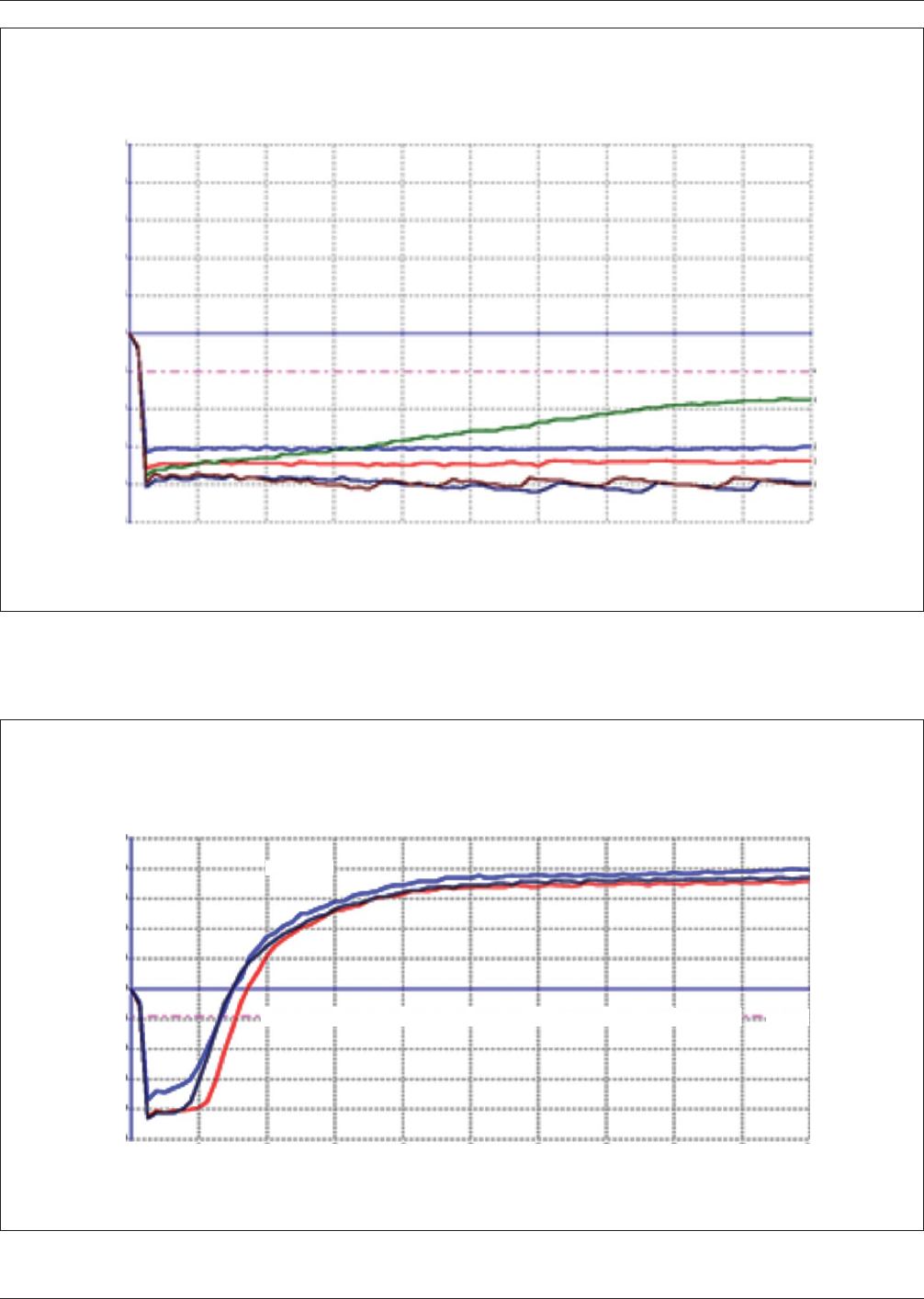
IPC-4556-a5-13
Figure A5-13 Example of a Nominal 4 µin Electroless Palladium ENEPIG, with Very Thin Immersion Gold after Temperature
and Humidity Stressing & Tested with SnPb.
(Note: This sample did not tolerate stressing, most likely due to the very thin gold deposit. The performance of this group was used
to define the lower immersion gold limit for the specification.)
Sample 20 0.56Au/4.77Pd/219.95Ni
post 8 hours @ 72C/85% R.H.
Fr(mN/mm)
Standard : NF-A-89 400P
t(s)
0.25
0.20
0.15
0.10
0.05
0.00
-0.05
-0.10
-0.15
-0.20
12345678910
-0.25
IPC-a5-14
Sample 7 1.64Au/5.78Pd/176.75Ni
Figure A5-14 Example of a Nominal 6 µin ENEPIG Deposit Tested with SAC305 Post Stressing – Showing Excellent Robust-
ness of Deposit
post 8 hours 72C/85% R.H.
Fr(mN/mm)
Standard : NF-A-89 400P
t(s)
0.25
0.20
0.15
0.10
0.05
0.00
-0.05
-0.10
-0.15
-0.20
12345678910
-0.25
IPC-4556 January 2013
38
中理册册测到积物到
nnmnahannnahananannnaninananananam
hmnnnm
amnn
Summary of Soldering ENEPIG Post 8 Hours of 72 °C/85% R.H Exposure:
1) The stressing protocol was able to differentiate ‘‘good’’ from ‘‘bad’’ ENEPIG deposits.
2) The test results were capable of defining a minimum gold thickness for the specification.
3) For the more robust ENEPIG deposits, the exposure to the stressing protocol had little impact on wetting times and final
wetting forces, however the time to reach the maximum force increased.
4) Stressing deposits that were already 8 months old had little impact on the ‘‘good’’ samples, whereas the ‘‘bad’’ samples
were significantly affected.
SUMMARY
The continuing use of the wetting balance by the 4-14 Committee to define acceptable deposit thickness and performance
characteristics was once again confirmed with this round of extensive testing. From this testing, a pass-fail criterion has
finally been established for the wetting balance testing of ENEPIG, which will also be included in the upcoming revision
of IPC J-STD-003C. Six sample groups of ENEPIG were evaluated and were found, in the majority of cases, to exhibit very
little difference in performance as a function of electroless palladium deposit thickness. However immersion gold thickness
was found to have a major impact on robustness and potentially shelf life. Differences were evident between the suppliers,
especially post stressing of the deposit. Each supplier was provided only with the identifier for their own ENEPIG sample(s),
allowing them to know the performance of their own process, but not of any specific competitor. It is hoped that the lower
performing groups use this information to improve their process performance, especially post stressing.
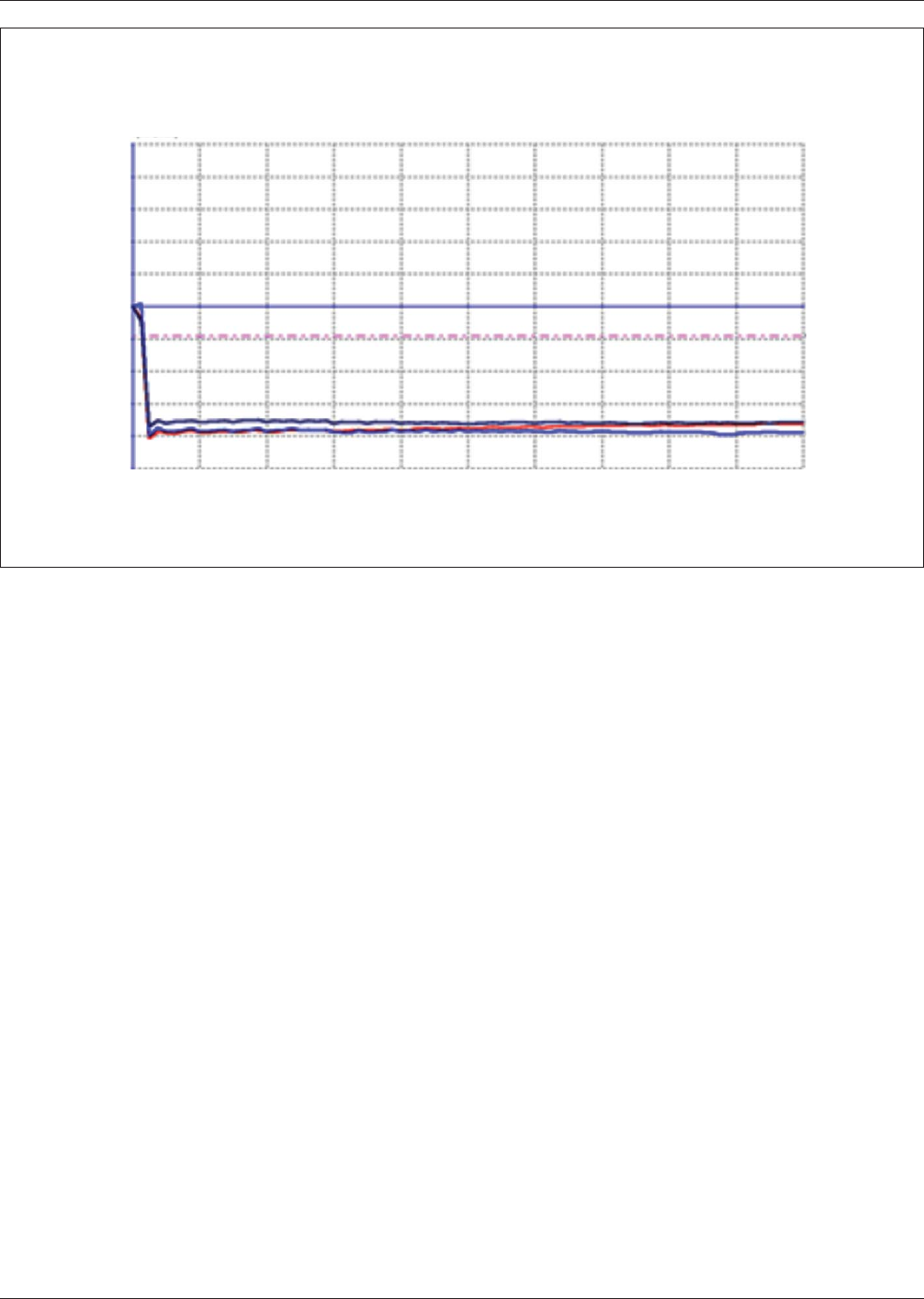
IPC-4556-a5-15
Figure A5-15 Performance of Sample Group 20 (with thin gold) with SAC305 Post Stressing
(Note: The performance was not improved even with the increased activity flux and higher temperature used for SAC305 testing).
Sample 20 0.56Au/4.77Pd/219.95Ni
post 8 hours 72C/85% R.H.
Fr(mN/mm)
Standard : NF-A-89 400P
t(s)
0.25
0.20
0.15
0.10
0.05
0.00
-0.05
-0.10
-0.15
-0.20
12345678910
-0.25
January 2013 IPC-4556
39