OM-338-PT Solder Paste 96.5SN3.0AG0.5CU 88.5-4-M16-MSDS(7).pdf - 第5页
ALPHA® OM-338-PT Solder Paste 96.5SN/3.0AG/0.5CU 88. 5-4-M16 Page: 5/14 Section 8. Exposure control s/personal protection Environmental exposu re controls : Emissions f rom ventilation or work process equipm ent should b…
ALPHA® OM-338-PT Solder Paste 96.5SN/3.0AG/0.5CU 88.
5-4-M16
Page: 4/14
Section 6. Accidental release measures
Move containers from spill area. Prevent entry into sewers, water courses,
basements or confined areas. Vacuum or sweep up material and place in a
designated, labeled waste container. Dispose of via a licensed waste disposal
contractor. Note: see Section 1 for emergency contact information and Section 13
for waste disposal.
Large spill
:
Move containers from spill area. Vacuum or sweep up material and place in a
designated, labeled waste container. Dispose of via a licensed waste disposal
contractor.
Small spill
:
Methods and materials for containment and cleaning up
Section 7. Handling and storage
Advice on general
occupational hygiene
Conditions for safe storage,
including any
incompatibilities
Eating, drinking and smoking should be prohibited in areas where this material is
handled, stored and processed. Workers should wash hands and face before
eating, drinking and smoking. Remove contaminated clothing and protective
equipment before entering eating areas. See also Section 8 for additional
information on hygiene measures.
Storage temperature: 0 to 10°C (32 to 50°F). Store in accordance with local
regulations. Store in original container protected from direct sunlight in a dry, cool
and well-ventilated area, away from incompatible materials (see Section 10) and
food and drink. Keep container tightly closed and sealed until ready for use.
Containers that have been opened must be carefully resealed and kept upright to
prevent leakage. Do not store in unlabeled containers. Use appropriate
containment to avoid environmental contamination. See Section 10 for incompatible
materials before handling or use.
:
:
Protective measures
Put on appropriate personal protective equipment (see Section 8).
:
Precautions for safe handling
tin
ACGIH TLV (United States, 3/2017).
TWA: 2 mg/m³, (as Sn) 8 hours.
silver
ACGIH TLV (United States, 3/2017). Notes:
Substances for which the TLV is higher
than the OSHA Permissible Exposure
Limit (PEL) and/or the NIOSH
Recommended Exposure Limit (REL).
See CFR 58(124) :36338-33351, June 30,
1993, for revised OSHA PEL.
TWA: 0.1 mg/m³ 8 hours. Form: Dust and
fumes
Section 8. Exposure controls/personal protection
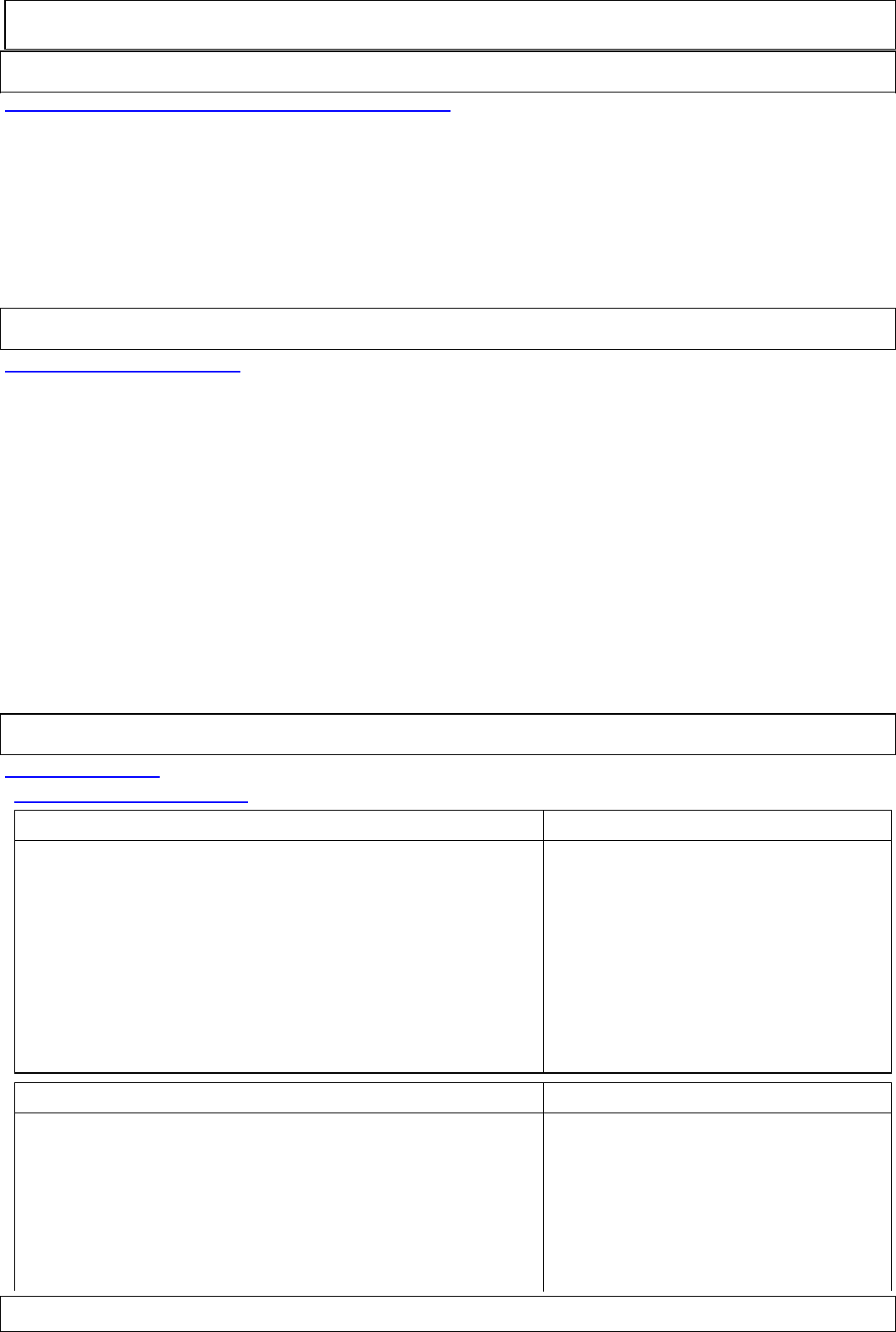
Ingredient name
Exposure limits
Control parameters
Occupational exposure limits
tin
TW Minstry of Labor, labor permissible
workplace exposure standards, allowable
concentration (Taiwan, 6/2014). Notes: as
Sn
STEL: 4 mg/m³, (as Sn) 15 minutes.
TWA: 2 mg/m³, (as Sn) 8 hours.
silver
TW Minstry of Labor, labor permissible
workplace exposure standards, allowable
Ingredient name
Exposure limits
Continued on next page
ALPHA® OM-338-PT Solder Paste 96.5SN/3.0AG/0.5CU 88.
5-4-M16
Page: 5/14
Section 8. Exposure controls/personal protection
Environmental exposure
controls
:
Emissions from ventilation or work process equipment should be checked to ensure
they comply with the requirements of environmental protection legislation. In some
cases, fume scrubbers, filters or engineering modifications to the process
equipment will be necessary to reduce emissions to acceptable levels.
Appropriate engineering
controls
:
Good general ventilation should be sufficient to control worker exposure to airborne
contaminants.
Individual protection measures
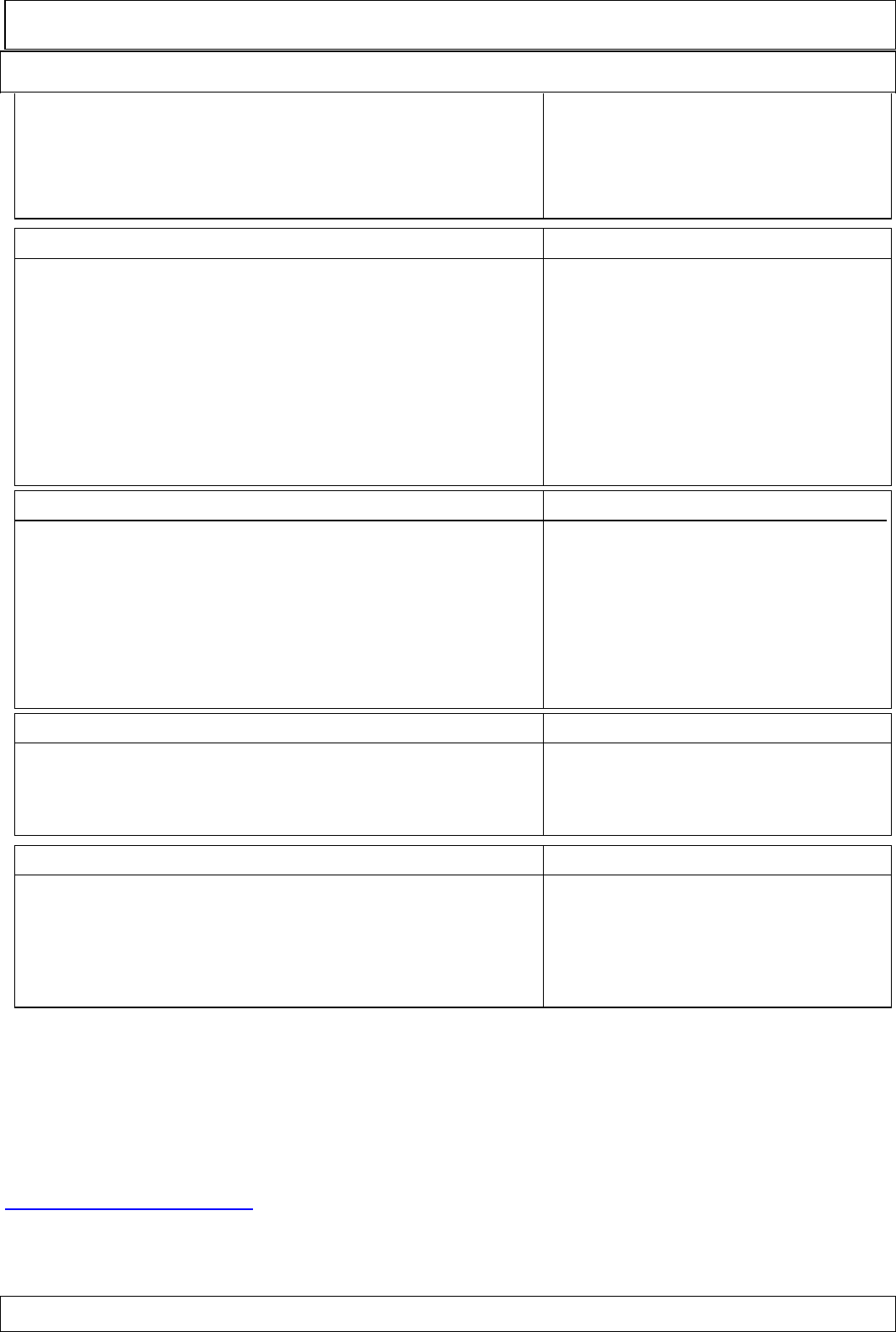
concentration (Taiwan, 6/2014). Notes: as
Ag
STEL: 0.03 mg/m³, (as Ag) 15 minutes.
Form: Dust and fumes
TWA: 0.01 mg/m³, (as Ag) 8 hours. Form:
Dust and fumes
tin
ACGIH TLV (United States, 3/2017).
TWA: 2 mg/m³, (as Sn) 8 hours.
silver
ACGIH TLV (United States, 3/2017). Notes:
Substances for which the TLV is higher
than the OSHA Permissible Exposure
Limit (PEL) and/or the NIOSH
Recommended Exposure Limit (REL).
See CFR 58(124) :36338-33351, June 30,
1993, for revised OSHA PEL.
TWA: 0.1 mg/m³ 8 hours. Form: Dust and
fumes
Ingredient name
Exposure limits
tin
Ministry of Employment and Labor
(Republic of Korea, 8/2016).
TWA: 2 mg/m³ 8 hours.
silver
Ministry of Employment and Labor
(Republic of Korea, 8/2016).
TWA: 0.1 mg/m³ 8 hours.
paraffin
ACGIH TLV (United States, 6/2007).
TWA: 5 mg/m³
STEL: 10 mg/m³
Ingredient name
Exposure limits
tin
DOSH USECHH (Malaysia, 4/2000).
TWA: 2 mg/m³ 8 hours.
silver
DOSH USECHH (Malaysia, 4/2000).
TWA: 0.1 mg/m³ 8 hours.
Ingredient name
Exposure limits
tin
Workplace Safety and Health Act
(Singapore, 2/2006).
PEL (long term): 2 mg/m³ 8 hours.
silver
Workplace Safety and Health Act
(Singapore, 2/2006).
PEL (long term): 0.1 mg/m³ 8 hours.
Ingredient name
Exposure limits
Continued on next page

ALPHA® OM-338-PT Solder Paste 96.5SN/3.0AG/0.5CU 88.
5-4-M16
Page: 6/14
Section 8. Exposure controls/personal protection
Hand protection
Based on the hazard and potential for exposure, select a respirator that meets the
appropriate standard or certification. Respirators must be used according to a
respiratory protection program to ensure proper fitting, training, and other important
aspects of use.
Chemical-resistant, impervious gloves complying with an approved standard should
be worn at all times when handling chemical products if a risk assessment indicates
this is necessary.
Safety eyewear complying with an approved standard should be used when a risk
assessment indicates this is necessary to avoid exposure to liquid splashes, mists,
gases or dusts. If contact is possible, the following protection should be worn,
unless the assessment indicates a higher degree of protection: safety glasses with
side-shields.
Eye/face protection
Respiratory protection
:
:
:
Body protection
Personal protective equipment for the body should be selected based on the task
being performed and the risks involved and should be approved by a specialist
before handling this product.
:
Wash hands, forearms and face thoroughly after handling chemical products, before
eating, smoking and using the lavatory and at the end of the working period.
Appropriate techniques should be used to remove potentially contaminated clothing.
Wash contaminated clothing before reusing. Ensure that eyewash stations and
safety showers are close to the workstation location.
Hygiene measures
:
Skin protection
Other skin protection
:
Appropriate footwear and any additional skin protection measures should be
selected based on the task being performed and the risks involved and should be
approved by a specialist before handling this product.
Section 9. Physical and chemical properties
Physical state
Melting point
Vapor pressure
Relative density
Vapor density
Solubility
Solid. [Paste.]
Not available.
Not available.
Not available.
Not available.
Insoluble in the following materials: cold water and hot water.
Acrid.
Odor
pH
Gray.
Color
Evaporation rate
Not available.
Auto-ignition temperature
Flash point
Not available.
Not available.
Not available.
Not available.
Viscosity
Not available.
Not available.
Odor threshold
Partition coefficient: n-
octanol/water
:
:
:
:
:
:
:
:
:
:
:
:
:
:
:
Appearance
Boiling point
:
Not available.
Flammability (solid, gas)
:
Not available.
Lower and upper explosive
(flammable) limits
:
Not available.
Decomposition temperature
:
Not available.
VOC
22.8 g/l
Continued on next page