Understanding_ the_Cleaning_Process_for_Automatic_Stencil_Printers.pdf - 第4页
T o address defec ts and yield – the pri nting pr ocess has the lar gest im pact SMT Defects : • Printing pr ocess is the major cause for yield loss (50 - 75%) Auto s tenci l wiping is the c ritic al tool f or addressi n…
Primary goal of the printing machine
To print or place an exact amount of material in a precise location.
Simply - Align the board to the stencil
• Solder Paste
• Adhesives
• Flux
• Solder Spheres
• Thick Film
3
However the printing process
has become much more than
that…….
Understanding the Cleaning Process for Automatic Stencil Printers
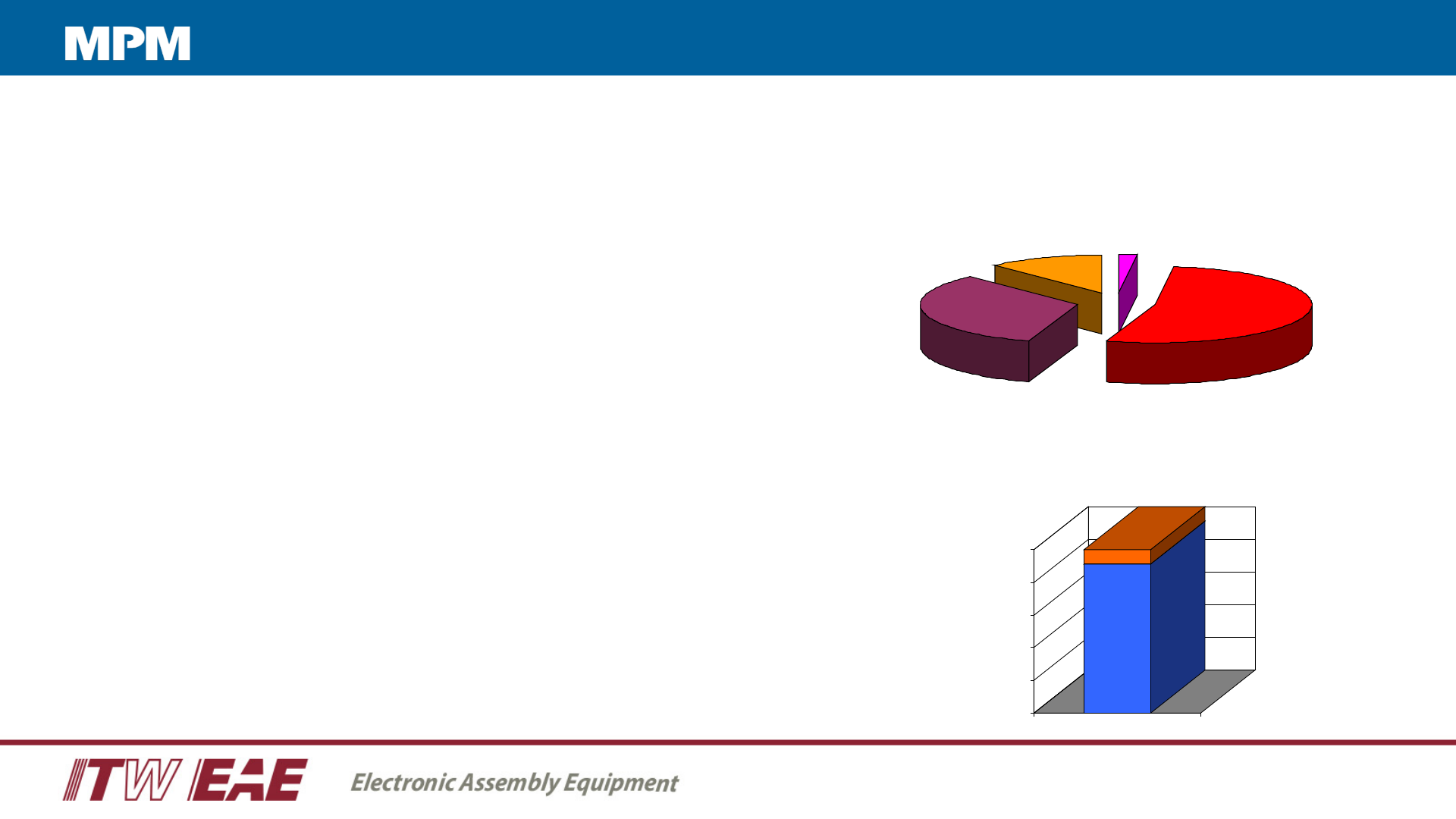
To address defects and yield – the printing process has the largest impact
SMT Defects:
• Printing process is the major cause for yield loss (50-75%)
Auto stencil wiping is the critical tool for addressing these defects.
Printing Process is critical to success:
• Confirmed by 86% of SMT industry
(Value in Use Survey 2016)
Yield & Throughput influence up to 91% of the margin made on a particular assembly
4
Materials
12%
Other
2%
Solder Print
53%
Placement
33%
0%
20%
40%
60%
80%
100%
Product Margin
Impacted by
Yield &
Throughput
Understanding the Cleaning Process for Automatic Stencil Printers
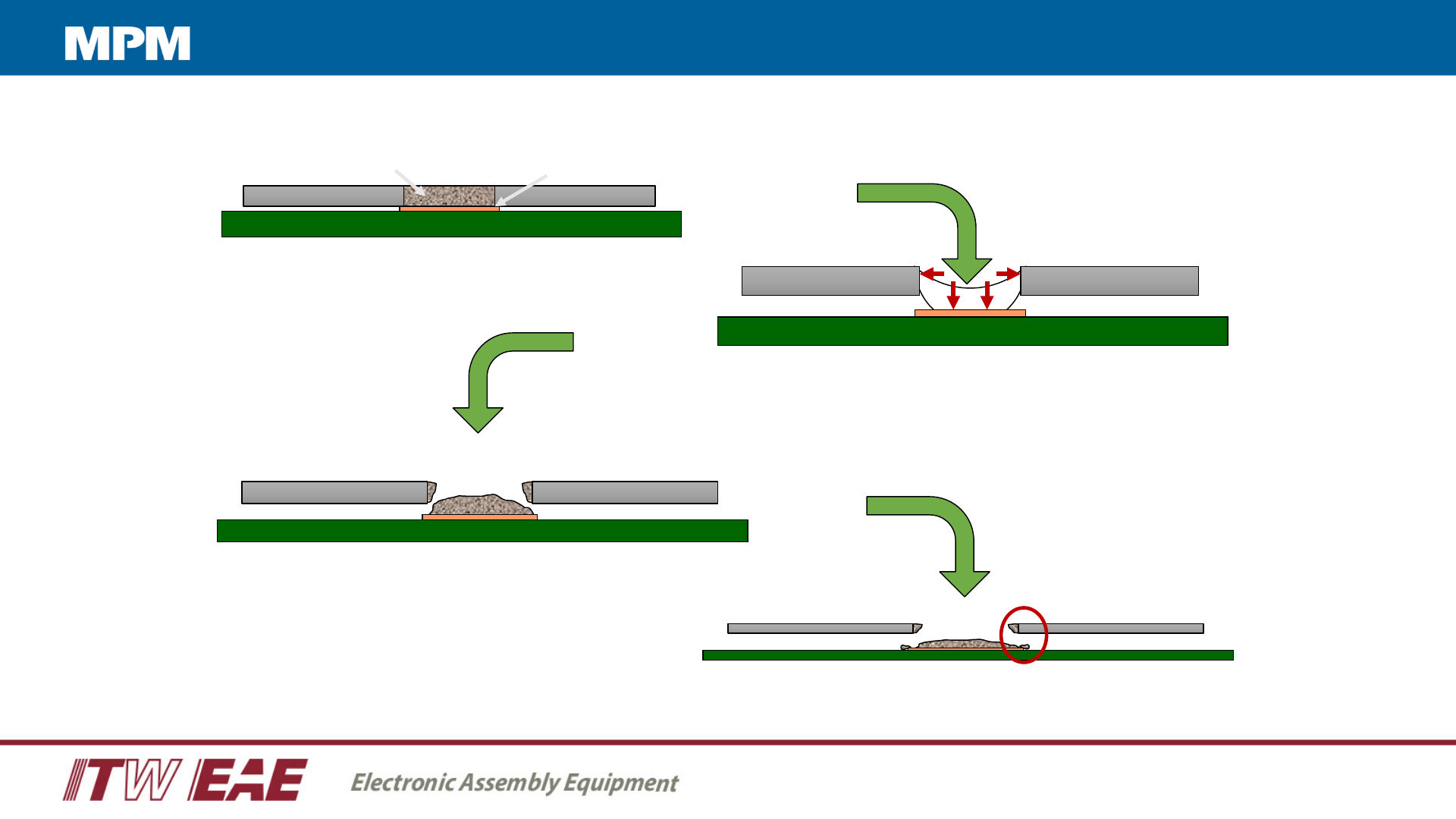
Why Wipe the SMT Stencil?
At separation, the forces holding the deposit to the pad must
overcome the forces holding the deposit to the stencil walls.
The paste near the wall stretches and snaps.
Stencil
PCB
PCB Pad
Paste
After solder paste flows into the apertures, it sets
up and sticks to both the stencil walls and the
pads.
Depending on the pad wall area ratio, a portion of the
paste will release to the PCB, while some will stay in the
aperture
Some paste may also stick to bottom of stencil due to
stringing, bad gasketing or pump out
Understanding the Cleaning Process for Automatic Stencil Printers