IPC-7527.pdf - 第17页
Problem A.3.3 Spikes on Paste Deposit (Figure A-1 1) Possible causes: • Incorrect solder paste viscosity . • Poor stencil quality . • Dried out solder paste residues in stencil aperture. • Incorrect separation speed. • S…
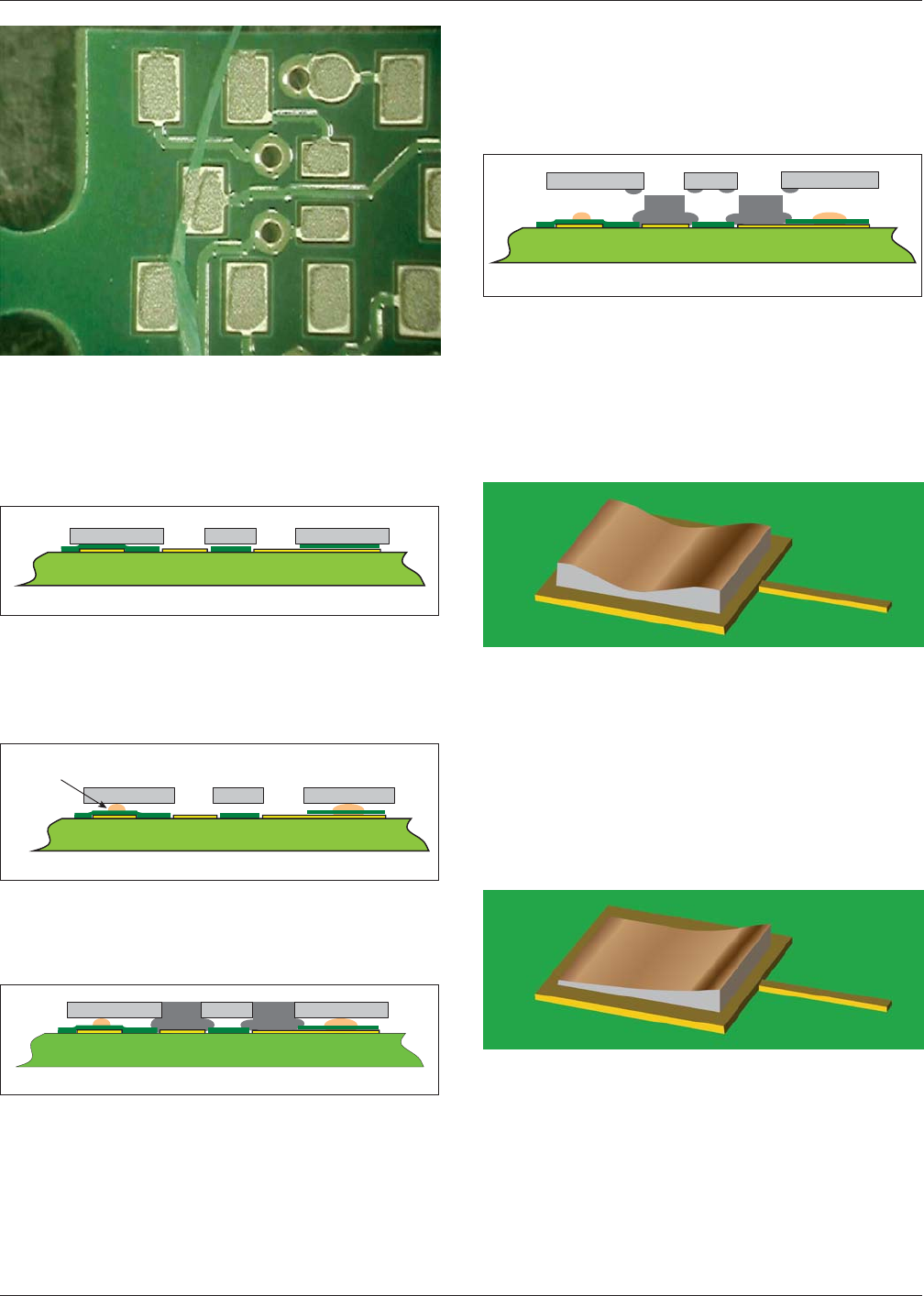
Figure A-5 illustrates the effect of solder mask. Due to sol-
der mask coverage on the tracks, the stencil will be lifted.
Result: Increased height of solder paste deposit and solder
paste smearing.
Figure A-6 illustrates the effect when solder mask is com-
bined with silk screen. This gives a further increase in the
paste deposit height and smearing.
Figure A-7 illustrates the effect of solder paste smearing
resulting in solder balls after the reflow process.
When the solder paste smears, a small amount of paste will
be left on the bottom side of the stencil (Figure A-8), which
may then be deposited on the next PCB. This problem can
be reduced by cleaning the bottom side of the stencil.
There are automatic cleaning systems that can be fixed into
the screen printer; these can be programmed so that the
stencil is cleaned with fixed intervals or as required. See
Section A.8, Issues with Stencil Cleaning.
A.3 Varying Paste Deposit Shape This section is a
guideline to suggest possible causes of the listed problems.
It is not intended to be a corrective action checklist.
Problem A.3.1 Saddle Shape Paste Deposit
(Figure A-9)
Possible causes:
• Printing pressure too high.
• Squeegee blades too soft.
• Aperture area too large compared to squeegee type and
pressure.
Problem A.3.2 Roof Top Shape Paste Deposit
(Figure A-10)
Possible causes:
• Solder paste is not rolling during printing.
• Print speed too high.
• Insufficient solder paste on stencil.
Figure A-4 Glass Fiber from PCB
IPC-7527-A-5
Figure A-5 Effect of Solder Mask
PCB
Stencil
IPC-7527-A-6
Figure A-6 Effect of Silk Screen
PCB
Stencil
Silk Screen
IPC-7527-A-7
Figure A-7 Effect of Solder Paste
PCB
Stencil
IPC-7527-A-8
Figure A-8 Result of Silk Screen Interference
PCB
Stencil
Figure A-9 Saddle Shape Deposit
Figure A-10 Roof Top Shape Paste Deposit
IPC-7527 May 2012
10
SINGLE USER LICENSE - NOT FOR USE ON A NETWORK OR ONLINE
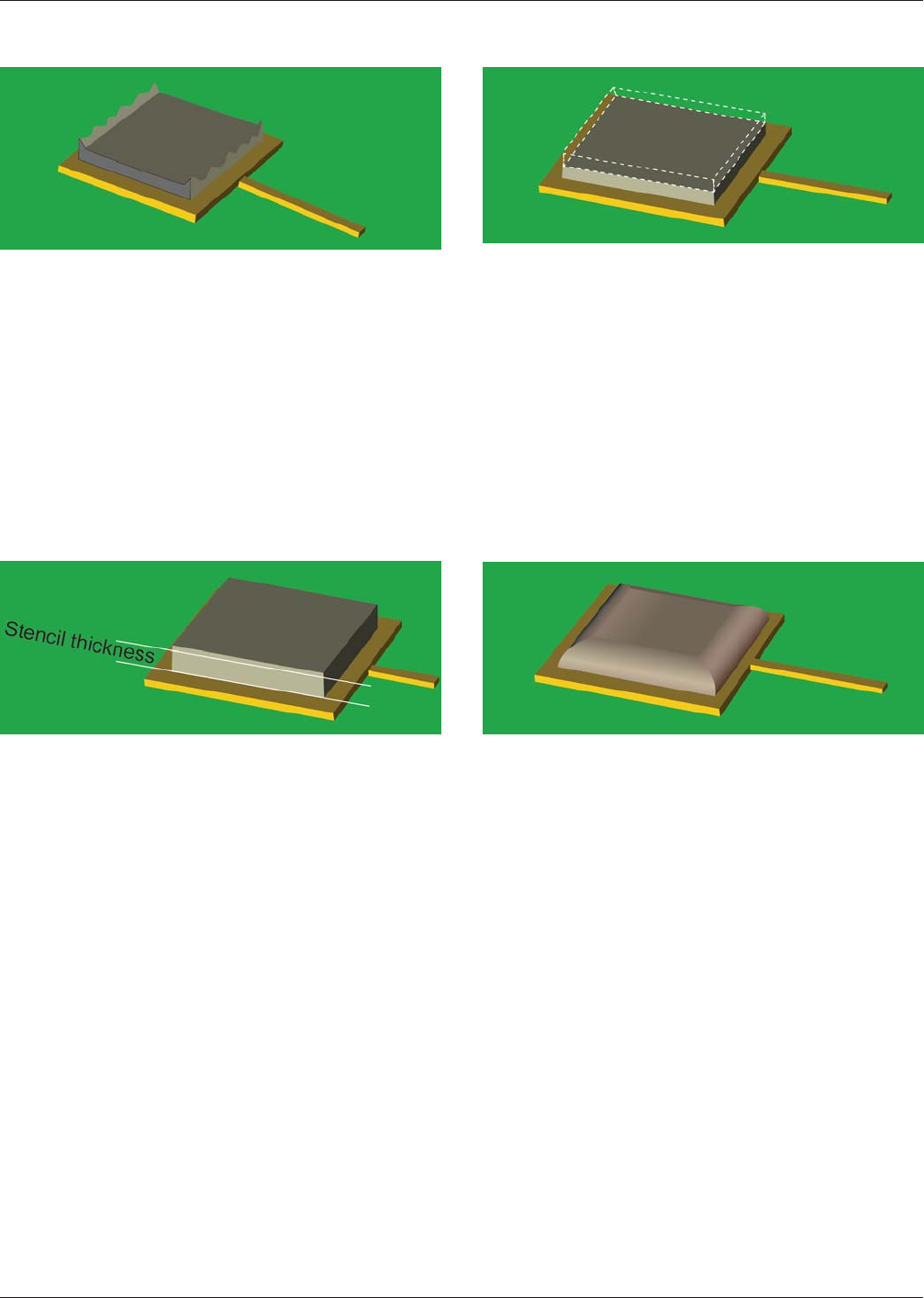
Problem A.3.3 Spikes on Paste Deposit
(Figure A-11)
Possible causes:
• Incorrect solder paste viscosity.
• Poor stencil quality.
• Dried out solder paste residues in stencil aperture.
• Incorrect separation speed.
• Squeegee pressure too low.
A.4 Varying solder paste deposits quantities
Problem A.4.1 Increased Quantity Compared to Stencil
Thickness (Figure A-12)
Possible causes:
• Incorrect down stop.
• Print pressure too low.
• Incorrect parallelism.
• Print speed too high.
• Incorrect snap off.
• Excessive solder mask thickness.
• Excessive silk screen thickness.
• Incorrect adjusted PCB thickness.
• Incorrect/insufficient board support.
Problem A.4.2 Decreased Quantity Compared to Stencil
Thickness (Figure A-13)
Possible causes:
• Dried solder paste.
• Print speed too high.
• Insufficient solder paste on stencil.
• Dried solder paste in stencil aperture.
A.5 Solder Paste Residues Outside Designated Print
Area
Problem A.5.1 Slumping/Smearing
(Figure A-14)
Possible causes:
• Temperature too high in printing area.
• Incorrect solder paste viscosity.
• Printing pressure too high.
• Excessive solder mask thickness.
• Excessive silk screen thickness.
• Uneven surface on footprint, e.g., Hot Air Solder Level
(HASL).
• Incorrect snap off.
• Misalignment of solder paste printing.
• Insufficient stencil tension.
• Excessive paste pressure in closed head printing system.
Figure A-11 Spikes on Paste Deposit
Figure A-12 Increased Deposit Quantity
Figure A-13 Decreased Quantity
Figure A-14 Slumping/Smearing
May 2012 IPC-7527
11
SINGLE USER LICENSE - NOT FOR USE ON A NETWORK OR ONLINE
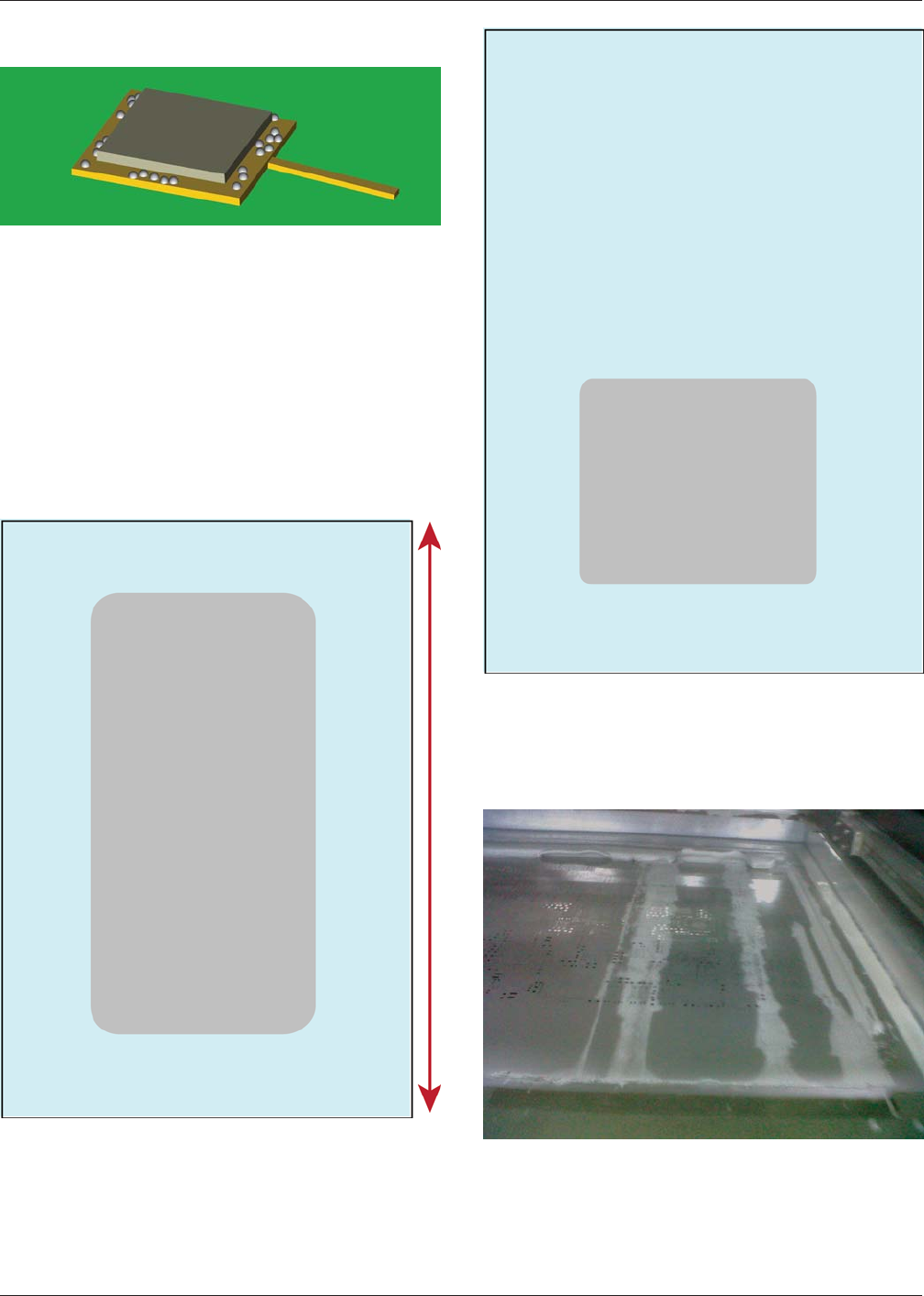
Problem A.5.2 Solder Paste Residues Around Deposit
(Figure A-15)
Possible causes:
• Incorrect stencil cleaning.
• Printing pressure too high.
• Excessive solder mask thickness.
• Excessive silk screen thickness.
• Double printing.
A.6 Printing Problems with Solder Past Residues on Top
Side of Stencil
Figures A-16 through A-19 show how the
solder paste residues are distributed on the stencil surface.
Possible causes:
• Print pressure.
• Print speed.
• Downstop.
• Board support.
Possible causes:
• Parallelism.
• Board support.
Possible causes:
• Defect squeegee.
• Defect stencil.
Figure A-15 Paste Residues
Figure A-16 Long Smear
Figure A-17 Offset
Figure A-18 Excess Residue Along Direction of Travel
IPC-7527 May 2012
12
SINGLE USER LICENSE - NOT FOR USE ON A NETWORK OR ONLINE