ANSI ESD-S20.20-2021-EN.pdf - 第13页
ANSI/ESD S20. 20- 2021 5 There are no requirements for a compliance verification plan for testing t he groun d ing system; o nly initial verif ication is required . If gro und fault c ircuit interrupters (GFCI) are insta…

ANSI/ESD S20.20-2021
4
data shall include the environmental conditioning used during the testing as defined within the test
method. The product qualification plan shall also include the location of the qualification records.
Organizations with facilities where the annual minimum relative humidity (RH) is above the
environmental conditioning levels identified within the product qualification test method for each
ESD control item can use this minimum value to qualify each item used within that facility. However,
any ESD control items that leave these facilities (for example, packaging) shall be qualified using
environmental test requirements within the product qualification test methods identified in Tables
2, 3, and 4 of this standard.
Organizations that can verify the use of ESD control items before adopting this standard to certify
their ESD control program can use compliance verification records to meet product qualification
requirements. These records shall cover a minimum of one year and reflect a timeframe
immediately before using as product qualification records. These records shall reflect test results
that meet the compliance verification test limits identified in Tables 2, 3, and 4 of this standard.
The use of compliance verification records for product qualification does not apply when the
organization selects a footwear/flooring system as the personnel grounding method. When a
flooring/footwear system is selected, it shall be qualified using the environmental test conditioning
specified in the test methods identified in Table 2 or by the lowest RH at the facility as described
above. Product qualification shall be completed for each footwear and flooring type combination
used by the Organization.
7.4 Compliance Verification Plan
A compliance verification plan shall be established to ensure the ESD control items used by the
organization meet the requirements identified in Tables 2, 3, and 4 of this standard. This includes
the use of the test methods and test limits identified in these tables. The compliance verification
plan shall identify the ESD control items to be tested periodically and the frequency with which the
items are tested.
The compliance verification plan shall document the test methods and equipment used for making
the measurements. If the test methods or test limits used by the Organization differ from any of the
test methods referenced in Tables 2, 3, or 4 of this standard, a tailoring statement shall be
developed and documented as part of the ESD control program plan. This shall include the
technical rationale for the deviation from the test method or test limit requirement.
Compliance verification records shall be established and maintained to provide evidence of
conformity to the technical requirements. The location of the compliance verification records shall
be defined.
The test equipment selected shall be capable of making the measurements defined in the
compliance verification plan.
NOTE: Calibration certificates do not ensure test equipment is capable of making the required compliance
verification measurements.
8.0 ESD CONTROL PROGRAM PLAN TECHNICAL REQUIREMENTS
The following sections provide information regarding the technical requirements used in the
development of an ESD control program. For ESD control items selected for use or come into direct
contact with ESDS items, the required limits and test methods for those items become mandatory.
The required limits are based on the test methods or standards listed in each table. The compliance
verification plan shall document the methods used to verify the limits.
8.1 Grounding/Equipotential Bonding Systems
Grounding/equipotential bonding systems shall be used to ensure that ESDS items, personnel, and
any other conductors that come into contact with ESDS items (for example, mobile equipment) are
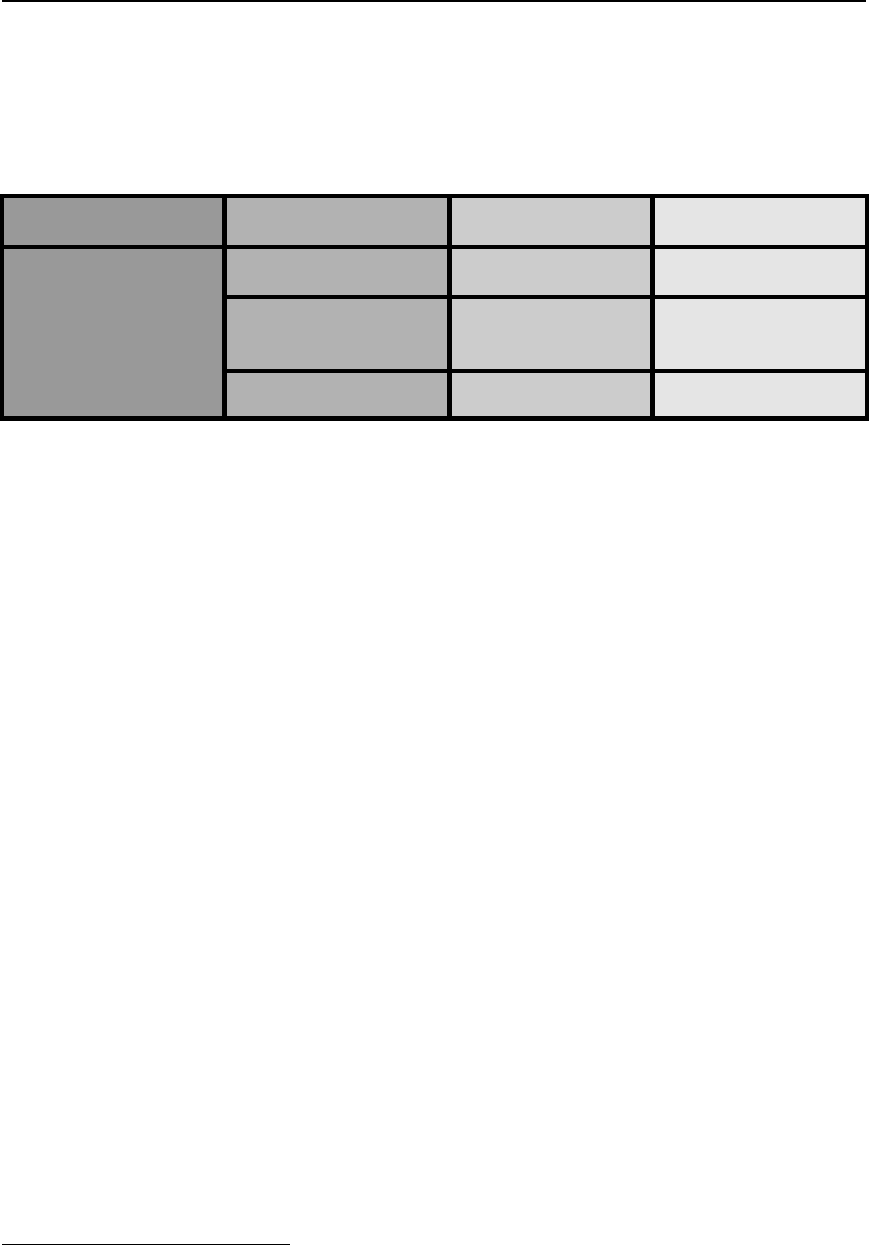
at the same electrical potential. An implementing process shall be selected from Table 1.
ANSI/ESD S20.20-2021
5
There are no requirements for a compliance verification plan for testing the grounding system; only
initial verification is required. If ground fault circuit interrupters (GFCI) are installed at the user's
facility, this measurement is not required.
NOTE: Verification of the grounding system should be considered after electrical system maintenance or
service additions.
Table 1. Grounding/Equipotential Bonding Requirements
Technical
Requirement
Implementing Process
Test Method
Required Limit(s)
Grounding/Bonding
System
Equipment Grounding
Conductor
ANSI/ESD S6.1
< 1.0 ohm
impedance
(4)
Auxiliary Ground
ANSI/ESD S6.1
< 25 ohms to the
Equipment Grounding
Conductor
Equipotential Bonding
ANSI/ESD S6.1
< 1.0 x 10
9
ohms
(5)
8.2 Personnel Grounding
All personnel shall be bonded or electrically connected to the selected grounding/equipotential
bonding system when handling ESDS items. The personnel grounding method(s) shall be selected
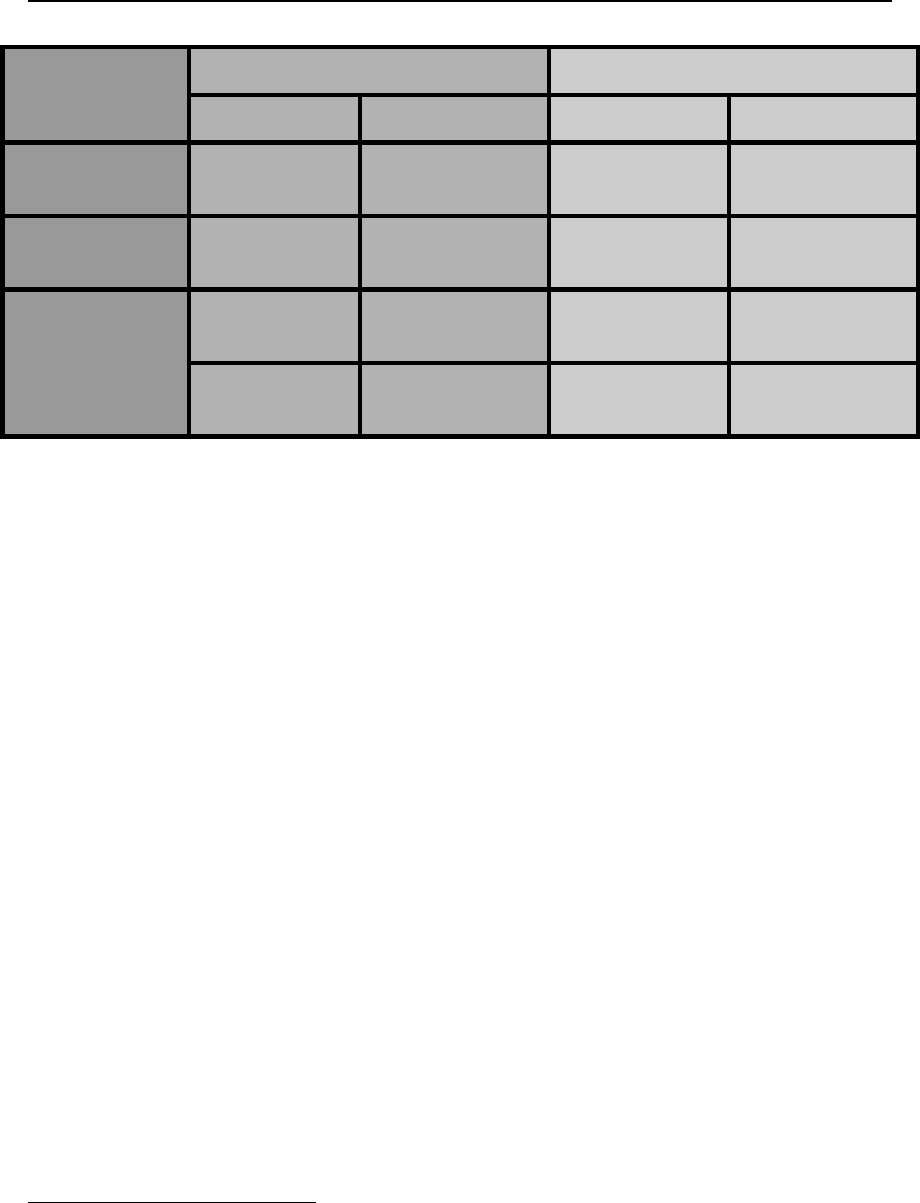
from Table 2.
When personnel are seated at ESD protective workstations, they shall be connected to the selected
grounding/equipotential bonding system via a wrist strap system.
For standing operations, personnel shall be grounded via a wrist strap or by a footwear/flooring
system meeting the requirements of Table 2.
When garments are used to achieve personnel grounding, it shall be documented in the ESD
control program plan. It shall also meet the groundable static control garment system resistance
requirements defined in Table 2 and the groundable static control garment in Table 3.
4
If there is a GFCI, this measurement is not required and may cause the GFCI to activate.
5
The maximum resistance between any ESD control items and the common connection point.
ANSI/ESD S20.20-2021
6
Table 2. Personnel Grounding Requirement
Technical
Requirement
Product Qualification
Compliance Verification
Test Method(s)
Required Limit(s)
Test Method(s)
Required Limit(s)
Wrist Strap
System
ANSI/ESD S1.1
System
Resistance
< 3.5 x 10
7
ohms
ESD TR53
Wrist Strap
Section
System
Resistance
< 3.5 x 10
7
ohms
Groundable Static
Control Garment
System
ANSI/ESD
STM2.1
System
Resistance
< 3.5 x 10
7
ohms
ESD TR53
Garment
Section
System
Resistance
< 3.5 x 10
7
ohms
Footwear/Flooring
System –
(Both limits shall
be met)
6
ANSI/ESD
STM97.1
System
Resistance
< 1.0 x 10
9
ohms
ESD TR53
Footwear Section
System
Resistance
< 1.0 x 10
9
ohms
(7)
ANSI/ESD
STM97.2
Peak Voltage
< 100 volts
ESD TR53
Flooring Section
Point to Ground
Resistance
< 1.0 x 10
9
ohms
(7)
8.3 ESD Protected Areas (EPAs)
Handling of ESDS items, parts, assemblies, and equipment without ESD protective coverings or
packaging shall be performed in an EPA. The EPA shall have clearly identified boundaries.
An EPA can consist of a single workstation, entire room, building, or other designated areas.
Access to the EPA shall be limited to personnel who have completed appropriate ESD training or
be escorted by trained personnel while in an EPA.
An EPA shall be established wherever ESDS items are handled. However, there are many ways
to establish ESD controls within an EPA. Table 3 lists optional ESD control items which can be
used to control static electricity. The required limits and test methods for ESD control items selected
for use in the ESD control program become mandatory.
8.3.1 Insulators
The Organization's ESD control program shall include a plan for handling insulators to mitigate field
induced CDM damage. All nonessential insulators shall be separated from any ESDS item by at
least 300 mm. Areas can be designated within the EPA to store static generating items provided
the areas do not cause any of the requirements below to be exceeded. When qualifying a process
to be deployed in an EPA, process essential insulators shall be evaluated in accordance with how
the insulators will be used.
For initial process qualification and ongoing compliance verification measurements, one of the
following criteria shall be met:
• Measure the field at the location where the ESDS item is handled. The electrostatic field shall
be less than 5000 volts/meter (125 volts/inch).
or
• For any process essential insulators located less than or equal to 25 mm from an unprotected
ESDS item, the voltage on the surface of the insulator shall be less than 125 volts when
measured with a non-contact electrostatic voltmeter. When using an electrostatic field meter,
6
A periodic body voltage generation test should be done to verify the voltage is less than 100 volts.
7
The required limit of < 1.0 x 10
9
ohm is the "maximum" allowed value. The user should document the
resistance values that were measured for product qualification for the footwear and the flooring system to
comply with the < 100 volts body voltage generation and use these resistances for compliance verification.