ANSI ESD-S20.20-2021-EN.pdf - 第16页
ANSI/ESD S20.20- 2021 8 Table 3. EPA ESD Control Items Technical Requirement ESD Control Item Product Qualification Compliance Verificatio n Test Method Required Limit(s) (8) Test Method Required Limit(s) EPA Worksurface…

ANSI/ESD S20.20-2021
7
the reading shall be less than 125 volts when measured at the meter's stipulated measuring
distance.
• For any process essential insulators located more than 25 mm, but less than 300 mm from an
unprotected ESDS item, the voltage on the surface of the insulator shall be less than 2000 volts
when measured with a non-contact electrostatic voltmeter. When using an electrostatic field
meter, the reading shall be less than 2000 volts when measured at the meter's stipulated
measuring distance.
NOTE: Insulators should be measured after normal handling that could occur during the processing of ESDS
items with materials in use in the EPA. The insulators should not be artificially charged. See ESD TR20.20 for
more information.
NOTE: See ESD TR20.20 for more information on insulators and charge mitigation techniques.
NOTE: The accurate measurement of electrostatic fields requires that the person making the measurement
is familiar with the operation of the measuring equipment. An electrostatic field meter responds to the
electrostatic field emanating from a charged surface and converts the field into a voltage when the meter is
positioned at the meter's stipulated distance. When measuring relatively large conductors, the electrostatic
field meter reading is the actual voltage on the conductor when measured at the meter's stipulated measuring
distance. However, for non-uniformly charged insulators, the voltage indicated by the field meter (when
measured at the meter's stipulated measuring distance) is an average of the electrostatic field strengths of the
charged insulator.
NOTE: If a non-contact electrostatic voltmeter is used, care must be taken to ensure the non-contact
electrostatic voltmeter's spot resolution (the smallest measurement area that the meter can resolve) is smaller
than the insulator being measured. For a non-contact electrostatic voltmeter, this is a combination of aperture
size and distance to the object. It is recommended to measure the item at the smallest distance stated by the
manufacturer.
8.3.2 Isolated Conductors
If a conductor that cannot be grounded or equipotentially bonded comes into contact with an ESDS
item, the process shall ensure that the potential between the isolated conductor and ground is
between -35 volts and +35 volts.
For an isolated conductor that does not come into contact with an ESDS item, the requirements for
insulators in Section 8.3.1 shall be met.
NOTE: For accurate measurements, it is recommended to use a high impedance contact voltmeter. If a non-
contact electrostatic voltmeter or electrostatic field meter is used, care must be taken to ensure the spot
resolution (the smallest measurement area that the meter can resolve) is smaller than the isolated conductor
being measured. For a non-contact electrostatic voltmeter, this is a combination of aperture size and distance
to the object. It is recommended to measure the item at the smallest distance stated by the manufacturer.
ANSI/ESD S20.20-2021
8
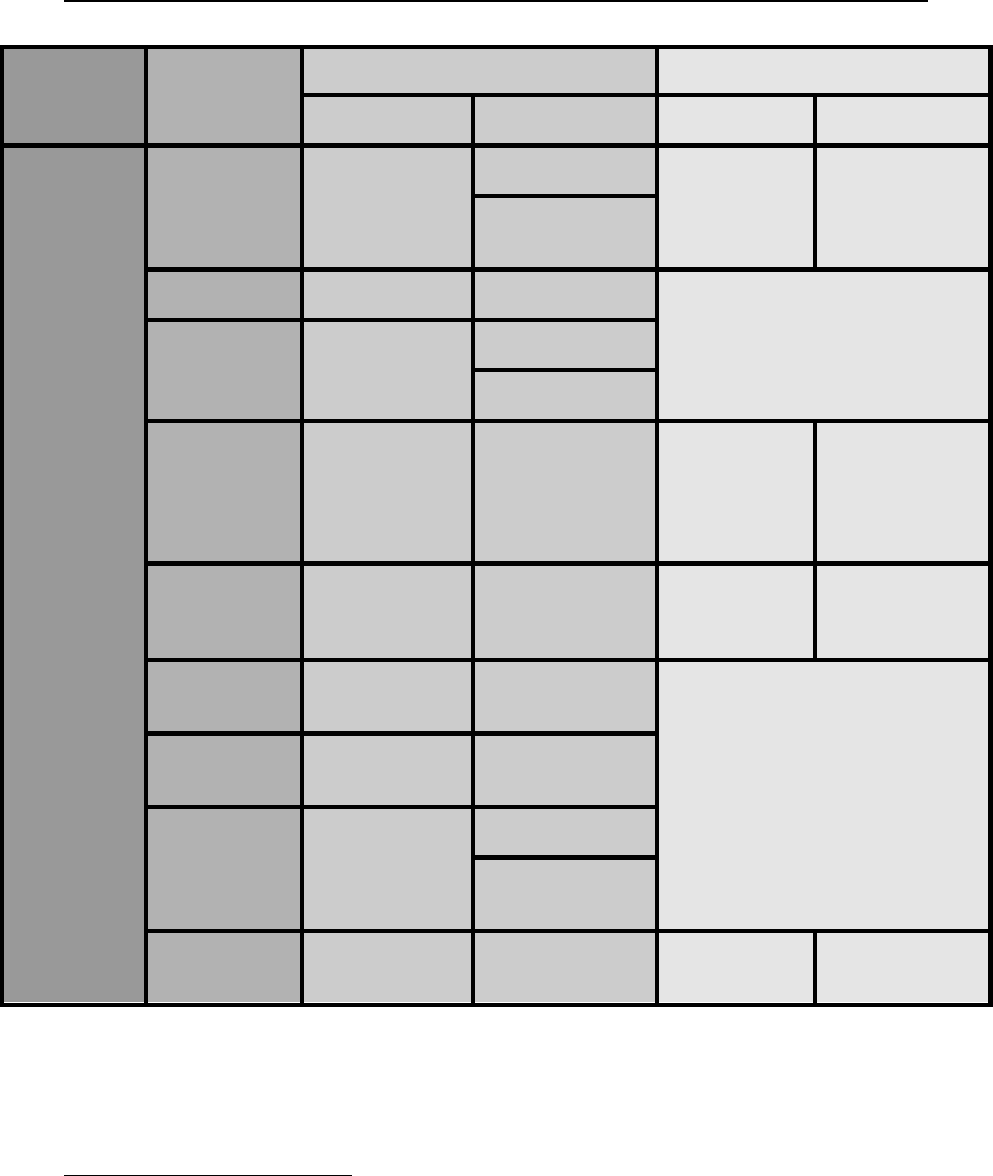
Table 3. EPA ESD Control Items
Technical
Requirement
ESD Control
Item
Product Qualification
Compliance Verification
Test Method
Required
Limit(s)
(8)
Test Method
Required
Limit(s)
EPA
Worksurface
(9)
ANSI/ESD
STM4.1
Point to Point
< 1.0 x 10
9
ohms
ESD TR53
Worksurface
Section
Point to Ground
< 1.0 x 10
9
ohms
Point to
Groundable Point
< 1.0 x 10
9
ohms
Wrist Strap
ANSI/ESD S1.1
0.8 x 10
6
to
1.2 x 10
6
ohms
For compliance verification of a
Wrist Strap System, see Table 2.
Wristband
ANSI/ESD S1.1
Interior
< 1.0 x 10
5
ohms
Exterior
> 1.0 x 10
7
ohms
Personnel
Ground Wrist
Strap
Connection
(non-
monitored)
ANSI/ESD S6.1
Point to
Ground
(10)
< 2 ohms
ESD TR53
Grounding/
Equipotential
Bonding
Systems
Section
Point to
Ground
(10)
< 2 ohms
Continuous
Monitors
User-defined
User-defined
ESD TR53
Continuous
Monitors
Section
Manufacturer
defined
Footwear
ANSI/ESD
STM9.1
Point to
Groundable Point
< 1.0 x 10
9
ohms
For compliance verification of the
Footwear/Flooring System, see
Table 2.
Foot
Grounders
ANSI/ESD
SP9.2
Point to
Groundable Point
< 1.0 x 10
9
ohms
Flooring
ANSI/ESD
STM7.1
Point to Point
< 1.0 x 10
9
ohms
Point to
Groundable Point
< 1.0 x 10
9
ohms
Seating
ANSI/ESD
STM12.1
Point to
Groundable Point
< 1.0 x 10
9
ohms
ESD TR53
Seating
Section
Point to Ground
< 1.0 x 10
9
ohms
Table 3 continued next page.
8
For standards that have multiple resistance test methods, these limits apply to all methods.
9
Due to a wide variety of applications for worksurfaces, specific requirements that could be broadly applied
are difficult to determine. If there is a concern for CDM failures, then a lower limit of 1.0 x 10
6
ohms for point
to point and point to groundable point should be considered.
10
If there is a resistor in line, then the limit must be adjusted to less than 5.0 x 10
6
ohms.
ANSI/ESD S20.20-2021
9
Technical
Requirement
ESD Control
Item
Product Qualification
Compliance Verification
Test Method
Required
Limit(s)
(8)
Test Method
Required
Limit(s)
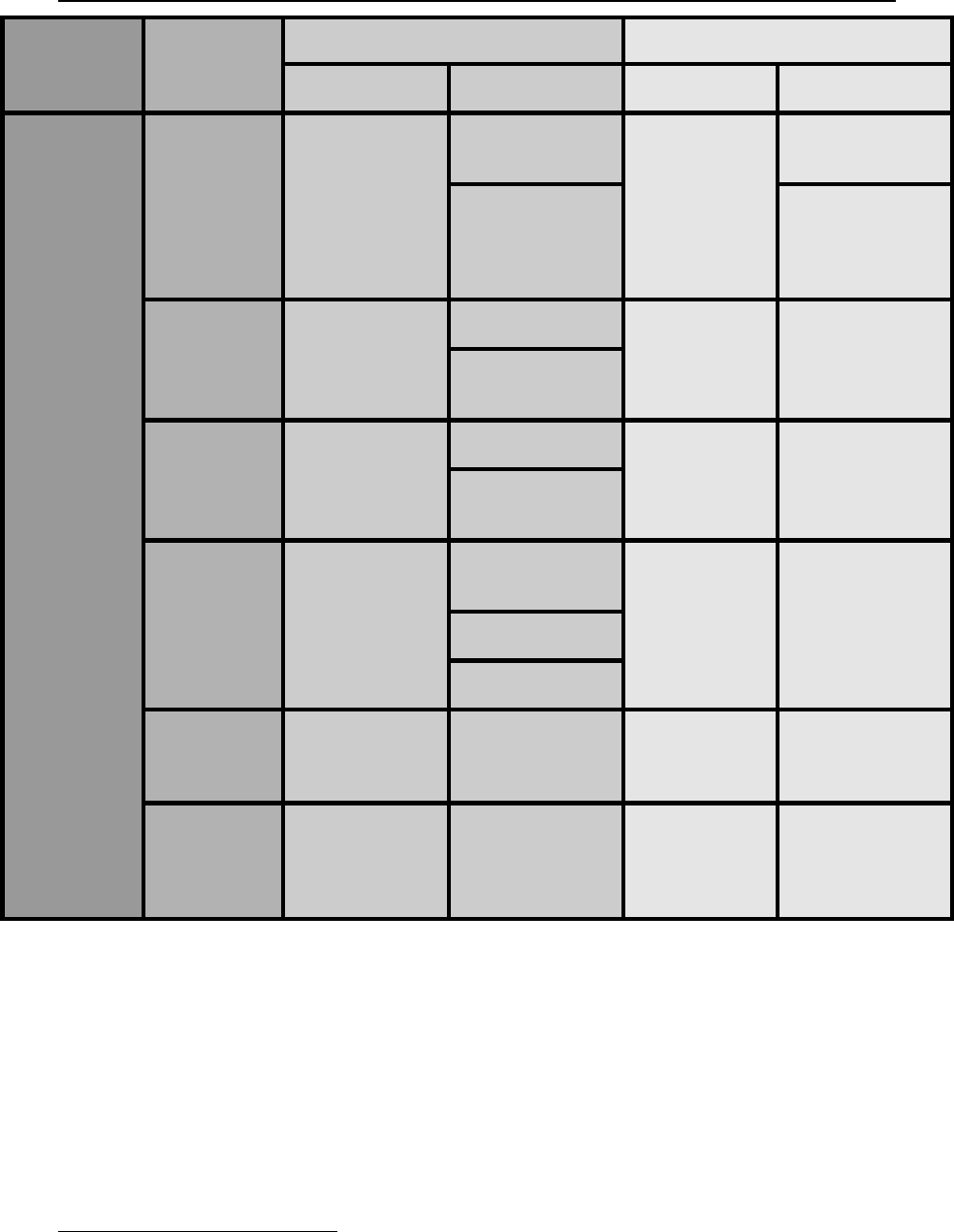
EPA
Ionization
ANSI/ESD
STM3.1
Discharge Time
User-defined
ESD TR53
(11)
Ionization
Section
Discharge Time
User-defined
Offset Voltage
(Peak)
-35 volts <
Voffset
< 35 volts
Offset Voltage
(Peak)
-35 volts< Voffset
< 35 volts
Shelving
(9)
(When used
to store
unprotected
ESDS items)
ANSI/ESD
STM4.1
Point to Point
< 1.0 x 10
9
ohms
ESD TR53
Worksurface
Section
Point to Ground
< 1.0 x 10
9
ohms
Point to
Groundable Point
< 1.0 x 10
9
ohms
Mobile
Equipment
(9)
(Working
Surfaces)
ANSI/ESD
STM4.1
Point to Point
< 1.0 x 10
9
ohms
ESD TR53
Worksurface
Section
Point to Ground
< 1.0 x 10
9
ohms
Point to
Groundable Point
< 1.0 x 10
9
ohms
Electrical
Soldering/
Desoldering
Hand Tools
ANSI/ESD
S13.1
Tip to Ground or
Groundable Point
< 2.0 ohms
ESD TR53
Electrical
Soldering/
Desoldering
Hand Tools
Section
Tip to Ground or
Groundable Point
< 10 ohms
Tip Voltage
< 20 millivolts
Tip Leakage
< 10 milliamps
Static Control
Garment
ANSI/ESD
STM2.1
Point to Point
< 1.0 x 10
11
ohms
ESD TR53
Static Control
Garment
Section
Point to Point
< 1.0 x 10
11
ohms
Groundable
Static Control
Garment
ANSI/ESD
STM2.1
Point to Point and
Point to
Groundable Point
< 1.0 x 10
9
ohms
ESD TR53
Groundable
Static Control
Garment
Section
Point
to Groundable
Point
< 1.0 x 10
9
ohms
11
For additional information on periodic testing of Ionizers, see ANSI/ESD SP3.3.