Queue-Inspection-Manual-REV-G-2.pdf - 第9页
Queue/In spectio n Revision G / January 2022 Page 9 of 21 Hazards Due to Co ntact The PVA Queue/Inspection module is designed to mi nimize injury from contact with the machine. In some mo des of op eration, it is p ossib…
Queue/Inspection
Revision G / January 2022
Page 8 of 21
Theory of Operation
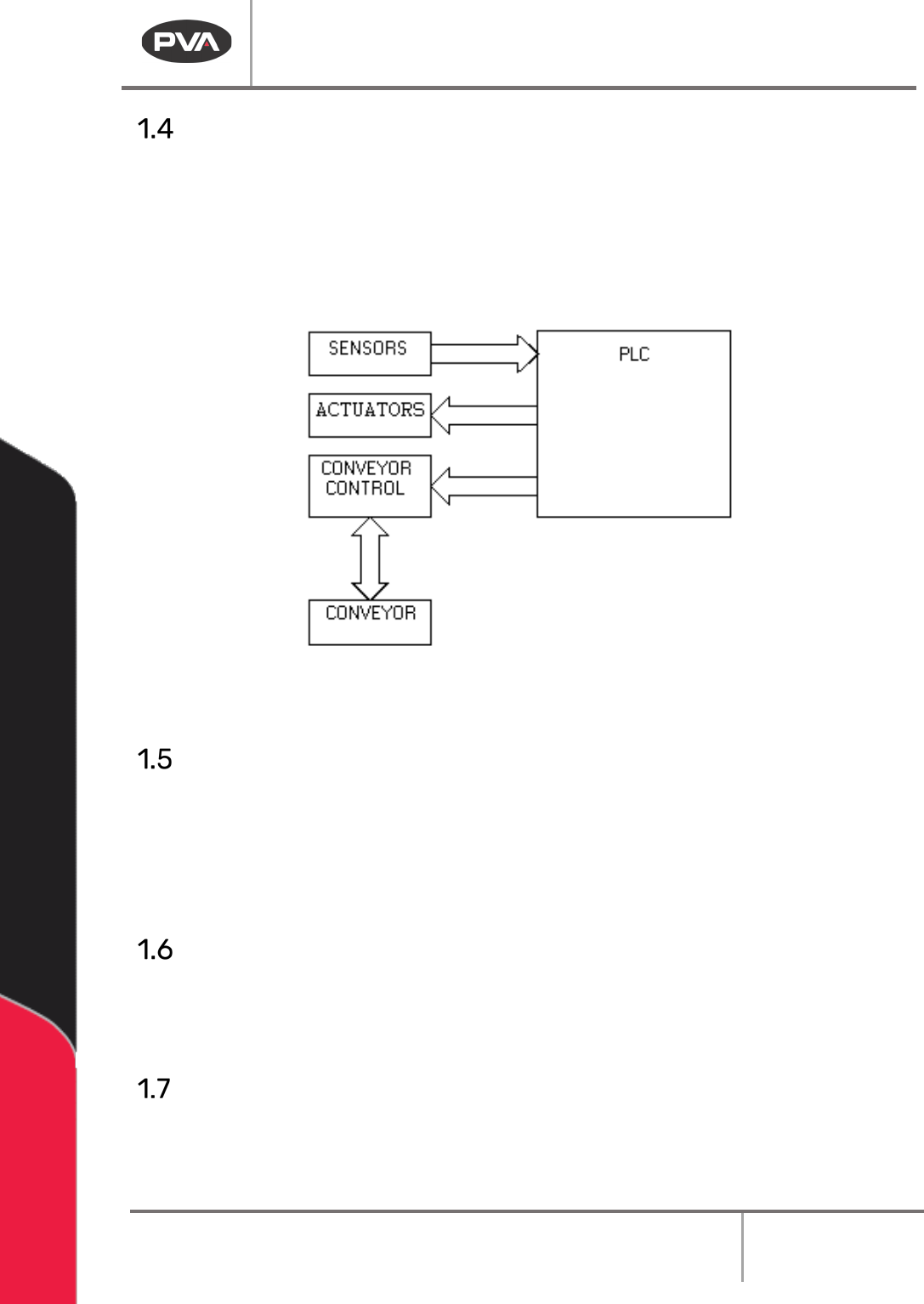
The PVA Queue/Inspection module is a board transfer and inspection machine. It is SMEMA
(Surface Mount Equipment Manufacturers Association) rated for easy integration into a
production line and designed to operate with PVA dispense systems.
Any uses other than listed above could result in a dangerous condition and cannot be
protected against by the safety features installed on the system.
Figure 1: PVA Queue/Inspection Module Functional Block Diagram
Personal Protective Equipment
Operators must use eye protection because material contents are under pressure. Always
wear gloves when handling materials and solvents. Refer to MSDS sheets on the material
being dispensed for other precautions.
Waste Disposal
Dispose of all used parts and materials in accordance with local laws and regulations.
Materials and Chemicals
There are no dangerous materials or chemicals used in the operation of the machine. Refer
to the MSDS sheet on the material being cured.
Queue/Inspection
Revision G / January 2022
Page 9 of 21
Hazards Due to Contact
The PVA Queue/Inspection module is designed to minimize injury from contact with the
machine. In some modes of operation, it is possible to enter the work area while the module
is in operation. Only a qualified person should do this. All hot surfaces are indicated with a
warning label. There are no dangerous materials or chemicals used in the operation of the
machine.
Noise Levels
The audible noise level of the PVA Queue/Inspection module is below 65 dBA.
Operating Handle Transportation and
Storage
The system should have minimal vibration when handled and transported. Use an air- ride
truck for roadway transport. The machine is made to operate in an industrial environment,
but abuse will reduce its performance.
Dust and Debris
All enclosures and connector covers should be closed tightly. Put a cover over the system if
dust or other airborne debris is present in the storage area.
Temperature and Humidity
Storage and operation should be done in an area at 40°F - 105°F (4°C – 41°C) and low
humidity. Do not let the machine have condensation on it.
Location
The machine should be installed on a level surface, away from standing water, possible
overspray, and overhead leaks.
Queue/Inspection
Revision G / January 2022
Page 10 of 21
Installation and Setup
WARNING: The following procedures should be done by qualified persons in
accordance with this manual and applicable safety regulations. A “qualified person” is
defined as “a person or persons who, by possession of a recognized degree or
certificate or professional training, or who, by extensive knowledge, training, and
experience, has successfully demonstrated the ability to solve problems relating to
the subject matter and work.” (ref. ANSI/ASME B30.2-1983.)
Unpacking and Inspection
1. Remove all packing materials and strapping. Thoroughly examine the machine for
damage, loose fasteners, etc.
2. Open the electrical enclosure and visually examine the connectors and components
for vibration during shipping.
3. Close the door.
Installation
1. Connect the machine into an appropriate power source. Refer to the legend plate on
the rear of the machine. The electrical service must be correctly grounded and the
power source “clean”. If high power equipment operates off the same source, a line
conditioner may be necessary. Poor quality power can cause machine errors.
WARNING: Failure to comply with electrical specifications can result in damage to the
machine as well as injury to installation personnel. Electrical hookup must be made by
a qualified electrician and must comply with any applicable local standards.
2. Close any access doors and engage the “Emergency Stop” button.
3. Set the main power switch to “On”.