IPC-7526-2007 模板和误印板清洗指南.pdf - 第9页
www.bzfxw.com Figure 1-6 Bridging or Poorly Defined Solder Paste Printing (Figur e 1-6) Damage to the stencil patterns during removal of excessive solder paste or in a cleaning process will result in poorly defined joints …
www.bzfxw.com
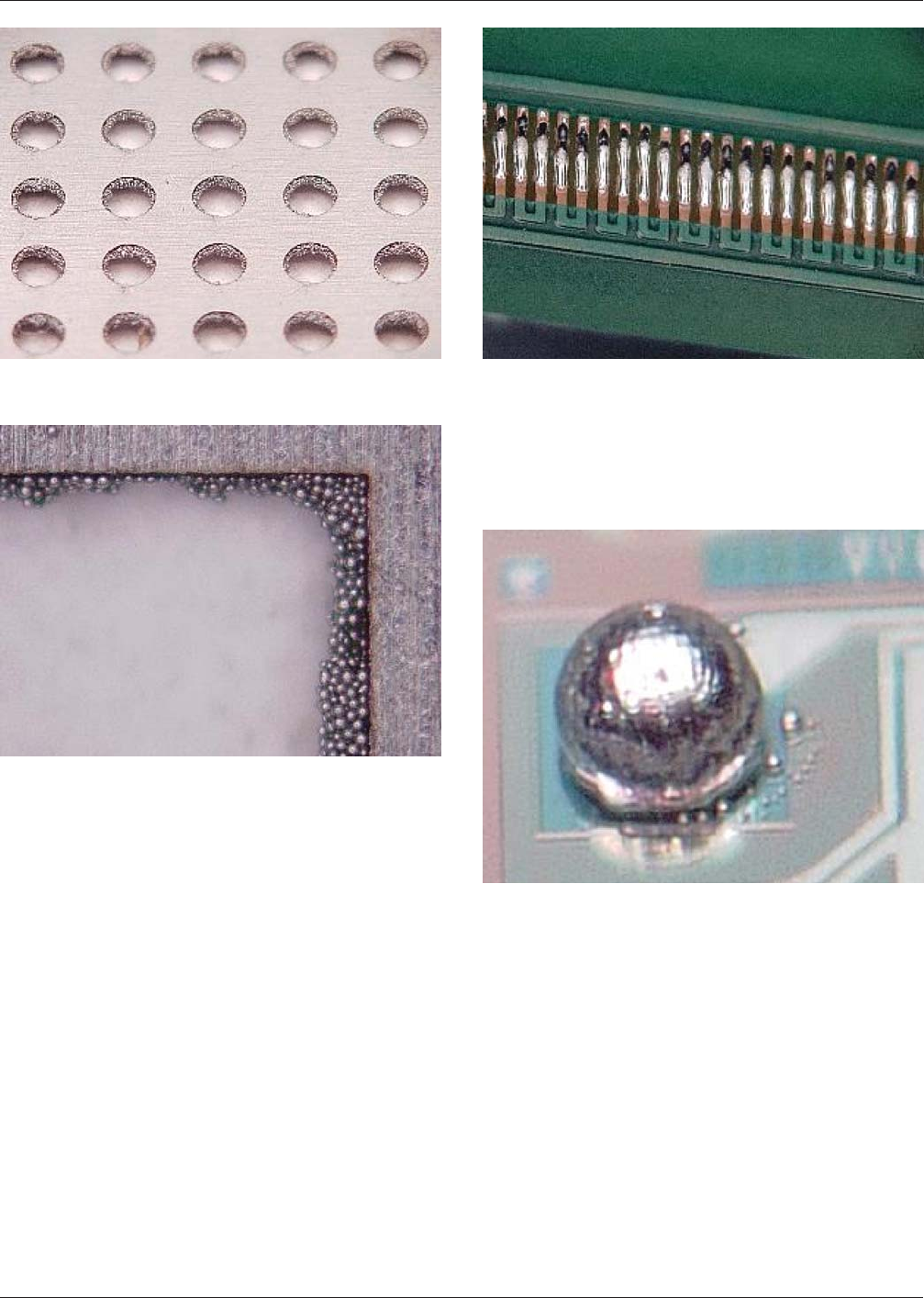
Figure 1-2 Solder Paste Buildup on Walls of Stencil
Apertures
Figure 1-3 Solder Paste Buildup on Walls of Stencil
Apertures
(Figures 1-2, 3) Solder balls attach to the walls of the
stencil aperture over time. Failure to clean this buildup
from the stencil affects the amount of deposited solder
paste and could potentially cause open solder joints, bridg-
ing, and solder ball formation on the subsequent PCA.
Figure 1-4 Open or Insufficient Solder Joints
(Figure 1-4) When solder paste and/or the flux vehicle is
not completely removed from stencil apertures in the clean-
ing operation the dried residue partially or completely
blocks the correct volume of solder paste, resulting in
insufficient or open solder connections.
Figure 1-5 Solder Balls Following Solder Reflow
(Figure 1-5) Water or solvent remaining on circuit boards
or stencils following cleaning may be mixed with the sol-
der paste resulting in satellite solder ball formation in the
solder reflow process. Improper cleaning of solder paste
from miprinted boards can leave large quantities of solder
balls from the solder paste on and around the lands and in
the vias.
IPC-7526 February 2007
2
标准分享网 www.bzfxw.com 免费下载
www.bzfxw.com
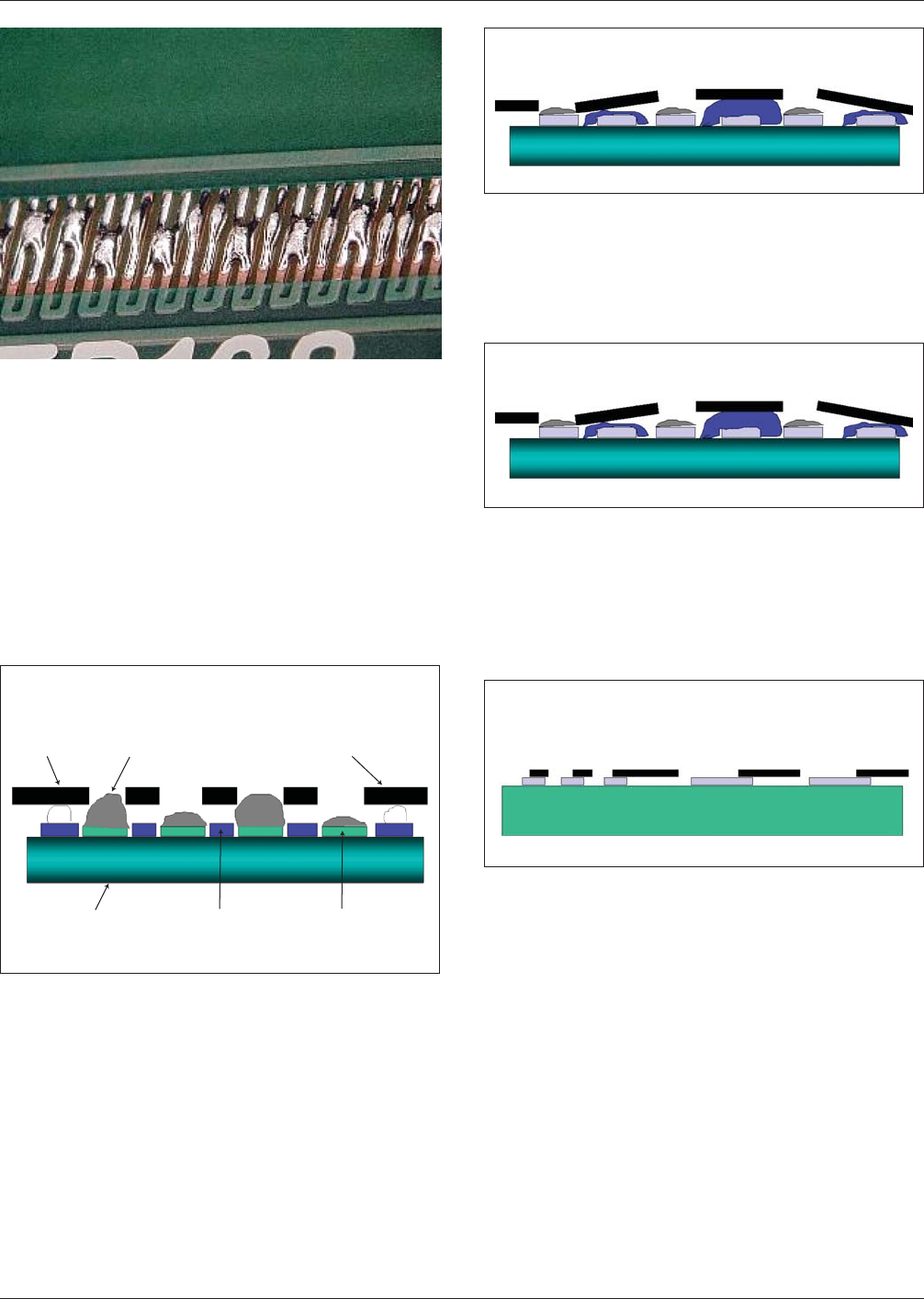
Figure 1-6 Bridging or Poorly Defined Solder Paste
Printing
(Figure 1-6) Damage to the stencil patterns during
removal of excessive solder paste or in a cleaning process
will result in poorly defined joints or bridged parts.
Improper rinsing of stencils can leave surface contaminants
or residual cleaning fluid on the surface of the stencil.
These contaminants promote flux bridging under the sten-
cil during the printing process. The release of the board
from the stencil creates a vacuum as the stencil separates
from the board, sucking the solder paste beneath the sten-
cil, leaving poorly defined prints or bridges.
IPC-7526-1-7
Figure 1-7 Failure to Place the Stencil on a Level Plane
(Figure 1-7) The stencil must sit on a level plane that is flat
with well-identified points and lines. The stencil should
contact the board at the solder mask height. Variations in
hot air solder leveling (HSAL) or excessive legend ink
thickness can lead to poor gasketing, which will allow sol-
der paste to flow beyond the aperture opening on the bot-
tom of the stencil resulting in poor print definition.
Board Coplanarity
Stencil
Solder
Level
Board
Ledgend
Solder
Mask
Copper
Pad
FR4
Composite
Material
IPC-7526-1-8
Figure 1-8 Variations in Solder Mask Thickness
(Figure 1-8) Variations in solder mask thickness contribute
to inconsistencies in solder paste deposition. This condition
is similar to the board coplanarity problem and will lead to
poor definition and increase the need for stencil wiping.
Solder Mask Thickness
IPC-7526-1-9
Figure 1-9 Inconsistent Component Land Width
(Figure 1-9) Component land width must be consistent.
Variations contribute to inconsistencies in solder paste
deposition. If the land is smaller than the aperture, paste
will flow beyond the land and if soldermask is not present,
the possibility of bridging between the lands will increase.
Solder Mask Thickness
IPC-7526-1-9
Figure 1-10 Misaligned Stencil
(Figure 1-10) Poor alignment contributes to inconsisten-
cies in solder paste deposition and increases contamination
of the stencil bottom. This leads to poor definition on sub-
sequent prints and increased frequency of the stencil bot-
tom cleaning to maintain acceptable print quality.
Alignment Accuracy
0.016˝ pitch
0.050˝ pitch
February 2007 IPC-7526
3

www.bzfxw.com
2 BIBLIOGRAPHY OF DOCUMENTS, SPECIFICATIONS
AND REFERENCES
The following documents are provided as possible sources
of additional information.
2.1 IPC
1
IPC-SC-60 Post Solder Solvent Cleaning Handbook
IPC-SA-61 Post Solder Semiaqueous Cleaning Handbook
IPC-AC-62 Post Solder Aqueous Cleaning Handbook
IPC-CH-65 Guidelines for Cleaning of Printed Boards and
Assemblies
IPC-CA-82 General Requirements for Thermally Conduc-
tive Adhesives
IPC-A-610 Acceptability of Electronic Assemblies
IPC-3406 Guidelines for Electrically Conductive Surface
Mount Adhesives
IPC-3408 General Requirements for Anisotropically Con-
ductive Adhesive Films
IPC-7525 Stencil Design Guidelines
2.2 Joint Industry Standards
2
J-STD-001 Requirements for Soldered Electrical and Elec-
tronic Assemblies
J-STD-005 Requirements for Soldering Pastes
2.3 American Standards for Testing Materials
3
2.4 Federal Laws and Standards
4
CAA Clean Air Act
CWA Clean Water Act
CERCLA Comprehensive Environmental Response, Com-
pensation and Liability Act
RCRA Resource Conservation and Recovery Act
SARA Superfund Amendment and Reauthorization Act
2.5 Department of Defense
5
MIL-C-85447 Cleaning Compounds, Electrical & Elec-
tronic Components
2.6 Occupational Safety and Health Administration
6
OSHA 29 CFR 1910.106 Flammable and Combustible Liq-
uids
OSHA 29 CFR 1910.134 Respiratory Protection
OSHA 29 CFR 1910.1000 Air Contaminants
2.7 Environmental Protection Agency (EPA)
7
EPA 40 CRF 63 National Emission Standards for Hazard-
ous Air Pollutants for Source Categories
EPA 40 CFR 82 Protection of Stratospheric Ozone
EPA-453/R-94-081 Guidance Document for the Haloge-
nated Solvent Cleaner NESHAP
EPA 40 CFR 117. Determination of Reportable Quantities
for Hazardous Substances
EPA 40 CFR 131.36 Toxic Criteria for those States not
Complying with Clean Water Act Section 303(c)(2)(B)
EPA 40 CFR 261 Identification and Listing of Hazardous
Waste
EPA 40 CFR 302.4 Designation of Hazardous Substances
EPA 40 CFR 355.30 (b) Emergency Release Notification
EPA 40 CFR 370 Hazardous Chemical Reporting: Com-
munity Right To Know
EPA 40 CFR 372 Toxic Chemical Release Reporting:
Community Right-to-Know
2.8 Department of Transportation
8
DOT 33 CFR 153.203 Procedure for the Notice of Dis-
charge
2.9 National Fire Protection Association (NFPA)
9
NFPA 35 Definitions of Flammable & Combustible Sub-
stances
2.9.1 Air Quality Management Standards (AQMD)
3 STENCIL CLEANING PROCESS
3.1 Objectives for the Cleaning Process
Stencil cleanli-
ness is an essential issue for delivering the proper amount
1. www.ipc.org
2. www.ipc.org
3. www.astm.org
4. ecfr.gpoaccess.gov
5. www.answers.com/topic/united-states-department-of-defense
6. www.osha.gov/
7. www.osha.gov/
8. www.dot.gov/
9. www.nfpa.org/
IPC-7526 February 2007
4
标准分享网 www.bzfxw.com 免费下载