IPC-2223-Design-Standard-for-Flex-and-Rigid-Flex-Circuits.pdf - 第13页
Important Element #6 Strain Relief Fillets A strain relief llet is dened as a exible bead, typically epoxy based, applied to the transition line from a rigid area to a ex area. This forces the ex to bend gradually a…
“
MEETING THE DESIGN BEND REQUIREMENTS
RELIABLY IS A KEY ELEMENT TO A
SUCCESSFUL DESIGN. EVEN IF THE PART IS
BEING BENT ONE TIME ONLY.
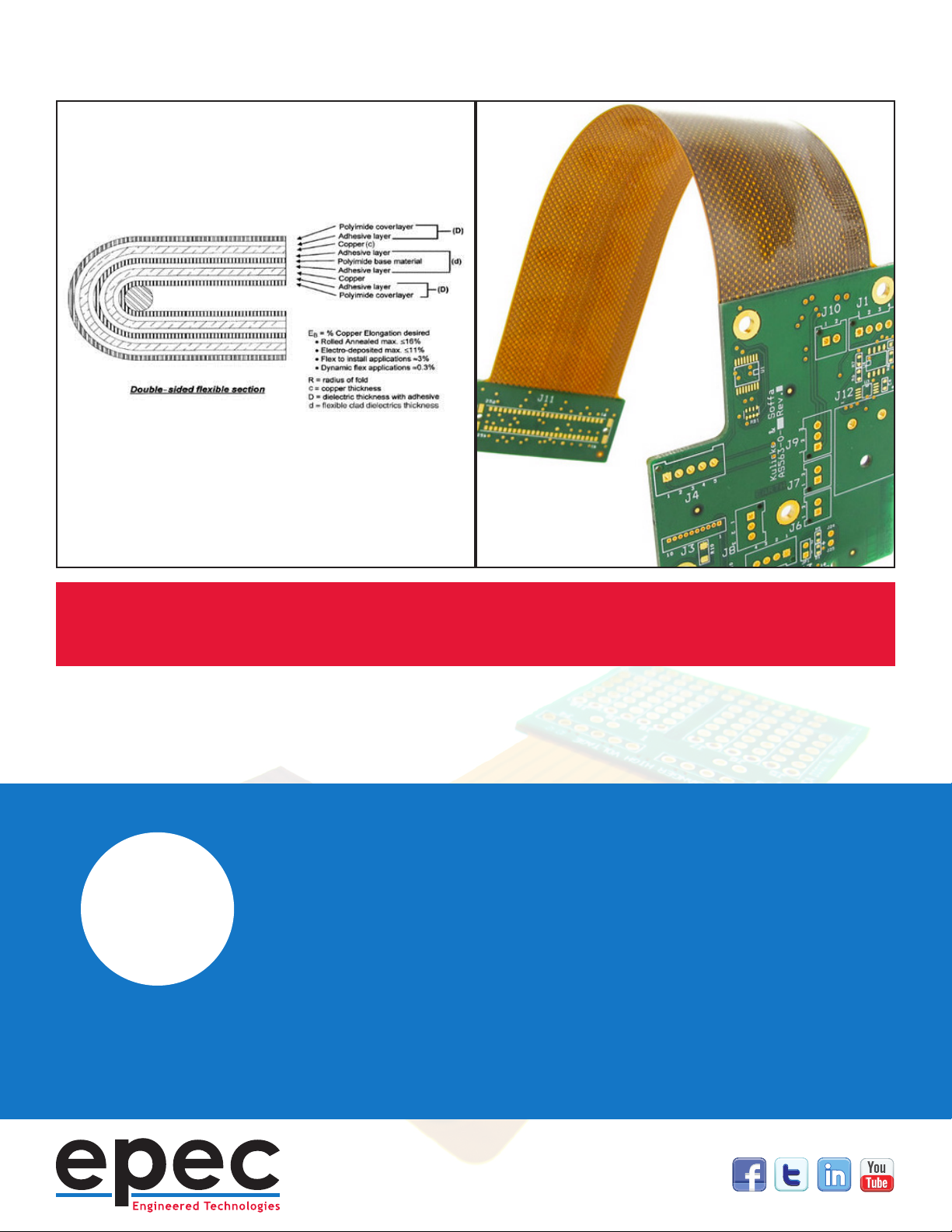
Side view cutaway of a bent flex circuit and the impact on specific layers.
Important Element
#6
Strain Relief Fillets
A strain relief llet is dened as a exible bead, typically epoxy based,
applied to the transition line from a rigid area to a ex area. This forces the
ex to bend gradually and prevents it from being bent tightly against the
rigid area which could damage the part.
IPC calls out for a minimum 0.010” height dierence between the rigid area
and the ex layers to allow enough space for the bead without it extending
above the surface level of the rigid area. Strain reliefs requirements are
dened in the fabrication drawing. A minimum and maximum horizontal
dimension need to be dened as is commonly 0.040” to 0.100” to allow
for manufacturing tolerances and the material ow properties. The most
commonly used material is Eccobond 45/15 mixed in the exible formula
ratio. Others can be used but will need to be applied after assembly if they
cannot withstand assembly reow temperatures.
Many designs do not require or cannot utilize strain reliefs. Designs
with very short ex lengths may result in the strain reliefs limiting the
bend capabilities. The added cost may not be justied for relaxed bend
applications. Reliefs should also be limited to the rigid to ex transitions
that require it and not applied globally.
“
EPOXY STRAIN RELIEFS ARE AN OPTIONAL
FEATURE THAT MAY BE REQUIRED TO ENSURE
BEND RELIABILITY
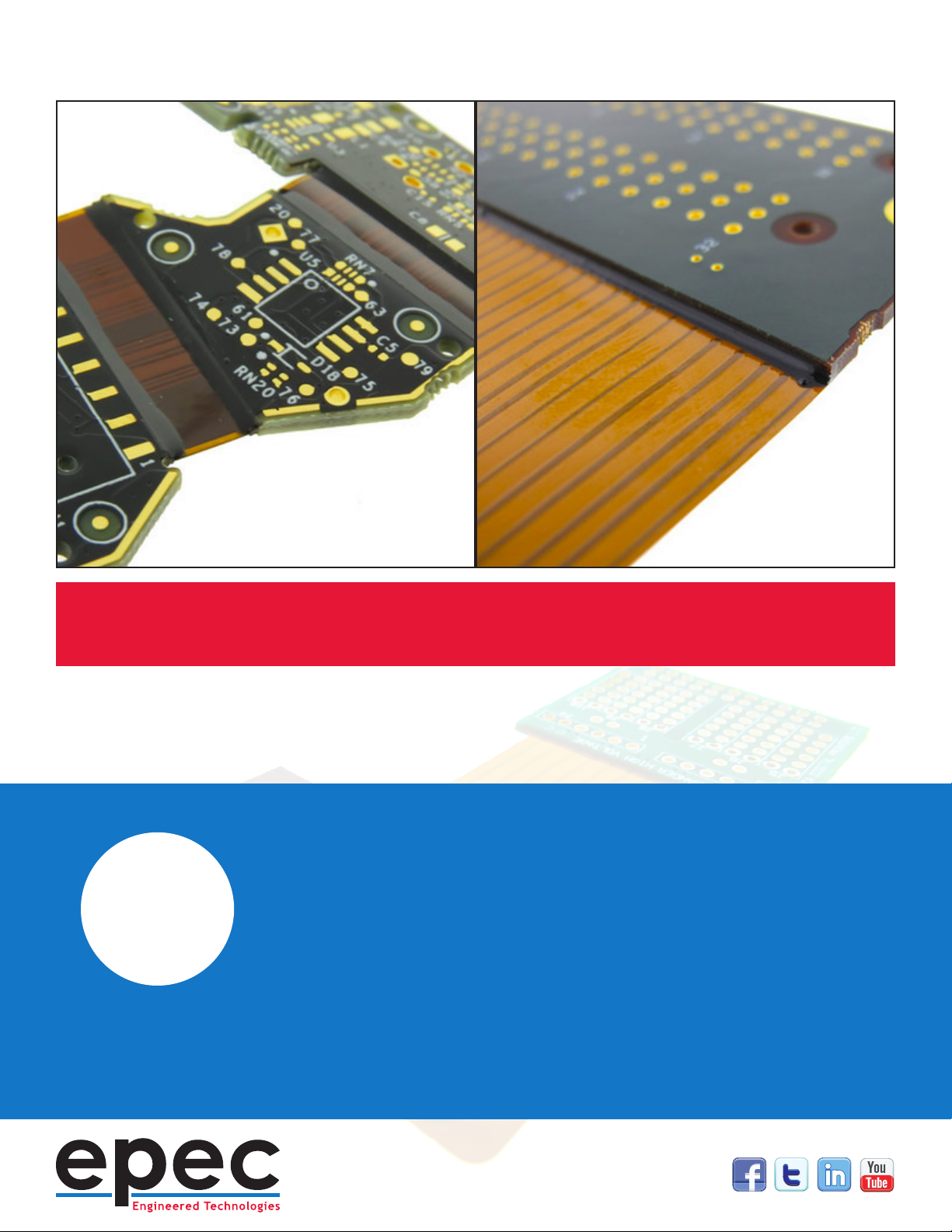
Epoxy strain relief examples. Black bead of Eccobond 45/15 applied at rigid to flex transitions.