00900002-01_UM_ASM-ProcessLens_EN.pdf - 第16页
2 Safety 2.1 Conventions for the use of safety instructions 16 Instruction Guide ASM ProcessLens 02/2017 Fig.3: Position of the permanent magnets for the linear drives 1 Permanent magnets for X linear drives on gantry 2…
2 Safety
2.1 Conventions for the use of safety instructions
Instruction Guide ASM ProcessLens 02/2017 15
2.1.3 Safety instructions on permanent magnets
Powerful permanent magnets are used for the linear motors of the gantry and inspection head
assembly.
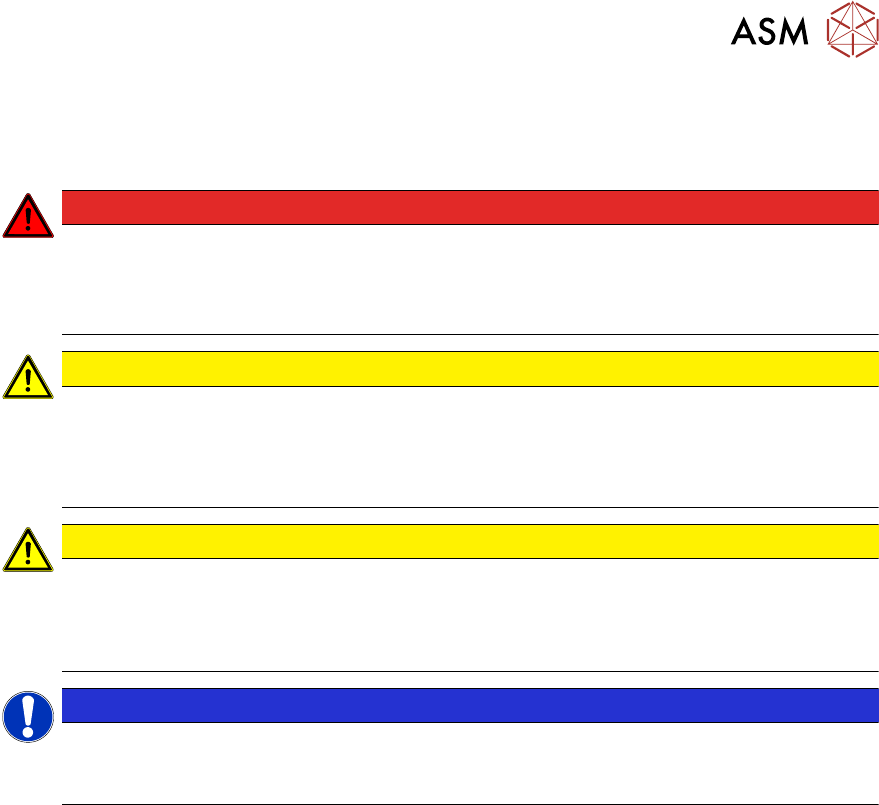
DANGER
Strong permanent magnet fields
Fatal hazard: persons with active implants (e.g. pacemakers, defibrillators, insulin pumps,
etc.) are at risk from strong permanent magnetic fields inside the machine.
Persons at risk should avoid the immediate vicinity of the machine.
CAUTION
Danger of crushing
Danger of crushing for persons with passive metal implants (e.g. plates, screws).
► Do not reach or lean over into the machine when the protective covers are open.
► Do not bring any metal objects into the hazard area.
CAUTION
Strong permanent magnet fields
There is a risk that the strong magnetic fields could corrupt data on data media or check
cards.
► Keep sensitive data supports away from the permanent magnets.
NOTICE
Electric and Magnetic Fields (EMF) level of the machine
The EMF level maximum value is less than 500 milli gauss inside the machine front (oper-
ator side), rear, left and right.
2 Safety
2.1 Conventions for the use of safety instructions
16 Instruction Guide ASM ProcessLens 02/2017
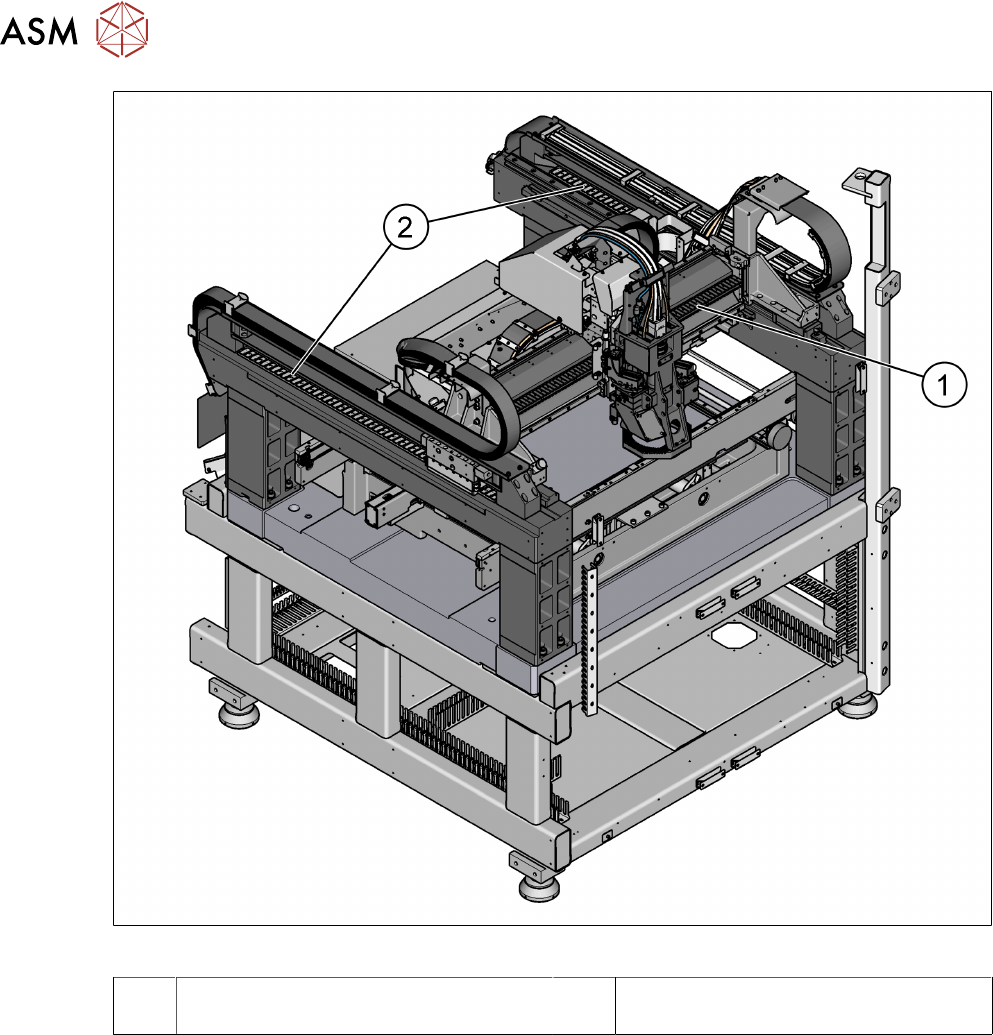
Fig.3: Position of the permanent magnets for the linear drives
1 Permanent magnets for X linear drives
on gantry
2 Permanent magnets for Y linear drives
on gantry
Please note the following points when working on the permanent magnets:
► People with active implants (e.g. heart pacemakers) or other ferromagnetic prostheses are ex-
pressly prohibited from working on or coming near these devices. Always keep a safe dis-
tance from the linear motor.
► The powerful magnetic forces of attraction mean that particular caution is needed in the imme-
diate vicinity of the magnet track and of the moving primary part. Never move heavy or wide
objects made of steel or iron manually into the vicinity of the magnet track. The magnetic force
of attraction is not visible, so its effects in the vicinity of the magnet track are generally under-
estimated. The magnetic attraction can start suddenly, and can reach several thousand New-
tons in the vicinity of ferromagnetic objects (made of steel or iron) of similar size to the magnet
track.
► Always wear suitable work and protective clothing (e.g. gloves and safety shoes, etc.) when
handling the magnet track.
► Only suitably trained ASM SMT Solutions Team engineers may carry out assembly work and
other tasks when replacing the magnet track.
2 Safety
2.2 Warning labels
Instruction Guide ASM ProcessLens 02/2017 17
► In case of emergencies, always have at least two blocks (approx. 10° to 15°) made of a solid,
nonmagnetic material (e.g. aluminium) and a nonmagnetic hammer (approx. 2 to 3 kg) avail-
able. These tools will be needed in an emergency to detach parts that are magnetically stuck
to the magnet track and possibly to release parts of the body caught between the two (fingers,
hand, foot). Never place the coil assembly of an iron-core motor directly on the magnet track.
► Electronic devices and measuring instruments may be damaged or destroyed by powerful
magnetic fields. Do not place devices that contain magnetic components in the vicinity of com-
puters, monitors or magnetic data media (e.g. hard disks, credit cards, audio or video tapes,
etc.).
► Maintain a distance of at least 45 cm between individual magnet tracks or between a magnet
track and other magnetic surfaces.
► The magnets must be disposed of correctly. A key part of correct disposal is the complete de-
magnetization of the permanent magnets.
2.2 Warning labels
The warning labels are made from soft PVC film, and are abrasion-proof, light-fast and resistant to
water and weathering. Their design meets the requirements of ISO 3864-2 and ANSI Z535.6.
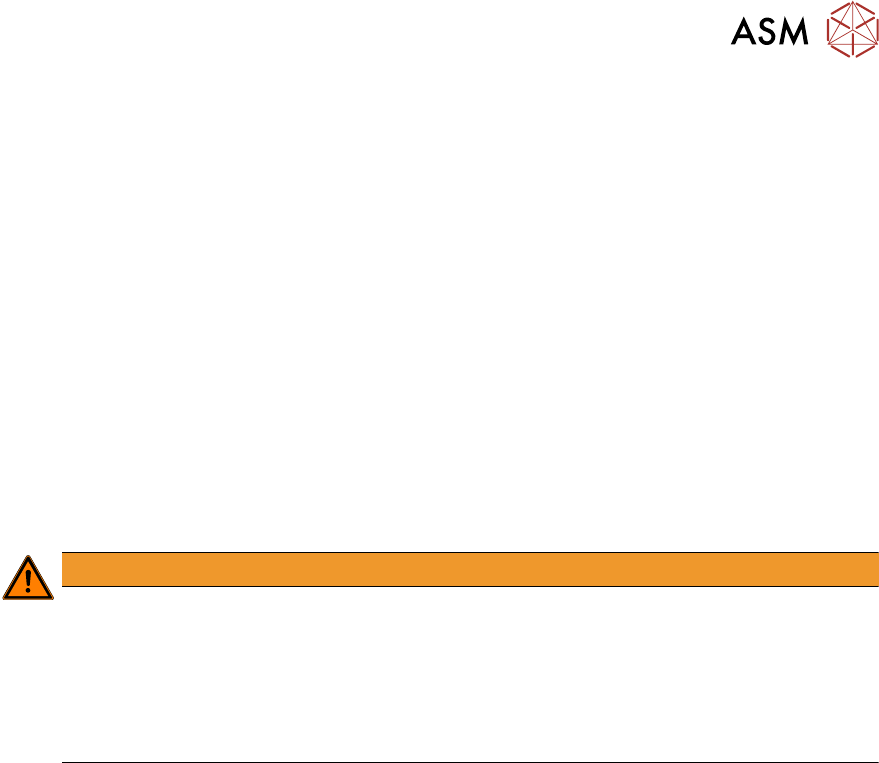
WARNING
Damaged or illegible warning labels
Make sure that the warning labels are always clearly identifiable and always easily read-
able.
► Do not use abrasive cleaners or solvents for cleaning warning labels.
► Replace any damaged or illegible warning labels.
► Replace any labels that are missing.